
Anúncios
Your mental health deserves the same attention you give to your physical well-being. Taking care of your inner world isn’t selfish—it’s essential for living a balanced, fulfilling life.


We live in a world that constantly demands more from us—more productivity, more achievements, more connections. Yet, amidst all this noise, we often forget to check in with ourselves. Mental health isn’t just about avoiding crisis; it’s about cultivating daily habits that nurture your emotional resilience and inner peace.
Anúncios
Self-help isn’t about fixing what’s broken. It’s about recognizing your worth, understanding your emotions, and building a relationship with yourself that’s rooted in compassion and honesty. When you prioritize your mental well-being, everything else in life naturally aligns better. 🌱
Understanding What Mental Health Really Means
Mental health goes beyond the absence of mental illness. It encompasses your emotional, psychological, and social well-being. It affects how you think, feel, and act in daily life. It also influences how you handle stress, relate to others, and make decisions.
Anúncios
Many people wait until they’re in crisis mode before addressing their mental health. But imagine treating your physical health the same way—waiting until you’re seriously ill before seeing a doctor. Prevention and maintenance matter just as much for your mind as they do for your body.
Recognizing that mental health exists on a spectrum helps remove stigma. Some days you’ll feel great; other days might be harder. Both experiences are valid, and neither defines your entire existence. What matters is developing tools to navigate the ups and downs with grace.
Why Self-Help Is a Powerful Tool for Mental Wellness
Self-help empowers you to take an active role in your healing journey. Rather than feeling like a passive recipient of circumstances, you become the architect of your well-being. This doesn’t mean you won’t need professional support—therapy and medical care remain crucial—but it does mean you’re equipped with daily practices that support your growth.
Books, apps, journaling, meditation, and mindfulness exercises all fall under the self-help umbrella. These tools provide frameworks for understanding your thoughts, emotions, and behaviors. They offer strategies for managing anxiety, building resilience, and fostering positive mental habits.
The beauty of self-help lies in its accessibility. You don’t need expensive equipment or specialized facilities. Most practices can be done anywhere, anytime. Whether you’re commuting, taking a lunch break, or winding down before bed, there’s always an opportunity to invest in yourself. 💙
Building a Strong Foundation: Daily Practices That Matter
Consistency beats intensity when it comes to mental health. Small, daily actions create lasting change far more effectively than sporadic bursts of effort. Think of these practices as deposits into your mental health bank account—each one strengthens your overall emotional reserves.
Morning Routines That Set a Positive Tone
How you start your day significantly impacts your mental state. Instead of immediately checking your phone and diving into work emails, create a morning ritual that centers you. This might include:
- Five minutes of deep breathing or meditation
- Journaling three things you’re grateful for
- Reading something inspirational or educational
- Stretching or gentle movement
- Setting one intention for the day ahead
These practices don’t require much time, but they shift your mindset from reactive to intentional. You’re choosing how you want to show up in the world rather than letting circumstances dictate your mood.
The Power of Mindful Awareness Throughout Your Day
Mindfulness isn’t confined to meditation cushions. It’s about bringing conscious awareness to whatever you’re doing. When you eat, truly taste your food. When someone speaks, genuinely listen. When emotions arise, acknowledge them without judgment.
This practice creates space between stimulus and response. Instead of automatically reacting to stress or frustration, you develop the ability to pause, assess, and choose your response. Over time, this skill transforms how you navigate challenges and relationships.

Recognizing and Managing Your Emotional Patterns
Self-awareness forms the cornerstone of mental health. You can’t change what you don’t acknowledge. Start paying attention to your emotional patterns—what triggers anxiety, anger, or sadness? What circumstances bring you joy, peace, or excitement?
Journaling proves invaluable for this work. Write without editing or censoring yourself. Let your thoughts flow onto paper. Over time, patterns emerge. You might notice that certain people, situations, or times of day consistently affect your mood in specific ways.
Once you identify these patterns, you can take proactive steps. If Sunday evenings trigger anxiety about the week ahead, create a calming ritual for that time. If particular relationships drain your energy, establish healthier boundaries. Knowledge truly becomes power when applied. ✨
Breaking Free from Negative Thought Cycles
Your thoughts shape your reality. When negative thought patterns dominate, they create a filter through which you interpret everything. Catastrophizing, all-or-nothing thinking, and personalization are common cognitive distortions that damage mental health.
Cognitive restructuring techniques help challenge these patterns. When a negative thought arises, ask yourself: Is this thought based on facts or feelings? What evidence supports or contradicts it? What would I tell a friend thinking this way? How might I view this situation differently?
This process isn’t about toxic positivity or denying legitimate concerns. It’s about bringing balance and perspective to your internal narrative. Sometimes our thoughts are accurate; other times, they’re distorted by fear, past trauma, or exhaustion. Learning to distinguish between the two is liberating.
The Role of Self-Compassion in Mental Health
Many people treat themselves with harsh criticism they’d never direct at others. This internal cruelty erodes self-esteem and worsens mental health struggles. Self-compassion offers a different approach—treating yourself with the same kindness you’d offer a good friend.
When you make mistakes or face challenges, notice your self-talk. Are you berating yourself? Try replacing criticism with understanding. Instead of “I’m so stupid for doing that,” try “I made a mistake, and that’s human. What can I learn from this?”
Research shows that self-compassion correlates with better mental health outcomes than self-esteem. While self-esteem depends on performance and comparison, self-compassion remains stable regardless of external circumstances. It’s an unconditional acceptance of your inherent worth. 💚
Creating Healthy Boundaries for Emotional Protection
Boundaries aren’t walls—they’re guidelines for how you want to be treated and how you’ll engage with others. Poor boundaries lead to resentment, exhaustion, and compromised mental health. Strong boundaries create space for authentic relationships and personal growth.
Setting boundaries requires knowing your limits. What behaviors from others feel uncomfortable or draining? What commitments leave you depleted? Once you identify these areas, communicate your needs clearly and respectfully. Remember, you’re not responsible for how others react to your boundaries.
Saying no is a complete sentence. You don’t need elaborate justifications for protecting your time, energy, or peace. Whether it’s declining social invitations when you need rest, limiting contact with toxic individuals, or refusing to engage in gossip, each boundary honors your well-being.
The Connection Between Physical and Mental Health
Your body and mind aren’t separate entities—they’re interconnected systems. Physical health directly impacts mental wellness, and vice versa. Regular exercise releases endorphins, reduces stress hormones, and improves sleep quality, all of which benefit mental health.
You don’t need intense workouts to experience benefits. A daily walk, gentle yoga, or dancing to your favorite music all count. Movement helps process emotions stuck in the body and provides a healthy outlet for stress and anxiety.
Nutrition also plays a crucial role. While food alone won’t cure mental health conditions, a balanced diet supports brain function and emotional regulation. Stay hydrated, limit excessive caffeine and sugar, and notice how different foods affect your mood and energy levels. 🥗
Building a Support System That Uplifts You
Humans are social creatures. Quality relationships provide emotional support, perspective, and connection—all essential for mental health. Evaluate your social circle honestly. Do these relationships energize or drain you? Do you feel accepted for who you are, or do you constantly perform to gain approval?
Cultivate relationships with people who celebrate your growth, respect your boundaries, and offer genuine support. This doesn’t mean surrounding yourself only with people who agree with you—healthy relationships include constructive challenge and honest feedback delivered with care.
If you’re feeling isolated, take small steps to connect. Join groups aligned with your interests, volunteer, or attend community events. Quality matters more than quantity—a few deep connections provide more support than numerous superficial ones.
When to Seek Professional Support
Self-help practices are powerful, but they’re not replacements for professional mental health care. If you’re experiencing persistent sadness, anxiety that interferes with daily life, thoughts of self-harm, or significant changes in sleep or appetite, please reach out to a mental health professional.
Therapy provides a safe space to explore difficult emotions, process trauma, and develop coping strategies tailored to your unique situation. There’s no shame in seeking help—it’s actually one of the strongest things you can do for yourself.
Many people wait until they’re in crisis before seeking support, but therapy works best as preventive care. Just as you might see a personal trainer to improve fitness or a nutritionist to optimize diet, working with a therapist helps you develop emotional fitness and mental resilience. 🌟
Technology as a Tool for Mental Health Support
Digital tools have revolutionized access to mental health resources. Apps for meditation, mood tracking, cognitive behavioral therapy exercises, and journaling put support literally at your fingertips. These technologies make self-help practices more accessible and convenient than ever before.
Quality mental health apps offer structured programs based on evidence-based therapeutic approaches. They provide daily reminders, track progress, and offer guided exercises when you need them most. While they don’t replace professional therapy, they complement it beautifully and provide support between sessions.
The key is choosing tools that genuinely serve your needs rather than adding more noise to your life. Look for apps with strong privacy policies, evidence-based approaches, and user-friendly interfaces. Experiment until you find what resonates with your lifestyle and preferences.
Maintaining Progress and Preventing Relapse
Mental health isn’t a destination—it’s an ongoing journey. Even after developing strong practices and experiencing improvement, challenges will arise. Life circumstances change, stress accumulates, and old patterns sometimes resurface. This doesn’t mean you’ve failed; it means you’re human.
Create a maintenance plan for sustaining your mental health. What practices have helped most? What early warning signs indicate you’re struggling? What resources can you access when needed? Having this framework in place makes it easier to navigate difficult periods without losing all your progress.
Regular check-ins with yourself prevent small issues from becoming major crises. Schedule weekly or monthly reflections where you assess your mental state honestly. Celebrate victories, acknowledge challenges, and adjust your practices as needed. Flexibility and self-awareness sustain long-term well-being. 🌸
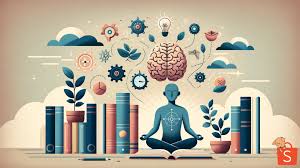
Your Mental Health Journey Starts Today
You don’t need to wait for the perfect moment or have everything figured out. Your mental health journey begins right now, with whatever small step feels manageable. Maybe it’s taking five deep breaths, writing one journal entry, or simply acknowledging that you deserve care and attention.
Remember that progress isn’t linear. Some days will feel easier than others, and that’s completely normal. What matters is your commitment to showing up for yourself, even imperfectly. Every effort counts, every moment of awareness matters, and every act of self-compassion strengthens your foundation.
Your mental health is worth investing in. You’re worth investing in. The relationship you have with yourself sets the tone for every other relationship and experience in your life. By prioritizing your mental wellness, you’re not just helping yourself—you’re becoming better equipped to show up fully for others and contribute positively to the world.
Start where you are, use what you have, do what you can. Your future self will thank you for the care and attention you’re giving yourself today. This isn’t about perfection; it’s about progress, compassion, and the courage to keep growing, one day at a time. 💙

Toni Santos is a visionary artisan and conceptual designer who channels the beauty of living organisms into structural expression. At Zureste, Toni explores the intricate elegance of insect anatomy, organic flow, and bioinspired design to create art that feels both natural and otherworldly.
Each creation Toni brings to life reflects a harmonic tension between structure and softness, wildness and control — echoing the complex intelligence found in the natural world. From beetle-like silhouettes to root-shaped contours, his work blurs the lines between biology, sculpture, and modern art.
Guided by fascination for metamorphosis, evolution, and pattern in nature, Toni’s pieces embody transformation. His BioLight Collection and conceptual series like Insect Type and Structure Aesthetics offer viewers more than aesthetic value — they present immersive experiences of living design.
As the creative force behind Zureste, Toni invites us to rethink beauty, architecture, and identity through a new lens — one shaped by wings, bones, spirals, and the microscopic poetry of the organic.
His creations reflect:
-
Design deeply rooted in the geometry of life
-
Inspiration from insects, roots, and the unseen natural order
-
A blend of science, spirituality, and visual storytelling
Whether you’re a lover of strange beauty, an admirer of evolution’s artistry, or a creative mind seeking something different, Toni welcomes you into a world where living forms become meaning, and surreal becomes sublime.