
Anúncios
Imagine having the power to detect hidden metals anywhere you go, right in your pocket. That’s the magic of modern mobile metal detector apps.


Technology has transformed our smartphones into multifunctional tools that go far beyond calls and messages. Today, these devices can serve as compasses, levels, measuring tapes, and yes, even metal detectors. What once required specialized, expensive equipment now fits comfortably in your hand, ready to use at a moment’s notice.
Anúncios
Metal detector apps leverage the built-in magnetometer sensors found in most modern smartphones. These sensors, originally designed to support compass functionality, can detect magnetic field variations caused by ferrous metals nearby. While they may not replace professional-grade detectors for serious treasure hunting, they offer remarkable convenience for everyday situations and casual exploration. 🔍
How Mobile Metal Detectors Actually Work
The science behind smartphone metal detectors is surprisingly straightforward yet fascinating. Every modern smartphone contains a magnetometer chip that measures the Earth’s magnetic field to determine direction. When metal objects enter this field, they create disturbances that the sensor can detect and measure.
Anúncios
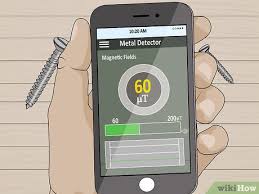
The app translates these magnetic field readings into user-friendly displays, often showing numerical values in microteslas (µT) or presenting visual indicators like gauges and graphs. As you move your phone closer to metal objects, the readings increase, helping you pinpoint their location. The sensitivity varies depending on your device’s hardware quality and the app’s calibration algorithms.
Different metals produce varying levels of magnetic response. Ferrous metals like iron and steel create strong signals, while non-ferrous metals such as aluminum or copper produce weaker or no detectable magnetic signatures. This limitation means you won’t find gold or silver using these apps, but they excel at locating iron-based objects like nails, screws, pipes, and electrical wiring hidden behind walls.
Practical Everyday Uses You Haven’t Considered
The convenience of having a metal detector in your pocket opens up numerous practical applications in daily life. Home improvement enthusiasts find these apps invaluable for avoiding costly mistakes when hanging pictures or shelves.
Before drilling into walls, a quick scan can reveal hidden nails, screws, or metal studs. This simple precaution prevents damaged drill bits, protects electrical wiring, and ensures your mounting hardware finds solid support. Plumbers and electricians working in unfamiliar buildings use these apps to trace metal pipes and conduits without invasive investigation.
Lost items become easier to recover when they contain metal components. Dropped keys in tall grass, earrings that slipped between couch cushions, or small tools that rolled under workbenches all become findable with a systematic sweep of your phone. The real-time feedback helps narrow down search areas quickly and efficiently.
Home Renovation and DIY Projects
Renovating older homes often means working with uncertain wall compositions and hidden infrastructure. Metal detector apps help identify the safest drilling locations by mapping out studs, nails, and other metal elements behind drywall or plaster. This capability proves especially valuable when installing heavy fixtures like televisions, cabinets, or bathroom accessories that require secure anchoring.
Outdoor projects benefit equally from mobile detection capabilities. Installing fences, digging garden beds, or setting up irrigation systems all carry risks of striking buried metal objects or utility lines. A preliminary scan provides helpful information before breaking ground, potentially preventing damage to underground cables or water pipes.
The Treasure Hunting Appeal and Outdoor Adventures
While smartphone metal detectors lack the power and discrimination abilities of professional equipment, they’ve introduced countless people to the exciting hobby of treasure hunting. Beaches, parks, and historical sites become potential discovery zones where everyday walks transform into mini expeditions. 🏖️
The accessibility factor cannot be overstated. Traditional metal detectors require significant investment, often costing hundreds or thousands of dollars. They’re also bulky and conspicuous. A smartphone app costs nothing or just a few dollars, requires no additional equipment to carry, and lets you detect metals discreetly without drawing attention.
Families enjoy using these apps together during outdoor activities, teaching children about magnetism and electronics while searching for interesting metal objects. The gamification elements many apps include, such as achievement systems and discovery logs, add an entertaining layer to nature walks and camping trips.

Educational Value for Young Minds
Metal detector apps serve as excellent educational tools for introducing scientific concepts to children and students. They provide hands-on demonstrations of magnetism, physics principles, and sensor technology in engaging, interactive ways that textbooks cannot match.
Science teachers incorporate these apps into lessons about Earth’s magnetic field, electromagnetic properties of materials, and practical applications of smartphone technology. Students gain appreciation for how everyday devices contain sophisticated sensors capable of measuring invisible forces in their environment.
Choosing the Right Metal Detector App
The app marketplace offers numerous metal detector options, each with different features, interfaces, and capabilities. The best choice depends on your specific needs and device compatibility. Key factors to consider include sensitivity adjustments, calibration options, visual display preferences, and additional features like sound alerts or measurement logging.
Free apps typically provide basic functionality sufficient for occasional use and simple detection tasks. Premium versions often include enhanced sensitivity algorithms, customizable interfaces, historical data tracking, and ad-free experiences. Reading user reviews helps identify which apps work reliably with your specific phone model, as sensor quality varies significantly between manufacturers.
Interface design matters more than many users initially realize. Clear, intuitive displays that present information at a glance make detection faster and more enjoyable. Look for apps offering multiple visualization modes like numerical readouts, needle gauges, and graphical representations so you can choose the format that works best for your eyes and preferences.
Understanding the Limitations and Realistic Expectations
Honesty about capabilities prevents disappointment and helps users make informed decisions. Smartphone metal detectors cannot match dedicated detecting equipment in sensitivity, depth penetration, or metal discrimination. They typically detect objects only within a few inches of the phone’s sensor location.
Environmental interference affects readings significantly. Electronic devices, power lines, and even building structures containing steel reinforcement create background magnetic noise that can mask smaller metal objects. Learning to interpret readings in different environments improves accuracy and reduces false positives.
Device orientation matters critically for accurate detection. The magnetometer sensor location varies by phone model, often positioned near the camera module or speaker. Holding the phone at incorrect angles or too far from suspected metal objects produces weak or inconsistent readings. Most effective use requires slow, methodical sweeping movements parallel to surfaces being scanned.
Battery Consumption Considerations
Running metal detector apps continuously drains battery life faster than typical phone use. The constant sensor polling, screen activation, and processing required for real-time magnetic field monitoring consume significant power. For extended detection sessions, having a portable charger or fresh battery ensures your phone remains functional when you need it most.
Some apps include power-saving features like adjustable refresh rates or screen dimming options that extend operating time without completely sacrificing functionality. Balancing performance with battery preservation becomes essential for serious hobbyists who spend hours scanning locations.
Comparing Digital Detection to Traditional Equipment
Professional treasure hunters and serious metal detecting enthusiasts know that smartphone apps serve different purposes than specialized detectors. Traditional equipment offers superior depth penetration, often detecting objects buried several feet underground. They provide discrimination features that distinguish between different metal types, preventing wasted effort digging up worthless items. ⚡
However, dedicated detectors require substantial financial investment, regular maintenance, and considerable storage space. They’re single-purpose tools that serve no other function. Smartphones combine detection capabilities with countless other utilities, making them infinitely more versatile for everyday carrying.
The ideal approach for enthusiasts involves using both tools strategically. Smartphone apps excel for quick checks, preliminary scans, and situations where carrying bulky equipment proves impractical. Professional detectors come out for dedicated treasure hunting sessions, historical research projects, and locations where deep detection capabilities provide significant advantages.
Privacy and Safety Considerations
Using metal detector apps responsibly means respecting private property and following local regulations. Not all locations welcome treasure hunting or metal detecting activities. Parks, beaches, and public lands often have specific rules about removing objects, digging, and disturbing natural features.
Always obtain permission before detecting on private property. What seems like harmless fun to you might constitute trespassing or theft to property owners. Historical sites and protected archaeological areas typically prohibit metal detecting entirely to preserve cultural resources for professional study.
Safety concerns include awareness of your surroundings while focused on your phone screen. Detecting in remote areas, near water, or in unfamiliar locations requires vigilance about potential hazards beyond what your app displays. Travel with companions when exploring isolated spots, and inform someone of your plans and expected return time.
The Future of Mobile Detection Technology
Smartphone sensor technology continues advancing rapidly. Each new phone generation typically includes improved magnetometer chips with enhanced sensitivity and accuracy. Future devices may incorporate additional sensor types that expand detection capabilities beyond current magnetic field limitations.
Artificial intelligence integration promises smarter interpretation of sensor data. Machine learning algorithms could distinguish between different metal compositions based on magnetic signature patterns, bringing discrimination features currently exclusive to professional equipment into smartphone apps. Enhanced algorithms might also filter environmental interference more effectively, improving detection in challenging locations.
Augmented reality features represent another exciting frontier. Imagine pointing your phone’s camera at a wall and seeing virtual overlays indicating exact positions of hidden studs, pipes, and wiring. This technology would revolutionize home improvement projects and professional trades requiring infrastructure mapping. 🚀
Maximizing Your Detection Success Rate
Effective smartphone metal detection requires technique development and understanding your specific device’s capabilities. Start by calibrating the app away from metal objects to establish baseline readings. This initial step ensures accurate measurements by accounting for ambient magnetic fields in your environment.
Move slowly and methodically when scanning. Rushed sweeps miss subtle magnetic variations that indicate smaller objects. Keep the phone at consistent distances from surfaces being examined, as depth changes create reading fluctuations unrelated to metal presence. Most experienced users find that holding the device 1-2 inches from walls or ground surfaces produces optimal results.
Practice distinguishes random magnetic anomalies from genuine metal object signatures. Experiment with known metal items at various distances and orientations. This hands-on experience builds intuition for interpreting your specific app’s display patterns and response characteristics.
Recording and Mapping Your Findings
Serious hobbyists benefit from documenting discoveries and detection locations. Many apps include built-in logging features, but even simple notes with timestamps and location descriptions help track productive search areas. GPS integration in some applications automatically records discovery coordinates for future reference.
Photography adds valuable context to your detection records. Pictures of interesting finds, unusual reading patterns, or promising locations create visual references that written notes alone cannot capture. Building this personal database over time reveals patterns about where different metal types commonly appear in your local area.
Community and Social Aspects of Mobile Detection
Online communities dedicated to metal detecting have embraced smartphone apps as entry points for newcomers. Forums, social media groups, and dedicated websites provide platforms where users share discoveries, ask questions, exchange tips, and discuss app features. This collective knowledge accelerates learning curves and keeps the hobby engaging through shared experiences.
Local meetups organized around metal detecting bring together people with common interests. These gatherings often welcome participants using smartphone apps alongside those with professional equipment, creating inclusive environments focused on shared enthusiasm rather than gear snobbery. Experienced detectorists frequently mentor beginners, offering guidance that supplements what apps and online resources provide.
Competition events and challenges add structured excitement to detection activities. Some communities organize timed hunts where participants search designated areas for planted objects, with categories for different equipment types ensuring fair competition between smartphone and traditional detector users. These friendly contests build skills while fostering camaraderie among participants. 🏆
Embracing Convenience Without Compromise
The true value of smartphone metal detector apps lies not in replacing specialized equipment but in democratizing access to detection technology. They eliminate barriers of cost, complexity, and inconvenience that prevent many people from exploring this fascinating capability. Having detection functionality always available in your pocket creates spontaneous opportunities for discovery and problem-solving.
Whether you’re hanging artwork, searching for lost jewelry, introducing children to scientific concepts, or simply satisfying curiosity about what lies beneath surfaces, these apps deliver genuine utility. They transform ordinary smartphones into versatile tools that enhance both practical tasks and recreational activities without requiring additional devices or extensive technical knowledge.
The convenience factor cannot be overstated in our busy, mobile lives. Traditional metal detectors remain stored at home, unavailable during unexpected moments when detection capabilities would prove useful. Your smartphone accompanies you everywhere, ready to reveal hidden metals whenever the need or desire arises. This constant availability fundamentally changes how we interact with our environments and approach problem-solving in countless small but meaningful ways.
As technology continues evolving, the gap between professional detection equipment and smartphone capabilities will narrow further. Today’s apps already provide remarkable functionality considering they leverage sensors designed primarily for navigation. Tomorrow’s advancements promise even more impressive capabilities, making mobile metal detection increasingly powerful, accessible, and integrated into our digital lives. The future of detection technology truly rests in the palm of your hand. ✨

Toni Santos is a visionary artisan and conceptual designer who channels the beauty of living organisms into structural expression. At Zureste, Toni explores the intricate elegance of insect anatomy, organic flow, and bioinspired design to create art that feels both natural and otherworldly.
Each creation Toni brings to life reflects a harmonic tension between structure and softness, wildness and control — echoing the complex intelligence found in the natural world. From beetle-like silhouettes to root-shaped contours, his work blurs the lines between biology, sculpture, and modern art.
Guided by fascination for metamorphosis, evolution, and pattern in nature, Toni’s pieces embody transformation. His BioLight Collection and conceptual series like Insect Type and Structure Aesthetics offer viewers more than aesthetic value — they present immersive experiences of living design.
As the creative force behind Zureste, Toni invites us to rethink beauty, architecture, and identity through a new lens — one shaped by wings, bones, spirals, and the microscopic poetry of the organic.
His creations reflect:
-
Design deeply rooted in the geometry of life
-
Inspiration from insects, roots, and the unseen natural order
-
A blend of science, spirituality, and visual storytelling
Whether you’re a lover of strange beauty, an admirer of evolution’s artistry, or a creative mind seeking something different, Toni welcomes you into a world where living forms become meaning, and surreal becomes sublime.