
Anúncios
Joint pain, especially in the elbows, can significantly impact your daily activities and quality of life. Fortunately, nature offers powerful herbal teas that may help reduce inflammation and discomfort naturally.


Elbow pain affects millions of people worldwide, whether from repetitive strain, arthritis, or inflammation. While conventional treatments have their place, herbal remedies have been used for centuries to support joint health and mobility. These natural options work by targeting inflammation at its source, promoting circulation, and providing essential nutrients that nourish joint tissues.
Anúncios
The beauty of herbal teas lies in their accessibility and gentle approach to wellness. Unlike harsh medications that may cause side effects, properly prepared teas offer a soothing ritual that benefits both body and mind. Let’s explore the most effective herbal teas for joint and elbow pain relief, along with practical guidance on preparation and usage. ☕
Understanding Joint Pain and Inflammation in Elbows
Elbow pain commonly stems from conditions like tennis elbow, golfer’s elbow, bursitis, or arthritis. These conditions share a common thread: inflammation. When tissues around the joint become inflamed, they produce pain signals, stiffness, and reduced mobility. Chronic inflammation can also damage cartilage over time, leading to more serious complications.
Anúncios
The elbow joint is particularly vulnerable because of its constant use in daily activities. From typing and cooking to lifting and sports, we rely heavily on these joints. Understanding the root causes of your discomfort helps you choose the most appropriate herbal remedies for your specific situation.
Turmeric Tea: The Golden Anti-Inflammatory 🌟
Turmeric stands as one of the most researched herbs for joint health. Its active compound, curcumin, possesses powerful anti-inflammatory and antioxidant properties. Studies have shown that curcumin can inhibit inflammatory pathways similar to some pharmaceutical drugs, but without the associated side effects.
To prepare effective turmeric tea, use fresh turmeric root or high-quality powder. Boil water and add one teaspoon of turmeric powder or one inch of grated fresh turmeric. Simmer for 10 minutes, then add a pinch of black pepper, which enhances curcumin absorption by up to 2000%. You can sweeten with honey and add ginger for additional benefits.
For optimal results, consume turmeric tea twice daily, preferably with meals containing healthy fats. The combination improves bioavailability and ensures maximum anti-inflammatory benefits. Many people report noticeable improvement in joint pain within two to three weeks of regular consumption.
Ginger Tea: The Warming Pain Reliever
Ginger has been valued in traditional medicine for millennia, particularly for its ability to reduce inflammation and pain. This knobby root contains gingerols and shogaols, compounds that block inflammatory substances in the body. Research indicates that ginger may be as effective as ibuprofen for certain types of joint pain.
Fresh ginger tea is simple to prepare and highly effective. Slice a two-inch piece of fresh ginger root and steep it in boiling water for 15-20 minutes. The longer steeping time extracts more beneficial compounds. You can drink this tea three times daily, adding lemon juice for vitamin C and enhanced flavor.
Ginger also improves circulation, which helps deliver nutrients to damaged joint tissues while removing inflammatory waste products. This dual action makes it particularly valuable for chronic elbow pain conditions.
Green Tea: Antioxidant Powerhouse for Joint Protection 🍵
Green tea contains polyphenols, especially epigallocatechin gallate (EGCG), which have demonstrated remarkable anti-inflammatory effects. These compounds protect cartilage from breakdown and may slow the progression of arthritis. Green tea also supports overall health, making it an excellent daily beverage choice.
For joint health benefits, brew green tea at 175°F (80°C) for 2-3 minutes. Overheating destroys beneficial compounds, so temperature control matters. Consume 2-3 cups daily for optimal effects. Japanese matcha provides even higher concentrations of beneficial compounds since you consume the entire leaf.

Willow Bark Tea: Nature’s Aspirin
Willow bark contains salicin, which the body converts into salicylic acid—the same active ingredient found in aspirin. This natural pain reliever has been used since ancient times to treat various inflammatory conditions, including joint pain. Unlike synthetic aspirin, willow bark provides gentler effects with fewer gastrointestinal side effects.
To prepare willow bark tea, simmer one to two teaspoons of dried bark in two cups of water for 10-15 minutes. Strain and drink up to three cups daily. The taste is quite bitter, so adding honey or stevia makes it more palatable. Never give willow bark to children or anyone allergic to aspirin.
Results typically appear within several days of regular use. Willow bark works best for acute pain flare-ups rather than long-term prevention. Combine it with other anti-inflammatory teas for comprehensive joint support.
Nettle Tea: Nutrient-Rich Joint Nourisher 🌿
Stinging nettle is often overlooked despite its impressive nutritional profile and anti-inflammatory properties. This herb contains vitamins A, C, and K, along with minerals like calcium, magnesium, and iron—all essential for healthy joints and connective tissues. Nettle also reduces inflammatory cytokines that contribute to joint pain.
Steep two teaspoons of dried nettle leaves in hot water for 10 minutes. The resulting tea has a mild, slightly earthy flavor. Drink 2-3 cups daily for best results. Nettle works particularly well when combined with other herbs like peppermint or lemon balm for improved taste.
Long-term nettle consumption supports overall joint health by providing building blocks for cartilage repair and reducing systemic inflammation. Many herbalists recommend nettle as a foundational herb for chronic joint conditions.
Boswellia Tea: The Ancient Joint Remedy
Boswellia, also known as frankincense, has been used in Ayurvedic medicine for thousands of years. Its active compounds, boswellic acids, inhibit enzymes that cause inflammation. Clinical studies show that boswellia can significantly reduce pain and improve function in people with osteoarthritis.
Boswellia resin can be prepared as tea by simmering small pieces in water for 15-20 minutes, though powdered forms dissolve more easily. The flavor is resinous and slightly bitter. Consume twice daily, ideally between meals for maximum absorption. Results typically become noticeable after 4-6 weeks of consistent use.
Devil’s Claw Tea: The African Pain Solution 💪
Devil’s claw, native to southern Africa, has gained recognition as a powerful natural anti-inflammatory. Research supports its effectiveness for various types of arthritis and joint pain. The plant contains iridoid glycosides that reduce inflammation and pain perception.
Prepare devil’s claw tea by steeping one teaspoon of dried root in hot water for 10-15 minutes. The taste is quite bitter, so most people add honey or blend it with more pleasant-tasting herbs. Take 2-3 cups daily for several weeks to experience full benefits.
Important note: Devil’s claw should not be used by pregnant women or people with gallstones, stomach ulcers, or diabetes without medical supervision. Always consult healthcare providers before starting new herbal protocols.
Rosehip Tea: Vitamin C for Collagen Support 🌹
Rosehips, the fruit of rose plants, contain exceptionally high levels of vitamin C and antioxidants. Vitamin C is crucial for collagen synthesis, which forms the structural framework of cartilage, tendons, and ligaments. Regular rosehip consumption supports tissue repair and reduces inflammation.
Steep one tablespoon of dried rosehips in boiling water for 10-15 minutes. The resulting tea has a pleasant, slightly tart flavor. Drink 2-3 cups daily. Rosehip tea combines beautifully with hibiscus for enhanced antioxidant benefits and improved taste.
Clinical trials have demonstrated that rosehip powder can reduce pain and stiffness in people with osteoarthritis. The tea form, while less concentrated, still provides significant benefits when consumed regularly over time.
Celery Seed Tea: The Overlooked Joint Supporter
Celery seeds contain powerful anti-inflammatory compounds including apigenin and luteolin. These flavonoids reduce inflammatory markers and may help prevent cartilage damage. Celery seed also acts as a mild diuretic, helping to flush uric acid from joints—beneficial for those with gout-related elbow pain.
Crush one teaspoon of celery seeds slightly before steeping in hot water for 10 minutes. This releases more beneficial oils. Drink 1-2 cups daily. The flavor is distinctive and slightly bitter, reminiscent of celery itself. Combining with lemon or peppermint improves palatability.
Creating Powerful Herbal Blends for Maximum Benefit ✨
While individual herbs offer specific benefits, combining them creates synergistic effects that amplify results. A balanced blend addresses inflammation, pain, circulation, and tissue repair simultaneously. Here’s a powerful combination for elbow and joint pain:
- 2 parts turmeric (anti-inflammatory base)
- 2 parts ginger (warming circulation booster)
- 1 part nettle (nutritional support)
- 1 part rosehip (vitamin C for repair)
- 1 part peppermint (flavor and digestive support)
Mix these dried herbs and store in an airtight container. Use two teaspoons per cup of water, steeping for 10-15 minutes. Add black pepper, honey, and lemon to taste. Drink 2-3 cups daily for comprehensive joint support.
Proper Preparation Methods for Maximum Potency
The effectiveness of herbal teas depends significantly on preparation methods. Delicate leaves and flowers require gentle steeping at lower temperatures (around 175-185°F) for 5-10 minutes. Roots, barks, and seeds need longer extraction times and higher heat—often simmering for 15-20 minutes.
Always use filtered or spring water when possible, as chlorine and other chemicals can interfere with herbal compounds. Cover your tea while steeping to prevent volatile oils from escaping. These oils often contain therapeutic compounds essential for pain relief.
For chronic conditions, consistency matters more than intensity. Regular daily consumption of moderate amounts proves more effective than occasional large doses. Think of herbal therapy as nutritional support rather than pharmaceutical intervention.
Lifestyle Practices to Enhance Tea Benefits 🧘
Herbal teas work best as part of a holistic approach to joint health. Gentle stretching and strengthening exercises maintain mobility and prevent stiffness. Even simple elbow rotations and wrist flexions performed daily make significant differences.
Anti-inflammatory nutrition amplifies herbal benefits. Focus on omega-3 fatty acids from fish or flaxseed, colorful vegetables rich in antioxidants, and adequate protein for tissue repair. Avoid inflammatory triggers like excessive sugar, processed foods, and trans fats.
Quality sleep allows your body to repair damaged tissues. Aim for 7-9 hours nightly. Stress management through meditation, deep breathing, or gentle yoga reduces inflammatory stress hormones that worsen joint pain.
When to Seek Professional Medical Advice
While herbal teas offer substantial benefits, certain situations require professional medical evaluation. Seek immediate attention if elbow pain follows injury, involves severe swelling or deformity, or comes with fever. Progressive weakness, numbness, or inability to move the joint also warrant urgent assessment.
Persistent pain lasting more than two weeks despite home remedies deserves medical evaluation. Early intervention prevents minor issues from becoming chronic problems. Your healthcare provider can order imaging studies or blood tests to identify underlying conditions requiring specific treatment.
Always inform your doctor about herbal remedies you’re using, especially if taking medications. Some herbs interact with blood thinners, diabetes medications, or blood pressure drugs. Professional guidance ensures safe, effective integration of natural and conventional treatments.
Tracking Your Progress and Adjusting Your Protocol 📊
Keep a simple journal documenting your pain levels, mobility, and which teas you consume. Rate pain on a scale of 1-10 daily, noting activities that trigger or relieve symptoms. This data helps identify which remedies work best for your specific situation.
Give each herbal protocol at least 4-6 weeks before judging effectiveness. Unlike pharmaceutical drugs, herbs work gradually by addressing root causes rather than simply masking symptoms. Patience and consistency yield the best results.
If one approach isn’t working, adjust your blend or try different herbs. Individual responses vary based on genetics, lifestyle, and specific underlying conditions. What works excellently for one person might be less effective for another. Experimentation guided by observation leads to personalized solutions.
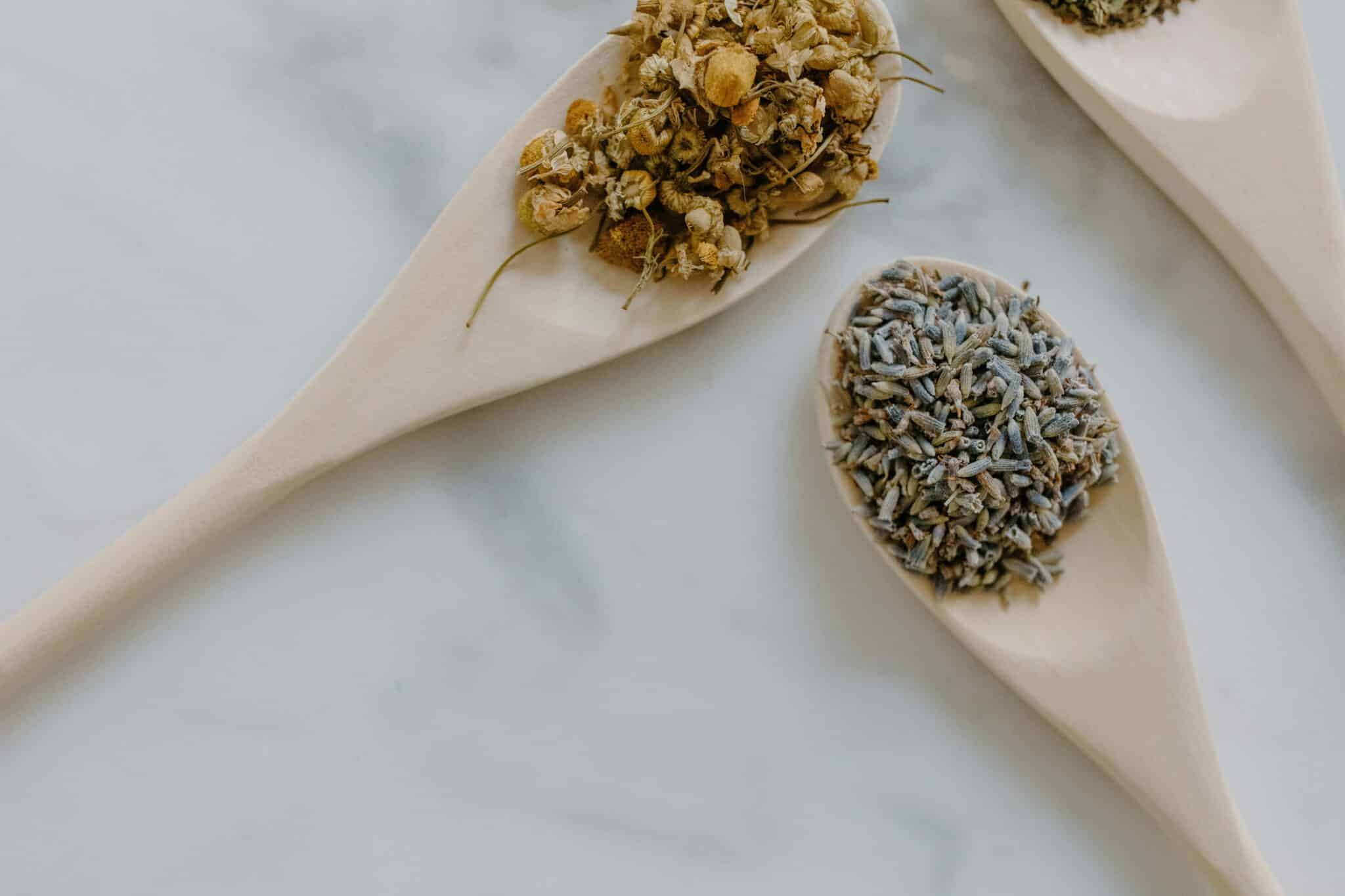
Making Herbal Tea Therapy a Sustainable Habit ☕
Success with herbal remedies requires building sustainable habits. Prepare tea in advance by making larger batches that can be refrigerated and gently reheated. Many people find morning and evening tea rituals help establish consistency.
Invest in quality herbs from reputable sources. While more expensive initially, potent herbs require smaller amounts and deliver better results. Organic options minimize pesticide exposure, important when consuming plants regularly.
Connect with others using herbal remedies for joint health. Online communities, local herbalism groups, or wellness centers provide support, recipe ideas, and motivation. Sharing experiences helps you stay committed to your natural healing journey.
Joint pain doesn’t have to control your life. These powerful herbal teas offer natural, accessible solutions that address inflammation at its source while supporting overall health. By incorporating these remedies into your daily routine alongside healthy lifestyle practices, you can reduce discomfort, improve mobility, and enhance your quality of life. Remember that healing takes time—be patient with your body as it responds to these gentle yet effective natural therapies. Your joints deserve the nourishing support that only nature can provide. 🌿

Toni Santos is a visionary artisan and conceptual designer who channels the beauty of living organisms into structural expression. At Zureste, Toni explores the intricate elegance of insect anatomy, organic flow, and bioinspired design to create art that feels both natural and otherworldly.
Each creation Toni brings to life reflects a harmonic tension between structure and softness, wildness and control — echoing the complex intelligence found in the natural world. From beetle-like silhouettes to root-shaped contours, his work blurs the lines between biology, sculpture, and modern art.
Guided by fascination for metamorphosis, evolution, and pattern in nature, Toni’s pieces embody transformation. His BioLight Collection and conceptual series like Insect Type and Structure Aesthetics offer viewers more than aesthetic value — they present immersive experiences of living design.
As the creative force behind Zureste, Toni invites us to rethink beauty, architecture, and identity through a new lens — one shaped by wings, bones, spirals, and the microscopic poetry of the organic.
His creations reflect:
-
Design deeply rooted in the geometry of life
-
Inspiration from insects, roots, and the unseen natural order
-
A blend of science, spirituality, and visual storytelling
Whether you’re a lover of strange beauty, an admirer of evolution’s artistry, or a creative mind seeking something different, Toni welcomes you into a world where living forms become meaning, and surreal becomes sublime.