
Anúncios
Transform your living and working spaces into stunning environments that reflect your personality while maintaining functionality and aesthetic appeal through thoughtful interior design choices.


Creating a beautiful interior doesn’t require an unlimited budget or professional expertise. With the right approach and understanding of fundamental design principles, anyone can transform ordinary spaces into extraordinary sanctuaries. Whether you’re decorating a cozy apartment, a spacious family home, or a professional office, the key lies in balancing visual appeal with practical functionality.
Anúncios
The journey toward stylish interiors begins with understanding your personal aesthetic preferences and how different elements work together harmoniously. From color palettes and furniture placement to lighting and accessories, every decision contributes to the overall ambiance and character of your space. Let’s explore comprehensive strategies that will empower you to design environments that truly feel like home. 🏡
Understanding Your Space and Defining Your Style
Before purchasing a single item or painting a wall, take time to thoroughly assess your space. Measure rooms accurately, note natural light sources, identify architectural features, and consider traffic flow patterns. This foundational step prevents costly mistakes and ensures your design choices complement the physical characteristics of your environment.
Anúncios
Your personal style should guide every decorating decision. Are you drawn to minimalist Scandinavian aesthetics with clean lines and neutral tones? Perhaps you prefer the warmth of rustic farmhouse charm or the sophistication of modern industrial design. Browse interior design magazines, create Pinterest boards, and visit showrooms to identify patterns in what appeals to you. This clarity will streamline your decision-making process tremendously.
Creating a Cohesive Color Palette 🎨
Color psychology plays a powerful role in how we experience spaces. Cool tones like blues and greens promote calmness and focus, making them ideal for bedrooms and home offices. Warm hues such as terracotta, golden yellows, and soft corals create inviting, energetic atmospheres perfect for living rooms and dining areas.
Start with a neutral base for walls and larger furniture pieces, then layer in accent colors through accessories, artwork, and textiles. The 60-30-10 rule offers excellent guidance: use your dominant color for 60% of the room, a secondary color for 30%, and an accent color for the remaining 10%. This proportion creates visual balance while allowing personality to shine through.
Strategic Furniture Selection and Placement
Furniture serves as the backbone of any interior design scheme. Prioritize quality over quantity, investing in timeless pieces that will serve you for years. A well-constructed sofa, solid dining table, or ergonomic office chair may cost more initially but provides better value than frequently replacing inferior items.
Scale and proportion matter enormously. Oversized furniture overwhelms small rooms, while tiny pieces get lost in expansive spaces. Measure carefully and, when possible, use painter’s tape to outline furniture dimensions on your floor before purchasing. This visualization technique prevents scale disasters and helps optimize room layouts.
Maximizing Functionality Without Sacrificing Style
Modern living demands furniture that works as hard as it looks good. Ottoman storage benches, extendable dining tables, and sofa beds offer flexibility for evolving needs. In home offices, invest in adjustable desks and ergonomic seating that support productivity while maintaining aesthetic appeal.
Arrange furniture to facilitate conversation and movement. In living rooms, create intimate seating arrangements where people can comfortably interact without shouting across vast distances. Ensure clear pathways with at least 30 inches of walking space. Consider focal points like fireplaces, windows with views, or entertainment centers when positioning major pieces.
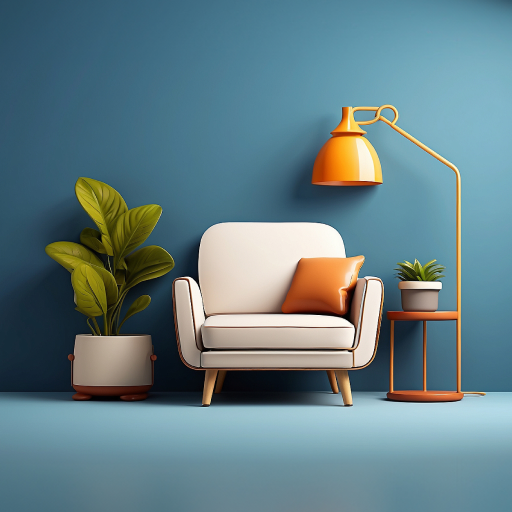
Lighting: The Often Overlooked Game-Changer ✨
Lighting dramatically affects how we perceive colors, textures, and spatial dimensions. A well-lit room feels welcoming and functional, while poor lighting creates shadows, distorts colors, and diminishes even the most thoughtful design efforts.
Layer three types of lighting for optimal results: ambient lighting provides overall illumination through ceiling fixtures or recessed lights; task lighting offers focused brightness for specific activities like reading or cooking; accent lighting highlights architectural features, artwork, or plants, adding depth and drama.
Natural Light Optimization
Maximize natural light whenever possible. Replace heavy curtains with sheer fabrics that filter light while maintaining privacy. Position mirrors opposite windows to reflect sunlight deeper into rooms. Light-colored walls and reflective surfaces amplify available daylight, reducing dependence on artificial sources during daytime hours.
For rooms with limited natural light, choose warm-toned bulbs that mimic sunlight’s welcoming glow. Avoid harsh overhead lighting as your sole source; instead, combine multiple lamps at varying heights to create inviting, shadow-free environments.
Textiles and Textures: Adding Depth and Comfort
Textiles soften hard surfaces and introduce warmth, comfort, and personality. Layer different textures for visual interest: pair smooth leather with nubby linen, silk pillows with chunky knit throws, or sleek metal accents with natural jute rugs. This textural diversity prevents spaces from feeling flat or one-dimensional.
Area rugs define zones within open-concept spaces, anchor furniture groupings, and provide acoustic benefits by absorbing sound. Choose rugs large enough that furniture legs rest comfortably on them—undersized rugs make rooms appear smaller and disjointed.
Window Treatments That Work
Window treatments serve functional and aesthetic purposes. Consider light control needs, privacy requirements, and energy efficiency alongside style preferences. Floor-length curtains hung close to the ceiling create the illusion of taller windows and loftier ceilings, a valuable trick in standard-height rooms.
Roman shades offer clean, tailored looks ideal for modern and transitional spaces. Plantation shutters provide timeless elegance with excellent light control. Sheer curtains layered with blackout panels deliver maximum versatility for bedrooms requiring complete darkness for sleep.
Wall Treatments Beyond Basic Paint 🖼️
While fresh paint transforms spaces affordably, alternative wall treatments add character and distinction. Textured wallpapers introduce pattern without overwhelming rooms. Shiplap, board and batten, or wainscoting panels create architectural interest in otherwise plain spaces.
Gallery walls showcase personal collections, family photos, or curated artwork. Plan arrangements on the floor before hammering nails, maintaining consistent spacing between frames. Mix frame styles and sizes for eclectic charm, or keep everything uniform for minimalist sophistication.
Statement Walls and Accent Features
Accent walls draw attention and create focal points without committing entire rooms to bold colors or patterns. Choose the wall you notice first when entering—typically the one behind a bed, sofa, or dining table. Limit statement walls to one per room to avoid visual competition.
Exposed brick, reclaimed wood panels, or stone veneer add organic texture and warmth. These materials work particularly well in industrial, farmhouse, and rustic design schemes, grounding spaces with natural authenticity.
Smart Storage Solutions That Disappear
Clutter undermines even the most beautiful design schemes. Incorporate storage into your initial planning rather than treating it as an afterthought. Built-in shelving, window seats with hidden compartments, and beds with under-mattress drawers maximize usable space while maintaining clean lines.
Vertical storage capitalizes on often-wasted wall space. Floor-to-ceiling bookcases, wall-mounted cabinets, and floating shelves keep floors clear while displaying books, plants, and decorative objects. In small spaces, every square inch counts—look upward for opportunities.
Decluttering for Visual Calm
Before organizing, ruthlessly declutter. Keep only items you use regularly or genuinely love. Donate, sell, or discard everything else. Less truly is more when creating serene, sophisticated interiors where each object has purpose and breathing room.
Use matching containers, baskets, and boxes to corral small items within drawers and on shelves. This creates visual uniformity even when storage areas remain visible. Label containers for easy identification and maintenance of organizational systems.
Bringing Nature Indoors with Greenery 🌿
Plants purify air, add vibrant color, and create connections with nature that enhance wellbeing. Even self-proclaimed “black thumbs” can succeed with low-maintenance options like pothos, snake plants, or ZZ plants that tolerate neglect and varying light conditions.
Vary plant heights and pot styles for dynamic displays. Tall floor plants like fiddle leaf figs anchor corners, while trailing varieties soften shelf edges. Group plants in odd numbers—three or five—for aesthetically pleasing arrangements that feel intentional rather than random.
Office Spaces That Inspire Productivity 💼
Home offices require careful planning to balance professionalism with personal comfort. Position desks near windows for natural light and views that provide mental breaks. Ensure adequate task lighting to reduce eye strain during long work sessions.
Separate work zones from living areas whenever possible, even in studio apartments. Use room dividers, bookcases, or strategically placed furniture to create psychological boundaries between professional and personal spaces. This separation improves focus during work hours and helps you mentally disconnect afterward.
Ergonomics Meet Aesthetics
Invest in proper ergonomic furniture that supports health without compromising style. Adjustable chairs with lumbar support, monitor stands at eye level, and keyboards at elbow height prevent discomfort and long-term injuries. Many contemporary ergonomic pieces feature sleek designs that blend seamlessly with stylish interiors.
Organize supplies within arm’s reach to minimize disruptions. Use drawer organizers, desktop filing systems, and cable management solutions to maintain tidy workspaces that promote concentration and efficiency.
Personalizing Spaces with Meaningful Accessories
Accessories infuse personality and tell your unique story. Display travel souvenirs, family heirlooms, handmade ceramics, or collections that spark joy. These personal touches differentiate your space from generic showrooms, creating environments that feel authentically yours.
Follow the rule of three when styling surfaces: group items in odd numbers at varying heights for visual interest. Include a mix of objects with different shapes, textures, and purposes—perhaps a vase, candle, and small sculpture—rather than identical items in a row.
Art That Speaks to You 🎭
Artwork doesn’t require gallery provenance or hefty price tags to make impact. Frame beautiful fabric, vintage maps, botanical prints, or children’s artwork. Visit local art fairs, support emerging artists, or create your own abstract pieces using techniques readily learned online.
Hang art at eye level—typically 57-60 inches from floor to center—for optimal viewing. In spaces with tall ceilings, adjust slightly higher. Consider scale carefully; small pieces get lost on expansive walls, while oversized art overwhelms cozy rooms.
Seasonal Updates That Refresh Without Renovating
Keep interiors feeling fresh by incorporating subtle seasonal changes. Swap throw pillows, blankets, and accessories to reflect changing seasons without major investments. Light linens and bright colors enliven spaces for spring and summer, while rich textures and deeper tones create cozy autumn and winter atmospheres.
Rotate artwork, rearrange accessories, or simply move furniture pieces to different walls. These no-cost changes provide novelty and renewed appreciation for items you already own.
Budget-Friendly Design Strategies That Deliver Impact 💰
Beautiful interiors don’t demand unlimited funds. Shop secondhand stores, estate sales, and online marketplaces for unique pieces at fraction of retail prices. Quality vintage furniture often surpasses modern manufacturing in construction and materials.
DIY projects offer customization and savings. Paint outdated furniture, reupholster tired chairs, or create custom artwork. Countless tutorials teach techniques for achieving professional-looking results with patience and basic tools.
Strategic Splurges and Smart Saves
Allocate budgets wisely by splurging on items you’ll use daily—mattresses, sofas, office chairs—while saving on decorative accessories easily changed as tastes evolve. Classic, neutral foundations allow flexibility as you experiment with trends through affordable accents.
Shop sales strategically, knowing when retailers traditionally discount inventory. Buy furniture during July and January, bedding in January and July, and home décor during post-holiday clearances. Patience and planning stretch budgets considerably.
Maintaining Your Beautiful Spaces Long-Term
Establishing simple maintenance routines preserves your design investments. Address spills immediately, vacuum regularly, and dust weekly to prevent buildup that becomes difficult to remove. Rotate cushions and flip mattresses to ensure even wear patterns.
Schedule deeper seasonal cleaning that includes washing windows, shampooing carpets, and wiping baseboards. These efforts maintain fresh, inviting spaces that continue looking their best years after initial decorating.

Embracing Imperfection and Evolution
Perfect interiors exist only in magazines where stylists spend days achieving unrealistic standards. Real homes accommodate daily life with its inevitable messiness. Design spaces that serve your actual lifestyle rather than aspirational fantasies you’ll never achieve or maintain.
Allow your interiors to evolve as your life changes. What works for young singles differs from families with children or empty nesters. Embrace flexibility, adapt spaces as needs shift, and remember that homes should support inhabitants rather than the other way around. The most stylish spaces are those where people feel genuinely comfortable living, working, and being themselves. ✨
Creating environments with style and good taste comes down to understanding fundamental principles while expressing your unique personality. Trust your instincts, experiment fearlessly, and remember that the best-designed spaces reflect the lives lived within them. Your home or office should inspire, comfort, and delight you every single day—that’s the ultimate measure of successful interior design.

Toni Santos is a visionary artisan and conceptual designer who channels the beauty of living organisms into structural expression. At Zureste, Toni explores the intricate elegance of insect anatomy, organic flow, and bioinspired design to create art that feels both natural and otherworldly.
Each creation Toni brings to life reflects a harmonic tension between structure and softness, wildness and control — echoing the complex intelligence found in the natural world. From beetle-like silhouettes to root-shaped contours, his work blurs the lines between biology, sculpture, and modern art.
Guided by fascination for metamorphosis, evolution, and pattern in nature, Toni’s pieces embody transformation. His BioLight Collection and conceptual series like Insect Type and Structure Aesthetics offer viewers more than aesthetic value — they present immersive experiences of living design.
As the creative force behind Zureste, Toni invites us to rethink beauty, architecture, and identity through a new lens — one shaped by wings, bones, spirals, and the microscopic poetry of the organic.
His creations reflect:
-
Design deeply rooted in the geometry of life
-
Inspiration from insects, roots, and the unseen natural order
-
A blend of science, spirituality, and visual storytelling
Whether you’re a lover of strange beauty, an admirer of evolution’s artistry, or a creative mind seeking something different, Toni welcomes you into a world where living forms become meaning, and surreal becomes sublime.