
Anúncios
Modern GPS navigation apps have revolutionized how we drive, offering real-time radar alerts and live traffic updates to keep you informed and safe on every journey.

Gone are the days when drivers had to rely solely on static maps and road signs to navigate unfamiliar routes. Today’s intelligent navigation systems provide dynamic information that adapts to changing road conditions, helping millions of people avoid traffic jams, speed traps, and unexpected delays.
Anúncios
Whether you’re commuting to work, planning a road trip, or simply running errands around town, having access to real-time traffic information and radar alerts can transform your driving experience from stressful to seamless. Let’s explore how these innovative features work and why they’ve become essential tools for modern drivers.
🚗 The Evolution of GPS Navigation Technology
GPS technology has come a long way since its initial military applications in the 1970s. What started as a government defense system has evolved into a consumer technology that billions of people rely on daily. Early civilian GPS devices were expensive, bulky, and offered limited functionality compared to today’s sophisticated smartphone applications.
Anúncios
The transition from standalone GPS units to smartphone-integrated navigation marked a significant turning point. Mobile apps could now leverage internet connectivity to provide dynamic, crowd-sourced information that traditional devices simply couldn’t match. This shift democratized access to premium navigation features that were once exclusive to expensive devices.
Modern navigation apps use a combination of satellite data, cellular networks, and user-generated reports to create a comprehensive picture of road conditions. This multi-layered approach ensures accuracy and reliability that far exceeds what was possible just a decade ago.
⚡ Real-Time Traffic Updates: Your Secret Weapon Against Congestion
Traffic congestion costs drivers countless hours and significant fuel expenses each year. Real-time traffic monitoring systems analyze data from millions of users simultaneously, identifying slowdowns, accidents, and construction zones as they happen. This information is then used to calculate the fastest available routes.
The beauty of real-time traffic systems lies in their adaptive nature. When conditions change, your route adjusts automatically. If an accident occurs ahead, the app instantly searches for alternatives and can reroute you before you even reach the congestion point.
These systems use sophisticated algorithms that consider multiple factors beyond just current traffic speed. They analyze historical patterns, time of day, day of week, weather conditions, and special events to predict traffic flow with remarkable accuracy.
How Community-Based Reporting Enhances Accuracy
One of the most powerful features of modern navigation apps is community-based reporting. Drivers can share real-time information about road conditions, including accidents, hazards, police presence, and road closures. This crowdsourced data creates a network effect where every user both contributes to and benefits from collective knowledge.
When thousands of drivers report conditions simultaneously, the system can verify information through multiple sources, filtering out false reports and ensuring reliability. This community aspect has transformed passive navigation into an active, collaborative experience.
📡 Radar and Speed Camera Alerts: Stay Safe and Informed
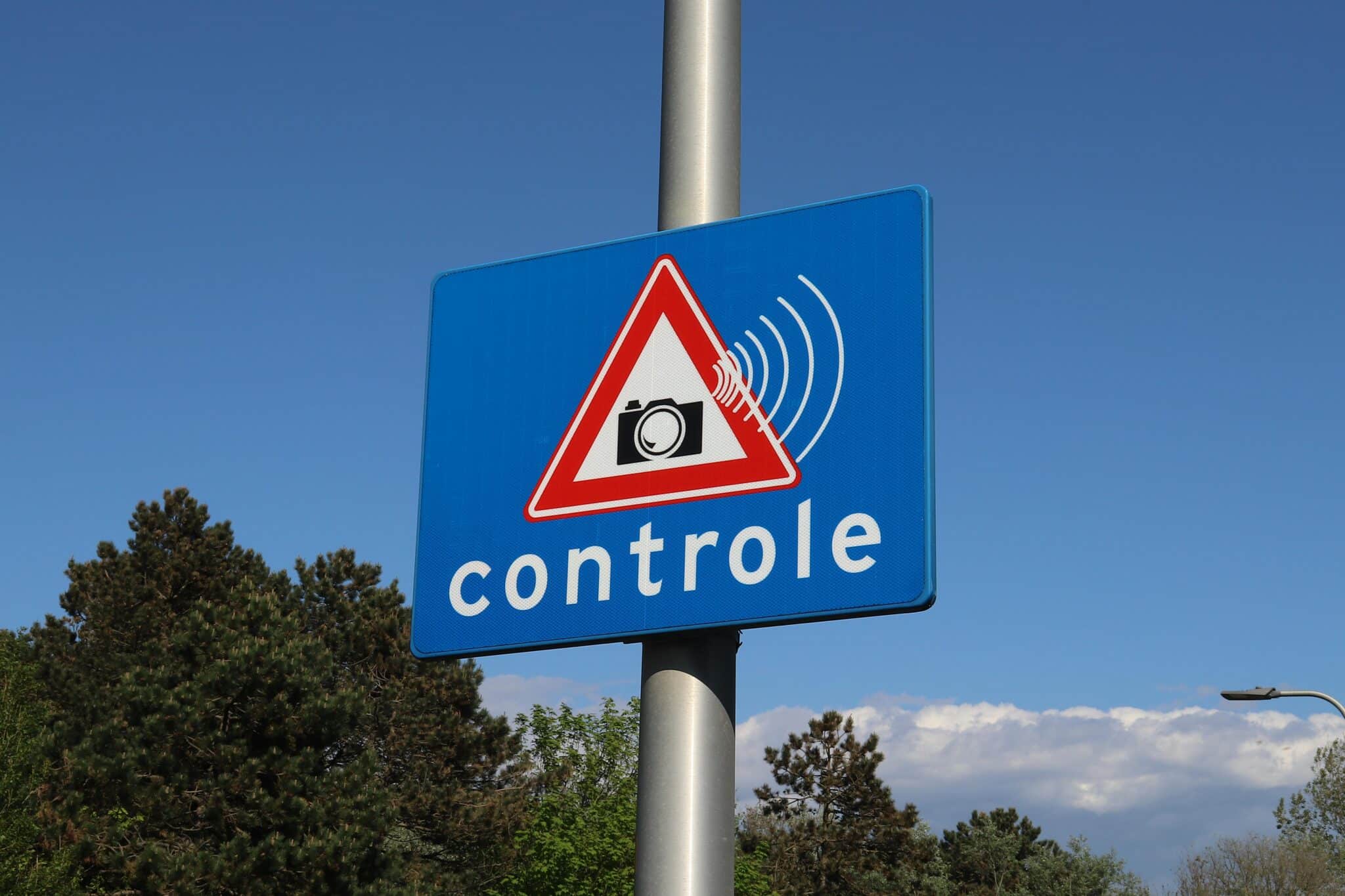
Speed cameras and radar enforcement zones exist primarily to promote road safety by encouraging drivers to maintain legal speed limits. However, sudden encounters with these enforcement tools can be stressful and sometimes result in unexpected fines. Modern GPS apps address this concern by providing advance warnings.
These applications maintain extensive databases of fixed speed camera locations, including red light cameras, average speed zones, and stationary radar units. As you approach these locations, the app provides audio and visual alerts, giving you time to check your speed and adjust accordingly.

Beyond fixed cameras, many apps also alert you to mobile radar units reported by other drivers. This community-driven feature helps you stay aware of temporary enforcement locations that wouldn’t appear in static databases. The combination of official data and user reports creates comprehensive coverage.
Legal Considerations and Responsible Use
It’s important to understand that radar alert features are designed to promote safe driving, not to help drivers evade law enforcement. In most regions, using these features is perfectly legal, as they simply inform drivers of enforcement locations where they should be especially mindful of speed limits.
However, regulations vary by country and even by region within countries. Some jurisdictions restrict or prohibit radar detection technology. Responsible users should familiarize themselves with local laws and always prioritize safe driving practices over any technological assistance.
🗺️ Advanced Route Planning Features
Modern navigation apps offer far more than basic point-to-point directions. Advanced route planning features allow you to customize your journey according to specific preferences and requirements. You can avoid highways, toll roads, or unpaved surfaces, depending on your vehicle type and personal preferences.
Multi-stop route optimization is particularly valuable for people making multiple deliveries or running several errands. The app can automatically organize your stops in the most efficient order, saving time and fuel. This feature transforms complicated logistics into simple, streamlined journeys.
Some applications also provide alternative route suggestions even after you’ve started driving. By constantly monitoring traffic conditions, the system can identify when a different path would save significant time, offering you the choice to switch routes mid-journey.
🌟 Key Benefits That Transform Your Daily Commute
The advantages of using GPS navigation with real-time alerts extend far beyond simple convenience. These tools fundamentally change how we interact with our road networks and can significantly improve quality of life for regular drivers.
Time savings represent perhaps the most tangible benefit. By avoiding traffic congestion and choosing optimal routes, drivers can reclaim hours each week that would otherwise be wasted sitting in gridlock. This extra time can be redirected toward family, hobbies, or simply reducing daily stress.
Fuel efficiency improves dramatically when you avoid stop-and-go traffic. Smooth, consistent driving on optimized routes reduces fuel consumption compared to crawling through congested areas. Over time, these savings can add up to significant amounts, offsetting the minimal cost of using navigation apps.
Stress Reduction and Improved Safety
Uncertainty about traffic conditions and route choices creates significant driving stress. When you know exactly what lies ahead and trust your navigation system to guide you around problems, anxiety decreases substantially. This mental clarity allows you to focus on driving safely rather than worrying about delays.
Safety improvements extend beyond stress reduction. By alerting you to hazards, accidents, and enforcement zones, these apps help you maintain appropriate speeds and stay vigilant in high-risk areas. The advance warning system gives you time to react calmly rather than being surprised by sudden situations.
🔧 Customization Options for Every Driver
One size rarely fits all when it comes to navigation preferences. Modern GPS apps recognize this reality by offering extensive customization options that let you tailor the experience to your specific needs and driving style.
Voice guidance can be adjusted for volume, frequency, and even personality. Some apps offer celebrity voices or different language options, adding an element of entertainment to your journey. You can also choose how much information you receive, from minimal essential directions to comprehensive updates on every aspect of your route.
Display preferences allow you to prioritize the information most important to you. Whether you want a map-focused view, list-based directions, or a combination of both, you can configure the interface to match your visual preferences and driving conditions.
Vehicle-Specific Settings
Different vehicles have different needs on the road. Navigation apps now offer vehicle-specific profiles that account for factors like vehicle height, weight, and width. This ensures that commercial drivers, RV owners, and others with special requirements receive appropriate routing that avoids incompatible roads and bridges.
Electric vehicle drivers benefit from specialized features that locate charging stations along routes and calculate range based on current battery levels and driving conditions. These tools remove range anxiety and make long-distance electric vehicle travel practical and stress-free.
📱 Integration with Smart Devices and Ecosystems
Today’s navigation apps don’t exist in isolation. They integrate seamlessly with smartphones, smartwatches, and vehicle infotainment systems to provide a cohesive experience across all your devices. This connectivity ensures you have access to navigation features regardless of which screen you’re looking at.
Voice assistant integration allows hands-free control through services like Google Assistant, Siri, or Alexa. You can request directions, report hazards, or get traffic updates without taking your hands off the wheel or eyes off the road. This voice-first approach significantly enhances safety during active driving.
Calendar integration represents another powerful feature. The app can automatically pull addresses from your calendar appointments and prepare navigation before you even request it. This proactive approach eliminates the need to manually enter destinations and ensures you’re always aware of travel time to upcoming meetings.
🌐 Offline Functionality When You Need It Most
While real-time features require internet connectivity, the best navigation apps also offer robust offline functionality. You can download maps for specific regions before traveling, ensuring you maintain navigation capabilities even in areas with poor cellular coverage or when traveling internationally without data plans.
Offline maps include basic routing capabilities and saved location information. While you won’t receive real-time traffic updates or community reports without connectivity, you’ll still have reliable turn-by-turn directions based on the downloaded map data.
This offline capability provides peace of mind for road trips through remote areas, international travel, or situations where you want to conserve mobile data. The ability to function independently of network connectivity distinguishes truly comprehensive navigation solutions from those dependent on constant internet access.
🎯 Privacy Considerations and Data Security
Navigation apps collect significant amounts of data about your movements and driving patterns. Understanding how this information is used and protected should be a priority for all users. Reputable applications provide clear privacy policies and give users control over data sharing preferences.
Most modern apps allow you to navigate in “invisible” or “ghost” mode, where your location and driving data aren’t shared with the community network. While this reduces your contribution to traffic data, it ensures maximum privacy when desired. Users can typically toggle this setting on or off based on current needs.
Location history features can be valuable for tracking past trips and finding previously visited locations. However, they also represent sensitive information that should be protected. Quality apps encrypt this data and provide tools for users to review, manage, and delete their location history as desired.
💡 Tips for Maximizing Your Navigation Experience
Getting the most from your GPS navigation app requires more than just installation. A few strategic practices can significantly enhance accuracy, reliability, and overall usefulness of these powerful tools.
Keep your app updated to the latest version. Developers constantly improve algorithms, expand map coverage, and fix bugs. Automatic updates ensure you always have access to the newest features and most accurate information without having to manually check for improvements.
Contribute to the community when safe to do so. Reporting hazards, confirming alerts, and updating map information helps everyone using the platform. This participatory approach strengthens the network effect that makes these apps so valuable, creating a virtuous cycle of improvement.
Mount your phone securely and at eye level when using it for navigation. A properly positioned device allows you to glance at directions without taking your attention away from the road for extended periods. Quality mounts represent a small investment that pays significant safety dividends.
Optimizing Battery and Data Usage
Navigation apps can drain smartphone batteries quickly due to constant GPS usage and screen-on time. Using a car charger during navigation ensures your phone maintains charge throughout your journey. Some apps also offer power-saving modes that reduce screen brightness and limit background processes.
Data consumption varies based on map downloads and update frequency. Using offline maps significantly reduces data usage, especially valuable when traveling with limited mobile plans. WiFi map downloads before departure can save substantial mobile data throughout your trip.
🚀 The Future of Connected Navigation
Navigation technology continues to evolve rapidly, with exciting developments on the horizon. Augmented reality features are beginning to overlay directional arrows and information directly onto live camera views of the road, creating intuitive visual guidance that’s easier to follow than traditional map displays.
Integration with autonomous vehicle systems represents another frontier. As self-driving technology advances, navigation apps will play central roles in route planning and real-time decision making for autonomous vehicles, potentially reshaping transportation entirely.
Artificial intelligence and machine learning algorithms are becoming more sophisticated at predicting traffic patterns and suggesting optimal routes. These systems learn from historical data and individual user preferences to provide increasingly personalized navigation experiences tailored to each driver’s unique patterns and priorities.
✨ Making Every Journey Smoother and Safer
The combination of real-time traffic information and radar alerts has transformed modern driving from a sometimes stressful necessity into a more predictable and manageable experience. These tools empower drivers with knowledge, giving you control over your routes and helping you make informed decisions about when and how to travel.
Whether you’re a daily commuter tired of unpredictable traffic, a professional driver who needs reliable routing, or someone who simply values their time and peace of mind, modern GPS navigation with live alerts offers tangible benefits that improve your driving life.
The technology continues to advance, but the core value remains constant: providing drivers with accurate, timely information that helps them navigate efficiently and safely. By leveraging these powerful tools, you can say goodbye to traffic surprises and hello to confident, informed driving on every journey.
Embracing this technology isn’t just about convenience—it’s about reclaiming your time, reducing stress, and contributing to safer roads for everyone. As these systems grow more sophisticated and widespread, they create positive network effects that benefit all drivers, making our shared road infrastructure work better for everyone who uses it.

Toni Santos is a visionary artisan and conceptual designer who channels the beauty of living organisms into structural expression. At Zureste, Toni explores the intricate elegance of insect anatomy, organic flow, and bioinspired design to create art that feels both natural and otherworldly.
Each creation Toni brings to life reflects a harmonic tension between structure and softness, wildness and control — echoing the complex intelligence found in the natural world. From beetle-like silhouettes to root-shaped contours, his work blurs the lines between biology, sculpture, and modern art.
Guided by fascination for metamorphosis, evolution, and pattern in nature, Toni’s pieces embody transformation. His BioLight Collection and conceptual series like Insect Type and Structure Aesthetics offer viewers more than aesthetic value — they present immersive experiences of living design.
As the creative force behind Zureste, Toni invites us to rethink beauty, architecture, and identity through a new lens — one shaped by wings, bones, spirals, and the microscopic poetry of the organic.
His creations reflect:
-
Design deeply rooted in the geometry of life
-
Inspiration from insects, roots, and the unseen natural order
-
A blend of science, spirituality, and visual storytelling
Whether you’re a lover of strange beauty, an admirer of evolution’s artistry, or a creative mind seeking something different, Toni welcomes you into a world where living forms become meaning, and surreal becomes sublime.