
Anúncios
Step into the golden age of cinema and experience the raw, unfiltered drama of the Wild West through classic films that defined a generation and continue to captivate audiences worldwide.


The Western genre represents more than just gunfights and horseback chases across dusty plains. These films embody the spirit of adventure, moral complexity, and the eternal struggle between civilization and wilderness. From Sergio Leone’s operatic masterpieces to John Ford’s sweeping landscapes, Western cinema offers a treasure trove of storytelling that transcends generations.
Anúncios
Whether you’re a longtime fan or discovering these classics for the first time, accessing the best Western films has never been easier. Modern streaming platforms and dedicated apps bring these timeless stories directly to your fingertips, allowing you to explore the genre’s rich history whenever inspiration strikes. 🤠
The Golden Era: Defining Moments in Western Cinema
The 1950s and 1960s marked the peak of Western filmmaking, when studios invested heavily in productions that would become cultural landmarks. Directors like John Ford crafted visual poetry through Monument Valley’s iconic red rocks, while actors such as John Wayne became synonymous with the cowboy archetype.
Anúncios
Films from this era established narrative conventions that influenced countless movies beyond the genre. The lone hero arriving in a troubled town, the final showdown at high noon, and the tension between law and justice became storytelling templates used across cinema worldwide.
These classics weren’t just entertainment—they reflected post-war American anxieties about expansion, morality, and identity. The best Western films balanced action with philosophical depth, asking audiences to consider what justice truly means when formal law is absent.
Masterpieces You Can’t Miss 🎬
Certain films stand as pillars of the Western tradition, essential viewing for anyone exploring the genre. “The Good, the Bad and the Ugly” revolutionized Western filmmaking with its operatic style, Ennio Morricone’s unforgettable score, and morally ambiguous characters that challenged traditional heroism.
“The Searchers” presents John Wayne in perhaps his most complex role, exploring themes of obsession and racism that remain provocative decades later. John Ford’s direction captures both the majesty and harshness of frontier life with unmatched visual brilliance.
“High Noon” stripped the Western down to its psychological essentials, creating unbearable tension as Gary Cooper’s marshal faces danger alone. The film unfolds in real time, making audiences feel every agonizing minute as the clock ticks toward confrontation.

The Spaghetti Western Revolution
Italian filmmakers transformed the Western genre in the 1960s, creating a grittier, more stylized version that European audiences embraced enthusiastically. Sergio Leone emerged as the movement’s master, directing films that prioritized atmosphere and visual storytelling over traditional narrative structure.
These “Spaghetti Westerns” featured anti-heroes motivated by money rather than honor, violence portrayed with unflinching realism, and soundtracks that became as iconic as the films themselves. The moral clarity of classic American Westerns gave way to ambiguity and cynicism that reflected changing cultural attitudes.
Clint Eastwood’s “Man with No Name” trilogy established him as a global star and redefined the Western protagonist. His laconic, mysterious characters operated by their own code, neither purely good nor entirely evil—a complexity that resonated with modern audiences.
Visual Poetry on the Frontier
Leone’s signature style—extreme close-ups contrasted with expansive landscapes, prolonged tension before explosive violence—created a cinematic language entirely his own. Every gunfight became a ballet of anticipation, with characters’ eyes conveying more emotion than pages of dialogue ever could.
The barren Spanish locations standing in for the American Southwest possessed a mythic quality that enhanced the films’ dreamlike atmosphere. These weren’t realistic depictions of historical events but rather fairy tales set in a timeless, archetypal West.
Revisionist Westerns: Challenging the Myth
As the 1970s arrived, filmmakers began deconstructing Western mythology, examining the darkness beneath frontier romanticism. “The Wild Bunch” portrayed aging outlaws struggling against a modernizing world that no longer needed them, with Sam Peckinpah’s controversial slow-motion violence forcing audiences to confront brutality they’d previously cheered.
“Unforgiven” arrived in 1992 as Clint Eastwood’s meditation on violence and legend, stripping away glamour to reveal killing’s true cost. The film questions everything Westerns traditionally celebrated, asking whether frontier justice was ever truly noble or merely savagery in different clothing.
These revisionist films incorporated previously marginalized perspectives, acknowledging the displacement of Native peoples and the multicultural reality of the historical West. They complicated simple narratives of civilization versus savagery, revealing moral complexity on all sides.
Native American Perspectives Finally Heard 🪶
“Dances with Wolves” and later “The Revenant” attempted to portray Indigenous characters with greater nuance and authenticity. While debates about representation continue, these films marked significant shifts toward recognizing diverse frontier experiences beyond the traditional cowboy narrative.
Contemporary Westerns increasingly feature Indigenous actors, consultants, and perspectives, correcting decades of stereotypical portrayals. This evolution enriches the genre, adding historical accuracy and narrative depth that earlier films lacked.
Modern Westerns: The Genre Evolves
Reports of the Western’s death have proven greatly exaggerated. Recent years have seen creative reinventions that prove the genre’s flexibility and continued relevance. Films like “True Grit,” “Django Unchained,” and “The Ballad of Buster Scruggs” demonstrate that frontier stories still captivate when approached with fresh perspectives.
Television has particularly embraced Western storytelling, with series like “Deadwood” and “Yellowstone” exploring complex characters across extended narratives. The format allows deeper exploration of community dynamics, economic forces, and personal relationships that films’ shorter runtimes can only sketch.
Contemporary Westerns often blend genres, incorporating horror elements, science fiction concepts, or crime thriller structures. This hybridization keeps the genre vital, introducing Western themes to audiences who might not seek traditional cowboy films.
International Interpretations 🌍
The Western aesthetic has inspired filmmakers worldwide, from Australian outback films to South Korean “Kimchi Westerns.” These international takes prove that frontier stories transcend specific locations, speaking to universal human experiences of conflict, survival, and justice.
“The Good, the Bad, the Weird” transplants Western tropes to 1930s Manchuria, while “Rango” uses animation to both honor and satirize genre conventions. These creative reinterpretations ensure the Western remains a living genre rather than a historical curiosity.
Accessing the Best Western Films Today
Streaming technology has revolutionized how audiences discover and enjoy classic Westerns. Dedicated platforms curate extensive collections, making it simple to explore the genre’s full breadth from your living room or mobile device.
Specialized Western apps offer carefully selected libraries spanning the genre’s history, from silent era classics to contemporary releases. These services often include rare films difficult to find elsewhere, along with documentaries and bonus content that deepen appreciation for the filmmaking craft.
High-definition restorations bring new life to aging films, revealing visual details that previous generations couldn’t fully appreciate. Watching “Once Upon a Time in the West” in crisp 4K resolution makes Leone’s compositions even more breathtaking, while cleaned-up sound allows Morricone’s scores to shine with crystal clarity.
Building Your Western Watchlist 📺
Starting with acknowledged masterpieces provides a solid foundation before exploring deeper cuts. Begin with the “Dollars Trilogy,” “The Searchers,” and “Unforgiven” to understand the genre’s evolution across different eras and filmmaking styles.
Don’t overlook B-movies and lesser-known titles that often contain hidden gems. Many cult favorites offer quirky charm and unexpected creativity that big-budget productions couldn’t risk. Part of Western fandom’s joy comes from discovering forgotten films that resonate personally despite lacking mainstream recognition.
Thematic marathons create rewarding viewing experiences—try watching revenge Westerns consecutively, or compare how different decades portrayed similar stories. These curated approaches reveal patterns and innovations you might miss watching films randomly.
Why Westerns Still Matter
At their core, Western films explore timeless human questions about justice, community, and individual responsibility. The frontier setting strips away modern complexity, allowing audiences to examine ethical dilemmas in their purest forms.
These stories celebrate self-reliance and courage while acknowledging civilization’s necessary compromises. The best Westerns don’t provide easy answers but instead present moral ambiguity that invites contemplation long after credits roll.
The genre’s visual language—vast landscapes emphasizing human smallness, extreme close-ups revealing character through subtle expressions—has influenced filmmakers across all genres. Understanding Westerns means understanding cinema itself, as the genre pioneered techniques now considered standard.
Lessons from the Frontier 🌵
Western protagonists often embody qualities worth emulating: courage under pressure, loyalty to principles, and willingness to stand alone against injustice. While we no longer face literal gunfights, the metaphorical battles remain relevant in navigating modern life’s challenges.
These films also caution against violence as first resort and examine revenge’s hollow satisfaction. Characters who live by the gun rarely find peace, offering sobering reminders about conflict’s true costs even as action sequences thrill audiences.
The Soundtrack of the West
Western film scores rank among cinema’s most memorable music, with composers creating sonic landscapes as iconic as the visual imagery. Ennio Morricone’s work transcends film scoring, with themes instantly recognizable even to people who’ve never seen the movies they accompany.
Traditional American folk music, Mexican guitars, and operatic orchestration blend to create the Western’s distinctive sound. These scores evoke loneliness, tension, and triumph without words, communicating emotional truths directly to audiences worldwide.
Modern Westerns continue this musical tradition while incorporating contemporary styles. Nick Cave’s score for “The Assassination of Jesse James” brings haunting minimalism, while Jonny Greenwood’s work on “There Will Be Blood” uses avant-garde techniques to score frontier capitalism’s violence.
Preserving Western Heritage
Film preservation efforts ensure future generations can experience these classics. Organizations digitize deteriorating prints, restore damaged footage, and maintain archives containing scripts, promotional materials, and production documents that provide historical context.
Watching restored Westerns supports these preservation efforts, creating economic incentive for companies to invest in careful restoration work. Every stream or download helps justify the expensive technical processes required to save aging films from permanent loss.
Beyond preservation, academic study of Westerns reveals how these films reflected and shaped American identity. Universities offer entire courses examining the genre’s cultural impact, recognizing Westerns as valuable historical documents beyond their entertainment value.
Creating Your Western Experience at Home 🏡
Maximizing your Western viewing means creating the right atmosphere. A quality sound system captures gunshot echoes and score subtleties that elevate the experience beyond casual watching. Even modest audio improvements make significant differences in immersion.
Consider hosting themed viewing parties where friends discover classics together. Pairing films with period-appropriate foods and discussing themes afterward transforms solitary watching into communal experiences that mirror the social aspects of historical cinema attendance.
Taking notes while watching helps you remember favorite moments, quotable dialogue, and connections between films. This active engagement deepens appreciation and creates personal reference materials for future recommendations or discussions.
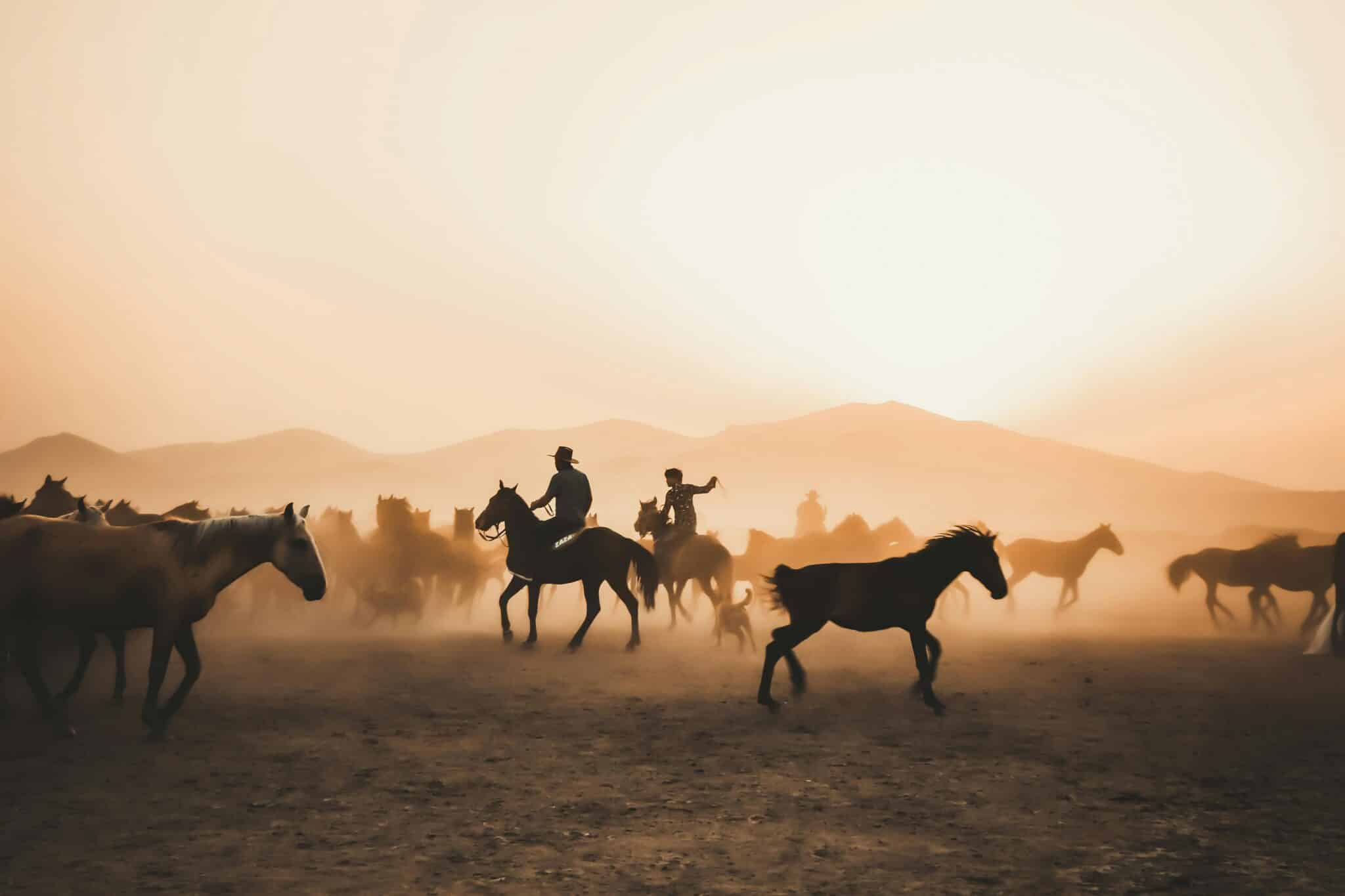
The Western Legacy Continues
As long as audiences seek stories about honor, survival, and the individual’s place in society, Westerns will remain relevant. The genre adapts to reflect contemporary concerns while maintaining core elements that have always resonated with viewers across cultures and generations.
New filmmakers bring fresh perspectives, ensuring the Western evolves rather than stagnates. Indigenous directors reclaim narratives, women filmmakers explore overlooked stories, and diverse creators expand what frontier tales can represent and achieve.
The best Western films balance entertainment with substance, offering thrilling action alongside meaningful exploration of human nature. They remind us that despite technological advancement, fundamental questions about right and wrong, community and isolation, remain beautifully complicated.
Whether you’re rediscovering childhood favorites or encountering these classics for the first time, the journey through Western cinema offers endless rewards. Saddle up, press play, and let these timeless stories transport you to dusty streets where heroes and outlaws wrote legends that still echo today. 🌟

Toni Santos is a visionary artisan and conceptual designer who channels the beauty of living organisms into structural expression. At Zureste, Toni explores the intricate elegance of insect anatomy, organic flow, and bioinspired design to create art that feels both natural and otherworldly.
Each creation Toni brings to life reflects a harmonic tension between structure and softness, wildness and control — echoing the complex intelligence found in the natural world. From beetle-like silhouettes to root-shaped contours, his work blurs the lines between biology, sculpture, and modern art.
Guided by fascination for metamorphosis, evolution, and pattern in nature, Toni’s pieces embody transformation. His BioLight Collection and conceptual series like Insect Type and Structure Aesthetics offer viewers more than aesthetic value — they present immersive experiences of living design.
As the creative force behind Zureste, Toni invites us to rethink beauty, architecture, and identity through a new lens — one shaped by wings, bones, spirals, and the microscopic poetry of the organic.
His creations reflect:
-
Design deeply rooted in the geometry of life
-
Inspiration from insects, roots, and the unseen natural order
-
A blend of science, spirituality, and visual storytelling
Whether you’re a lover of strange beauty, an admirer of evolution’s artistry, or a creative mind seeking something different, Toni welcomes you into a world where living forms become meaning, and surreal becomes sublime.