
Anúncios
Is your furry friend driving you crazy with endless barking, jumping, and stubborn behavior? It’s time to transform your home into a peaceful sanctuary where your pet thrives with calm confidence and obedience.


Training your pet at home isn’t just about stopping bad behavior—it’s about building a deep, trusting relationship that makes both of you happier. Whether you’re dealing with a hyperactive puppy or a set-in-their-ways adult dog, the right approach can turn chaos into harmony without ever leaving your living room.
Anúncios
The beauty of home training lies in its flexibility and consistency. You control the environment, eliminate distractions found in group classes, and work at a pace that suits your pet’s unique personality. Plus, you’ll save money while strengthening your bond through positive, patient communication that speaks your pet’s language. 🐾
Why Home Training Outperforms Traditional Methods
Home-based pet training offers unmatched advantages that commercial training facilities simply can’t replicate. Your home is where most behavioral issues actually occur—countertop surfing, door-dashing, furniture scratching, or excessive barking at visitors. Training in this exact environment teaches your pet appropriate behavior precisely where they need it most.
Anúncios
When you train at home, your pet isn’t performing for treats in an artificial setting. They’re learning to apply commands and behavior in real-life situations with genuine distractions. This context-specific learning creates lasting behavioral changes rather than temporary compliance that disappears once you leave the training center.
Furthermore, home training accommodates your schedule perfectly. No rushing to evening classes after work or rearranging weekends. You can conduct multiple short sessions throughout the day—the scientifically proven most effective training rhythm—without the stress of commuting with an anxious or overexcited animal.
Understanding Your Pet’s Stubborn Behavior 🧠
Before correcting unwanted behaviors, understanding their root causes transforms your training approach from reactive punishment to proactive guidance. What appears as stubbornness often masks fear, confusion, boredom, or unmet physical needs. Your pet isn’t deliberately disobeying—they’re communicating the only way they know how.
Dogs, for instance, are pack animals hardwired to follow clear leadership. When household rules remain inconsistent or unclear, they experience anxiety that manifests as destructive or aggressive behavior. Similarly, cats exhibit “bad” behavior when their territorial and hunting instincts aren’t properly channeled through environmental enrichment.
Energy levels play an enormous role in trainability. An under-exercised dog possesses pent-up energy that inevitably erupts as hyperactivity, regardless of training quality. Matching physical activity to your pet’s breed requirements creates the mental calm necessary for effective learning and retention.
Common Behavioral Misunderstandings
Many pet owners misinterpret normal animal communication as defiance. A dog that doesn’t come when called might be distracted by more compelling stimuli rather than ignoring you deliberately. A cat scratching furniture isn’t being spiteful—they’re maintaining their claws and marking territory as evolutionary programming dictates.
Recognizing these biological imperatives helps you redirect rather than suppress natural behaviors. Providing appropriate outlets—like scratching posts for cats or chew toys for dogs—prevents frustration while teaching acceptable alternatives to problem behaviors.
Essential Foundations Before Starting Training
Successful pet training begins long before your first command. Establishing the right mindset, tools, and household cooperation creates the foundation for rapid progress and lasting results. Skipping these preparatory steps leads to inconsistent outcomes and mutual frustration.
First, commit to positive reinforcement as your primary training philosophy. Punishment-based methods may achieve short-term compliance but damage trust, increase anxiety, and often create more behavioral problems than they solve. Modern training science overwhelmingly supports reward-based approaches for all species and temperaments.
Gather essential supplies before beginning: high-value treats your pet loves, a comfortable collar or harness, a standard leash, interactive toys, and possibly a clicker for precise reward timing. Having everything ready prevents training interruptions that confuse your pet about which action earned the reward.
Creating a Training-Friendly Environment
Designate a specific training area in your home with minimal distractions initially. As your pet masters basics, gradually introduce training in different rooms and situations. This progressive approach builds confidence while preventing overwhelming sensory overload that shuts down learning.
Ensure all family members understand and agree on training protocols. Mixed messages—one person allowing couch access while another forbids it—create confusion that undermines all training efforts. Hold a household meeting to establish consistent rules, commands, and consequences everyone will enforce uniformly.

The Power of Consistency and Patience ⏰
Consistency forms the cornerstone of all effective pet training. Animals learn through pattern recognition—when specific behaviors consistently produce specific outcomes, they quickly adapt their actions accordingly. Inconsistency, conversely, teaches nothing except that rules are negotiable and human communication is unreliable.
Apply consistency across three dimensions: timing, response, and expectations. Reward desired behaviors within two seconds of occurrence so your pet connects action with consequence. Respond identically to the same behavior every single time. Maintain unwavering expectations rather than accepting behavior sometimes while correcting it other times.
Patience tests every pet owner’s resolve, especially during inevitable plateaus when progress seems frozen. Remember that learning isn’t linear—your pet may master a command one day and seemingly forget it the next. These temporary regressions are normal parts of memory consolidation, not failures requiring punishment.
Realistic Training Timelines
Setting realistic expectations prevents discouragement. Basic commands like “sit” or “come” typically require 1-2 weeks of daily practice before becoming reliable. More complex behaviors or breaking deeply ingrained habits may demand 4-6 weeks of consistent effort. Puppies and kittens learn faster than older animals correcting years of reinforced patterns.
Age, breed, previous experiences, and individual temperament all influence learning speed. Some dogs master new commands in days while others need weeks. Rather than comparing your pet to others, celebrate personal progress and maintain steady effort regardless of pace.
Teaching Fundamental Commands That Transform Behavior
Mastering five fundamental commands solves approximately 80% of common behavioral issues while establishing you as a trustworthy leader. These aren’t tricks—they’re communication tools that give your pet clear guidance in confusing situations, reducing their anxiety and improving household harmony dramatically.
Start with “sit”—the foundation command that naturally calms excited energy and prevents jumping. Once your pet reliably sits on command, you’ve established the basic communication framework for teaching everything else. Use sit before meals, exits, greetings, and any moment requiring impulse control.
The “stay” command teaches patience and self-control, invaluable for managing doorway dashing, begging behavior, and unsafe situations. Begin with 3-5 second stays, gradually extending duration as success builds confidence. Always release with a consistent word like “okay” or “free” so your pet knows exactly when the expectation ends.
The Life-Saving Recall Command
Teaching your pet to come when called—proper recall—might literally save their life. This command must overcome every distraction, competing interest, or environmental stimulus. Build recall reliability by making yourself more rewarding than anything else your pet encounters.
Practice recall exclusively in positive contexts initially. Never call your pet to punish, medicate, or end fun activities—they’ll learn that coming means something unpleasant. Instead, call them for treats, play, affection, and immediately release them back to their activity periodically so they don’t associate recall with ending freedom.
Addressing Specific Problem Behaviors 🚫
Once foundations are established, tackle specific issues systematically. Excessive barking, destructive chewing, aggressive behavior, and house soiling each require tailored approaches addressing their unique underlying causes rather than applying generic corrections.
Excessive barking often stems from boredom, territorial alerting, attention-seeking, or anxiety. Identify your pet’s barking triggers through observation. A dog barking at passersby needs different intervention than one barking for attention or due to separation anxiety. Address the root cause while teaching a “quiet” command reinforced with high-value rewards.
Destructive chewing and scratching satisfy natural urges that require appropriate outlets rather than suppression. Provide abundant alternatives—chew toys, puzzle feeders, scratching posts—in areas where unwanted behavior occurs. When you catch inappropriate behavior, interrupt calmly and immediately redirect to the acceptable alternative, praising enthusiastically when they comply.
Managing Jumping and Overexcitement
Jumping represents enthusiastic greeting behavior that receives accidental reinforcement. Even negative attention (pushing away, saying “no”) rewards the behavior by providing the interaction your pet seeks. Instead, completely ignore jumping—turn away, cross arms, avoid eye contact—until all four paws touch ground, then immediately reward calm behavior with attention.
Teach incompatible behaviors like sitting for greetings. Your pet physically cannot simultaneously sit and jump. By consistently rewarding sitting while ignoring jumping, you replace the unwanted behavior with an acceptable alternative that still achieves your pet’s goal of gaining attention.
Creating a Calmer Pet Through Mental Stimulation 🧩
Physical exercise addresses only half your pet’s needs—mental stimulation often proves more exhausting and calming than physical activity alone. A mentally tired pet exhibits dramatically less problematic behavior because their energy channels into satisfying cognitive challenges rather than destructive outlets.
Puzzle toys, scent work, hide-and-seek games, and training sessions provide mental workouts that tire pets beautifully. Even 15 minutes of problem-solving activities can exhaust an energetic dog more effectively than an hour-long walk. These activities also build confidence and strengthen your bond through cooperative achievement.
Rotate toys and activities regularly to maintain novelty and engagement. What fascinated your pet last week becomes boring through familiarity. Keeping a toy rotation—presenting only 3-4 options at once while storing others—makes old favorites feel new again when reintroduced after absence.
Environmental Enrichment Strategies
Enrich your home environment to satisfy species-specific needs. Dogs benefit from sniff walks prioritizing exploration over exercise, window perches for watching outdoor activity, and food-dispensing toys that simulate foraging. Cats need vertical territory (cat trees), hiding spots, interactive play mimicking hunting, and window access for environmental stimulation.
Schedule structured activities at consistent times daily. Predictable routines reduce anxiety by helping pets anticipate events rather than remaining in constant vigilance. Morning play sessions, midday training, and evening walks create comforting patterns that promote overall calmness.
Using Positive Reinforcement Effectively 🎁
Positive reinforcement means adding something pleasant following desired behavior to increase that behavior’s future frequency. This scientifically validated approach works faster, lasts longer, and strengthens relationships far more effectively than punishment-based methods while avoiding their negative side effects.
Identify what truly motivates your individual pet. While food tops most lists, some animals value play, toys, or affection more highly. Experiment with different rewards, reserving the absolute highest-value options exclusively for training the most challenging behaviors or practicing in highly distracting environments.
Timing makes or breaks positive reinforcement effectiveness. Rewards must occur within 1-2 seconds of the desired behavior for your pet to connect action with consequence. Delayed rewards confuse rather than reinforce, accidentally strengthening whatever behavior occurred immediately before the reward.
Shaping Complex Behaviors Through Small Steps
Complex behaviors require breaking down into tiny achievable steps—a process called shaping. Rather than expecting immediate mastery, reward successive approximations toward the final goal. Teaching “stay,” for instance, begins with rewarding 1-second stays, then 2 seconds, then 3, gradually building duration through patient progression.
If your pet struggles with a training step, you’ve progressed too quickly. Simply return to the previous easier level, ensure mastery, then advance more gradually. Training should feel like a series of easy wins building confidence rather than frustrating failures breeding discouragement.
Common Training Mistakes That Sabotage Progress ⚠️
Even well-intentioned owners accidentally undermine training through predictable mistakes. Recognizing these pitfalls helps avoid wasted effort and prevents creating problems more challenging than those you’re trying to solve.
Training sessions that run too long produce diminishing returns as attention and motivation wane. Keep sessions brief—5-10 minutes maximum for most pets—ending on a successful note while your pet still wants more. Multiple short daily sessions vastly outperform occasional marathon training attempts.
Inconsistent reinforcement confuses pets about which behaviors earn rewards. Early training requires rewarding every single correct response. Once behaviors solidify, gradually transition to intermittent reinforcement (rewarding unpredictably) which actually strengthens behavior maintenance long-term.
The Punishment Trap
Punishment seems effective because it temporarily suppresses behavior, but it rarely teaches appropriate alternatives while creating lasting negative consequences. Punished pets learn to fear situations, people, or environments associated with punishment rather than understanding which behaviors are actually desired.
Moreover, punishment damages trust—the foundation of all successful training. Pets should view you as a reliable guide and safe haven, not an unpredictable source of discomfort. Positive training builds cooperation based on mutual benefit rather than compliance based on fear.
Maintaining Long-Term Training Success 📈
Achieving initial training success represents just the beginning—maintaining those gains requires ongoing commitment. Skills deteriorate without practice, and life changes inevitably introduce new challenges requiring updated training approaches.
Schedule brief refresher sessions weekly even after mastering commands. These maintenance practices prevent skill erosion while providing enjoyable bonding opportunities. Think of training as an ongoing conversation rather than a finite project with an ending point.
As your pet matures, their needs, capabilities, and motivations evolve. Puppies become adolescents testing boundaries before settling into adulthood. Senior pets develop physical limitations requiring adjusted expectations. Adapt your training approach to honor these life stage transitions rather than rigidly maintaining strategies that no longer serve.
Celebrating Progress and Building Confidence
Acknowledge every milestone, no matter how small. Progress isn’t always linear or dramatic, but cumulative small improvements create transformative change over time. Celebrating achievements—through extra play, special treats, or enthusiastic praise—reinforces your pet’s motivation while deepening your appreciation for their efforts.
Confident pets learn faster and exhibit fewer behavioral problems than anxious ones. Build confidence through achievable challenges, consistent success, and unwavering support during difficult moments. Your calm, patient guidance teaches your pet they can trust themselves and you in any situation.
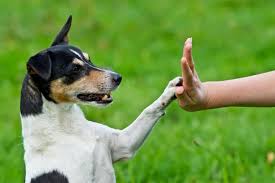
Transform Your Home Into a Peaceful Haven 🏡
Training your pet at home eliminates the frustration of stubborn behavior while creating the calm, cooperative companion you’ve always wanted. This journey demands patience, consistency, and commitment, but the rewards—a deeper bond, peaceful household, and confident pet—far exceed the effort invested.
Every moment you dedicate to positive training strengthens communication, reduces stress for both of you, and builds a relationship based on mutual respect and understanding. Your home becomes not just a house but a harmonious space where both human and animal thrive together in comfortable cooperation.
Start today with just one small training goal. Master that single behavior before adding another. Celebrate small victories. Stay patient through setbacks. Remember that every expert trainer once struggled through their first “sit” command. Your consistent effort will transform chaos into calm, stubbornness into cooperation, and frustration into the joy of a truly well-trained pet who enriches your life immeasurably. 🐾💙

Toni Santos is a visionary artisan and conceptual designer who channels the beauty of living organisms into structural expression. At Zureste, Toni explores the intricate elegance of insect anatomy, organic flow, and bioinspired design to create art that feels both natural and otherworldly.
Each creation Toni brings to life reflects a harmonic tension between structure and softness, wildness and control — echoing the complex intelligence found in the natural world. From beetle-like silhouettes to root-shaped contours, his work blurs the lines between biology, sculpture, and modern art.
Guided by fascination for metamorphosis, evolution, and pattern in nature, Toni’s pieces embody transformation. His BioLight Collection and conceptual series like Insect Type and Structure Aesthetics offer viewers more than aesthetic value — they present immersive experiences of living design.
As the creative force behind Zureste, Toni invites us to rethink beauty, architecture, and identity through a new lens — one shaped by wings, bones, spirals, and the microscopic poetry of the organic.
His creations reflect:
-
Design deeply rooted in the geometry of life
-
Inspiration from insects, roots, and the unseen natural order
-
A blend of science, spirituality, and visual storytelling
Whether you’re a lover of strange beauty, an admirer of evolution’s artistry, or a creative mind seeking something different, Toni welcomes you into a world where living forms become meaning, and surreal becomes sublime.