
Anúncios
# HTML Article: Watch Movies Anywhere, Anytime
Streaming has revolutionized how we consume entertainment, putting thousands of movies at our fingertips with just a few taps.
Anúncios


Gone are the days when watching movies meant rushing to the video store or waiting for a specific broadcast time. Today’s digital landscape offers unprecedented freedom to enjoy cinema on your own schedule, whether you’re commuting, traveling, or relaxing at home.
The ability to watch films wherever and whenever you want has become more than a convenience—it’s transformed into an essential part of modern life. This shift has opened doors to discovering hidden gems, exploring international cinema, and revisiting classics without the constraints of traditional media formats.
Anúncios
🎬 The Freedom of On-Demand Entertainment
Modern streaming platforms have fundamentally changed our relationship with movies. The traditional model of scheduled programming or physical media rentals has given way to instant access libraries containing thousands of titles spanning every genre imaginable.
This transformation means you’re no longer bound by geography, time zones, or availability windows. Whether you’re craving a classic film noir at midnight or want to introduce your children to animated masterpieces during a rainy afternoon, the content is ready when you are.
The psychological impact of this freedom shouldn’t be underestimated. Having control over what you watch and when reduces stress and increases enjoyment. You can pause during intense scenes, rewatch favorite moments, or switch to something lighter if your mood changes—all without judgment or limitation.
📱 Choosing the Right Platform for Your Viewing Habits
Not all streaming services are created equal, and finding the right fit depends on your personal preferences and viewing patterns. Some platforms specialize in blockbusters and mainstream content, while others curate collections of independent films, documentaries, and international cinema.
Kanopy stands out as a unique option in this crowded marketplace. Unlike subscription-based competitors, Kanopy partners with public libraries and educational institutions to provide free access to thoughtfully curated films. This includes Criterion Collection titles, independent productions, documentaries, and educational content that might not appear on commercial platforms.
The service emphasizes quality over quantity, featuring films that have cultural, historical, or artistic significance. This makes it an excellent choice for cinephiles, students, educators, and anyone looking to expand their cinematic horizons beyond mainstream offerings.
Understanding Different Streaming Models
The streaming industry operates on several distinct business models, each with advantages and limitations:
- Subscription-based services charge monthly fees for unlimited access to their entire catalog
- Ad-supported platforms offer free content in exchange for watching commercials
- Rental or purchase models let you pay per title for temporary or permanent access
- Library-connected services like Kanopy provide free access through institutional partnerships
Each model serves different needs and budgets. Many movie enthusiasts maintain subscriptions to multiple services or rotate between them seasonally to maximize content access while managing costs.
🌍 Breaking Down Geographic Barriers
One of streaming technology’s most powerful benefits is its ability to transcend borders. Films from dozens of countries are now accessible to global audiences, fostering cultural exchange and understanding through storytelling.
International cinema offers perspectives and narratives rarely found in Hollywood productions. From South Korean thrillers to French romantic comedies, from Japanese anime to Scandinavian dramas, the world’s cinematic traditions are now just a search away.
This accessibility has practical implications beyond entertainment. Language learners use foreign films to improve comprehension, travelers explore destinations through location-based movies, and educators incorporate international perspectives into curricula. The movie screen becomes a window into different cultures, histories, and worldviews.

⏰ Time Flexibility and Lifestyle Integration
Modern life rarely follows predictable patterns. Work schedules shift, family obligations arise unexpectedly, and free time comes in fragments rather than convenient blocks. On-demand movie watching adapts perfectly to this reality.
Commuters transform travel time into viewing opportunities, watching films on tablets during train rides or flights. Parents squeeze in movies after children’s bedtime without worrying about theater schedules. Night shift workers enjoy cinema during unconventional hours when traditional entertainment venues are closed.
This flexibility extends to how we consume content. Binge-watching film series in one sitting becomes possible, as does spreading a single movie across several viewing sessions. You control the pace, matching entertainment to your energy levels and available time.
Creating Your Personal Cinema Experience
The best viewing experience depends on optimizing several factors:
- Screen size: Large TVs provide immersion, while mobile devices offer portability
- Audio quality: Good headphones or sound systems enhance dramatic impact
- Internet connection: Stable bandwidth prevents buffering and quality drops
- Environment: Comfortable seating and controlled lighting improve focus
- Minimal distractions: Turning off notifications helps maintain engagement
Many streaming apps remember your viewing position across devices, allowing seamless transitions between screens. Start watching on your television at home, then continue on your phone during lunch break without losing your place.
🎓 Educational Value and Personal Growth
Movies offer more than entertainment—they’re powerful educational tools. Documentaries provide insights into science, history, and current events. Biographical films introduce audiences to influential figures and movements. Even fictional narratives can illuminate human psychology, social dynamics, and ethical dilemmas.
Platforms focusing on curated content, like Kanopy, excel in this educational dimension. Their catalogs include films used in university courses, documentaries exploring complex topics, and classics that shaped cinematic language and technique.
This educational approach benefits various audiences. Students research topics for assignments, professionals explore subjects related to their fields, and curious individuals pursue lifelong learning interests. The combination of entertainment and education creates engaging experiences that inform while they entertain.
Documentary Cinema and Real-World Understanding
Documentary films have experienced a renaissance in recent years, with streaming platforms providing unprecedented distribution opportunities for non-fiction storytelling. These works cover every conceivable subject—from environmental challenges to artistic processes, from historical events to personal journeys.
Quality documentaries combine rigorous research with compelling narrative techniques, making complex subjects accessible and engaging. They challenge assumptions, introduce new perspectives, and often inspire action or further exploration.
Access to diverse documentary content helps viewers become more informed citizens and critical thinkers. Understanding climate science, historical context, or social issues becomes easier when expert filmmakers distill information into compelling visual narratives.
💰 Cost-Effectiveness and Budget Management
Entertainment expenses can accumulate quickly, especially for families or dedicated movie enthusiasts. Theater tickets, concessions, transportation, and babysitting costs make single movie outings expensive propositions.
Streaming services provide significant savings compared to traditional movie-watching methods. Even paid subscriptions typically cost less than two theater tickets monthly while providing unlimited access to extensive libraries. Free services like Kanopy eliminate costs entirely for those with library access.
This economic accessibility democratizes cinema, allowing people across income levels to enjoy quality entertainment and cultural experiences. Budget constraints no longer mean missing out on films or limiting family movie nights.
Maximizing Free and Low-Cost Options
Strategic streaming consumption can minimize or eliminate entertainment costs:
- Check public library partnerships for free streaming access through Kanopy and similar services
- Utilize free trials strategically when wanting to watch specific titles
- Share family subscriptions across households where terms of service allow
- Explore ad-supported platforms for mainstream content at no cost
- Take advantage of educational institution streaming access if you’re a student
Many people discover that combining one or two targeted paid subscriptions with free options provides more content than they can reasonably watch while maintaining affordability.
🔍 Discovery and Curation in the Digital Age
Paradoxically, having access to thousands of films can create decision paralysis. The overwhelming number of choices sometimes makes selecting what to watch more difficult than when options were limited.
Effective curation becomes essential in this environment. Well-designed platforms use algorithms, editorial selection, and user reviews to surface relevant content. Themed collections, staff picks, and contextual recommendations help viewers navigate extensive libraries.
Kanopy’s curatorial approach emphasizes thoughtful selection over algorithmic recommendations alone. Their collections are organized around themes, directors, movements, and educational topics, making exploration purposeful rather than random.
Social features also aid discovery. Reading reviews, checking ratings, and following recommendations from friends or film communities helps identify worthwhile titles among the vast options available.
📶 Technical Considerations for Optimal Streaming
Enjoying movies anywhere requires understanding the technical requirements and optimizing your setup accordingly. Internet connectivity remains the primary factor determining streaming quality and reliability.
Most platforms automatically adjust video quality based on connection speed, but understanding minimum requirements helps prevent frustration. Standard definition typically needs 3 Mbps, high definition requires 5-8 Mbps, and 4K streaming demands 25 Mbps or higher.
Data consumption matters for mobile viewing or households with capped internet plans. Streaming a two-hour movie in HD typically uses 3-5 GB of data, while SD quality consumes less than 1 GB. Many apps offer download features, allowing you to save content over WiFi for offline viewing without using mobile data.
Device Compatibility and Cross-Platform Access
Modern streaming services support multiple device types:
- Smart TVs with built-in apps for living room viewing
- Smartphones and tablets for portable entertainment
- Streaming devices like Roku, Fire TV, or Apple TV to upgrade older TVs
- Gaming consoles that double as media centers
- Computers through web browsers or dedicated applications
Most services maintain viewing history and preferences across devices through cloud synchronization. This seamless integration means your personalized experience follows you regardless of which screen you’re using.
🎭 Specialized Content and Niche Interests
Beyond mainstream entertainment, streaming platforms serve niche audiences with specialized interests that traditional distribution couldn’t economically support. Classic film enthusiasts access restored versions of silent cinema. Animation fans discover international styles and experimental techniques. Documentary lovers explore obscure subjects too specific for broadcast television.
This long-tail effect benefits both viewers and creators. Audiences find content matching precise interests rather than settling for whatever happens to be available. Filmmakers reach global audiences for specialized work that might have remained undistributed in previous eras.
Kanopy particularly excels in serving cinephiles and academics seeking films with cultural or historical significance. Their Criterion Collection offerings include masterpieces from world cinema history, while their documentary selection covers academic subjects in depth.
👨👩👧👦 Family-Friendly Features and Parental Controls
Families benefit tremendously from on-demand movie access, but parental oversight remains important. Quality platforms provide robust controls allowing adults to manage what children can access.
Profile creation separates adult and child accounts, with age-appropriate content filtering for younger users. PIN-protected settings prevent children from accessing mature content or making purchases without permission. Viewing history helps parents monitor what their children watch.
These features give families flexibility to enjoy entertainment together or separately while maintaining appropriate boundaries. Children can independently explore age-suitable content, developing their tastes and decision-making skills within safe parameters.
🌟 The Social Dimension of Streaming Cinema
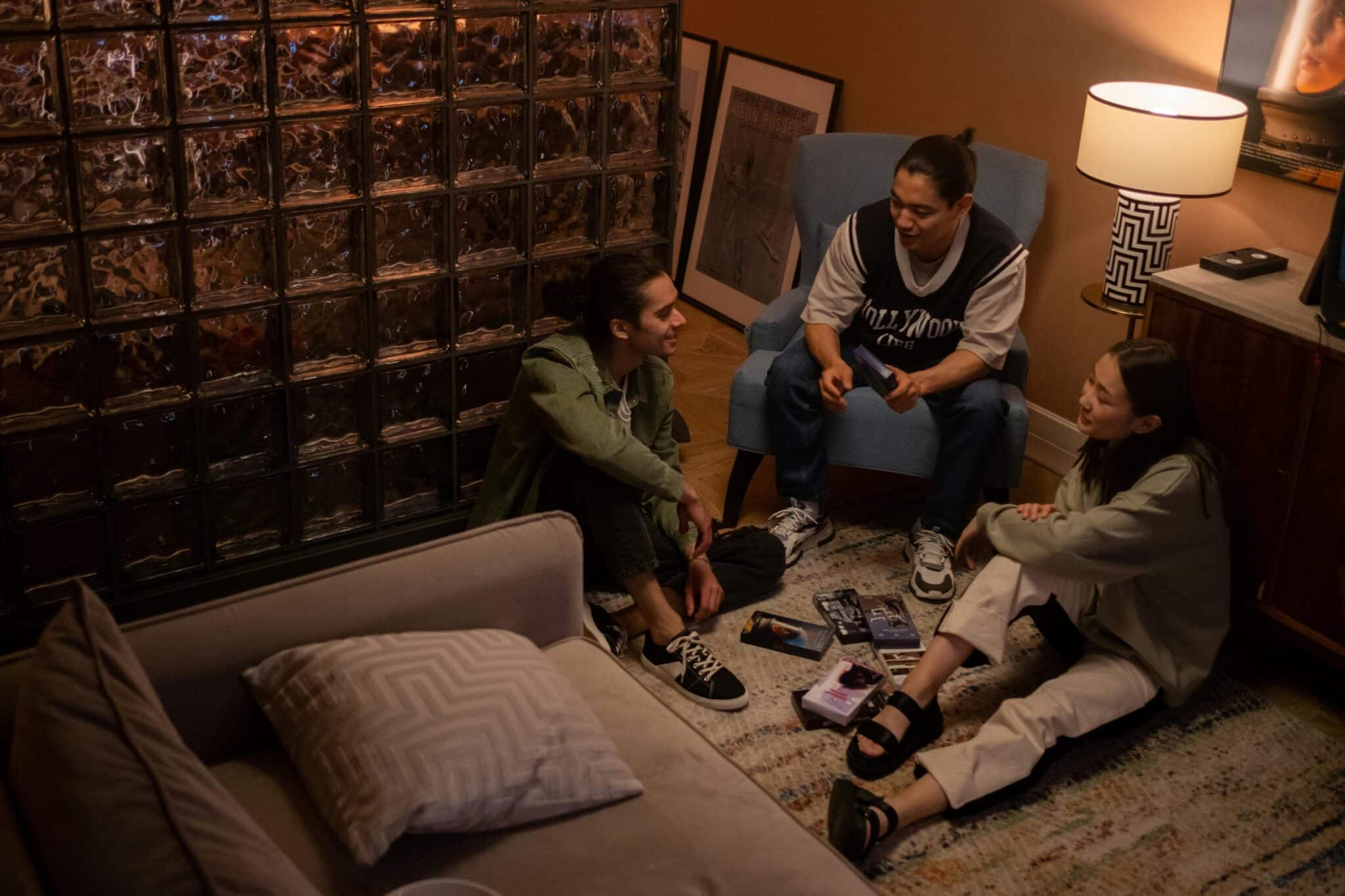
While streaming often feels like a solitary activity, it maintains social dimensions. Virtual watch parties allow geographically separated friends or family to view films simultaneously while chatting. Social media discussions around popular releases create shared cultural moments. Recommendation exchanges between friends help discover new favorites.
Online film communities provide spaces for deeper engagement with cinema. Discussion forums, review platforms, and social media groups connect enthusiasts with shared interests. These interactions enhance appreciation by adding context, analysis, and diverse perspectives.
Even without explicit social features, streaming contributes to cultural conversations. Popular releases generate widespread discussion, creating common reference points and shared experiences across communities.
🚀 Looking Toward Streaming’s Future
Technology continues evolving, promising even more flexible and immersive viewing experiences. Virtual reality may create cinema that surrounds viewers, interactive narratives might allow audience choices to shape stories, and AI curation could become increasingly sophisticated at understanding individual preferences.
Accessibility features are improving, with better captioning, audio description, and translation options making films available to broader audiences. Content libraries expand as more archival material gets digitized and distribution barriers continue falling.
The fundamental promise remains constant: movies available where you are, when you want them, adapting entertainment to your life rather than requiring you to adapt to rigid schedules and locations. This flexibility has permanently changed our relationship with cinema, making film culture more accessible, diverse, and integrated into daily life than ever before.
Whether you’re discovering international masterpieces through platforms like Kanopy, enjoying blockbusters on mainstream services, or exploring documentary cinema that expands your understanding of the world, the ability to watch movies anywhere and anytime represents a genuine revolution in how we experience storytelling and culture.

Toni Santos is a visionary artisan and conceptual designer who channels the beauty of living organisms into structural expression. At Zureste, Toni explores the intricate elegance of insect anatomy, organic flow, and bioinspired design to create art that feels both natural and otherworldly.
Each creation Toni brings to life reflects a harmonic tension between structure and softness, wildness and control — echoing the complex intelligence found in the natural world. From beetle-like silhouettes to root-shaped contours, his work blurs the lines between biology, sculpture, and modern art.
Guided by fascination for metamorphosis, evolution, and pattern in nature, Toni’s pieces embody transformation. His BioLight Collection and conceptual series like Insect Type and Structure Aesthetics offer viewers more than aesthetic value — they present immersive experiences of living design.
As the creative force behind Zureste, Toni invites us to rethink beauty, architecture, and identity through a new lens — one shaped by wings, bones, spirals, and the microscopic poetry of the organic.
His creations reflect:
-
Design deeply rooted in the geometry of life
-
Inspiration from insects, roots, and the unseen natural order
-
A blend of science, spirituality, and visual storytelling
Whether you’re a lover of strange beauty, an admirer of evolution’s artistry, or a creative mind seeking something different, Toni welcomes you into a world where living forms become meaning, and surreal becomes sublime.