
Anúncios
Home security has evolved dramatically, and now you can monitor your property in real-time from anywhere using just your smartphone. 📱🏠


The peace of mind that comes with knowing your home is protected can’t be overstated. Whether you’re at work, traveling abroad, or simply running errands around town, modern monitoring cameras provide a reliable connection to what matters most. These smart devices have transformed from bulky, expensive systems into sleek, affordable solutions accessible to everyone.
Anúncios
Today’s surveillance technology isn’t just about recording footage anymore. It’s about creating an intelligent ecosystem that alerts you to unusual activity, recognizes familiar faces, and even lets you communicate with visitors at your door. The convenience of accessing live feeds through intuitive mobile apps means security is literally in the palm of your hand.
🔐 Why Real-Time Monitoring Changes Everything
Traditional security systems required you to review footage after an incident occurred. While helpful for investigations, this reactive approach couldn’t prevent problems in real-time. Modern monitoring cameras flip this script entirely by providing instant notifications and live streaming capabilities.
Anúncios
When motion is detected at your front door, you receive an alert within seconds. You can immediately open your smartphone app and see exactly what’s happening. Is it a delivery person, a neighbor, or something requiring immediate attention? This instant awareness empowers you to make informed decisions quickly.
Real-time access also proves invaluable for everyday situations beyond security threats. Check if your kids arrived home safely from school, see when packages are delivered, or verify that you remembered to lock the door. These seemingly small conveniences add tremendous value to daily life.
📹 Essential Features to Look for in Monitoring Cameras
Not all security cameras are created equal. Understanding which features truly matter helps you choose systems that deliver reliable protection without unnecessary complexity.
High-Definition Video Quality
Crystal-clear footage makes all the difference when identifying faces, license plates, or suspicious activities. Look for cameras offering at least 1080p resolution, though many premium options now provide 2K or even 4K clarity. Remember that higher resolution requires more bandwidth and storage, so balance quality with your internet capabilities.
Night Vision Capabilities
Most security incidents occur during nighttime hours when visibility is naturally limited. Infrared night vision technology illuminates dark areas without visible light, capturing clear footage even in complete darkness. Advanced cameras can see up to 30 feet or more in pitch-black conditions.
Two-Way Audio Communication
Built-in speakers and microphones transform cameras from passive observers into interactive devices. Speak to delivery personnel giving instructions, warn potential intruders they’re being recorded, or comfort pets anxious during your absence. This feature adds a powerful layer of functionality beyond simple monitoring.
Motion Detection and Smart Alerts
Continuous recording generates overwhelming amounts of footage. Intelligent motion detection identifies actual events worth your attention, sending notifications only when something happens. Advanced systems use AI to distinguish between people, animals, and vehicles, reducing false alarms from passing cars or neighborhood cats.
Weather Resistance for Outdoor Cameras
Exterior cameras must withstand rain, snow, extreme temperatures, and direct sunlight. Check for IP65 or higher weatherproof ratings ensuring durability through all seasons. Quality outdoor cameras function reliably whether facing desert heat or winter freezes.
🏡 Strategic Camera Placement for Maximum Coverage
Even the most advanced camera system won’t protect your property effectively if positioned poorly. Strategic placement maximizes coverage while minimizing blind spots.
Start with entry points—front door, back door, and garage access. These locations capture everyone entering or leaving your property. Position cameras high enough to avoid tampering but angled to capture clear facial images. A camera mounted seven to eight feet high typically provides the ideal perspective.
Cover driveways and parking areas where vehicles come and go. These cameras should capture license plates and document any suspicious vehicles lingering nearby. Wide-angle lenses work well for these open spaces, covering larger areas with fewer devices.
Don’t overlook side yards and alleys adjacent to your property. Intruders often prefer these less visible routes, hoping to avoid detection. Cameras with motion-activated lighting in these areas serve double duty—deterring trespassers while capturing clear footage.
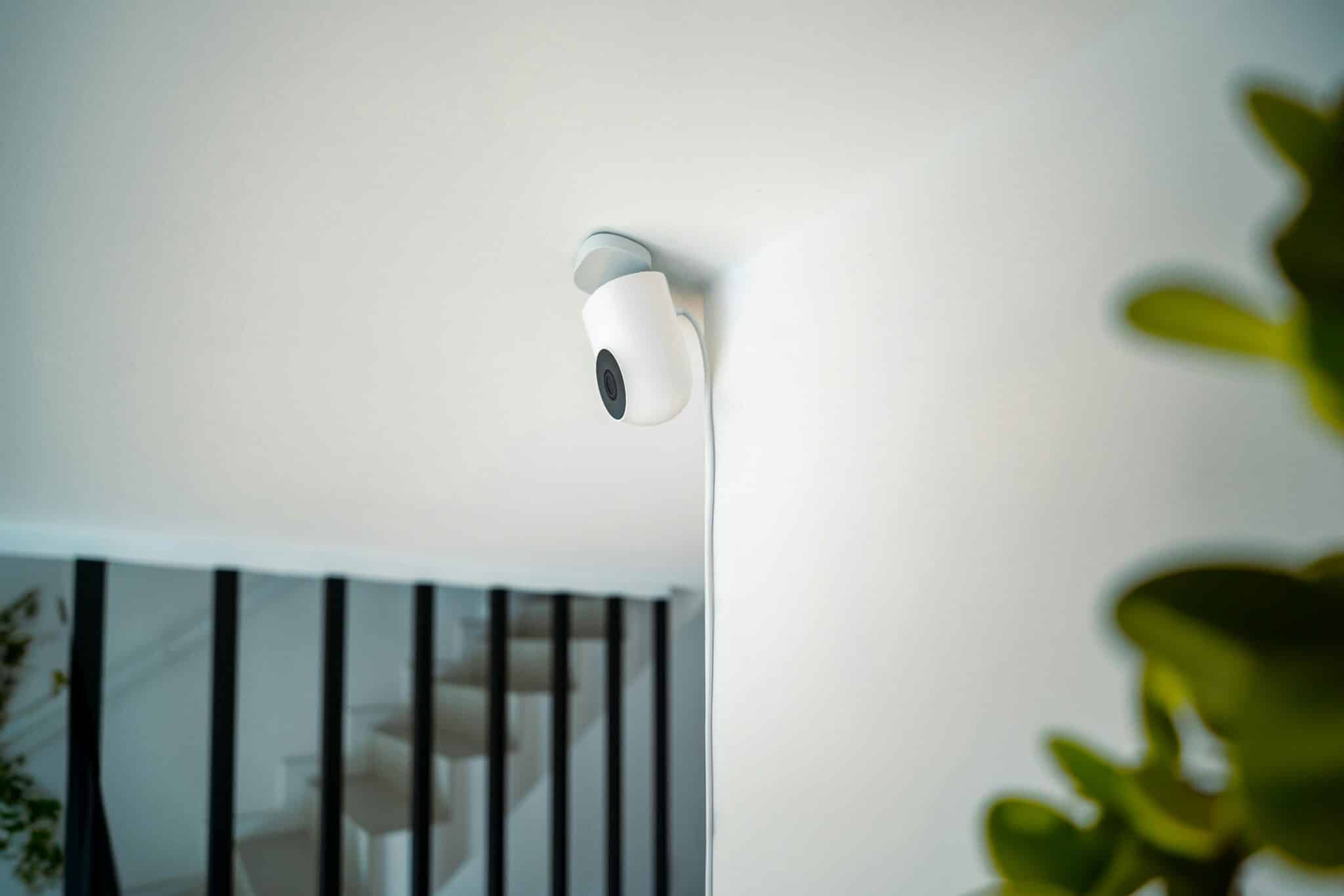
Interior cameras provide additional layers of protection, monitoring high-value rooms or areas where children and pets spend time. Living rooms, home offices, and playrooms are common choices. Always balance security needs with privacy concerns, avoiding cameras in bedrooms or bathrooms where personal privacy expectations are highest.
📱 Mobile Apps: Your Security Command Center
The true power of modern surveillance systems lies in mobile app integration. These applications transform your smartphone into a comprehensive security control center, accessible anywhere with internet connectivity.
Quality apps offer intuitive interfaces displaying all camera feeds simultaneously or individually. Swipe between cameras with simple gestures, zoom into specific areas for closer inspection, and switch between live and recorded footage seamlessly. The best apps load quickly and stream smoothly even on cellular data connections.
Push notifications alert you instantly when cameras detect motion, sound, or other programmed triggers. Customize notification preferences for each camera and time period—perhaps more sensitive alerts overnight when everyone’s sleeping, but reduced notifications during busy daytime hours when activity is expected.
Cloud storage integration through mobile apps means your footage remains safe even if cameras are damaged or stolen. Recordings automatically upload to secure servers, accessible anytime through your account. Many services offer tiered storage plans, from basic free options to premium plans storing weeks or months of continuous footage.
🌐 Wireless vs. Wired: Choosing Your Connection Type
One fundamental decision when selecting monitoring cameras involves choosing between wireless and wired systems. Each approach offers distinct advantages depending on your specific situation.
Wireless Cameras: Flexibility and Easy Installation
Wireless cameras connect to your home network via Wi-Fi, eliminating the need for complicated cable runs through walls and attics. Installation typically takes minutes rather than hours, making them perfect for renters or anyone wanting quick setup without professional installation.
Battery-powered wireless cameras offer ultimate flexibility, positioning anywhere within Wi-Fi range without considering power outlets. Solar panel accessories extend battery life indefinitely in sunny locations. However, remember to monitor battery levels and recharge or replace as needed.
The trade-off involves potential Wi-Fi reliability issues. Thick walls, distance from routers, and network congestion can affect video quality and connection stability. Position cameras within strong Wi-Fi coverage areas or consider mesh network systems extending reliable coverage throughout your property.
Wired Cameras: Reliability and Consistent Power
Wired cameras connect directly to recording devices and power sources through cables. This dedicated connection ensures consistent, high-quality video streams unaffected by Wi-Fi fluctuations. Professional installations look clean with cables concealed within walls.
Power-over-Ethernet (PoE) systems simplify wiring by transmitting both data and power through single cables. This technology reduces installation complexity while maintaining the reliability advantages of wired systems.
The main drawbacks involve higher installation effort and reduced flexibility. Moving wired cameras requires running new cables, and installation may require professional assistance depending on your comfort level with electrical work and drilling.
💰 Budget-Friendly Options Without Compromising Security
Professional-grade home security no longer requires massive investments. Numerous affordable options deliver reliable protection without breaking the bank.
Start small and expand gradually. Purchase one or two quality cameras for the most critical areas first, then add additional units over time as budget allows. This approach spreads costs while immediately addressing your highest priority security concerns.
Consider systems offering free cloud storage for basic recording needs. Many manufacturers provide limited free storage sufficient for typical home monitoring, with optional paid plans for extended retention or additional features.
DIY installation saves significant money compared to professional services. Most modern cameras are designed for easy self-installation with clear instructions and online tutorials. Unless dealing with complex wired systems, you can likely handle setup yourself in an afternoon.
Watch for bundle deals when buying multiple cameras. Manufacturers often discount packages including several cameras and additional accessories, providing better value than purchasing items individually.
🔔 Smart Home Integration and Automation
Modern monitoring cameras excel when integrated into broader smart home ecosystems. These connections create automated responses enhancing both security and convenience.
Connect cameras to smart lighting systems automatically illuminating areas when motion is detected. Intruders avoid well-lit properties, and sudden lights often deter suspicious activity before anything occurs. Simultaneously, lights assist cameras in capturing clearer nighttime footage.
Smart lock integration allows visual verification before remotely unlocking doors for expected visitors. See delivery personnel through your camera, then unlock the door via your app so they can leave packages securely inside rather than on your porch.
Voice assistant compatibility enables hands-free camera control. Ask your smart speaker to display specific camera feeds on connected screens, making quick checks effortless while cooking dinner or working from home.
Create custom automation routines responding to camera triggers. When your driveway camera detects motion after 10 PM, automatically turn on exterior lights, start recording on all cameras, and send enhanced notifications to your phone. These intelligent responses happen instantly without requiring your intervention.
🛡️ Privacy Considerations and Legal Compliance
While monitoring cameras provide security benefits, responsible use requires respecting privacy rights and understanding legal obligations.
Focus cameras on your own property rather than neighboring homes or public spaces. While incidental capture of adjacent areas may be unavoidable, intentionally surveilling areas where others have reasonable privacy expectations can create legal issues and neighborly conflicts.
Post visible signage indicating video surveillance is active. These notices serve dual purposes—deterring potential intruders while informing visitors they’re being recorded. Many jurisdictions require such notification for legal compliance.
Secure your camera system with strong passwords and enable two-factor authentication when available. Compromised cameras can be exploited by hackers, potentially exposing your private footage or providing criminals with intelligence about your home’s vulnerabilities.
Review and understand data retention policies for cloud-based storage services. Know where footage is stored, who can access it, and how long recordings are retained. Choose providers with transparent privacy policies and strong security practices.
🔧 Maintenance Tips for Long-Term Reliability
Proper maintenance ensures your monitoring cameras continue delivering reliable performance years after installation.
Clean camera lenses regularly using soft, lint-free cloths. Dust, pollen, spider webs, and weather residue gradually obscure lenses, degrading image quality. Quick monthly cleanings keep views crystal clear.
Check and update firmware whenever manufacturers release new versions. These updates often include security patches, performance improvements, and new features. Enable automatic updates if your system supports this option.
Test cameras periodically by reviewing footage and verifying all features function correctly. Ensure motion detection triggers appropriately, night vision activates in darkness, and mobile notifications arrive promptly. Early detection of issues allows quick resolution before problems compromise security.
Inspect mounting hardware and connections, especially for outdoor cameras exposed to weather. Tighten any loose screws, verify waterproof seals remain intact, and ensure cables show no signs of damage or wear.
For battery-powered cameras, establish regular charging schedules preventing unexpected power loss. Consider purchasing spare batteries enabling quick swaps without leaving cameras offline during recharging.
🌟 Real-Life Scenarios Where Cameras Prove Invaluable
Beyond deterring burglars, monitoring cameras provide assistance across countless everyday situations homeowners encounter.
Package theft has become increasingly common with the rise of online shopping. Cameras provide clear evidence identifying thieves and assist law enforcement in recovery efforts. More importantly, the visible presence of cameras often discourages theft attempts entirely.
Verify contractors and service personnel arrive as scheduled and work professionally. Review footage confirming work was completed properly and identifying any issues that might arise later. This documentation protects both homeowners and honest professionals.
Monitor elderly family members or individuals with medical conditions requiring occasional supervision. Cameras allow discreet check-ins respecting their independence while ensuring help is available quickly if needed.
Keep tabs on pet behavior when you’re away. Is your dog anxious and destructive during your absence? Cameras help identify behavioral patterns and timing, informing effective training approaches. Some cameras even include treat dispensers and interactive features keeping pets engaged.
Resolve disputes with neighbors or visitors by providing factual video evidence of events. Whether it’s a fender bender in your driveway or disagreement about property boundaries, recorded footage offers objective documentation preventing conflicts from escalating.
🚀 Future Trends in Home Monitoring Technology
The security camera industry continues evolving rapidly, with emerging technologies promising even more impressive capabilities.
Artificial intelligence and machine learning are making cameras increasingly intelligent. Future systems will recognize individual family members, distinguish between routine and unusual behaviors, and predict potential security concerns before incidents occur.
Facial recognition technology is becoming more accessible and affordable for residential use. Cameras will automatically identify known visitors while flagging unrecognized individuals, reducing false alarms and highlighting genuine security events.
Enhanced integration with emergency services will enable cameras to automatically alert police or fire departments when detecting specific threats. Smoke, breaking glass, or other danger signals could trigger immediate professional response alongside your personal notifications.
Improved battery technology will extend wireless camera operation periods from weeks to months or even years on single charges. Solar integration will become standard, making truly wireless, maintenance-free systems practical in virtually any location.
Higher resolution imaging including 8K video will capture unprecedented detail, making identification of distant subjects or small details significantly easier. Advances in compression technology will keep bandwidth and storage requirements manageable despite increased resolution.
✅ Taking the First Step Toward Better Home Security
Implementing a home monitoring system might seem overwhelming initially, but breaking the process into manageable steps makes it straightforward and achievable.
Begin by assessing your specific security needs and priorities. Which areas concern you most? What specific threats or scenarios worry you? Understanding your unique situation helps you choose appropriate equipment and avoid purchasing unnecessary features.
Research available systems comparing features, prices, and user reviews. Look beyond marketing claims to understand real-world performance from actual customers. Online communities and security forums provide valuable insights from experienced users.
Start with a basic system covering your highest priority areas. Gain familiarity with the technology and refine your understanding of what works best for your situation. Expansion becomes easier and more informed once you’ve experienced the system firsthand.
Download the mobile app and familiarize yourself with all available features. Explore settings, customize notifications, and practice accessing live feeds and recorded footage. The more comfortable you become with the interface, the more value you’ll extract from the system.
Home security shouldn’t be complicated or stressful. Modern monitoring cameras have democratized professional-grade protection, making it accessible and affordable for everyone. With your smartphone, you carry powerful peace of mind knowing your home remains protected wherever life takes you. The investment in quality surveillance technology pays dividends through reduced anxiety, enhanced safety, and the priceless ability to stay connected with what matters most—your home and loved ones. 🏠🔒

Toni Santos is a visionary artisan and conceptual designer who channels the beauty of living organisms into structural expression. At Zureste, Toni explores the intricate elegance of insect anatomy, organic flow, and bioinspired design to create art that feels both natural and otherworldly.
Each creation Toni brings to life reflects a harmonic tension between structure and softness, wildness and control — echoing the complex intelligence found in the natural world. From beetle-like silhouettes to root-shaped contours, his work blurs the lines between biology, sculpture, and modern art.
Guided by fascination for metamorphosis, evolution, and pattern in nature, Toni’s pieces embody transformation. His BioLight Collection and conceptual series like Insect Type and Structure Aesthetics offer viewers more than aesthetic value — they present immersive experiences of living design.
As the creative force behind Zureste, Toni invites us to rethink beauty, architecture, and identity through a new lens — one shaped by wings, bones, spirals, and the microscopic poetry of the organic.
His creations reflect:
-
Design deeply rooted in the geometry of life
-
Inspiration from insects, roots, and the unseen natural order
-
A blend of science, spirituality, and visual storytelling
Whether you’re a lover of strange beauty, an admirer of evolution’s artistry, or a creative mind seeking something different, Toni welcomes you into a world where living forms become meaning, and surreal becomes sublime.