Anúncios
Keeping your mind sharp and agile doesn’t have to be a chore—it can be an exciting, enjoyable part of your daily routine filled with engaging challenges.


In our fast-paced digital world, mental fitness has become just as important as physical health. The good news is that exercising your brain doesn’t require expensive equipment or complicated routines. From brain-training apps to classic puzzles and creative hobbies, there are countless ways to boost cognitive function while having genuine fun.
Anúncios
Whether you’re looking to improve memory, enhance problem-solving skills, or simply keep your mind active as you age, incorporating enjoyable mental activities into your lifestyle can make a remarkable difference. Let’s explore the most effective and entertaining ways to give your brain the workout it deserves. 🧠✨
Why Mental Exercise Matters More Than Ever
Our brains are incredibly adaptable organs that continue to form new neural connections throughout our lives. This phenomenon, known as neuroplasticity, means we can genuinely improve cognitive abilities at any age through consistent mental stimulation.
Anúncios
Research consistently shows that people who engage in regular brain-challenging activities experience slower cognitive decline and maintain sharper thinking skills well into their senior years. Mental exercise helps build what scientists call “cognitive reserve”—essentially a buffer that helps your brain compensate for age-related changes.
Beyond preventing decline, fun mental activities can improve focus, boost creativity, enhance memory recall, and even reduce stress levels. When you enjoy what you’re doing, your brain releases dopamine, which actually helps cement learning and makes the entire process more effective.
Digital Brain Training: Apps That Make Thinking Fun 📱
The smartphone revolution has brought professional-grade brain training right into our pockets. Modern cognitive training apps use scientifically-designed games that target specific mental skills while keeping the experience genuinely entertaining.
Popular platforms offer daily challenges that adapt to your performance level, ensuring you’re always working within your optimal learning zone—not too easy to be boring, not too hard to be frustrating. These apps typically focus on core cognitive areas including memory, attention, flexibility, problem-solving, and processing speed.
What makes app-based training particularly effective is the combination of variety, personalization, and progress tracking. You can see tangible improvements over time, which provides motivating feedback that keeps you coming back. Many users report noticeable improvements in real-world tasks like remembering names, multitasking, and mental math after just a few weeks of consistent practice.
Choosing the Right Brain Training Platform
Not all brain training apps are created equal. Look for platforms developed with input from neuroscientists and backed by research. The best apps offer a balanced workout across multiple cognitive domains rather than focusing on just one type of skill.
Consider your personal goals when selecting an app. Some platforms emphasize memory enhancement, while others focus more on problem-solving or attention skills. Many quality apps offer free trials, allowing you to explore different options before committing to a subscription.
Classic Puzzles That Never Go Out of Style 🧩
Long before smartphones, humans were sharpening their minds with timeless puzzles that remain remarkably effective today. Crossword puzzles, sudoku, jigsaw puzzles, and logic problems have stood the test of time because they genuinely work.
Crossword puzzles are excellent for vocabulary building and semantic memory. They require you to access stored knowledge while making creative connections between clues and answers. Regular crossword solvers often demonstrate better verbal fluency and language skills.
Sudoku challenges your logical reasoning and pattern recognition abilities. This number-placement puzzle requires sustained concentration and systematic thinking, making it an ideal workout for analytical brain regions. The satisfaction of completing a challenging grid releases feel-good neurotransmitters that reinforce the behavior.
Jigsaw puzzles engage multiple cognitive processes simultaneously—visual perception, spatial reasoning, short-term memory, and problem-solving. They also promote mindfulness and stress reduction, making them a perfect evening activity to unwind while still giving your brain a gentle workout.
Learning New Skills: The Ultimate Brain Booster 🎸
Few things challenge your brain quite like learning something completely new. When you tackle an unfamiliar skill, your brain forms entirely new neural pathways and strengthens connections across different regions.
Learning a musical instrument is particularly powerful for brain development. It requires coordination between motor skills, auditory processing, reading notation, and emotional expression. Studies show that musicians often have enhanced memory, better attention control, and improved executive function compared to non-musicians.
Language learning ranks among the most comprehensive brain workouts available. It engages memory systems, pattern recognition, auditory processing, and cultural understanding simultaneously. Bilingual individuals often show greater cognitive flexibility and better multitasking abilities throughout their lives.
Even learning practical skills like cooking new cuisines, woodworking, or digital photography provides excellent mental stimulation. The key is choosing something that genuinely interests you—passion fuels persistence, and consistency is what truly drives neuroplastic change.
Strategic Games That Sharpen Your Thinking 🎯
Board games and card games offer social mental exercise, combining cognitive challenge with interpersonal interaction. This combination is particularly beneficial, as social engagement itself has protective effects on brain health.
Chess remains the gold standard for strategic thinking development. This ancient game demands planning, pattern recognition, tactical calculation, and the ability to think several moves ahead. Regular chess players develop enhanced problem-solving skills that transfer to real-world situations.
Modern strategy board games like Settlers of Catan, Ticket to Ride, or Pandemic require resource management, planning, and adaptive thinking. These games are accessible enough for beginners yet deep enough to challenge experienced players, making them perfect for mixed-ability groups.
Card games like Bridge or Poker involve probability calculation, memory, and psychological reading of other players. These skills have obvious applications beyond the game table, improving decision-making under uncertainty in everyday life.
Physical Activities That Exercise Your Mind 🏃♀️
The mind-body connection runs deeper than most people realize. Physical activities that require coordination, rhythm, or navigation provide exceptional brain benefits alongside cardiovascular health.
Dance combines physical exercise with cognitive demands like memorizing sequences, maintaining rhythm, and coordinating movements with partners. Studies show that regular dancers experience less cognitive decline and have a significantly reduced risk of dementia compared to sedentary individuals.
Martial arts like tai chi, karate, or judo require mental discipline, spatial awareness, and the integration of complex movement patterns. Practitioners develop improved focus, better emotional regulation, and enhanced mind-body awareness.
Even activities like hiking in new environments provide cognitive benefits. Navigation through unfamiliar terrain activates hippocampal regions involved in spatial memory and cognitive mapping, potentially strengthening these crucial brain areas.
Creative Pursuits for Cognitive Enhancement 🎨
Engaging in creative activities stimulates brain regions often underutilized in our routine-driven lives. Creativity requires flexible thinking, novel problem-solving, and the integration of diverse information—all excellent brain exercises.
Visual arts like painting, drawing, or sculpting develop fine motor skills, visual-spatial processing, and creative problem-solving. The meditative quality of artistic creation also reduces stress hormones that can damage brain cells over time.
Writing—whether journaling, fiction, or poetry—engages language centers, memory systems, and creative thinking simultaneously. Regular writing improves verbal fluency, organizational thinking, and emotional processing capabilities.
Crafts like knitting, origami, or model building require pattern following, fine motor control, and sustained attention. These activities are particularly good for improving focus and providing stress-relieving mindfulness benefits.
Memory Games and Techniques Worth Mastering 🎴
Memory isn’t a fixed trait—it’s a skill that improves with practice and proper techniques. Fun memory games can dramatically enhance your ability to recall information when you need it.
The classic card-matching game (often called Concentration or Memory) strengthens working memory and attention to detail. Modern variations include apps with increasingly complex patterns and sequences to challenge even advanced players.
Learning memory techniques like the Method of Loci (memory palace) or the Peg System transforms memorization from rote repetition into creative visualization. These methods engage spatial reasoning and imagination, making them inherently more enjoyable than traditional memorization.
Name-face association games help with one of the most common memory complaints—forgetting people’s names. These exercises train you to create meaningful connections between facial features and names, dramatically improving social memory.
Reading: The Original Brain Workout 📚
Reading remains one of the most accessible and effective cognitive activities available. The act of reading activates multiple brain regions simultaneously, creating a complex neural workout that few other activities can match.
Fiction reading has unique benefits, as it requires you to construct mental models of characters, settings, and plot developments. This imaginative work strengthens theory of mind—the ability to understand others’ perspectives—and enhances empathy.
Non-fiction reading, particularly on unfamiliar topics, forces your brain to integrate new information with existing knowledge structures. This process strengthens learning pathways and keeps your mind flexible and adaptive.
Varying your reading material provides broader cognitive stimulation. Mix genres, styles, and difficulty levels to challenge different aspects of language processing and comprehension.
Social Activities That Keep Your Mind Sharp 👥
Human brains evolved to be social, and interpersonal interaction provides complex cognitive challenges that solitary activities cannot replicate. Maintaining strong social connections correlates strongly with preserved cognitive function in older adults.
Engaging in meaningful conversations requires real-time language processing, perspective-taking, emotional reading, and adaptive thinking. Book clubs, discussion groups, or debate societies provide structured opportunities for this type of cognitive-social exercise.
Teaching others is one of the best ways to solidify your own understanding while exercising communication and organizational skills. Whether tutoring, mentoring, or simply explaining your hobby to interested friends, teaching keeps your mind sharp and engaged.
Collaborative problem-solving activities—from escape rooms to community projects—combine social interaction with cognitive challenge, providing dual benefits for brain health.
Building a Sustainable Mental Fitness Routine 🗓️
The secret to long-term cognitive benefits isn’t finding the single “best” brain exercise—it’s building a varied, sustainable routine that you actually enjoy and will maintain over time.
Start small with just 10-15 minutes daily of deliberate mental exercise. Consistency matters far more than duration when building cognitive reserve. Choose activities you genuinely find engaging rather than forcing yourself through exercises that feel like drudgery.
Variety is crucial for comprehensive brain training. Rotate through different types of activities to ensure you’re challenging multiple cognitive systems. A balanced approach might include digital brain training a few days per week, puzzle-solving on others, and creative or social activities on weekends.
Track your progress to maintain motivation. Whether through app metrics, puzzle completion times, or simply journaling about your experiences, visible progress provides powerful reinforcement that keeps you engaged long-term.
Making Mental Exercise Part of Your Lifestyle 🌟
The most effective brain training happens when cognitive challenges become seamlessly integrated into daily life rather than feeling like separate obligations. Look for opportunities to exercise your mind throughout normal routines.
Transform commute time into learning time with audiobooks, language lessons, or educational podcasts. Use waiting periods for quick brain-training games or mental math exercises. Replace mindless phone scrolling with purposeful cognitive activities.
Make mental exercise social by involving family and friends. Weekly game nights, puzzle competitions, or learning projects with others combine cognitive benefits with relationship-building and accountability.
Remember that rest and sleep are essential components of cognitive fitness. Your brain consolidates learning and clears metabolic waste during sleep, making adequate rest crucial for getting maximum benefit from your mental exercise efforts.
Measuring Progress and Celebrating Wins 🏆
One advantage of modern brain training approaches is the ability to quantify improvement. Seeing tangible progress—whether faster completion times, higher scores, or advancing difficulty levels—provides motivating feedback that reinforces your efforts.
Beyond metrics, pay attention to real-world improvements. Do you remember names more easily? Can you focus longer on challenging tasks? Are you solving problems more creatively? These practical benefits are the true measure of effective brain training.
Celebrate milestones along your cognitive fitness journey. Completing a challenging puzzle, reaching a streak in your brain-training app, or successfully learning a new skill deserves recognition. These celebrations reinforce positive habits and keep motivation high.
Share your progress with others who understand the value of mental fitness. Online communities, local clubs, or simply friends and family can provide support, encouragement, and additional accountability for your brain health journey.
Your Brain Deserves the Best Workout
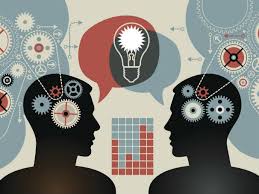
Mental fitness isn’t about becoming a genius overnight—it’s about consistently challenging your brain in enjoyable ways that preserve and enhance cognitive function throughout your life. The activities that work best are those you’ll actually do regularly, so prioritize enjoyment alongside effectiveness.
From sophisticated brain-training apps to timeless puzzles, strategic games to creative pursuits, there’s never been a better time or more diverse options for keeping your mind sharp. The key is starting today with whatever appeals to you most and building from there.
Your brain is remarkably adaptable and responsive to training at any age. By incorporating fun, engaging mental activities into your routine, you’re investing in cognitive resilience that will serve you for decades to come. The journey to a sharper, more agile mind begins with a single puzzle, game, or challenge—so why not start right now? 🧠💪

Toni Santos is a visionary artisan and conceptual designer who channels the beauty of living organisms into structural expression. At Zureste, Toni explores the intricate elegance of insect anatomy, organic flow, and bioinspired design to create art that feels both natural and otherworldly.
Each creation Toni brings to life reflects a harmonic tension between structure and softness, wildness and control — echoing the complex intelligence found in the natural world. From beetle-like silhouettes to root-shaped contours, his work blurs the lines between biology, sculpture, and modern art.
Guided by fascination for metamorphosis, evolution, and pattern in nature, Toni’s pieces embody transformation. His BioLight Collection and conceptual series like Insect Type and Structure Aesthetics offer viewers more than aesthetic value — they present immersive experiences of living design.
As the creative force behind Zureste, Toni invites us to rethink beauty, architecture, and identity through a new lens — one shaped by wings, bones, spirals, and the microscopic poetry of the organic.
His creations reflect:
-
Design deeply rooted in the geometry of life
-
Inspiration from insects, roots, and the unseen natural order
-
A blend of science, spirituality, and visual storytelling
Whether you’re a lover of strange beauty, an admirer of evolution’s artistry, or a creative mind seeking something different, Toni welcomes you into a world where living forms become meaning, and surreal becomes sublime.