
Anúncios
Your birth chart is more than just a snapshot of the sky—it’s a cosmic blueprint of your soul, waiting to be explored and understood.

Astrology has captivated humanity for thousands of years, offering insights into personality traits, life patterns, and cosmic timing. Your birth chart—also known as a natal chart—serves as a personalized map that reveals the positions of planets, signs, and houses at the exact moment of your birth. Understanding this celestial fingerprint can transform how you navigate relationships, career decisions, and personal growth.
Anúncios
But reading your birth chart isn’t a one-time event. The universe is constantly moving, and so are the planets that influence your life. By keeping track of your birth chart and staying updated with current planetary transits, you unlock deeper layers of self-awareness and can better align with cosmic rhythms. Let’s dive into how you can truly follow and stay informed about your astrological map. ✨
🌟 Understanding the Foundation: What Is Your Birth Chart?
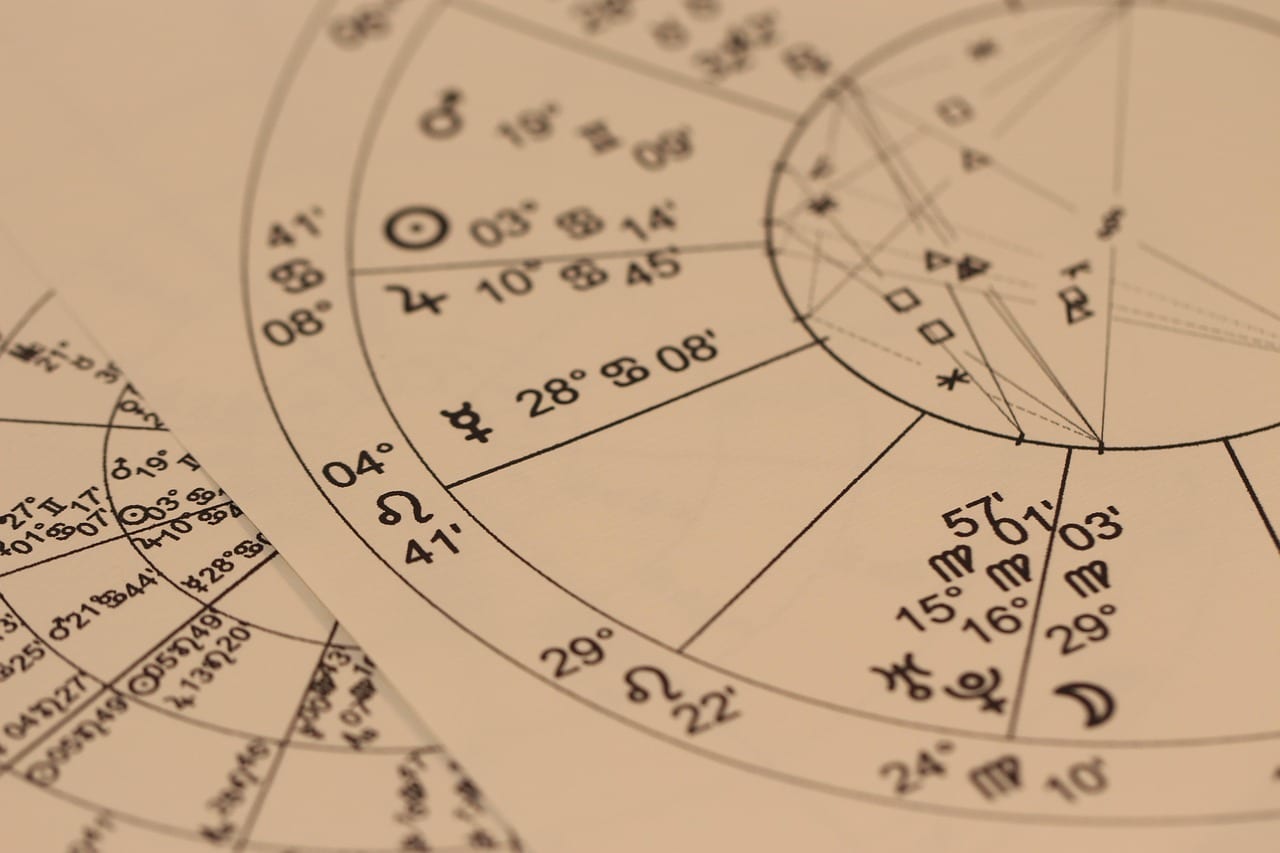
Your birth chart is a 360-degree wheel divided into twelve sections called houses. Each house governs specific life areas—like relationships, career, home, and spirituality. Within these houses, the twelve zodiac signs and ten major celestial bodies (Sun, Moon, Mercury, Venus, Mars, Jupiter, Saturn, Uranus, Neptune, and Pluto) create a unique energetic pattern.
Anúncios
Think of it as a cosmic DNA sequence. No two birth charts are identical, even for twins born minutes apart. This is what makes astrology so profoundly personal. The Sun sign you read in horoscopes is just one piece of the puzzle. Your Moon sign reveals emotional needs, your Rising sign (Ascendant) shapes how others perceive you, and your Venus sign influences love styles.
To calculate your birth chart accurately, you need three key details: your birth date, exact birth time, and birth location. Even a few minutes’ difference can shift your Rising sign or house placements, altering interpretations significantly.
🔍 Why Following Your Birth Chart Matters
Staying connected to your birth chart isn’t about predicting the future—it’s about understanding energy patterns and making conscious choices. Astrology operates on cycles. Planets move through signs and houses, forming aspects (angles) with your natal planets. These transits can activate different areas of your chart, bringing opportunities, challenges, or periods of reflection.
For instance, when Jupiter (the planet of expansion) transits your 10th house of career, you might experience professional growth or recognition. When Saturn (the taskmaster) crosses your Moon, you could face emotional lessons that strengthen your resilience. Recognizing these patterns helps you work with cosmic energy instead of against it.
Regular chart tracking also enhances self-awareness. You begin noticing how certain planetary placements manifest in your behavior, relationships, and life choices. This awareness fosters compassion for yourself and others, as you realize everyone operates from their unique cosmic blueprint.
📱 Modern Tools to Track Your Astrological Journey
Gone are the days when you needed to consult an astrologer for every question. Today’s technology brings astrology to your fingertips through sophisticated apps and online platforms. These tools calculate your chart instantly, explain planetary positions in accessible language, and send personalized notifications about important transits.
Quality astrology apps offer daily insights based on your specific chart—not generic Sun sign horoscopes. They track current planetary movements and alert you when significant aspects form with your natal planets. Some even provide remedies, affirmations, or journaling prompts aligned with cosmic weather.
When choosing an astrology app, look for features like accurate birth chart calculations, transit tracking, compatibility reports, and educational content. The best platforms balance automation with depth, offering both quick daily reads and comprehensive chart analyses.
🌙 Key Chart Elements You Should Monitor Regularly
While your birth chart remains constant, certain moving pieces deserve consistent attention. Here are the essential elements to follow:
Transiting Planets and Your Natal Positions
Transits occur when current planets form angles with planets in your birth chart. Major transits—especially from slow-moving outer planets like Saturn, Uranus, Neptune, and Pluto—shape life chapters lasting months or years. Fast-moving planets like Mercury, Venus, and Mars create shorter influences, perfect for timing smaller decisions.
Lunar Phases and Your Moon Sign
The Moon cycles through all twelve signs approximately every 28 days. Paying attention to when the Moon transits your natal Moon sign creates a “lunar return”—a monthly emotional reset. New Moons and Full Moons also activate different houses in your chart, highlighting specific life areas for initiation or release.
Retrogrades and Their Impact
When planets appear to move backward from Earth’s perspective, they retrograde. These periods invite review, revision, and reflection in the areas that planet governs. Mercury retrograde affects communication and technology, Venus retrograde revisits relationship patterns, and Mars retrograde slows action and ambition.
Progressions: Your Evolving Chart
Progressed charts show your psychological development over time. While less commonly discussed than transits, progressions reveal internal shifts. Your progressed Moon changes signs every 2-3 years, shifting emotional priorities. Your progressed Sun changes signs roughly every 30 years, marking major life phases.
🎯 Practical Ways to Stay Connected to Your Chart
Knowledge without application remains theoretical. Here’s how to actively engage with your birth chart:
- Create a chart journal: Document daily feelings, events, and decisions alongside current transits. Over time, patterns emerge that deepen your astrological literacy.
- Set calendar reminders: Mark important transit dates, eclipses, and retrogrades. Prepare mentally and emotionally for these cosmic shifts.
- Study one placement monthly: Instead of overwhelming yourself with the entire chart, focus on one planet, house, or aspect each month. Research its meaning and observe how it plays out in your life.
- Join astrology communities: Online forums, social media groups, and local meetups offer spaces to discuss chart insights and learn from others’ experiences.
- Schedule regular check-ins: Quarterly or seasonal chart reviews help you assess progress and set intentions aligned with current cosmic themes.
💫 Understanding Houses: The Stages of Your Life Theater
The twelve houses represent different life domains where planetary energies play out. The first house begins with your Ascendant and moves counterclockwise around the chart. Each house has natural associations:
| House | Life Area | Keywords |
|---|---|---|
| 1st | Self & Identity | Appearance, first impressions, vitality |
| 2nd | Values & Resources | Money, possessions, self-worth |
| 3rd | Communication | Learning, siblings, short trips |
| 4th | Home & Roots | Family, ancestry, emotional foundation |
| 5th | Creativity & Pleasure | Romance, children, self-expression |
| 6th | Health & Service | Daily routines, work, wellness |
| 7th | Partnerships | Marriage, contracts, open enemies |
| 8th | Transformation | Intimacy, shared resources, rebirth |
| 9th | Philosophy & Travel | Higher education, beliefs, long journeys |
| 10th | Career & Reputation | Public image, achievements, legacy |
| 11th | Community & Hopes | Friends, networks, aspirations |
| 12th | Spirituality & Release | Subconscious, solitude, karma |
When planets transit these houses, they activate corresponding life themes. Tracking which houses receive planetary attention helps you anticipate where energy and events will concentrate.
🔮 Aspects: The Conversation Between Planets
Aspects describe the angular relationships between planets. They determine whether planetary energies cooperate, challenge, or blend neutrally. Major aspects include:
- Conjunction (0°): Planets merge energies, intensifying both.
- Sextile (60°): Harmonious flow requiring some effort to activate.
- Square (90°): Dynamic tension creating motivation through friction.
- Trine (120°): Easy, natural talents that flow effortlessly.
- Opposition (180°): Polarization requiring balance and integration.
When transiting planets form aspects with your natal planets, they trigger the natal aspect’s themes. A transit square to your Sun might challenge your identity temporarily, while a transit trine to Venus could bring pleasant relationship developments.
🌍 Combining Chart Awareness with Real-Life Decisions
Astrology shines brightest when integrated with practical wisdom. Use chart insights to inform—not dictate—your choices. If Saturn transits your 7th house of partnerships, it’s wise to work on commitment issues, but you still decide whether to stay or leave a relationship.
Timing matters in astrology. Launching a business during a Jupiter transit to your 10th house or starting a creative project when Venus trines your 5th house Sun aligns action with supportive cosmic currents. Conversely, signing contracts during Mercury retrograde or starting new ventures during a Saturn opposition might require extra caution.
Balance is essential. While astrology provides valuable perspective, it shouldn’t replace critical thinking, professional advice, or personal responsibility. Your free will remains the most powerful force in your life—astrology simply helps you navigate with greater awareness.
📚 Deepening Your Astrological Knowledge Over Time
Birth chart literacy develops gradually. Start with the basics—your Sun, Moon, and Rising signs—then expand to other planets. Learn the signs’ characteristics, understand house meanings, and study aspect patterns. Reading books, taking courses, or working with a professional astrologer accelerates learning.
Many people find that certain chart areas resonate more than others. You might feel drawn to relationship astrology (Venus, Mars, 7th house), career guidance (10th house, Midheaven), or spiritual development (12th house, Neptune). Follow your curiosity—it often points to chart themes seeking integration.
As you track your chart over years, you’ll witness astrology’s accuracy in describing life cycles. You’ll recognize Saturn returns around ages 29 and 58, Jupiter returns every twelve years, and eclipse patterns repeating in nineteen-year cycles. This long-term perspective validates astrology’s framework while deepening self-understanding.
🌈 Your Chart as a Tool for Compassion and Growth
Perhaps the most beautiful aspect of following your birth chart is the compassion it cultivates. When you understand your challenging placements—like a Saturn-Moon square indicating emotional restraint or a Mars-Neptune conjunction showing unclear boundaries—you develop self-acceptance instead of self-criticism.
This compassion extends to others. Recognizing that everyone has difficult aspects and challenging transits fosters empathy. The person who frustrated you might be experiencing their Saturn return, or the friend who withdrew could be navigating a 12th house transit requiring solitude.
Ultimately, your birth chart isn’t a fixed destiny—it’s a map of potential. How you express each planetary placement depends on consciousness, choice, and growth. Following your chart regularly supports this evolutionary journey, helping you become the highest expression of your cosmic blueprint.
✨ Making Astrology a Daily Practice
Consistency transforms chart awareness from intellectual exercise to lived wisdom. Check daily transits each morning as part of your routine. Notice the Moon’s sign and how it affects your mood. Observe when you feel more social (Moon in Gemini or Libra) versus introspective (Moon in Scorpio or Pisces).
Align tasks with planetary energy. Handle communication and details during Mercury-strong days. Schedule important meetings when your ruling planet receives positive aspects. Rest and reflect during challenging transits rather than forcing productivity.
Create rituals around astrological events. Journal during New Moons to set intentions for the house they activate. Release and complete projects during Full Moons. Use retrograde periods for review rather than initiation. These practices anchor cosmic awareness in tangible action.
🚀 Your Cosmic Journey Awaits
Staying connected to your birth chart transforms astrology from entertainment into a profound self-discovery tool. As you track transits, understand your natal placements, and align actions with cosmic timing, you develop an intimate relationship with the universe’s rhythms.
This journey requires patience—astrology rewards consistent study and application. But the insights gained are invaluable: deeper self-knowledge, better timing, enhanced relationships, and a sense of meaning woven into life’s ups and downs.
Your birth chart has been waiting since your first breath to guide you home to yourself. By following it consciously and staying informed about its ever-unfolding story, you honor both your earthly journey and your cosmic origins. The stars have always been there—now you have the tools to truly see what they’re saying. 🌟

Toni Santos is a visionary artisan and conceptual designer who channels the beauty of living organisms into structural expression. At Zureste, Toni explores the intricate elegance of insect anatomy, organic flow, and bioinspired design to create art that feels both natural and otherworldly.
Each creation Toni brings to life reflects a harmonic tension between structure and softness, wildness and control — echoing the complex intelligence found in the natural world. From beetle-like silhouettes to root-shaped contours, his work blurs the lines between biology, sculpture, and modern art.
Guided by fascination for metamorphosis, evolution, and pattern in nature, Toni’s pieces embody transformation. His BioLight Collection and conceptual series like Insect Type and Structure Aesthetics offer viewers more than aesthetic value — they present immersive experiences of living design.
As the creative force behind Zureste, Toni invites us to rethink beauty, architecture, and identity through a new lens — one shaped by wings, bones, spirals, and the microscopic poetry of the organic.
His creations reflect:
-
Design deeply rooted in the geometry of life
-
Inspiration from insects, roots, and the unseen natural order
-
A blend of science, spirituality, and visual storytelling
Whether you’re a lover of strange beauty, an admirer of evolution’s artistry, or a creative mind seeking something different, Toni welcomes you into a world where living forms become meaning, and surreal becomes sublime.