
Anúncios
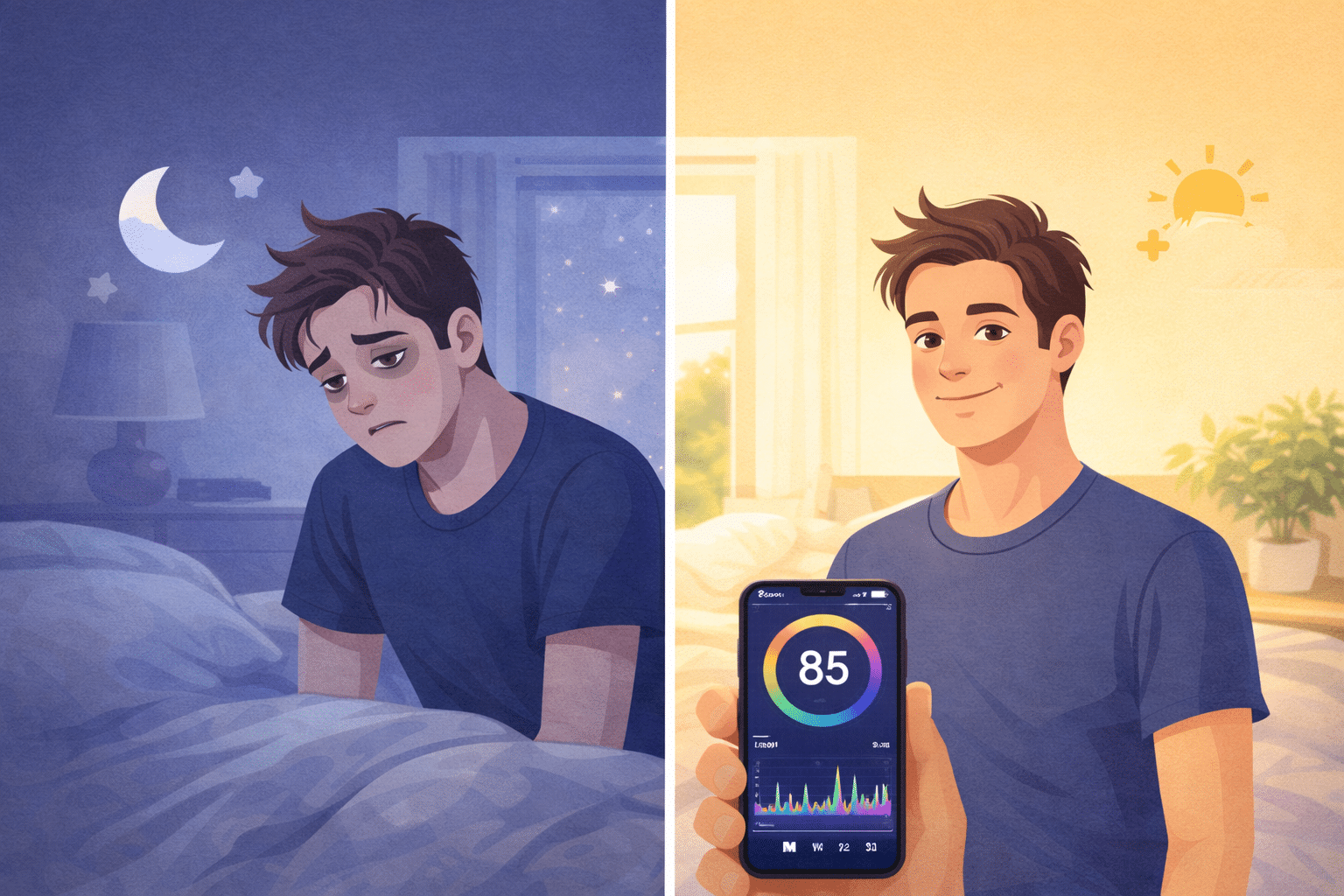
Waking up exhausted despite sleeping for hours? You’re not alone, and now there’s a way to understand why and improve your sleep quality.


Sleep should be restorative, yet millions of people worldwide struggle with poor sleep quality, frequent awakenings, and morning fatigue. The frustration of going to bed on time but still feeling drained the next day is all too common. Fortunately, technology has evolved to help us understand what happens during those crucial nighttime hours.
Anúncios
Sleep monitors have revolutionized how we approach rest and recovery. These intelligent tools track your sleep patterns, movements, breathing, and even heart rate throughout the night, providing valuable insights into your sleep architecture. By understanding your sleep cycles, you can make informed decisions to improve your overall well-being and wake up feeling genuinely refreshed.
🌙 Why You’re Waking Up Tired Despite Sleeping
The amount of time you spend in bed doesn’t always reflect the quality of your sleep. You might be lying down for eight hours but only experiencing five hours of truly restorative rest. Sleep quality depends on multiple factors that most people aren’t aware of until they start tracking them.
Anúncios
Your sleep cycle consists of different stages: light sleep, deep sleep, and REM (Rapid Eye Movement) sleep. Each stage serves a specific purpose in physical recovery, memory consolidation, and emotional processing. When these cycles are interrupted or imbalanced, you wake up feeling unrested regardless of total sleep duration.
Common culprits behind poor sleep quality include stress, irregular sleep schedules, sleep apnea, restless leg syndrome, environmental factors like noise and light, caffeine consumption, and underlying health conditions. Without proper monitoring, identifying these issues becomes nearly impossible.
📊 How Sleep Monitors Actually Work
Modern sleep tracking technology uses sophisticated sensors and algorithms to analyze your nighttime behavior. These devices monitor movement patterns through accelerometers, which detect even subtle shifts in position throughout the night.
Advanced sleep monitors also track biometric data such as heart rate variability, breathing patterns, and even blood oxygen levels. By combining these data points, the technology can accurately determine which sleep stage you’re in at any given moment.
The information collected gets processed through machine learning algorithms that recognize patterns associated with each sleep phase. Over time, these systems become more accurate and personalized to your unique sleep signature, providing increasingly valuable insights.

✨ Key Benefits of Tracking Your Sleep
Understanding your sleep patterns empowers you to make targeted improvements. When you know exactly when and why you’re experiencing disruptions, you can address specific issues rather than guessing what might help.
Sleep monitors reveal your sleep efficiency—the percentage of time spent actually sleeping versus lying awake in bed. This metric alone can be eye-opening for many people who thought they were getting adequate rest.
Tracking also helps you understand how lifestyle choices affect your sleep. You’ll discover how that afternoon coffee, evening workout, or weekend alcohol consumption impacts your sleep architecture hours later.
Personal Health Insights You’ll Discover
Regular sleep tracking creates a comprehensive picture of your health beyond just feeling tired. Consistent data reveals trends that might indicate underlying health concerns worth discussing with your healthcare provider.
- Identify potential sleep disorders like sleep apnea or insomnia
- Understand how stress and anxiety affect your rest quality
- Discover your optimal sleep duration for peak performance
- Track recovery patterns after illness or intense physical activity
- Monitor the effectiveness of sleep hygiene improvements
- Recognize environmental factors disrupting your sleep
🛌 Understanding Your Sleep Architecture
Sleep isn’t a uniform state of unconsciousness. Throughout the night, your brain and body cycle through distinct phases, each with unique characteristics and benefits. A typical sleep cycle lasts approximately 90 minutes, and you’ll experience four to six cycles per night.
Light sleep serves as the transition phase between wakefulness and deeper sleep states. During this stage, your body begins to relax, heart rate slows, and you become less aware of your surroundings. This accounts for roughly 50% of your total sleep time.
Deep sleep is where the magic happens for physical restoration. Your body repairs tissues, builds bone and muscle, and strengthens your immune system. Growth hormone is released primarily during this phase, making it crucial for recovery and overall health.
REM sleep, the stage where most vivid dreaming occurs, is essential for cognitive functions. Your brain processes emotions, consolidates memories, and creates connections between new and existing information. This stage becomes progressively longer with each sleep cycle throughout the night.
💡 What Your Sleep Data Actually Reveals
When you first start monitoring your sleep, the amount of data might seem overwhelming. However, learning to interpret these metrics transforms them into actionable insights for better health.
Your sleep score provides a quick overview of overall sleep quality based on multiple factors. This composite number considers duration, efficiency, time spent in each sleep stage, and disturbances throughout the night.
| Sleep Metric | What It Means | Ideal Range |
|---|---|---|
| Total Sleep Time | Hours of actual sleep | 7-9 hours |
| Sleep Efficiency | Percentage of time asleep in bed | 85% or higher |
| Deep Sleep | Physical restoration phase | 13-23% of total sleep |
| REM Sleep | Mental processing and dreaming | 20-25% of total sleep |
| Awakenings | Number of times you wake | 10-30 brief awakenings |
🔍 Identifying Sleep Disruptors Through Monitoring
One of the most valuable aspects of sleep tracking is identifying specific factors that interfere with your rest. What you discover might surprise you—sometimes the culprits aren’t what you’d expect.
Environmental disruptions like temperature fluctuations, noise, or light exposure often show clear patterns in your sleep data. You might notice consistent awakenings at the same time each night, potentially linked to a neighbor’s schedule or heating system cycling.
Physiological factors like sleep apnea manifest as abnormal breathing patterns and oxygen desaturation events. These serious conditions often go undiagnosed for years because people attribute their fatigue to simply “not sleeping well.”
Lifestyle Factors Affecting Your Sleep Quality
Sleep monitors help correlate your daily activities with nighttime rest quality. By noting factors like exercise timing, meal schedules, and caffeine intake, you can identify personal patterns that either enhance or undermine your sleep.
Evening screen time exposure affects your circadian rhythm through blue light suppression of melatonin production. Your sleep data will likely show delayed sleep onset and reduced deep sleep on nights with significant pre-bedtime screen exposure.
Alcohol consumption, despite making you feel sleepy initially, significantly disrupts sleep architecture. You’ll notice fragmented sleep patterns, reduced REM sleep, and increased awakenings in the second half of the night after drinking.
📱 Choosing the Right Sleep Monitoring Solution
The sleep tracking market offers numerous options, from smartphone apps to dedicated wearable devices and even under-mattress sensors. Each approach has advantages depending on your preferences and needs.
Smartphone apps represent the most accessible entry point into sleep monitoring. They use your phone’s accelerometer and microphone to detect movement and sounds, providing surprisingly accurate insights without additional hardware investment.
Wearable devices like fitness trackers and smartwatches offer more comprehensive data by monitoring heart rate, body temperature, and movement continuously. These devices remain in contact with your body throughout the night, enabling more precise measurements.
Non-wearable solutions appeal to people who find wearing devices uncomfortable during sleep. Under-mattress sensors and bedside monitors track movement, breathing, and even heart rate without requiring you to wear anything.
🎯 Turning Insights Into Better Sleep
Collecting data is only valuable if you act on the insights gained. The goal of sleep monitoring isn’t just awareness—it’s improvement through informed decisions and targeted interventions.
Start by establishing a consistent sleep schedule. Your body’s circadian rhythm thrives on regularity, and your sleep data will quickly reflect improvements when you maintain consistent bedtimes and wake times, even on weekends.
Create an optimal sleep environment based on your tracking data. If you notice sleep disruptions correlating with temperature changes, adjust your thermostat. If noise appears problematic, consider white noise machines or earplugs.
Evidence-Based Sleep Hygiene Practices
Your sleep monitor helps validate which recommendations actually work for your unique physiology. Everyone’s body responds differently, so personalized approaches based on your data prove most effective.
- Limit caffeine consumption to morning hours and track the impact
- Exercise regularly but avoid intense workouts within three hours of bedtime
- Create a relaxing pre-sleep routine and maintain it consistently
- Reduce blue light exposure by using night mode on devices
- Keep your bedroom cool, typically between 60-67°F (15-19°C)
- Use blackout curtains or eye masks to eliminate light disruption
- Consider meditation or breathing exercises before bed
🏥 When to Consult a Healthcare Professional
While sleep monitors provide valuable insights, they’re not diagnostic medical devices. Certain patterns in your data should prompt consultation with a sleep specialist or healthcare provider.
Consistent signs of sleep apnea—such as breathing irregularities, significant oxygen level drops, or excessive daytime sleepiness despite adequate sleep duration—warrant professional evaluation. Sleep apnea is a serious condition with significant health implications.
Chronic insomnia that persists despite implementing sleep hygiene improvements suggests underlying issues requiring professional intervention. Cognitive behavioral therapy for insomnia (CBT-I) has proven highly effective for many people.
If your sleep monitor consistently shows insufficient deep sleep or REM sleep, discussing these patterns with a doctor can help identify potential causes and solutions. Sometimes medication adjustments or treating underlying conditions resolves these issues.
🚀 Advanced Features in Modern Sleep Tracking
Sleep monitoring technology continues evolving rapidly, with new features providing increasingly sophisticated insights into your nighttime rest and overall health.
Smart alarm functionality wakes you during light sleep within a specified time window, helping you feel more alert and refreshed. Instead of jarring you from deep sleep, these systems gently rouse you when your body is naturally closer to wakefulness.
Sleep stage predictions use artificial intelligence to forecast when you’ll transition between sleep phases. This technology enables optimal timing for various interventions, from smart home temperature adjustments to wake-up light simulation.
Snoring detection and analysis help identify whether your snoring indicates potential health issues or simply annoys your bed partner. Advanced systems can even correlate snoring with sleep position, suggesting positional therapy when appropriate.
🌟 The Long-Term Benefits of Consistent Monitoring
The real value of sleep tracking emerges over weeks and months rather than individual nights. Trends become apparent, interventions can be evaluated objectively, and you develop a deeper understanding of your body’s needs.
Long-term data reveals how seasonal changes affect your sleep patterns. Many people discover they naturally need more sleep during winter months or that summer heat significantly disrupts their rest quality.
Tracking across different life circumstances—during stressful periods, vacations, illness recovery, or significant life changes—provides context for understanding how various factors impact your sleep resilience.
Perhaps most importantly, consistent monitoring creates accountability. When you see objective evidence of how choices affect your sleep, making healthier decisions becomes easier and more motivating.
💪 Taking Control of Your Sleep Health
Poor sleep doesn’t have to be your norm. By understanding what happens during those mysterious nighttime hours, you gain the power to make meaningful improvements that enhance every aspect of your life.
Quality sleep affects your mood, cognitive performance, immune function, metabolism, and even longevity. Investing time and attention in optimizing your sleep delivers returns across every dimension of health and wellness.
Sleep monitoring removes the guesswork from this critical aspect of health. Instead of wondering why you’re tired, you’ll know exactly what’s happening and what to do about it. This knowledge transforms sleep from a passive activity into an actively managed component of your wellness routine.
Start tonight. Begin tracking your sleep patterns, experiment with evidence-based improvements, and watch as your energy, focus, and overall well-being transform. Your future self—well-rested, energized, and thriving—will thank you for taking this important step toward better health. Sweet dreams and restful nights await! 😴

Toni Santos is a visionary artisan and conceptual designer who channels the beauty of living organisms into structural expression. At Zureste, Toni explores the intricate elegance of insect anatomy, organic flow, and bioinspired design to create art that feels both natural and otherworldly.
Each creation Toni brings to life reflects a harmonic tension between structure and softness, wildness and control — echoing the complex intelligence found in the natural world. From beetle-like silhouettes to root-shaped contours, his work blurs the lines between biology, sculpture, and modern art.
Guided by fascination for metamorphosis, evolution, and pattern in nature, Toni’s pieces embody transformation. His BioLight Collection and conceptual series like Insect Type and Structure Aesthetics offer viewers more than aesthetic value — they present immersive experiences of living design.
As the creative force behind Zureste, Toni invites us to rethink beauty, architecture, and identity through a new lens — one shaped by wings, bones, spirals, and the microscopic poetry of the organic.
His creations reflect:
-
Design deeply rooted in the geometry of life
-
Inspiration from insects, roots, and the unseen natural order
-
A blend of science, spirituality, and visual storytelling
Whether you’re a lover of strange beauty, an admirer of evolution’s artistry, or a creative mind seeking something different, Toni welcomes you into a world where living forms become meaning, and surreal becomes sublime.