
Anúncios
Massage therapy has become an essential practice for anyone seeking relief from the physical and mental burdens of modern life.


Whether you’re looking to help loved ones unwind after a stressful day or considering a new professional path, learning massage techniques opens doors to meaningful connections and profound healing. The art of touch has been practiced for thousands of years across cultures, and today it’s more accessible than ever.
Anúncios
From Swedish strokes to acupressure points, the world of massage offers diverse approaches to address tension, anxiety, and everyday fatigue. With dedication and proper guidance, anyone can master these transformative skills and bring comfort to those around them. 💆♀️
Why Learning Massage Techniques Matters in Today’s World
Our daily lives are filled with screens, deadlines, and constant connectivity that rarely allow our bodies and minds to truly rest. This chronic state of alertness creates muscular tension, mental fog, and emotional exhaustion that accumulate over time.
Anúncios
Massage provides a powerful antidote to this modern condition. When you understand how to manipulate soft tissues effectively, you can address specific areas where stress manifests physically—tight shoulders from desk work, lower back pain from poor posture, or tension headaches from mental overload.
Beyond the physical benefits, learning massage techniques enhances your emotional intelligence and interpersonal connections. The act of giving a thoughtful massage requires presence, empathy, and attentiveness—qualities that strengthen relationships whether with partners, family members, or clients.
For those considering professional opportunities, the massage therapy industry continues to grow steadily. Wellness centers, spas, sports facilities, and private practices constantly seek skilled practitioners who can deliver effective, personalized treatments.
Understanding the Fundamentals Before You Begin ✋
Before diving into specific techniques, grasping essential principles ensures your massage practice remains safe, effective, and enjoyable for everyone involved. These foundations apply regardless of which modality you eventually specialize in.
Creating the Right Environment
The setting dramatically influences how well someone can relax during a massage session. Dim lighting helps calm the nervous system, while harsh overhead lights keep the body in alert mode. Consider using soft lamps or candles to create a soothing atmosphere.
Temperature control matters more than many beginners realize. A room that feels comfortable when clothed often feels cold when lying still on a massage table. Keep the space slightly warmer than usual, and have blankets available to cover areas not being worked on.
Sound also plays a crucial role in relaxation. Background noise from traffic or conversations can prevent deep unwinding. Soft instrumental music, nature sounds, or complete silence work best depending on individual preferences. Always ask what the recipient prefers.
Body Mechanics and Self-Care
Many enthusiastic beginners injure themselves by using improper body positioning during massage. Your power should come from your legs and core, not from your hands and arms alone. This approach prevents fatigue and allows you to work for longer periods without strain.
Maintain a stable stance with knees slightly bent and feet shoulder-width apart. Shift your weight from your back foot to your front foot as you apply pressure, creating smooth, flowing movements rather than static pushing.
Keep your wrists in neutral positions whenever possible. Bent or hyper-extended wrists lead to repetitive strain injuries over time. Use your body weight and gravity rather than muscular force to create pressure.

Essential Massage Techniques for Stress Relief
Mastering a handful of foundational strokes gives you versatile tools to address various tension patterns. These techniques form the backbone of most relaxation-focused massage sessions.
Effleurage: The Art of Gliding Strokes
Effleurage involves smooth, gliding movements across the skin using flat hands or fingers. This technique serves multiple purposes: it distributes oil or lotion, warms the tissues, and helps you assess areas of tightness before deeper work.
Begin with light pressure to introduce your touch, then gradually increase intensity as the muscles warm up. Always stroke toward the heart when working on limbs, supporting healthy circulation and lymphatic drainage.
The rhythm of effleurage matters tremendously for relaxation. Slow, deliberate strokes signal the nervous system that it’s safe to unwind. Rushed or erratic movements keep the body alert and defensive.
Petrissage: Kneading Away Tension
Petrissage encompasses kneading, rolling, and lifting movements that work deeper into muscle tissue. Imagine how you might knead bread dough—applying rhythmic compression and release that increases blood flow and softens tight fibers.
This technique excels for addressing chronic tension in larger muscle groups like the shoulders, thighs, and calves. Alternate hands in a rhythmic pattern, never pinching or causing sharp pain.
When performed correctly, petrissage feels satisfying—that “hurts so good” sensation that indicates you’re reaching areas that need attention without causing actual damage. Communication remains essential to stay within comfortable intensity levels.
Friction: Targeted Deep Pressure 🎯
Friction techniques use focused pressure to address specific knots or trigger points. Rather than gliding across the skin, your fingers or thumbs stay in one spot, working in small circles or back-and-forth movements.
This approach requires patience and precision. Spend 15-30 seconds on each point, allowing the tissue to gradually soften rather than forcing immediate change. Aggressive friction creates bruising and inflammation rather than relief.
Common areas that benefit from friction work include the upper trapezius (where neck meets shoulders), alongside the spine, and in the hip rotators. These regions accumulate tension from postural stress and emotional holding patterns.
Addressing Common Problem Areas
Certain body regions consistently harbor tension in most people, making them priority areas for relaxation-focused massage. Understanding the anatomy and common stress patterns helps you work more effectively.
Neck and Shoulder Tension
The neck and shoulders serve as the body’s primary stress storage facility. Hours spent hunched over keyboards, emotional anxiety, and shallow breathing all contribute to chronic tightness in this region.
When working the neck, support the head carefully to allow complete relaxation. Many people unconsciously help hold their head up, preventing deep release. Use one hand to stabilize while the other works, or position the person face-down with proper cushioning.
For shoulders, combine kneading of the upper trapezius with stripping strokes along the shoulder blades. The levator scapulae muscle (connecting neck to shoulder blade) often holds significant tension and responds well to careful friction work.
Lower Back Relief
Lower back pain affects millions worldwide, often stemming from weak core muscles, poor posture, and prolonged sitting. Massage won’t fix structural issues, but it can provide significant temporary relief and improve quality of life.
Work the erector spinae muscles on either side of the spine using long gliding strokes and gentle friction. Never press directly on the spine itself. The quadratus lumborum (deep lower back muscle) often harbors trigger points that refer pain throughout the region.
Consider also addressing the glutes and hip flexors, which frequently contribute to lower back discomfort through compensation patterns and referred tension.
Hands and Forearms for Modern Life
In our device-dominated world, hand and forearm tension has become epidemic. Repetitive movements from typing, scrolling, and texting create overuse patterns that benefit greatly from targeted massage.
Work the forearm extensors and flexors with slow stripping strokes from elbow to wrist. Use your thumbs to address the small muscles between the metacarpals (hand bones), and gently stretch each finger.
This area responds quickly to massage, often providing immediate relief and improved range of motion. It’s also an excellent region for practicing technique since it’s relatively safe and highly accessible.
Integrating Breathwork and Mindfulness 🧘♀️
The most effective relaxation massage combines physical technique with attention to breath and mental state. Encouraging conscious breathing amplifies the stress-relieving benefits exponentially.
Guide recipients to breathe deeply into their belly rather than shallow chest breathing. This activates the parasympathetic nervous system—the body’s rest and digest mode—facilitating deeper muscular release.
You might offer simple cues like “breathe into the area I’m working” or “let this next exhale release any tension you’re holding.” These suggestions help focus awareness on the present moment and the sensations being experienced.
Your own breathing matters too. When you hold your breath or breathe shallowly while working, you transmit that tension through your hands. Maintaining calm, steady breathing helps create a relaxing energetic exchange.
Building Progressive Skill Through Practice
Like any craft, massage proficiency develops through consistent, mindful practice. Setting up a structured learning approach accelerates your progress and prevents the frustration of aimless experimentation.
Starting with Willing Participants
Family members and friends often eagerly volunteer as practice subjects once they experience the benefits of your developing skills. Start with shorter sessions—15 to 20 minutes—focusing on one or two body regions rather than attempting full-body treatments immediately.
Request honest feedback about pressure, comfort, and which techniques feel most beneficial. This input proves invaluable for calibrating your touch and understanding individual preferences.
Consider trading massages with other learners if possible. Experiencing techniques from the recipient’s perspective dramatically enhances your understanding of what works and what doesn’t.
Video Resources and Structured Courses
High-quality video instruction allows you to observe proper hand positioning, body mechanics, and stroke sequences that books and written descriptions can’t fully convey. Pause, replay, and practice alongside expert demonstrations.
Mobile applications now offer comprehensive massage tutorials with progressive lesson structures, allowing you to learn at your own pace. These digital tools make professional-level instruction accessible regardless of your location or schedule.
Structured courses provide systematic skill development, ensuring you don’t skip essential foundations. They also often include assessments that confirm you’re performing techniques correctly before advancing to more complex approaches.
Safety Considerations and Contraindications ⚠️
While massage is generally safe, certain situations require caution or complete avoidance. Understanding these guidelines protects both you and those you work with from potential harm.
Avoid massaging areas with open wounds, burns, rashes, or infections. Direct pressure on varicose veins, blood clots, or fractures can cause serious medical complications. When in doubt, refer to healthcare professionals.
People with certain medical conditions—including cancer, severe osteoporosis, or blood clotting disorders—need physician clearance before receiving massage. Pregnancy requires specialized training in prenatal techniques that accommodate anatomical changes.
Chronic pain conditions like fibromyalgia often respond well to gentle massage but can be aggravated by excessive pressure. Always start conservatively and adjust based on feedback and response.
Creating Personalized Relaxation Routines
Once you’ve developed foundational skills, crafting customized sessions for specific needs and preferences elevates your practice from mechanical technique application to therapeutic artistry.
Some people carry all their stress in their shoulders, while others manifest tension primarily in their jaw or lower back. Observing posture, movement patterns, and listening to descriptions of discomfort helps you target the most beneficial areas.
Session length also deserves consideration. While 60-90 minute massages are standard professionally, even 10-15 minutes of focused work on problem areas provides significant benefit when time is limited.
Incorporate the recipient’s preferences regarding pressure intensity, communication level during the session, and environmental factors. Some people prefer complete silence, while others enjoy conversation or guided relaxation instructions.
The Journey from Learner to Confident Practitioner 🌟
Developing genuine massage proficiency requires patience with yourself through the inevitable awkward phase when your hands don’t yet do what your mind understands. This learning curve is completely normal and temporary.
Set realistic expectations about progression. After your first few practice sessions, you’ll likely feel clumsy and uncertain. Within 10-15 sessions of focused practice, noticeable improvement emerges. After 50-100 hours of hands-on experience, confidence and fluidity develop naturally.
Track your development through journaling about what worked well, what felt awkward, and feedback received. This reflection accelerates learning by making progress visible and highlighting areas needing additional attention.
Consider exploring different modalities once you’ve mastered basics. Swedish massage, Thai massage, shiatsu, and reflexology each offer unique approaches and philosophies that can enrich your overall understanding and versatility.
Transforming Stress Relief Into Daily Practice
The true power of massage knowledge reveals itself when you incorporate these skills into everyday life rather than reserving them for special occasions. Brief, regular sessions often provide more cumulative benefit than infrequent extended treatments.
A five-minute shoulder massage for a partner after work, working tired feet after a long day, or even self-massage techniques for your own neck and hands become valuable rituals that strengthen relationships and enhance wellbeing.
Teaching family members simple techniques creates a culture of mutual care and stress management. Children can learn age-appropriate hand or foot massage methods that give them tools for self-regulation and empathy development.
In professional contexts, offering chair massage during breaks or team-building events boosts morale and demonstrates tangible investment in employee wellness. These brief sessions often yield improvements in productivity and workplace satisfaction.
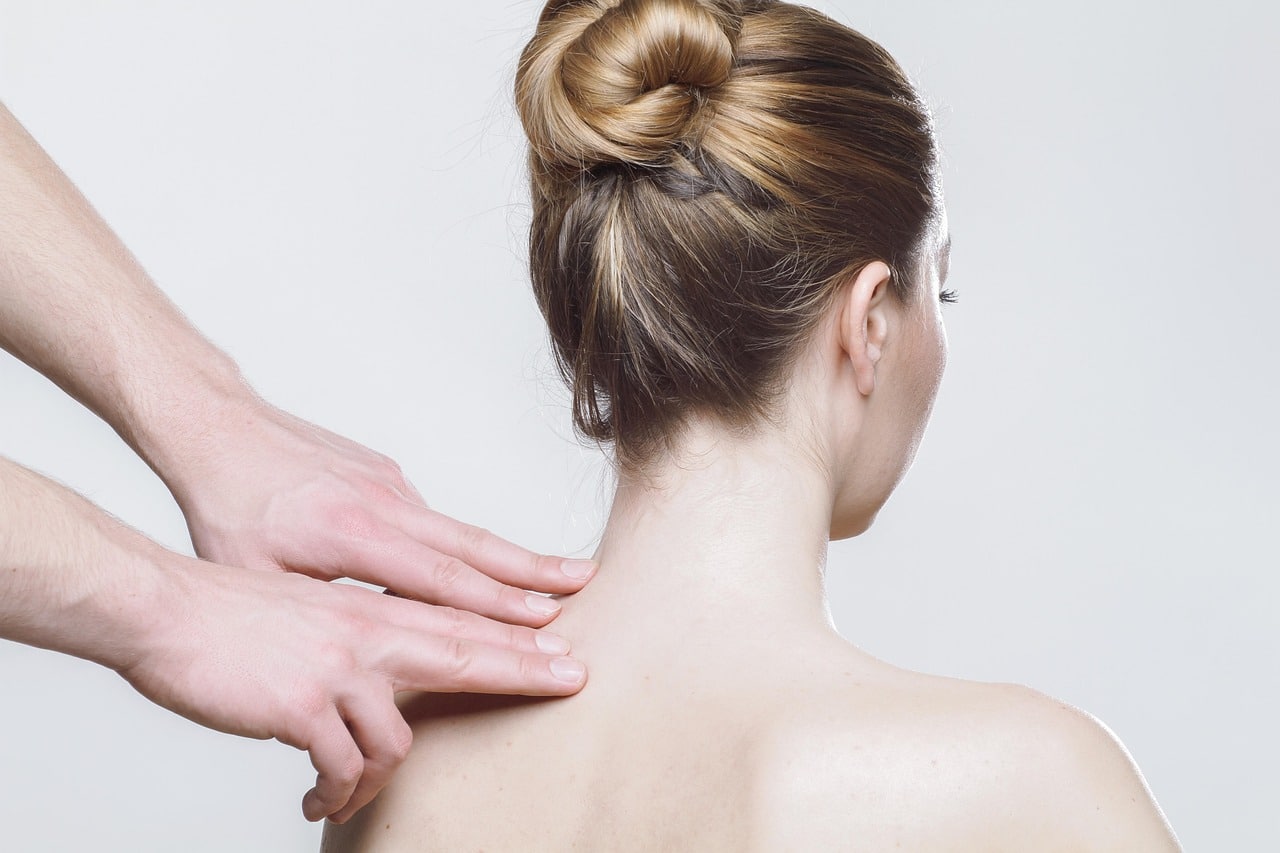
Embracing the Healing Power of Touch
Learning massage techniques represents far more than acquiring a skill set—it’s embracing an ancient healing tradition that recognizes the profound interconnection between physical touch, emotional wellbeing, and mental clarity.
In our increasingly virtual and disconnected world, the simple act of therapeutic touch carries extraordinary value. It reminds us of our fundamental need for human connection and our capacity to ease each other’s suffering through presence and intention.
Whether you pursue massage professionally or simply wish to bring more comfort to those around you, the journey of learning these techniques enriches your life in unexpected ways. It cultivates mindfulness, deepens relationships, and provides tangible tools for managing the stress that accompanies modern existence.
The investment of time and practice required to develop proficiency pays dividends throughout your lifetime. The ability to offer genuine relief from pain and tension—whether to loved ones or clients—ranks among the most meaningful skills anyone can possess. Start your learning journey today, and discover how the healing power of touch can transform both your life and the lives of those you care for. 💆♂️

Toni Santos is a visionary artisan and conceptual designer who channels the beauty of living organisms into structural expression. At Zureste, Toni explores the intricate elegance of insect anatomy, organic flow, and bioinspired design to create art that feels both natural and otherworldly.
Each creation Toni brings to life reflects a harmonic tension between structure and softness, wildness and control — echoing the complex intelligence found in the natural world. From beetle-like silhouettes to root-shaped contours, his work blurs the lines between biology, sculpture, and modern art.
Guided by fascination for metamorphosis, evolution, and pattern in nature, Toni’s pieces embody transformation. His BioLight Collection and conceptual series like Insect Type and Structure Aesthetics offer viewers more than aesthetic value — they present immersive experiences of living design.
As the creative force behind Zureste, Toni invites us to rethink beauty, architecture, and identity through a new lens — one shaped by wings, bones, spirals, and the microscopic poetry of the organic.
His creations reflect:
-
Design deeply rooted in the geometry of life
-
Inspiration from insects, roots, and the unseen natural order
-
A blend of science, spirituality, and visual storytelling
Whether you’re a lover of strange beauty, an admirer of evolution’s artistry, or a creative mind seeking something different, Toni welcomes you into a world where living forms become meaning, and surreal becomes sublime.