
Anúncios
# HTML Article: Learn to Brew the Best Teas for Any Occasion


Tea is more than just a beverage—it’s a ritual, a remedy, and a moment of peace in our hectic lives. Let’s explore how to craft the perfect cup for every situation.
Anúncios
Whether you’re seeking comfort on a rainy afternoon, an energizing boost before a workout, or a soothing remedy for a restless night, there’s a tea perfectly suited to your needs. The art of brewing tea has been refined over thousands of years across countless cultures, each contributing unique methods and wisdom.
From traditional Chinese tea ceremonies to the cozy British afternoon tea tradition, understanding the fundamentals of tea preparation empowers you to unlock flavors, aromas, and health benefits that store-bought tea bags simply cannot match. This comprehensive guide will transform you from a casual tea drinker into a confident home tea master.
Anúncios
☕ Understanding the Five Main Types of Tea
Before diving into brewing techniques, it’s essential to understand that all true teas come from the same plant—Camellia sinensis. The difference lies in how the leaves are processed after harvesting.
White tea undergoes minimal processing, with leaves simply withered and dried. This delicate tea offers subtle, naturally sweet flavors with the highest antioxidant content. It’s perfect for quiet mornings when you want something gentle yet revitalizing.
Green tea is quickly heated after harvesting to prevent oxidation, preserving its vibrant green color and grassy, fresh flavor profile. Rich in catechins and EGCG, green tea supports metabolism and mental clarity—ideal for midday focus sessions.
Oolong tea sits beautifully between green and black teas, partially oxidized to create complex flavor notes ranging from floral to creamy to fruity. This versatile tea works wonderfully with meals or as an afternoon companion.
Black tea is fully oxidized, resulting in bold, robust flavors and a darker liquor. With moderate caffeine content, black tea energizes without overwhelming—perfect for breakfast or when you need sustained focus throughout the day.
Pu-erh tea is aged and fermented, sometimes for decades, developing deep, earthy flavors that improve with time. This unique tea aids digestion and is traditionally enjoyed after heavy meals.
🌿 The Herbal Tea Universe Beyond True Teas
Herbal teas, technically called tisanes, open an entire world of flavors and therapeutic benefits. These infusions don’t contain Camellia sinensis but instead feature flowers, roots, seeds, and leaves from various plants.
Chamomile reigns supreme for relaxation and sleep support. Its gentle apple-like sweetness calms anxiety and settles upset stomachs. Brew it before bedtime using freshly boiled water cooled slightly, steeping for 5-7 minutes to extract maximum medicinal compounds.
Peppermint delivers refreshing coolness that opens airways, aids digestion, and relieves headaches. This caffeine-free option works brilliantly after meals or when you need mental refreshment without stimulation.
Ginger tea provides warming spiciness that fights nausea, reduces inflammation, and supports immune function. Fresh ginger sliced thin and simmered for 10-15 minutes creates a potent brew perfect for cold seasons or when fighting off illness.
Rooibos from South Africa offers naturally sweet, nutty flavors without caffeine, making it ideal for children and evening drinking. Rich in minerals and antioxidants, rooibos supports skin health and bone strength.

🔥 Mastering Water Temperature for Perfect Brewing
Perhaps the most critical factor in brewing exceptional tea is water temperature. Too hot, and you’ll extract bitter tannins and destroy delicate flavors. Too cool, and you won’t fully unlock the tea’s potential.
White and green teas demand cooler temperatures—between 160-180°F (70-80°C). These delicate leaves burn easily, resulting in astringent, unpleasant bitterness. After your kettle boils, let it rest for 3-5 minutes before pouring.
Oolong teas perform best at 180-200°F (80-93°C), depending on oxidation level. Lighter oolongs prefer cooler water, while darker varieties can handle hotter temperatures.
Black teas and most herbal infusions thrive with fully boiled water at 200-212°F (93-100°C). The robust nature of oxidized leaves and dried herbs requires higher heat to extract full flavor and beneficial compounds.
Investing in a variable temperature kettle removes guesswork and elevates your tea practice immediately. If using a standard kettle, observe bubble size—small bubbles indicate around 160°F, while rolling boils reach full temperature.
⏱️ Timing Your Steep for Optimal Flavor
Steeping duration directly impacts flavor intensity, aroma release, and medicinal effectiveness. Under-steeping produces weak, disappointing tea, while over-steeping extracts excessive bitterness.
White tea requires patience—steep for 4-6 minutes to coax out subtle sweetness and floral notes. Don’t rush this delicate tea; it rewards those who wait.
Green tea steeps quickly, typically 2-3 minutes. Japanese varieties like sencha prefer the shorter end, while Chinese green teas like dragonwell can handle slightly longer infusion.
Oolong tea often benefits from multiple infusions. Start with 3-4 minutes, then resteep the same leaves 3-5 times, increasing duration slightly with each subsequent brew. You’ll discover how flavors evolve beautifully across infusions.
Black tea reaches optimal strength at 3-5 minutes. Robust breakfast blends can handle the longer end, while delicate Darjeelings shine around 3 minutes.
Herbal infusions generally require 5-10 minutes, especially when using tea for medicinal purposes. Roots and seeds particularly need extended steeping to release therapeutic compounds.
🫖 Essential Equipment for Home Tea Brewing
You don’t need expensive equipment to brew exceptional tea, but a few key tools significantly improve your experience and results.
A quality teapot made from glass, ceramic, or cast iron allows proper temperature retention and flavor development. Glass models let you watch leaves unfurl—a meditative visual experience. Cast iron retains heat exceptionally well for longer brewing sessions.
Tea infusers come in countless styles, from simple mesh balls to elegant basket strainers. Choose one that allows leaves ample room to expand fully—cramped leaves can’t release complete flavor. Basket-style infusers that sit inside your mug work perfectly for single servings.
A digital thermometer removes temperature guesswork if you don’t have a variable kettle. This small investment pays dividends in consistently excellent results.
Proper tea storage containers preserve freshness by protecting leaves from light, air, and moisture. Opaque, airtight tins or jars keep your investment flavorful for months.
💡 Morning Energy Blends to Start Your Day Right
Morning teas should energize gently, support mental clarity, and prepare your digestive system for the day ahead. Skip the coffee jitters and embrace these powerful alternatives.
Classic English Breakfast tea delivers robust flavor with moderate caffeine—enough to wake you up without overwhelming your system. Brew it strong with a splash of milk and touch of honey for traditional comfort.
Matcha provides sustained energy through L-theanine, an amino acid that promotes calm focus. Whisk one teaspoon of quality matcha powder with hot water until frothy. The ceremonial preparation itself becomes an energizing morning ritual.
Yerba mate from South America offers smooth, sustained caffeine alongside vitamins and minerals. Its earthy, slightly bitter flavor grows wonderfully addictive. Traditional preparation uses a gourd and bombilla, but it brews beautifully in any teapot.
Ginger-lemon green tea combines metabolism-boosting green tea with digestive ginger and vitamin C-rich lemon. Brew green tea properly, then add fresh ginger slices and a lemon wedge for an invigorating morning tonic.
🧘 Afternoon Relaxation Teas for Midday Reset
Afternoon represents the perfect opportunity to pause, reset, and recenter before evening activities. These teas calm without causing drowsiness, helping you navigate the rest of your day with grace.
Oolong tea provides gentle energy with complex flavors that reward mindful sipping. The ritual of multiple infusions creates natural breaks in your afternoon, encouraging presence and awareness.
Lavender-chamomile blend combines floral sweetness with calming properties. Steep equal parts dried lavender and chamomile for 6-7 minutes, adding honey if desired. This combination reduces afternoon anxiety beautifully.
Tulsi (holy basil) has been used in Ayurvedic medicine for thousands of years to reduce stress and support immune function. Its slightly spicy, clove-like flavor refreshes while adaptogenic properties help your body manage stress more effectively.
White peony tea offers delicate sweetness with minimal caffeine—perfect when you want something refined without stimulation. Its subtle complexity encourages slow savoring, transforming your afternoon break into meditation.
🌙 Evening Wind-Down Brews for Restful Sleep
Evening teas should signal to your body that rest approaches, supporting natural circadian rhythms and preparing you for restorative sleep. Choose caffeine-free options that calm the nervous system.
Chamomile remains the gold standard for bedtime tea. Its gentle sedative properties come from apigenin, an antioxidant that binds to brain receptors promoting sleepiness. Brew strong—7 minutes minimum—for maximum effectiveness.
Passionflower tea reduces racing thoughts and nervous tension. Traditional use for insomnia and anxiety has been validated by modern research. Combine with chamomile for synergistic sleep support.
Valerian root produces earthy, somewhat pungent tea that powerfully promotes sleep. The flavor takes getting used to, but results justify the acquired taste. Steep for 10 minutes and consider adding honey or mint to improve palatability.
Lemon balm offers gentle relaxation with pleasant citrus notes. It’s particularly effective for those whose sleep issues stem from anxiety or digestive discomfort. This mild sedative won’t leave you groggy in the morning.
🏃 Pre-Workout Teas for Enhanced Performance
The right tea before exercise can boost endurance, improve focus, and support fat burning. These natural alternatives to pre-workout supplements work with your body’s chemistry.
Green tea consumed 30-60 minutes before exercise increases fat oxidation during workouts. The combination of caffeine and EGCG enhances metabolic rate and endurance. Brew it cooler to avoid stomach upset during movement.
Black tea provides sustained energy without the crash of energy drinks. Its moderate caffeine content improves reaction time and focus during training sessions.
Ginseng tea increases physical stamina and mental sharpness. Korean or American ginseng varieties work wonderfully before challenging workouts. Simmer ginseng root for 15-20 minutes to extract beneficial ginsenosides.
Hibiscus tea supports cardiovascular function and may help regulate blood pressure during exercise. Its tart, cranberry-like flavor refreshes while anthocyanins support overall athletic performance.
🤒 Healing Teas for Common Ailments
Tea’s therapeutic potential extends far beyond simple comfort. These targeted blends address specific health concerns with proven effectiveness.
For digestive upset, combine peppermint, ginger, and fennel. This trio relieves bloating, nausea, and cramping while supporting healthy digestion. Steep for 7-10 minutes and sip slowly.
For cold and flu symptoms, brew echinacea, elderberry, and lemon. This immune-supporting combination helps shorten illness duration and severity. Add raw honey after steeping for additional antimicrobial benefits.
For headaches, try feverfew combined with peppermint. Feverfew has traditional use for migraine prevention, while peppermint’s menthol relaxes tense muscles contributing to headache pain.
For inflammation, turmeric-ginger tea delivers powerful anti-inflammatory compounds. Simmer fresh or dried turmeric and ginger for 15 minutes, adding black pepper to enhance curcumin absorption.
🎨 Creative Tea Blending for Custom Flavors
Once you’ve mastered basic brewing, experiment with creating signature blends that reflect your unique taste preferences and wellness goals.
Start with a base tea—green, black, white, or herbal. This foundation provides structure and primary flavor. Choose based on desired caffeine level and time of day.
Add complementary flavors through dried fruits, flowers, or spices. Citrus peels brighten any blend. Rose petals add romance and subtle sweetness. Cinnamon provides warmth and blood sugar regulation.
Consider therapeutic goals when selecting additions. Need immune support? Add echinacea or elderberry. Want better sleep? Include chamomile or lavender. Seeking digestive support? Incorporate fennel or cardamom.
Keep detailed notes about your experiments—proportions, steeping times, and results. Your personal tea journal becomes a treasured reference for recreating successful blends and avoiding less successful combinations.
🌍 Sustainable and Ethical Tea Sourcing
As your tea appreciation deepens, consider the environmental and social impact of your purchases. Sustainable sourcing ensures this beloved tradition continues for future generations.
Look for organic certification, which guarantees tea is grown without synthetic pesticides or fertilizers. This protects both environmental health and your personal wellness.
Fair trade certification ensures tea farmers receive living wages and work under safe conditions. Your purchase directly supports communities that have stewarded tea traditions for centuries.
Buy whole leaf tea rather than bags when possible. Loose leaf tea typically offers higher quality and produces less packaging waste. Many tea bags contain plastics that release microparticles when exposed to hot water.
Source from small, specialty vendors who maintain direct relationships with tea gardens. These connections often result in fresher tea, better quality control, and more ethical supply chains.
✨ Elevating Your Daily Tea Ritual
Transform tea drinking from mindless habit into meaningful ritual. This intentional practice enhances not just the tea itself, but your entire daily experience.
Create a dedicated tea space in your home—a corner with your favorite cup, quality teas, and perhaps a comfortable chair. This physical space signals to your mind that tea time is sacred, separate from work or screens.
Practice presence during preparation. Notice water heating, watch leaves expand, observe color changes. These simple observations anchor you in the present moment, providing meditation benefits beyond the tea’s chemical effects.
Experiment with the traditional Chinese gongfu method, which uses small vessels and multiple short infusions. This technique maximizes flavor while creating a contemplative, ceremonial experience.
Share tea with loved ones. The Japanese tea ceremony teaches that tea transcends individual experience—it becomes about connection, respect, and shared humanity. Invite friends for a casual tea tasting, creating memories alongside exceptional beverages.
🔬 The Science Behind Tea’s Health Benefits
Understanding the research behind tea’s wellness claims helps you make informed choices about which varieties best support your specific health goals.
Polyphenols, especially catechins in green tea, demonstrate powerful antioxidant activity that protects cells from damage. Regular consumption is associated with reduced risk of several chronic diseases, including heart disease and certain cancers.
L-theanine, found primarily in true teas, promotes alpha brain wave activity associated with relaxed alertness. This unique amino acid explains why tea provides calm energy unlike coffee’s jittery stimulation.
Fluoride naturally present in tea leaves supports dental health, strengthening tooth enamel and helping prevent cavities. Black and oolong teas typically contain higher fluoride levels than green or white varieties.
Regular tea consumption supports healthy gut microbiome diversity. Polyphenols act as prebiotics, feeding beneficial bacteria while inhibiting harmful strains. This gut health connection may explain tea’s wide-ranging wellness benefits.
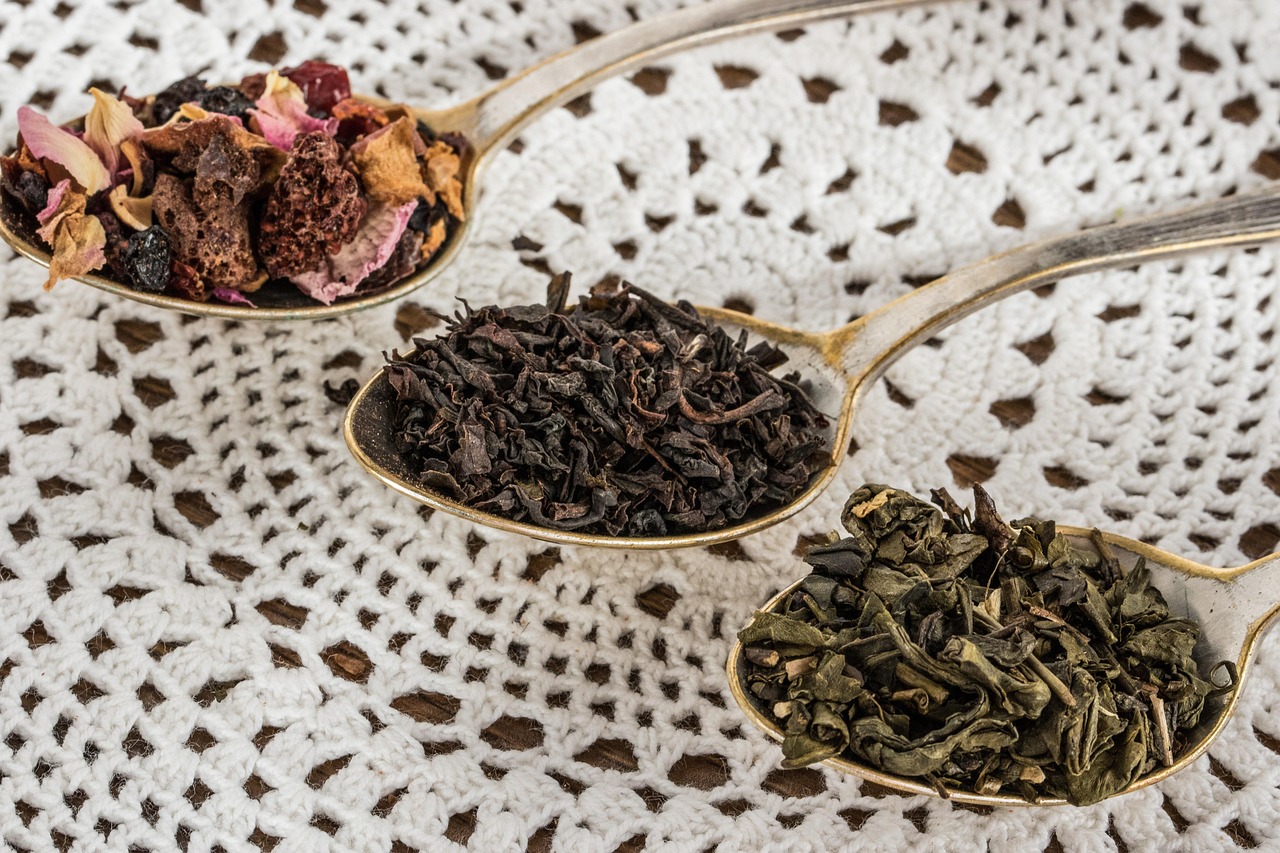
📚 Building Your Home Tea Collection
Starting a thoughtful tea collection ensures you’re prepared for any mood, occasion, or wellness need. Begin with these essentials, then expand based on personal preferences.
Include one high-quality green tea for daily antioxidant support and gentle morning energy. Dragon well or sencha make excellent foundational choices with accessible flavor profiles.
Select a robust black tea for mornings when you need stronger stimulation. Assam or Ceylon provide bold, satisfying flavor that stands up to milk and sweeteners.
Add chamomile or another calming herbal for evening relaxation. This caffeine-free essential ensures you can enjoy tea throughout the day without affecting sleep.
Choose one special oolong or white tea for mindful afternoon sessions when you want something truly exceptional. These premium teas reward attention and proper preparation.
Include ginger and peppermint for digestive support and illness remedies. These medicinal staples prove their worth repeatedly throughout the year.
Store your collection properly—away from light, heat, moisture, and strong odors. Properly stored tea remains flavorful for 6-12 months, though fresher is always better.
The journey from casual tea drinker to confident home brewer opens doors to enhanced wellness, mindful moments, and simple daily pleasures. Each perfectly brewed cup represents not just a beverage, but a connection to ancient traditions, global cultures, and your own well-being. Whether seeking energy, relaxation, healing, or simply a delicious drink, the perfect tea awaits your discovery. Start with these fundamentals, trust your palate, and most importantly, enjoy every sip of the journey ahead. 🍵

Toni Santos is a visionary artisan and conceptual designer who channels the beauty of living organisms into structural expression. At Zureste, Toni explores the intricate elegance of insect anatomy, organic flow, and bioinspired design to create art that feels both natural and otherworldly.
Each creation Toni brings to life reflects a harmonic tension between structure and softness, wildness and control — echoing the complex intelligence found in the natural world. From beetle-like silhouettes to root-shaped contours, his work blurs the lines between biology, sculpture, and modern art.
Guided by fascination for metamorphosis, evolution, and pattern in nature, Toni’s pieces embody transformation. His BioLight Collection and conceptual series like Insect Type and Structure Aesthetics offer viewers more than aesthetic value — they present immersive experiences of living design.
As the creative force behind Zureste, Toni invites us to rethink beauty, architecture, and identity through a new lens — one shaped by wings, bones, spirals, and the microscopic poetry of the organic.
His creations reflect:
-
Design deeply rooted in the geometry of life
-
Inspiration from insects, roots, and the unseen natural order
-
A blend of science, spirituality, and visual storytelling
Whether you’re a lover of strange beauty, an admirer of evolution’s artistry, or a creative mind seeking something different, Toni welcomes you into a world where living forms become meaning, and surreal becomes sublime.