
Anúncios
The accordion is more than just a musical instrument—it’s a bridge between generations, a source of joy, and a timeless companion that brings life to celebrations, gatherings, and quiet moments alike.


For decades, the accordion has captivated audiences with its distinctive sound that blends melody and rhythm into one portable powerhouse. Whether you’ve heard it in folk music, classical compositions, or modern pop arrangements, this versatile instrument continues to charm new learners every day.
Anúncios
Learning to play the accordion isn’t just about mastering a skill—it’s about embracing a cultural heritage that spans continents and connects people through the universal language of music. Today, you can embark on this enriching journey and discover why the accordion remains beloved across generations.
🎵 Why the Accordion Captivates Hearts Worldwide
The accordion’s unique appeal lies in its ability to produce a full, rich sound that mimics an entire orchestra. Unlike many instruments that require accompaniment, the accordion offers complete musical expression through both melody and harmony simultaneously.
Anúncios
Its portability makes it perfect for spontaneous performances at family gatherings, street festivals, or intimate home sessions. The instrument’s expressive capabilities allow players to convey deep emotions, from joyful celebration to melancholic reflection.
Culturally, the accordion holds special significance in traditions ranging from French musette to Italian tarantella, from Argentine tango to American Cajun music. This cross-cultural presence demonstrates its adaptability and enduring relevance in our modern musical landscape.
🎹 Understanding the Accordion: Anatomy and Types
Before diving into playing techniques, it’s essential to understand what makes an accordion work. The instrument consists of several key components that work together to produce its characteristic sound.
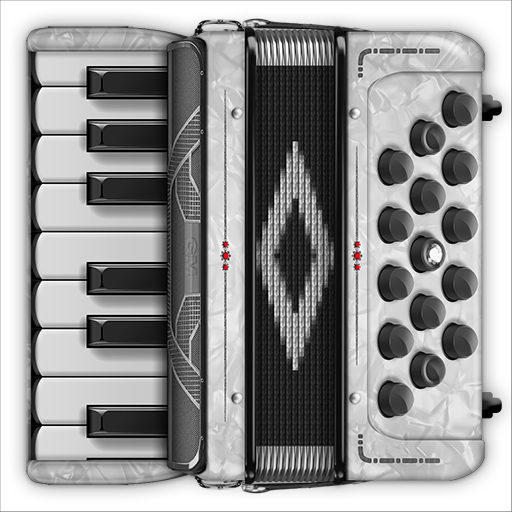
The bellows form the heart of the accordion, pumping air across reeds that vibrate to create sound. On one side, you’ll find the keyboard or buttons for melody, while the other side features bass buttons for accompaniment and chord progressions.
Piano Accordion vs Button Accordion
Piano accordions feature a keyboard similar to a piano, making them intuitive for those with piano experience. The visual layout helps beginners understand musical intervals and note relationships more easily.
Button accordions, alternatively known as chromatic button accordions or diatonic accordions, offer a more compact design and are traditional in many folk music styles. They require learning a different fingering system but provide excellent portability and unique tonal characteristics.
Choosing between these types depends on your musical goals, the genres you wish to explore, and personal comfort preferences. Many accomplished accordionists eventually learn both systems to expand their versatility.
🎓 Getting Started: Your First Steps with the Accordion
Beginning your accordion journey requires some preparation, but the rewards far exceed the initial challenges. Start by selecting an appropriate instrument for your skill level—beginner models are lighter and more manageable than professional concert accordions.
Proper posture forms the foundation of comfortable playing. The accordion should rest comfortably on your knee while supported by shoulder straps, allowing your arms to move freely without supporting the instrument’s weight.
Mastering Bellows Control
Bellows technique separates mediocre players from expressive musicians. Learning to control air pressure and direction gives you dynamic control over volume, articulation, and phrasing.
Practice opening and closing the bellows smoothly while playing simple notes. Imagine you’re breathing through the instrument—gentle, controlled, and rhythmic. This fundamental skill will enhance every aspect of your playing as you progress.
Experiment with different bellows speeds and pressures to understand how they affect tone quality. Quick, sharp movements create staccato notes, while slow, steady pressure produces legato phrases that flow seamlessly together.
🎼 Learning Your First Melodies and Bass Patterns
Start with simple melodies that use a limited range of notes. Folk songs and traditional tunes work wonderfully because they’re often written with accordion in mind and feature memorable, singable melodies.
On the bass side, begin with basic root-note accompaniment before progressing to chord buttons. Understanding the Stradella bass system—the standard arrangement found on most accordions—will unlock countless musical possibilities.
The bass layout follows a logical pattern called the circle of fifths, which organizes notes and chords in a musically intuitive way. Once you internalize this pattern, you can accompany nearly any song without looking at your left hand.
Coordinating Both Hands Effectively
The biggest challenge for new accordionists is coordinating independent hand movements while managing the bellows. This three-way coordination requires patience and dedicated practice.
Practice hands separately at first—master the melody with your right hand before adding left-hand accompaniment. When combining them, start slowly and gradually increase tempo as your muscle memory develops.
Use a metronome to maintain steady rhythm and build coordination gradually. Even five minutes of focused daily practice will yield noticeable improvement within weeks.
🎶 Developing Your Musical Ear and Expression
Technical proficiency means little without musical expression. The accordion’s expressive potential comes alive when you understand dynamics, phrasing, and emotional interpretation.
Listen extensively to accomplished accordionists across different genres. Notice how they use bellows dynamics to shape phrases, how they articulate notes for clarity, and how they inject personality into familiar melodies.
Record yourself regularly to identify areas needing improvement. Your perception while playing differs significantly from how you actually sound to listeners, making recordings invaluable learning tools.
📚 Effective Practice Strategies for Consistent Progress
Quality trumps quantity in accordion practice. Thirty focused minutes daily yields better results than sporadic marathon sessions that breed frustration and fatigue.
Structure your practice sessions with specific goals: warm-up exercises, technical work, new material, and repertoire review. This balanced approach develops all aspects of your playing simultaneously.
Building a Sustainable Practice Routine
Consistency matters more than duration. Establish a regular practice time that fits your schedule, making it a non-negotiable part of your daily routine like brushing your teeth.
Break challenging passages into small segments and practice them slowly with correct technique. Speed develops naturally with repetition—rushing leads to ingrained mistakes that require painstaking correction later.
Celebrate small victories along your journey. Learning an instrument requires persistence, and acknowledging progress maintains motivation through inevitable plateaus.
🌍 Exploring Musical Genres on the Accordion
The accordion’s versatility shines through its presence in virtually every musical tradition worldwide. Exploring different genres broadens your technical skills while keeping practice engaging and fresh.
Traditional folk music offers accessible repertoire that teaches cultural context alongside musical skills. French valse musette, Irish reels, German polkas, and Mexican norteño each present unique rhythmic and melodic challenges.
Classical accordion literature has flourished in recent decades, with contemporary composers creating sophisticated works that showcase the instrument’s expressive range. These pieces develop advanced technique while earning respect in serious musical circles.
Modern Applications and Contemporary Styles
Today’s accordionists incorporate their instruments into rock bands, jazz ensembles, electronic music productions, and experimental projects. This contemporary relevance proves the accordion’s adaptability and ongoing evolution.
Artists like Ksenija Sidorova, Cory Pesaturo, and Luciano Biondini demonstrate how the accordion thrives in modern contexts while honoring traditional roots. Their innovative approaches inspire new generations to pick up this remarkable instrument.
👥 Joining the Accordion Community
Learning accordion becomes more enjoyable when shared with others. Accordion clubs, online forums, and social media groups provide support, inspiration, and valuable feedback from fellow enthusiasts.
Many communities organize workshops, festivals, and informal jam sessions where players of all levels gather to share music and knowledge. These experiences accelerate learning while building lasting friendships around shared passion.
Don’t hesitate to reach out with questions or share your progress. The accordion community worldwide is notably welcoming and eager to help newcomers succeed.
🔧 Maintaining Your Accordion for Longevity
Proper maintenance ensures your accordion remains playable and pleasant-sounding for decades. These instruments are remarkably durable when treated with basic care and respect.
Store your accordion in a climate-controlled environment away from extreme temperatures and humidity fluctuations. These conditions can damage reeds, affect tuning, and warp wooden components over time.
Clean the exterior gently with appropriate materials, and have a qualified accordion technician perform annual maintenance checks. Professional servicing addresses issues before they become expensive repairs.
💡 Overcoming Common Beginner Challenges
Every accordionist faces similar obstacles initially—you’re not alone in struggling with coordination, bellows control, or bass system navigation. These challenges diminish with consistent practice and patience.
Hand fatigue often plagues beginners until muscles adapt to the instrument’s demands. Take regular breaks, stretch your hands and arms, and never practice through pain that might indicate injury.
Confusion with the bass system resolves as you internalize the layout pattern. Visual aids, practice apps, and simplified charts help demystify this initially overwhelming aspect of accordion playing.
🎯 Setting Realistic Goals and Measuring Progress
Establish clear, achievable goals that provide direction without overwhelming you. Learning one new song monthly, mastering specific technical exercises, or performing for friends are concrete milestones that track development.
Document your journey through recordings or video. Comparing your current playing to recordings from months earlier reveals progress that daily practice makes difficult to perceive.
Remember that musical development isn’t linear—plateaus and frustrations punctuate periods of rapid improvement. Persistence through challenging phases separates those who eventually master the instrument from those who abandon it prematurely.
🌟 The Joy of Sharing Music with Others
Ultimately, music exists to be shared. Whether performing for family gatherings, busking on street corners, or uploading videos online, sharing your accordion playing completes the musical circle.
Performance anxiety affects everyone initially, but regular public playing builds confidence and transforms nervous energy into expressive power. Start with supportive audiences before progressing to more formal venues.
The accordion’s visual appeal and distinctive sound make it particularly engaging for audiences. People of all ages respond positively to accordion music, making performances rewarding experiences that validate your dedicated practice.
🚀 Resources and Tools for Continuous Learning
Supplement your practice with quality instructional materials. Video tutorials, method books, online courses, and mobile apps provide structured learning paths that accelerate skill development.
Modern technology offers unprecedented access to accordion instruction. Virtual lessons connect you with expert teachers regardless of geographic location, while specialized apps help with bass system visualization, sight-reading, and ear training.
Sheet music libraries, both free and subscription-based, provide endless repertoire at various difficulty levels. Exploring diverse musical styles prevents boredom while developing well-rounded musicianship.

🎊 Embracing the Accordion Lifestyle
Playing accordion becomes more than a hobby—it evolves into a meaningful part of your identity and daily life. The discipline required transfers to other areas, building patience, focus, and perseverance.
The instrument connects you with history, culture, and a global community of passionate musicians. These connections enrich your life beyond the notes you play, creating experiences and relationships that last a lifetime.
Whether you aspire to professional performance or simply wish to enjoy playing for personal satisfaction, the accordion rewards every moment invested in learning. Its joyful sound has marked generations before you and will continue bringing happiness to countless future players.
Today is the perfect day to begin your accordion journey. Pick up that instrument, feel the weight of its history and possibility, and let your first notes join the centuries-long conversation of accordion music that spans our world. The melody you create today becomes part of the living tradition that connects us all through the timeless, universal language of music.

Toni Santos is a visionary artisan and conceptual designer who channels the beauty of living organisms into structural expression. At Zureste, Toni explores the intricate elegance of insect anatomy, organic flow, and bioinspired design to create art that feels both natural and otherworldly.
Each creation Toni brings to life reflects a harmonic tension between structure and softness, wildness and control — echoing the complex intelligence found in the natural world. From beetle-like silhouettes to root-shaped contours, his work blurs the lines between biology, sculpture, and modern art.
Guided by fascination for metamorphosis, evolution, and pattern in nature, Toni’s pieces embody transformation. His BioLight Collection and conceptual series like Insect Type and Structure Aesthetics offer viewers more than aesthetic value — they present immersive experiences of living design.
As the creative force behind Zureste, Toni invites us to rethink beauty, architecture, and identity through a new lens — one shaped by wings, bones, spirals, and the microscopic poetry of the organic.
His creations reflect:
-
Design deeply rooted in the geometry of life
-
Inspiration from insects, roots, and the unseen natural order
-
A blend of science, spirituality, and visual storytelling
Whether you’re a lover of strange beauty, an admirer of evolution’s artistry, or a creative mind seeking something different, Toni welcomes you into a world where living forms become meaning, and surreal becomes sublime.