Anúncios
# HTML Article: Horror Movies – Watch the Best and Most Terrifying Films Anytime


Horror films have captivated audiences for decades, offering spine-chilling thrills that keep us coming back for more, regardless of how terrified we become.
Anúncios
Whether you’re a seasoned horror enthusiast or someone just dipping their toes into the genre, there’s something undeniably magnetic about the way these films manipulate our emotions. The accelerated heartbeat, the nervous laughter, the urge to peek through your fingers—these reactions are all part of the beautifully terrifying experience that horror movies deliver.
From classic psychological thrillers to modern supernatural nightmares, the horror genre has evolved tremendously over the years. Today, accessing these frightening masterpieces has never been easier, allowing fans to indulge in their favorite scares whenever the mood strikes. Let’s dive deep into the world of horror cinema and explore what makes these films so compelling and where you can watch them. 🎬
Anúncios
Why We Love Being Scared: The Psychology Behind Horror Films
It might seem paradoxical that we willingly subject ourselves to fear and anxiety when watching horror movies. However, there’s fascinating psychology behind our attraction to terror on screen. Horror films provide a controlled environment where we can experience danger without actual risk—a safe space to confront our deepest fears.
When we watch a horror movie, our brain releases adrenaline and endorphins, creating a natural high that many find addictive. This cocktail of chemicals produces feelings of excitement and euphoria, especially once the credits roll and we realize we’re safely in our living room. It’s comparable to riding a roller coaster—terrifying in the moment, but thrilling overall.
Additionally, horror films often serve as cultural mirrors, reflecting societal anxieties and fears. Zombie apocalypses might represent fears of pandemic spread, haunted houses could symbolize family trauma, and alien invasions often embody xenophobia. These metaphorical layers give horror films depth beyond simple jump scares. 👻
The Golden Age of Classic Horror Films
The foundation of horror cinema was built decades ago with timeless classics that continue to influence filmmakers today. Films like “Psycho” (1960), directed by Alfred Hitchcock, revolutionized the genre with psychological terror that didn’t rely on monsters or supernatural elements.
“The Exorcist” (1973) remains one of the most terrifying films ever made, with its disturbing portrayal of demonic possession leaving audiences genuinely shaken. The film’s realistic approach to supernatural horror set a new standard for the genre. Even today, its impact resonates through countless possession films that followed.
George A. Romero’s “Night of the Living Dead” (1968) essentially created the modern zombie genre, transforming these creatures from voodoo servants into flesh-eating monsters that represented consumer culture and societal collapse. These classic films didn’t just scare audiences—they changed cinema forever.
Universal Monsters: Where It All Began
Before modern horror, Universal Studios gave us iconic monsters that defined the genre. Dracula, Frankenstein’s monster, the Wolf Man, and the Mummy became cultural icons that transcended film. These characters established many horror tropes we still recognize today, from the mad scientist to the cursed protagonist.
What made these films remarkable was their ability to evoke sympathy for the monsters. Frankenstein’s creature wasn’t purely evil—he was misunderstood and tragic. This complexity added emotional depth to horror that purely evil villains couldn’t provide.
Modern Horror Masterpieces You Can’t Miss
Contemporary horror cinema has pushed boundaries in extraordinary ways, blending genres and experimenting with narrative structures. Films like “Hereditary” (2018) and “The Witch” (2015) demonstrate how atmospheric dread can be more effective than constant jump scares.
“Get Out” (2017) brilliantly merged social commentary with horror, creating a film that was simultaneously terrifying and thought-provoking. Jordan Peele’s directorial debut proved that horror could tackle serious themes like racism while maintaining genuine scares. The film’s success opened doors for more socially conscious horror films.
“A Quiet Place” (2018) showcased innovative storytelling by creating a world where silence meant survival. The film’s minimal dialogue forced audiences to lean forward, straining to hear every sound, creating participatory tension that few films achieve. This creative approach reminded us that horror thrives on innovation. 🔇

The Rise of Elevated Horror
The term “elevated horror” has become popular in recent years, describing films that prioritize atmosphere, character development, and thematic depth over cheap scares. While some debate whether this categorization is pretentious, there’s no denying that films like “The Babadook” (2014) and “It Follows” (2014) brought new artistic credibility to the genre.
These films prove that horror doesn’t need to sacrifice intelligence for scares. They tackle themes like grief, trauma, sexuality, and mental illness with sensitivity while still delivering genuinely frightening experiences. This evolution has attracted prestigious actors and directors to the genre who might have previously dismissed it.
Subgenres That Define Horror Cinema
Horror is remarkably diverse, with numerous subgenres catering to different tastes and fear triggers. Understanding these categories can help you find exactly the type of terror you’re craving on any given night.
Supernatural Horror: Ghosts, Demons, and the Unknown 👹
Supernatural horror explores fears of the afterlife and forces beyond human comprehension. Films like “The Conjuring” series, “Insidious,” and “Sinister” have dominated this subgenre in recent years, creating interconnected universes of demonic activity.
What makes supernatural horror effective is its unpredictability. Physical threats can be fought or escaped, but how do you battle something that defies the laws of nature? This helplessness creates profound anxiety that lingers long after the credits roll.
Slasher Films: The Art of Survival
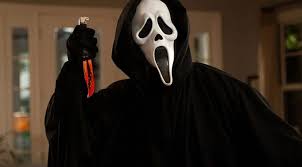
Slasher films follow a formula we know well: a masked or deformed killer systematically eliminates a group of people, usually teenagers. Despite their predictability, films like “Halloween,” “Friday the 13th,” and “Scream” remain beloved for their tension and iconic villains.
These films tap into primal fears of being hunted and the fragility of human life. The “final girl” trope—where one resourceful woman survives to confront the killer—has become a feminist icon in some academic circles, representing female resilience and ingenuity.
Psychological Horror: When Your Mind Is the Enemy
Psychological horror films like “Rosemary’s Baby,” “Black Swan,” and “Shutter Island” blur the line between reality and delusion. These films make us question what we’re seeing, creating unreliable narratives that keep us off-balance throughout.
This subgenre is particularly unsettling because it suggests our perception of reality can’t be trusted. The fear isn’t external—it’s internal, making escape impossible. These films often leave audiences debating interpretations long after viewing, adding intellectual engagement to emotional impact. 🧠
Found Footage: Realism Through the Lens
“The Blair Witch Project” (1999) revolutionized horror with its found footage approach, creating authenticity through amateur camerawork and improvised dialogue. The film’s marketing brilliantly blurred fiction and reality, with many initially believing the footage was genuine.
While the subgenre has become saturated, films like “REC” and the “Paranormal Activity” series prove that the format can still deliver effective scares when executed well. The shaky camera and limited perspective create claustrophobic tension that polished cinematography sometimes loses.
International Horror: Terrifying Tales from Around the World 🌍
American horror dominates mainstream consciousness, but international horror offers fresh perspectives rooted in different cultural fears and folklore. Japanese horror (J-horror) introduced Western audiences to new terror aesthetics through films like “Ringu” and “Ju-On: The Grudge.”
J-horror emphasizes atmospheric dread and disturbing imagery over jump scares. The iconic image of Sadako crawling from the television in “Ringu” created a visual nightmare that transcended language barriers. These films often explore themes of technological anxiety and vengeful spirits, reflecting Japanese cultural concerns.
Spanish horror has delivered gems like “The Orphanage” and the “[REC]” series, combining emotional storytelling with visceral scares. Meanwhile, South Korean films like “The Wailing” and “Train to Busan” blend horror with other genres, creating unpredictable narratives that keep audiences guessing.
Nordic Horror: Cold Climate, Chilling Stories
Scandinavian horror films like “Let the Right One In” and “Midsommar” prove that horror doesn’t require darkness to be effective. “Midsommar” notably takes place almost entirely in bright daylight, subverting our expectation that horror needs shadows to thrive.
These films often incorporate folk horror elements, drawing from ancient pagan traditions and rural isolation. The slow-burn approach creates mounting dread rather than sudden shocks, rewarding patient viewers with deeply unsettling experiences.
Where to Watch Horror Films Anytime You Want
The digital age has made accessing horror films remarkably convenient. Streaming platforms offer extensive libraries spanning decades of terror, from silent film classics to contemporary releases. However, navigating these options can be overwhelming given the sheer volume of content available.
Dedicated horror streaming services have emerged for true genre enthusiasts, offering curated collections of both mainstream hits and obscure cult classics. These specialized platforms often include exclusive content, director commentaries, and behind-the-scenes features that enhance the viewing experience beyond the film itself.
Mobile applications have revolutionized how we consume horror content, allowing us to carry entire libraries of terrifying films in our pockets. Whether you’re traveling, waiting for an appointment, or simply prefer watching on a smaller screen, these apps provide flexibility that traditional viewing methods couldn’t match. 📱
The Benefits of Dedicated Horror Apps
Specialized horror movie applications offer advantages beyond general streaming services. They provide genre-specific categorization that helps you find exactly what you’re looking for—whether that’s 1980s slashers, Japanese ghost stories, or modern elevated horror.
These apps often include community features where fans can discuss films, share recommendations, and debate interpretations. This social element enhances the viewing experience by connecting you with like-minded horror enthusiasts worldwide. User ratings and reviews specific to genre fans provide more reliable guidance than general audience scores.
Many dedicated horror apps also feature curated playlists for different moods and occasions. Planning a Halloween marathon? There’s a list for that. Want films that won’t give you nightmares before bed? There’s a collection of lighter horror-comedies waiting for you.
Building Your Personal Horror Film Education
Becoming a true horror aficionado requires more than watching random scary movies. Approaching the genre systematically helps you understand its evolution, appreciate filmmaking techniques, and identify your personal preferences within the vast landscape of terror cinema.
Start with the classics to understand the foundation. Films like “Nosferatu” (1922), despite being silent, demonstrate that horror’s power transcends technology. Watch how these early filmmakers used shadows, set design, and actor performance to create fear without modern special effects or sound design.
Progress chronologically through different eras, noting how societal changes influence horror themes. Post-World War II horror reflected nuclear anxiety, 1970s films explored family breakdown and institutional distrust, and modern horror often addresses technology’s dark side and social media’s psychological impact. 🎭
Essential Films Every Horror Fan Should Watch
While taste is subjective, certain films are universally acknowledged as essential viewing. “The Cabinet of Dr. Caligari” (1920) pioneered expressionist horror aesthetics. “Psycho” (1960) proved mainstream audiences would embrace genuinely disturbing content. “The Texas Chain Saw Massacre” (1974) demonstrated that suggestion could be more powerful than explicit violence.
“Halloween” (1978) essentially created the modern slasher formula while maintaining artistic integrity through John Carpenter’s direction and score. “The Thing” (1982) showcased practical effects mastery that CGI still struggles to match. “The Silence of the Lambs” (1991) proved horror could win Best Picture at the Academy Awards.
More recently, “The Descent” (2005) combined claustrophobic terror with creature horror and emotional trauma. “Let the Right One In” (2008) reimagined vampire mythology through a touching coming-of-age lens. “The Cabin in the Woods” (2011) deconstructed horror tropes while simultaneously celebrating them.
Horror Movie Marathons: Curating the Perfect Scary Night 🍿
Few activities bond friends like a well-planned horror marathon. The key to success lies in thoughtful curation—varying intensity, tone, and subgenre to maintain engagement without exhausting your audience emotionally or physically.
Start with lighter fare to ease everyone into the mood. A horror-comedy like “Shaun of the Dead” or “Tucker and Dale vs. Evil” provides scares without overwhelming anyone early. This approach is especially considerate if some attendees are horror newcomers who need gradual acclimation.
Build intensity through the middle selections, incorporating your core horror films with substantial scares. Save your most intense selection for the penultimate position rather than the finale—ending on something slightly lighter helps everyone decompress before heading home or attempting sleep.
Themed Marathon Ideas
Organizing marathons around specific themes creates cohesive experiences. A “haunted house progression” marathon could include “The Haunting” (1963), “Poltergeist,” “The Conjuring,” and “Hereditary,” showing how this subgenre evolved across decades.
Alternatively, explore a single director’s vision with a marathon of John Carpenter’s films, Jordan Peele’s growing filmography, or Guillermo del Toro’s dark fairy tales. This approach reveals how individual artists develop their craft and recurring themes that define their work.
International horror marathons expose viewers to different cultural approaches. Combine Japanese, Korean, Spanish, and Swedish horror to appreciate how various traditions interpret fear differently, expanding your understanding of horror beyond Hollywood conventions.
The Future of Horror Cinema
Horror continues evolving, embracing new technologies and storytelling methods. Virtual reality horror experiences offer unprecedented immersion, placing viewers directly inside terrifying scenarios. While still in early stages, VR horror represents potentially revolutionary changes in how we experience fear through media.
Streaming platforms’ data-driven approaches influence horror production, with algorithms identifying which elements resonate most strongly with audiences. This creates both opportunities for niche subgenres to find audiences and risks of homogenization as studios chase proven formulas rather than taking creative chances.
Diverse voices are increasingly shaping horror narratives, bringing fresh perspectives previously marginalized in genre filmmaking. Films exploring non-Western folklore, LGBTQ+ experiences, and stories centered on people of color enrich horror by introducing new mythologies and fear frameworks to mainstream audiences. 🌟
Creating Your Horror Viewing Ritual
Maximizing horror enjoyment involves more than simply pressing play. Creating the right atmosphere transforms viewing from passive entertainment into immersive experience. Dim lighting (not complete darkness, which makes screens harder to watch) sets the mood without straining eyes.
Sound quality dramatically impacts horror effectiveness. Invest in decent speakers or headphones—subtle audio cues and ambient soundscapes lose impact through tinny television speakers. Many classic scares depend on directional sound that proper audio equipment reveals.
Consider timing your viewing for maximum effect. Late night viewing amplifies fear when every house creak feels ominous, but daytime viewing allows nervous viewers to decompress before sleep. Neither approach is wrong—choose what enhances your personal enjoyment rather than forcing yourself into situations that create genuine distress rather than entertainment. 🌙
Horror Films That Transcend the Genre
Some horror films achieve something remarkable—they satisfy genre fans while appealing to viewers who typically avoid scary movies. These crossover successes often receive critical acclaim and awards recognition traditionally denied to horror.
“The Sixth Sense” captivated mainstream audiences with its emotional core and twist ending, proving supernatural stories could move viewers to tears alongside chills. “Pan’s Labyrinth” blended fantasy and horror to create a dark fairy tale addressing Spanish Civil War trauma through fantastical allegory.
“A Quiet Place” attracted family audiences despite genuine scares by centering on parental love and sacrifice. The film’s essentially dialogue-free narrative showcased cinematic storytelling at its purest, relying on visual composition and sound design rather than exposition.
These films demonstrate that horror elements enhance rather than define stories. Fear becomes a tool serving larger narratives about human experience, making these films accessible to audiences who respect the craft even if they dislike being scared.
Embracing Horror as a Celebration of Cinema
Horror represents filmmaking creativity at its most unbridled. Limited budgets often force innovative solutions that spawn new techniques later adopted by mainstream cinema. The genre welcomes experimentation with narrative structure, visual style, and audience expectations in ways more expensive productions cannot risk.
Horror festivals celebrate this creativity, showcasing independent films that push boundaries and challenge conventions. These events create communities where filmmakers, critics, and fans exchange ideas, ensuring the genre continues evolving rather than stagnating in repetitive formulas.
Whether you prefer subtle atmospheric tension or intense visceral shocks, psychological complexity or straightforward monster mayhem, horror cinema offers something for everyone. The genre’s remarkable diversity ensures that even lifelong fans continually discover new favorites and fresh perspectives on fear.
With modern technology making vast horror libraries accessible anytime, anywhere, there’s never been a better time to explore everything this rich genre offers. From silent film pioneers to contemporary innovators, from Hollywood blockbusters to international art films, the world of horror cinema awaits your discovery. So dim the lights, turn up the volume, and prepare yourself for the beautiful terror that only great horror films can deliver. Sweet screams! 😱🎬
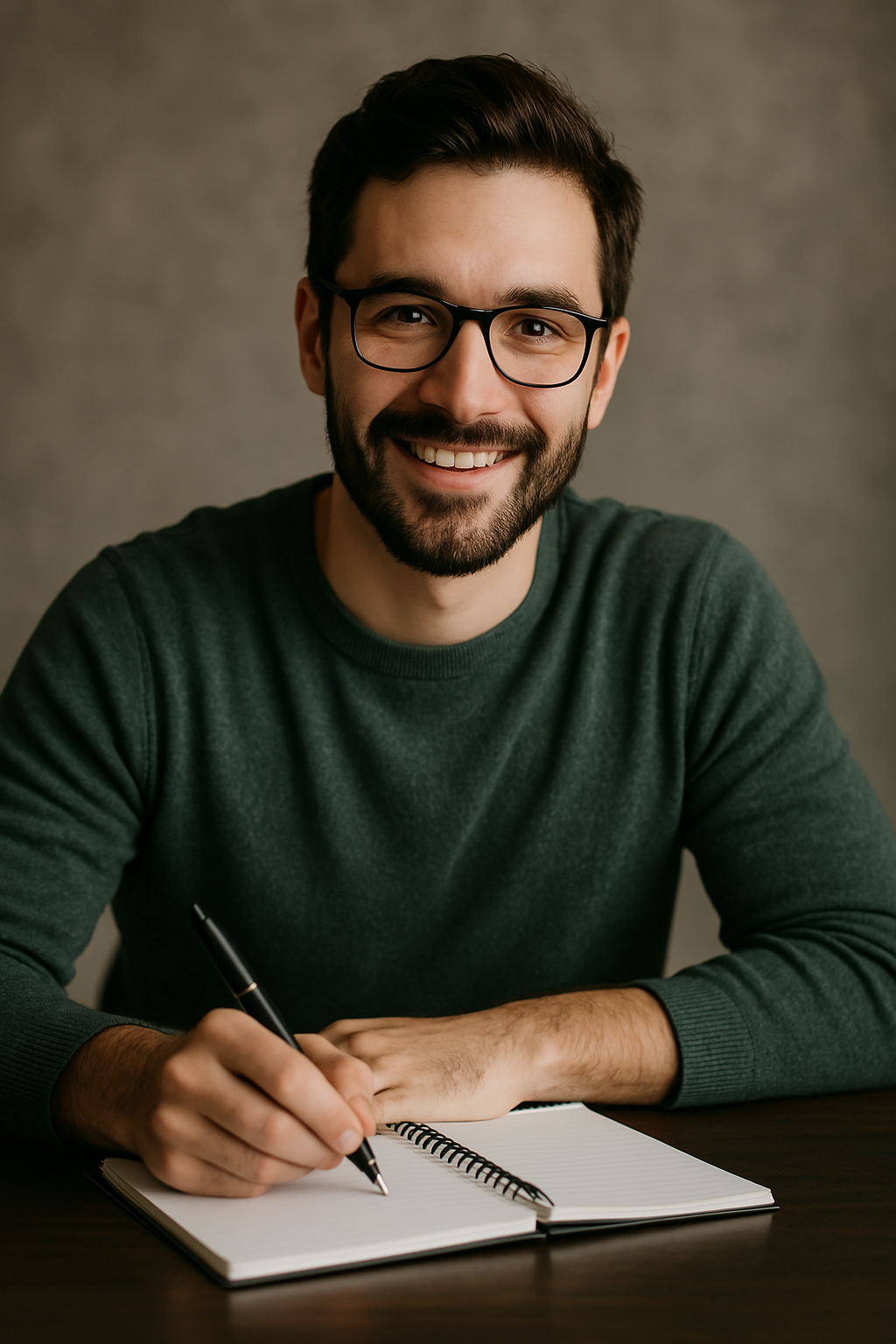
Toni Santos is a visionary artisan and conceptual designer who channels the beauty of living organisms into structural expression. At Zureste, Toni explores the intricate elegance of insect anatomy, organic flow, and bioinspired design to create art that feels both natural and otherworldly.
Each creation Toni brings to life reflects a harmonic tension between structure and softness, wildness and control — echoing the complex intelligence found in the natural world. From beetle-like silhouettes to root-shaped contours, his work blurs the lines between biology, sculpture, and modern art.
Guided by fascination for metamorphosis, evolution, and pattern in nature, Toni’s pieces embody transformation. His BioLight Collection and conceptual series like Insect Type and Structure Aesthetics offer viewers more than aesthetic value — they present immersive experiences of living design.
As the creative force behind Zureste, Toni invites us to rethink beauty, architecture, and identity through a new lens — one shaped by wings, bones, spirals, and the microscopic poetry of the organic.
His creations reflect:
-
Design deeply rooted in the geometry of life
-
Inspiration from insects, roots, and the unseen natural order
-
A blend of science, spirituality, and visual storytelling
Whether you’re a lover of strange beauty, an admirer of evolution’s artistry, or a creative mind seeking something different, Toni welcomes you into a world where living forms become meaning, and surreal becomes sublime.