
Anúncios
Physical therapy at home is now a reality thanks to innovative mobile apps that bring professional rehabilitation directly to your fingertips. 🏠💪


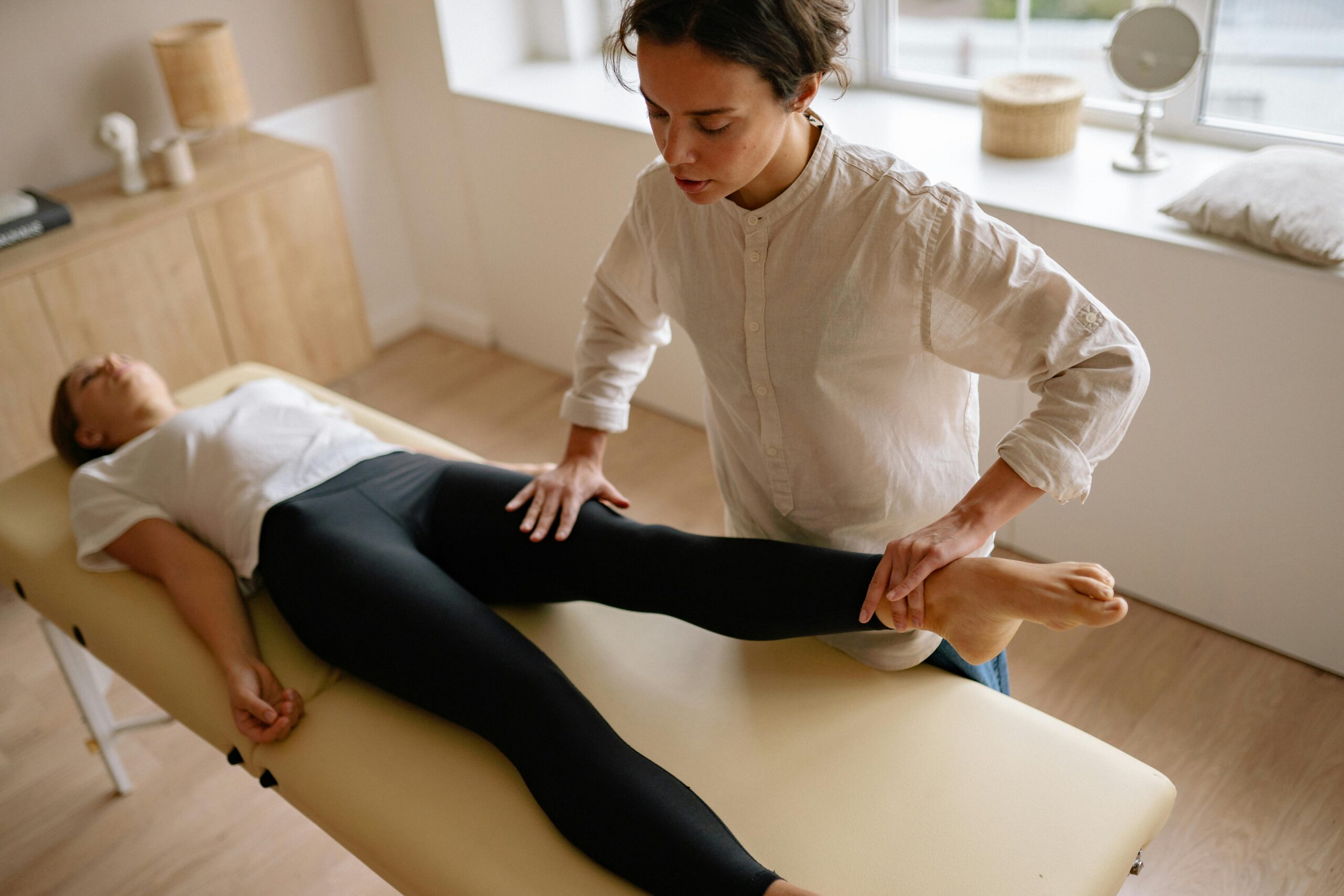
The landscape of physical therapy has transformed dramatically over recent years. What once required multiple clinic visits, scheduling conflicts, and significant time investment can now be managed from the comfort of your living room. Modern technology has bridged the gap between professional healthcare and convenient home treatment, making recovery and pain management more accessible than ever before.
Anúncios
Whether you’re recovering from an injury, managing chronic pain, or simply looking to improve your mobility and overall physical health, physiotherapy apps offer personalized exercise programs, video demonstrations, and progress tracking features that rival traditional in-person sessions. This digital revolution in healthcare isn’t about replacing professional therapists—it’s about extending their reach and making quality care available to everyone, regardless of location or schedule constraints.
🔄 The Digital Transformation of Physical Therapy
Traditional physiotherapy has always been effective, but it came with limitations. Patients often struggled with remembering exercises, performing them correctly at home, or maintaining consistency between appointments. The advent of physiotherapy applications has addressed these challenges head-on, creating a seamless bridge between clinical sessions and home practice.
Anúncios
These apps function as virtual physiotherapists, providing detailed exercise instructions, video demonstrations from multiple angles, and reminders to keep you on track with your rehabilitation program. Many feature direct communication channels with licensed professionals who can adjust your program based on your progress and feedback.
The technology behind these platforms incorporates artificial intelligence and machine learning to customize treatment plans based on individual needs, injury types, and recovery goals. This personalized approach ensures that every exercise session targets your specific condition, maximizing the effectiveness of each movement while minimizing the risk of further injury.
💪 Taking Control of Your Health and Mobility
One of the most empowering aspects of home-based physiotherapy is the control it gives you over your own health journey. Rather than being a passive recipient of treatment, you become an active participant in your recovery process. This shift in mindset can significantly impact outcomes, as research consistently shows that patient engagement correlates strongly with successful rehabilitation.
Mobile physiotherapy apps put comprehensive treatment protocols in your pocket. They allow you to exercise at times that fit your schedule, whether that’s early morning before work, during lunch breaks, or late evening when the house is quiet. This flexibility removes one of the biggest barriers to consistent therapy—time management.
Building Sustainable Exercise Habits
The key to long-term mobility improvement isn’t sporadic intensive sessions but rather consistent, moderate practice. Physiotherapy apps excel at facilitating this consistency through built-in reminders, progress tracking, and achievement systems that keep you motivated throughout your recovery journey.
Many users report that having a structured program on their phone makes it easier to integrate exercises into daily routines. The visual progress charts and completion statistics provide tangible evidence of improvement, reinforcing positive behaviors and encouraging continued participation.
📱 How Physiotherapy Apps Actually Work
Understanding the functionality of these applications can help you maximize their benefits. Most professional physiotherapy apps follow a similar framework designed to replicate the structure of in-person therapy sessions.
When you first download and set up a physiotherapy app, you’ll typically complete an assessment that gathers information about your condition, pain levels, mobility limitations, and health goals. This data forms the foundation for your personalized treatment plan.
Core Features That Make a Difference
High-quality physiotherapy applications share several essential features that distinguish them from generic fitness apps:
- Video demonstrations: Professional therapists perform each exercise from multiple angles, showing proper form and technique
- Audio instructions: Verbal cues guide you through each movement without needing to watch the screen constantly
- Progress tracking: Digital logs record your sessions, pain levels, and mobility improvements over time
- Customizable programs: Exercise routines adjust based on your feedback and progression
- Communication tools: Direct messaging with healthcare providers ensures proper supervision
- Reminder systems: Push notifications help maintain consistency and prevent missed sessions
- Educational resources: Articles and videos explain your condition and the science behind each exercise
🎯 Targeting Specific Pain Points and Conditions
Different physiotherapy apps specialize in various conditions and body areas. Understanding which type of program best addresses your specific needs ensures optimal results from your home therapy sessions.

Common Conditions Addressed Through App-Based Therapy
Modern physiotherapy applications provide targeted treatment protocols for a wide range of conditions. Lower back pain, one of the most prevalent musculoskeletal complaints globally, receives extensive coverage with exercises focused on core strengthening, flexibility, and postural correction.
Shoulder issues, including rotator cuff problems, frozen shoulder, and post-surgical rehabilitation, benefit from guided range-of-motion exercises and gradual strength-building programs. Knee conditions such as arthritis, post-operative recovery, and general joint pain respond well to structured strengthening and stability exercises delivered through these platforms.
Neck pain and tension, often resulting from poor posture and prolonged computer use, can be effectively managed through regular stretching and strengthening routines. Hip mobility problems, ankle rehabilitation, and wrist or elbow conditions also have dedicated protocols within comprehensive physiotherapy apps.
🏡 Creating Your Home Therapy Space
Successfully implementing a home physiotherapy routine requires more than just downloading an app. Creating an appropriate environment enhances your practice and increases the likelihood of consistent participation.
You don’t need a fully-equipped gym to perform therapeutic exercises effectively. Most physiotherapy routines require minimal equipment—perhaps a yoga mat, resistance bands, and small weights. Many exercises use only body weight, making them accessible regardless of your resources.
Essential Elements for Effective Home Practice
Designate a specific area in your home for exercises. This dedicated space creates a psychological association between location and activity, making it easier to transition into therapy mode. Ensure adequate lighting and ventilation to keep the space comfortable and safe.
Position your phone or tablet at an appropriate distance where you can clearly see demonstration videos while performing exercises. Consider using a stand or prop to keep the device stable and at eye level, preventing neck strain from looking down repeatedly.
Keep all necessary equipment organized and readily accessible. When everything you need is within reach, you eliminate friction points that might discourage regular practice. A small basket or shelf containing resistance bands, foam rollers, and other tools keeps your space tidy and functional.
📊 Measuring Progress and Adjusting Your Program
One significant advantage of digital physiotherapy is the ability to track progress with precision. Traditional therapy relies heavily on patient memory and therapist observation during periodic appointments. App-based programs continuously monitor your performance, creating detailed records of your rehabilitation journey.
Most applications include pain scales where you report discomfort levels before and after sessions. Over time, this data reveals trends that might not be immediately apparent day-to-day. Gradual pain reduction, even by small increments, provides concrete evidence that your efforts are producing results.
Understanding Your Progress Metrics
Beyond pain levels, apps track various performance indicators. Range of motion measurements show improvements in flexibility and joint mobility. Strength assessments, whether through increased resistance levels or longer hold times, demonstrate muscular development. Consistency metrics reveal how regularly you’re completing prescribed exercises, which strongly correlates with outcome success.
This comprehensive data collection serves multiple purposes. It motivates you by highlighting improvements that might feel subtle in daily life. It provides healthcare providers with detailed information to inform treatment adjustments. And it helps identify plateaus or setbacks early, allowing for timely intervention before minor issues become major problems.
💡 Maximizing the Benefits of Your App-Based Therapy
Simply having a physiotherapy app on your phone doesn’t guarantee results. Like any healthcare intervention, success depends on how you engage with the program and integrate it into your lifestyle.
Consistency trumps intensity in rehabilitation. It’s more beneficial to complete 15-minute sessions five days per week than to do marathon hour-long workouts sporadically. Your muscles and connective tissues adapt through regular, repeated stimulus, not occasional intense effort.
Best Practices for Home Physiotherapy Success
Schedule your therapy sessions like any other important appointment. Treat this time as non-negotiable, setting reminders and preparing your space in advance. Morning sessions work well for many people, establishing a positive start to the day before other obligations interfere.
Focus on quality of movement rather than quantity of repetitions. Performing exercises with proper form prevents compensation patterns that can lead to new problems. When video demonstrations emphasize specific cues—such as keeping shoulders down, engaging core muscles, or moving slowly through the full range—pay close attention to these details.
Communicate regularly with healthcare providers through the app’s messaging features. Report any unusual pain, difficulty with specific exercises, or concerns about your progress. Professional therapists can adjust your program remotely, ensuring it remains appropriate for your current condition.
🌟 Real-Life Success Stories and Research Support
The effectiveness of app-based physiotherapy isn’t merely theoretical—it’s supported by growing research evidence and countless user testimonials. Clinical studies have demonstrated that remote physiotherapy can produce outcomes comparable to traditional in-person treatment for many conditions.
Research published in medical journals shows that patients using physiotherapy apps report higher adherence rates compared to those following written exercise sheets. The interactive nature, visual demonstrations, and built-in motivation features significantly increase the likelihood that people will complete their prescribed programs.
When to Seek Additional Professional Support
While home-based physiotherapy offers tremendous benefits, it’s important to recognize situations requiring in-person evaluation. Severe or worsening pain, numbness or tingling, significant swelling, or symptoms that don’t improve after several weeks of consistent exercise warrant professional assessment.
Many users find that a hybrid approach works best—combining periodic in-person evaluations with daily app-guided home practice. This model leverages the expertise of trained therapists for complex assessments and manual techniques while utilizing technology for consistent, convenient exercise performance.
🚀 Taking the First Step Toward Better Mobility
Beginning your home physiotherapy journey starts with a simple decision to prioritize your health and mobility. Whether you’re managing chronic pain, recovering from injury, or proactively addressing minor discomfort before it becomes serious, app-based programs provide accessible, affordable, and effective solutions.
Download a reputable physiotherapy application today and complete the initial assessment honestly. This information ensures your program targets your specific needs from the start. Commit to following the prescribed exercises for at least three weeks—the minimum timeframe to begin experiencing noticeable improvements.
Remember that recovery and improved mobility are gradual processes. There will be challenging days when motivation wanes or progress seems stalled. During these moments, review your progress data to see how far you’ve actually come. Small improvements accumulate into significant transformations over time.
🔐 Safety Considerations and Best Practices
While physiotherapy apps are designed with safety in mind, users must take personal responsibility for exercising within appropriate limits. Never push through sharp or severe pain—this signals potential tissue damage rather than productive therapeutic work.
Start any new program conservatively, even if you feel capable of more intense exercise. Gradual progression allows your body to adapt safely, reducing injury risk. If an exercise causes pain beyond mild discomfort, stop immediately and report this through the app’s communication features.
Medical Clearance and Contraindications
Before starting any exercise program, including app-based physiotherapy, consult with your healthcare provider if you have significant medical conditions, recent surgeries, or chronic diseases. Certain conditions require modified approaches or professional supervision that home programs cannot safely provide.
Be completely honest during the app’s initial assessment. Withholding information about injuries, surgeries, or health conditions may result in inappropriate exercise prescriptions that could cause harm rather than benefit.
💰 The Cost-Effectiveness of Digital Physiotherapy
Financial accessibility represents another significant advantage of app-based therapy. Traditional physiotherapy sessions can be expensive, especially for those without comprehensive insurance coverage. Multiple weekly appointments over several months create substantial financial burden for many individuals.
Physiotherapy apps typically operate on affordable subscription models, often costing less than a single in-person therapy session. This pricing structure makes consistent, long-term care accessible to broader populations, removing economic barriers that prevent many people from seeking needed treatment.
The value extends beyond direct cost savings. Home-based therapy eliminates transportation expenses, parking fees, and time away from work. For rural residents or those with mobility limitations, not needing to travel to appointments represents both financial savings and improved accessibility.
🌈 Embracing Your Journey to Better Health
Your body is remarkably capable of healing and adapting when given proper stimulus and support. Physiotherapy apps provide the guidance, structure, and motivation needed to facilitate this natural healing process. They transform abstract concepts like “do your exercises at home” into concrete, actionable, and trackable programs.
The technology serves as a tool—an extension of professional healthcare that brings expertise into your daily life. It doesn’t replace human connection with therapists but rather amplifies their ability to support your recovery even when you’re not in the same room.
Every exercise session, no matter how brief, contributes to your overall health trajectory. Consistency compounds over weeks and months, gradually rebuilding strength, restoring mobility, and reducing pain. The person you’ll be six months from now depends on the small daily actions you take starting today.
Take control of your physical health with the powerful combination of professional physiotherapy knowledge and convenient mobile technology. Your improved mobility, reduced pain, and enhanced quality of life are waiting on the other side of consistent, guided practice. Download a trusted physiotherapy app now and begin writing your own success story—one exercise session at a time. 🌟💪

Toni Santos is a visionary artisan and conceptual designer who channels the beauty of living organisms into structural expression. At Zureste, Toni explores the intricate elegance of insect anatomy, organic flow, and bioinspired design to create art that feels both natural and otherworldly.
Each creation Toni brings to life reflects a harmonic tension between structure and softness, wildness and control — echoing the complex intelligence found in the natural world. From beetle-like silhouettes to root-shaped contours, his work blurs the lines between biology, sculpture, and modern art.
Guided by fascination for metamorphosis, evolution, and pattern in nature, Toni’s pieces embody transformation. His BioLight Collection and conceptual series like Insect Type and Structure Aesthetics offer viewers more than aesthetic value — they present immersive experiences of living design.
As the creative force behind Zureste, Toni invites us to rethink beauty, architecture, and identity through a new lens — one shaped by wings, bones, spirals, and the microscopic poetry of the organic.
His creations reflect:
-
Design deeply rooted in the geometry of life
-
Inspiration from insects, roots, and the unseen natural order
-
A blend of science, spirituality, and visual storytelling
Whether you’re a lover of strange beauty, an admirer of evolution’s artistry, or a creative mind seeking something different, Toni welcomes you into a world where living forms become meaning, and surreal becomes sublime.