
Anúncios
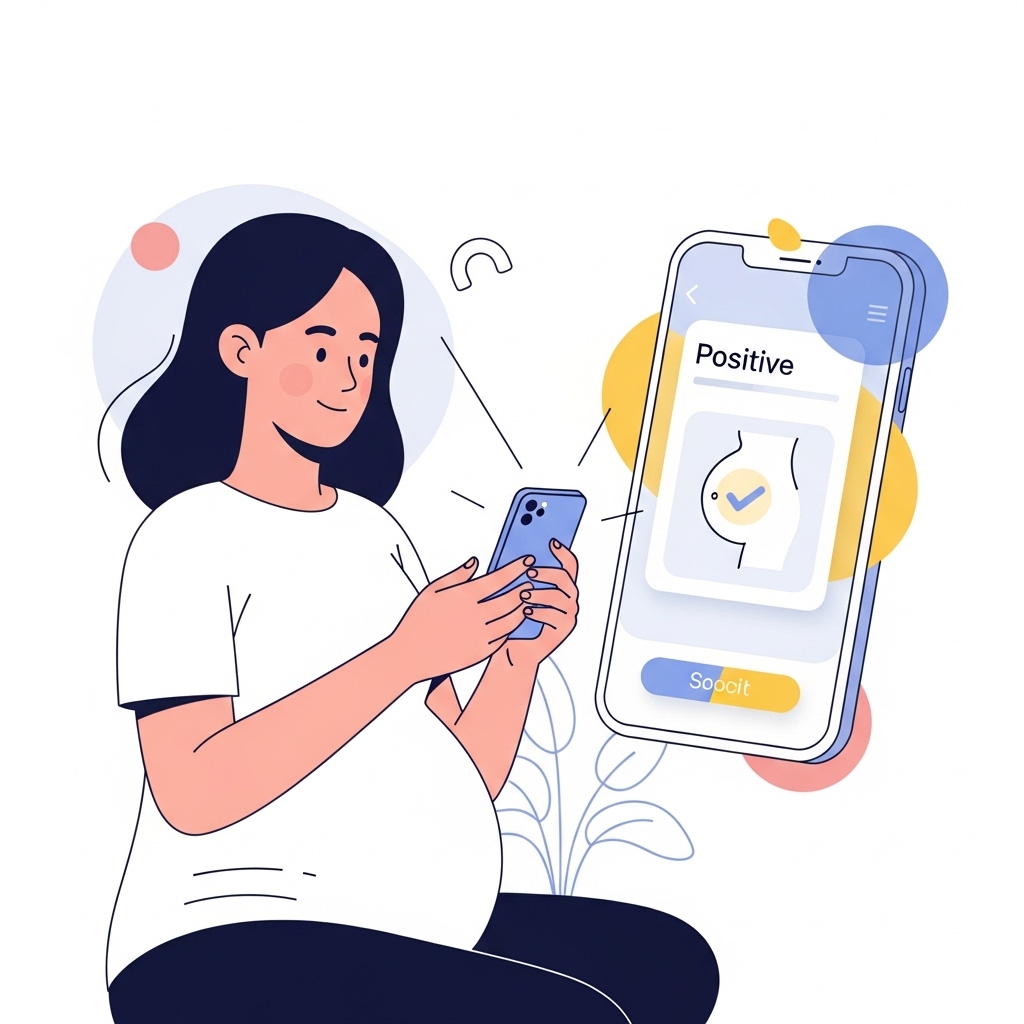
Pregnancy is a life-changing moment, and technology now offers apps to help track symptoms and predict the likelihood of conception even before taking a physical test.
While no smartphone application can replace a medical-grade pregnancy test or professional consultation, pregnancy tracker apps have become incredibly popular tools for women who want to monitor their fertility, ovulation cycles, and early pregnancy symptoms. These digital companions provide valuable insights, educational content, and personalized predictions based on data you input.
Anúncios
In this comprehensive guide, we’ll explore how pregnancy test apps work, their features, accuracy, limitations, and the best options available. Whether you’re actively trying to conceive or simply curious about your reproductive health, understanding these tools can empower you to make informed decisions about your body and wellbeing. 🤰
How Do Pregnancy Test Apps Actually Work?
Pregnancy test apps don’t perform chemical analysis like traditional pregnancy tests. Instead, they use algorithms to assess the probability of pregnancy based on several factors including your menstrual cycle data, ovulation patterns, symptoms, and timing of intercourse.
Anúncios
Most apps ask users to input information such as the first day of their last menstrual period, cycle length, basal body temperature, cervical mucus consistency, and physical symptoms like nausea, breast tenderness, or fatigue. The app then cross-references this data with established medical knowledge about conception timing and early pregnancy indicators.
The technology behind these apps relies on fertility awareness methods that have been used for decades. By tracking when ovulation occurs—typically 12-16 days before your next period—apps can identify your fertile window, which is crucial for conception. Some advanced apps also incorporate machine learning to improve predictions over time as they gather more data about your unique cycle patterns.
Key Features of Pregnancy Tracking Applications 📱
Modern pregnancy test apps offer far more than just period tracking. Here are the most valuable features you’ll find:
- Cycle and ovulation tracking: Monitors your menstrual patterns and predicts fertile days
- Symptom logging: Allows you to record physical and emotional changes daily
- Pregnancy probability calculator: Estimates likelihood of conception based on your data
- Basal body temperature charts: Tracks temperature fluctuations that indicate ovulation
- Educational resources: Provides articles, tips, and videos about fertility and pregnancy
- Reminder notifications: Alerts you to take tests, log symptoms, or track temperature
- Partner sharing: Enables you to share information with your significant other
- Community forums: Connects you with other women on similar journeys
Understanding the Accuracy and Limitations ⚠️
It’s essential to maintain realistic expectations about what pregnancy apps can and cannot do. While they’re excellent tools for awareness and education, they have significant limitations.
No app can detect pregnancy hormones (hCG) in your system—only physical tests (urine or blood) can do that. Apps provide estimations and probability assessments based on patterns, not definitive diagnoses. Factors like irregular cycles, stress, hormonal imbalances, or medical conditions can affect the accuracy of predictions.
Research shows that cycle tracking apps can be quite accurate for women with regular periods, with some studies indicating 75-90% accuracy in predicting fertile windows. However, for pregnancy detection specifically, the accuracy depends entirely on the quality and consistency of data you input.
The most reliable approach is using these apps as complementary tools alongside traditional pregnancy tests and medical consultations. Think of them as educational companions rather than medical diagnostic devices.
Who Should Use Pregnancy Test Apps?
These applications serve various groups of women with different needs and goals:
Women trying to conceive: If you’re actively planning for pregnancy, these apps help identify your most fertile days, maximizing your chances of conception. By understanding your cycle patterns, you can time intercourse more strategically.
Those monitoring reproductive health: Even if pregnancy isn’t your immediate goal, tracking your cycle helps you understand your body better, recognize irregularities, and provide valuable information to your healthcare provider.
Women with irregular cycles: While more challenging to predict, consistent tracking can help identify patterns or triggers affecting your cycle, which is useful information for medical consultations.
First-time mothers: Apps provide educational content that helps you understand the conception process, early pregnancy signs, and what to expect during the journey.
Early Pregnancy Symptoms Apps Help Track 🌡️
One of the most valuable features of pregnancy apps is symptom tracking. Here are common early pregnancy indicators these apps monitor:
- Missed or late period
- Breast tenderness or swelling
- Morning sickness or nausea
- Increased urination frequency
- Fatigue and exhaustion
- Food cravings or aversions
- Mood swings
- Light spotting (implantation bleeding)
- Cramping similar to menstrual cramps
- Heightened sense of smell
By logging these symptoms daily, the app can analyze patterns and provide insights about the likelihood of pregnancy. However, remember that many of these symptoms overlap with premenstrual syndrome (PMS), which is why physical testing remains essential for confirmation.
Best Practices for Using Pregnancy Apps Effectively
To maximize the benefits and accuracy of pregnancy tracking applications, follow these recommendations:
Be consistent with data entry: The more regularly you log information, the more accurate the app’s predictions become. Set daily reminders to record symptoms, temperature, and other relevant data.
Track multiple indicators: Don’t rely solely on one metric. Combine period tracking, basal body temperature, cervical mucus observations, and symptoms for a comprehensive picture.
Know your cycle length: Understanding whether you have a typical 28-day cycle or something different helps the app make better predictions. Track at least three cycles before relying heavily on predictions.
Take physical tests at the right time: Apps can suggest optimal testing times based on your cycle. Most home pregnancy tests are most accurate after a missed period, typically 14 days post-ovulation.
Consult healthcare professionals: Use app data to have informed conversations with your doctor, but never replace professional medical advice with app predictions.
Privacy and Data Security Considerations 🔒
When using pregnancy and fertility apps, you’re sharing highly sensitive personal health information. It’s crucial to understand how your data is being used and protected.
Research the app’s privacy policy before downloading. Look for information about data encryption, whether information is sold to third parties, and how long data is retained. Some studies have revealed that certain fertility apps share user data with advertisers or other companies without explicit consent.
Choose apps from reputable developers with transparent privacy policies. Read user reviews specifically mentioning privacy concerns. Consider using apps that allow local data storage on your device rather than cloud-based systems if privacy is a priority.
Be cautious about connecting fertility apps to social media accounts, as this can create additional data sharing pathways. Remember that once information is shared digitally, it can be difficult to fully control its distribution.
Transitioning from Tracking to Confirmation
Once a pregnancy app suggests a high probability of conception, it’s time to take the next steps toward confirmation. Here’s a practical timeline:
Days 1-10 post-ovulation: Continue symptom tracking but recognize that most tests won’t detect pregnancy this early. Implantation typically occurs 6-12 days after ovulation.
Days 10-14 post-ovulation: Some highly sensitive early detection tests may show positive results, though false negatives are common. Apps often recommend waiting until after a missed period for more reliable results.
Day 14+ (missed period): Take a home pregnancy test. Most brands are highly accurate at this point. If positive, schedule an appointment with your healthcare provider for confirmation and prenatal care initiation.
Negative test but pregnancy symptoms persist: Test again in 2-3 days or consult your doctor. Sometimes hCG levels take longer to reach detectable levels, especially with later implantation.
Beyond Pregnancy Detection: Full Lifecycle Support 🍼
Many pregnancy apps evolve with your journey, offering features that extend far beyond initial conception tracking. Once pregnancy is confirmed, these apps transform into comprehensive pregnancy companions.
Features typically include week-by-week fetal development information, size comparisons (like “your baby is now the size of a blueberry”), symptom management tips, appointment trackers, and preparation checklists for hospital bags and nursery setup.
Some apps continue supporting you postpartum, offering newborn care guidance, breastfeeding trackers, diaper change logs, and developmental milestone monitoring. This continuity makes them valuable long-term investments in your parenting journey.
Comparing Apps to Traditional Methods
How do digital pregnancy tracking apps stack up against traditional fertility awareness methods?
| Method | Advantages | Disadvantages |
|---|---|---|
| Pregnancy Apps | Automated tracking, pattern recognition, educational resources, convenience | Privacy concerns, requires consistent input, no physical pregnancy detection |
| Paper Charting | Complete privacy, no technology required, low cost | Time-consuming, requires manual calculations, difficult to identify patterns |
| Home Pregnancy Tests | Detects actual pregnancy hormone, highly accurate, quick results | Must wait until after ovulation, single-use cost, doesn’t predict fertile windows |
| Blood Tests (Medical) | Most accurate, earliest detection, professional interpretation | Requires medical appointment, higher cost, results take time |
The ideal approach often combines multiple methods—using apps for cycle tracking and prediction, home tests for confirmation, and medical consultation for professional verification.
Common Questions About Pregnancy Test Apps 💭
Can apps detect pregnancy before a missed period? Apps cannot detect pregnancy hormones at all. They can only estimate the probability based on symptoms and timing. Physical tests are needed for actual detection, and even those are most accurate after a missed period.
Are free apps as good as paid versions? Many free apps offer excellent basic features. Paid versions typically provide advanced analytics, ad-free experiences, and premium educational content. Evaluate your needs before purchasing.
How soon can I start using a pregnancy app? You can start anytime, but ideally begin tracking at the start of a menstrual cycle for most accurate baseline data. The app becomes more accurate after tracking 2-3 complete cycles.
Do I need to take my temperature every day? For basal body temperature tracking, consistency is important. Take your temperature at the same time each morning before getting out of bed for the most accurate ovulation detection.
Making Informed Decisions About Your Reproductive Health
Pregnancy test apps represent a powerful intersection of technology and reproductive health awareness. They democratize access to fertility information, help women understand their bodies better, and provide support during the emotional journey of trying to conceive.
However, they work best as part of a holistic approach to reproductive health—not as standalone diagnostic tools. Combine app insights with physical pregnancy tests, regular medical check-ups, and honest conversations with healthcare providers.
The psychological aspect shouldn’t be overlooked either. For some women, constant tracking can increase anxiety, especially when conception takes longer than expected. Use apps in a way that empowers rather than stresses you, and don’t hesitate to take breaks if the constant monitoring becomes overwhelming.
Taking Your Next Steps Forward 🌟
Whether you’re just beginning to think about pregnancy or actively trying to conceive, pregnancy tracking apps offer valuable support and information. Start by downloading a reputable app, commit to consistent data entry for at least three cycles, and use the insights to better understand your unique reproductive patterns.
Remember that every woman’s fertility journey is different. What works perfectly for one person might not suit another. Give yourself permission to experiment with different apps, tracking methods, and approaches until you find what feels right for you.
Most importantly, celebrate the fact that you’re taking an active, informed role in your reproductive health. The technology exists to support you, but your intuition about your own body remains your most powerful tool. Trust yourself, stay informed, and don’t hesitate to seek professional guidance whenever questions or concerns arise.
Your journey toward parenthood or reproductive wellness is uniquely yours, and pregnancy apps are simply one of many resources available to support you along the way. Use them wisely, maintain realistic expectations, and remember that technology enhances—but never replaces—the irreplaceable wisdom of your own body and the expertise of medical professionals who can provide personalized care.

Toni Santos is a visionary artisan and conceptual designer who channels the beauty of living organisms into structural expression. At Zureste, Toni explores the intricate elegance of insect anatomy, organic flow, and bioinspired design to create art that feels both natural and otherworldly.
Each creation Toni brings to life reflects a harmonic tension between structure and softness, wildness and control — echoing the complex intelligence found in the natural world. From beetle-like silhouettes to root-shaped contours, his work blurs the lines between biology, sculpture, and modern art.
Guided by fascination for metamorphosis, evolution, and pattern in nature, Toni’s pieces embody transformation. His BioLight Collection and conceptual series like Insect Type and Structure Aesthetics offer viewers more than aesthetic value — they present immersive experiences of living design.
As the creative force behind Zureste, Toni invites us to rethink beauty, architecture, and identity through a new lens — one shaped by wings, bones, spirals, and the microscopic poetry of the organic.
His creations reflect:
-
Design deeply rooted in the geometry of life
-
Inspiration from insects, roots, and the unseen natural order
-
A blend of science, spirituality, and visual storytelling
Whether you’re a lover of strange beauty, an admirer of evolution’s artistry, or a creative mind seeking something different, Toni welcomes you into a world where living forms become meaning, and surreal becomes sublime.