

Anúncios
Have you ever wondered what hidden treasures might be buried in your backyard or local park?


Your smartphone can transform into a powerful metal detector, revealing the magnetic world around you.
Anúncios
Modern smartphones come equipped with magnetometer sensors that were originally designed for compass functionality.
These same sensors can detect magnetic fields emitted by ferrous metals, turning your device into a surprisingly effective tool for outdoor exploration.
Anúncios
Whether you’re hunting for lost jewelry, surveying your property for underground utilities, or simply enjoying a weekend treasure hunt with family, this technology opens up fascinating possibilities.
The beauty of using your phone as a metal detector lies in its accessibility and convenience.
There’s no need for expensive specialized equipment or complicated training.
With the right app and a basic understanding of how magnetic detection works, anyone can start exploring their surroundings in an entirely new way.
From detecting rebar in concrete to locating buried pipes, the practical applications extend far beyond recreational treasure hunting.
🧲 Understanding How Your Phone Detects Metal
Every modern smartphone contains a magnetometer sensor, a tiny component that measures magnetic fields in three dimensions. This sensor allows your phone to function as a digital compass, determining which direction you’re facing relative to magnetic north. When metal objects come near this sensor, they create disturbances in the ambient magnetic field that the magnetometer can detect and measure.
The technology works best with ferrous metals—those containing iron or steel. These materials are naturally magnetic or become magnetized in Earth’s magnetic field, creating detectable signatures. Items like nails, screws, tools, rebar, pipes, and even some coins will trigger noticeable readings on your device. Non-ferrous metals like aluminum, copper, and gold produce weaker signals but can sometimes be detected if they’re large enough or close enough to the sensor.
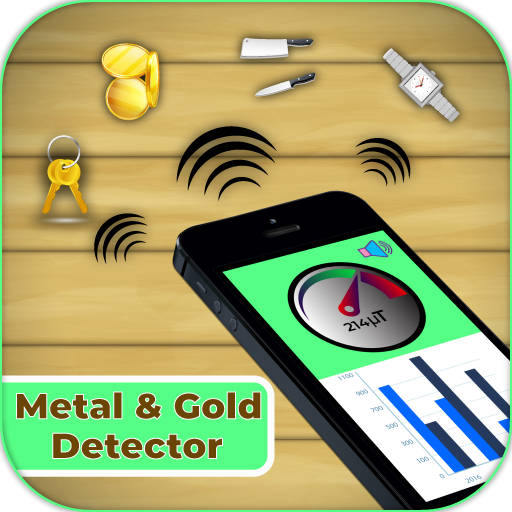
The magnetometer typically resides near the top edge of your smartphone, though the exact location varies by model. Understanding where this sensor sits helps you position your phone correctly during searches. Most metal detector apps display real-time measurements in microteslas (µT), the standard unit for magnetic field strength. Baseline readings usually hover around 25-65 µT depending on your location, while metal objects can cause spikes of several hundred µT when nearby.
📱 Choosing and Setting Up Your Metal Detector App
Selecting the right metal detector application makes all the difference in your exploration experience. Quality apps provide clear visual feedback, calibration options, and sensitivity adjustments that help you fine-tune detection based on your specific needs. The best applications combine accurate readings with user-friendly interfaces that make scanning intuitive even for beginners.
After installing your chosen app, proper calibration ensures optimal performance. Most applications include automatic calibration features that establish baseline readings for your current environment. This process accounts for local magnetic variations caused by geological features, nearby buildings, or electronic devices. Perform calibration in an open area away from obvious metal objects to establish the most accurate reference point.
Sensitivity settings allow you to adjust how the app responds to magnetic field changes. Higher sensitivity detects smaller or more distant objects but may also register false positives from environmental interference. Lower sensitivity reduces noise but might miss smaller targets. Experimenting with these settings in controlled environments—testing with known metal objects—helps you understand how your specific device responds under different conditions.
🌳 Effective Techniques for Outdoor Metal Detection
Successful metal detection requires methodical scanning techniques rather than random waving of your phone. Move slowly and deliberately, maintaining a consistent distance between your device and the ground surface. Sweeping motions that cover overlapping areas ensure you don’t miss potential targets. Hold your phone parallel to the ground at a height of 1-4 inches for optimal detection range.
Creating a systematic search pattern prevents confusion about which areas you’ve already covered. Grid patterns work exceptionally well for thorough coverage of defined spaces. Mark your starting point and move in straight lines, then shift over and return in the opposite direction. For circular areas like around trees or posts, work in expanding concentric circles from the center outward.
Environmental factors significantly impact detection performance. Wet soil often enhances conductivity and can improve detection of certain metals. However, highly mineralized soil containing iron deposits may create background noise that obscures smaller targets. Rocky terrain, concrete surfaces, and areas near power lines or buried cables present additional challenges that require patience and careful interpretation of readings.
Reading and Interpreting Signal Patterns
Learning to distinguish between genuine metal targets and false signals develops with practice. True metal objects typically produce consistent, repeatable readings when you pass over them multiple times from different angles. Random spikes that don’t repeat reliably often indicate electronic interference or sensor fluctuations rather than actual targets.
The strength and behavior of readings provide clues about object size, depth, and composition. Strong signals that appear suddenly and drop off quickly usually indicate small, shallow objects like nails or bottle caps. Broader signals that change gradually as you move suggest larger items or those buried deeper underground. Very large metal masses like utility boxes or structural supports create sustained high readings across wider areas.
🏞️ Ideal Locations for Smartphone Metal Detection
Parks and recreational areas offer excellent opportunities for casual metal detecting. High-traffic zones near playgrounds, picnic areas, and sports fields often yield lost jewelry, coins, and other interesting finds. Older parks with decades of history can harbor vintage items that tell stories about past visitors and changing times. Always check local regulations before searching, as some municipalities restrict metal detecting in public spaces.
Beaches present unique detection opportunities with constantly shifting sand revealing and concealing objects. The tidal zone where waves wash up and recede often concentrates metallic items in specific areas. After storms, erosion can expose objects that were previously buried too deep for smartphone detection. Beach detection works best on wet, packed sand rather than dry, loose sand which dampens signals.
Your own property might surprise you with hidden metal objects. Gardens, yards, and driveways can contain buried tools, forgotten construction materials, or property markers. Before undertaking landscaping projects or installing fence posts, scanning for underground utilities, pipes, and cables prevents costly damage and safety hazards. Historical properties sometimes reveal antique items, old coins, or artifacts that offer glimpses into previous occupants’ lives.
Exploring Historical Sites Responsibly
Old homesteads, abandoned buildings, and historical sites hold tremendous archaeological potential. However, these locations require special consideration regarding permissions and preservation. Many historical sites are protected by laws that prohibit unauthorized digging or artifact removal. Even when detection is allowed, ethical explorers document findings, report significant discoveries to relevant authorities, and avoid disturbing archaeological contexts.
Respectful exploration means leaving sites better than you found them. Fill any holes you dig immediately, remove trash and modern debris you encounter, and avoid damaging vegetation or structures. The goal should be discovery and learning rather than simply collecting objects. Photography and GPS coordinates allow you to document interesting finds while potentially leaving items in place for others to study.
⚡ Maximizing Your Smartphone Detector’s Performance
Battery management becomes crucial during extended detection sessions. Metal detector apps consume significant power through constant sensor monitoring and screen display. Reduce screen brightness, close unnecessary background applications, and consider airplane mode if you don’t need connectivity. Portable battery packs ensure you can continue exploring without cutting expeditions short due to power depletion.
Protecting your phone from environmental hazards extends its detecting life. Waterproof cases safeguard against rain, splashes, and accidental drops in puddles or streams. Rugged cases with raised edges protect screens and corners from impact damage when setting your phone down on rough surfaces. Screen protectors prevent scratches from sand, dirt, and vegetation encountered during outdoor searches.
Periodic sensor calibration maintains detection accuracy, especially when moving between different locations or after your phone has been near strong magnetic sources. Some apps offer manual calibration options for fine-tuning performance. Testing your setup with known metal objects before serious searches confirms everything is working properly and helps establish baseline expectations for different target types.
🔍 What You Can Realistically Expect to Find
Common discoveries include modern coins, particularly in areas with foot traffic or near vending machines and parking meters. While rarely valuable, coin finds add up over time and provide satisfying feedback that your detection techniques are working. Costume jewelry, keys, and small tools appear frequently in parks, playgrounds, and recreational areas where people gather and active movement leads to lost items.
Construction-related metal objects like nails, screws, bolts, and wire fragments are extremely common in urban and suburban environments. While less exciting than treasure, these finds help you practice signal interpretation and improve your scanning techniques. In older areas, vintage hardware and tools occasionally surface, offering tangible connections to past construction methods and daily life.
Occasionally, smartphone detecting yields genuinely interesting or valuable items. Lost rings, watches, and precious metal jewelry do turn up, especially near beaches, pools, and sports facilities. Antique items, old coins, military artifacts, and historical objects reward patient searchers in locations with rich histories. Even when monetary value is minimal, the stories behind unusual finds often prove more valuable than the objects themselves.
Managing Expectations and Staying Motivated
Smartphone metal detectors have inherent limitations compared to professional equipment. Detection depth rarely exceeds 4-6 inches for most objects, and discrimination between different metal types is minimal or absent. Understanding these constraints prevents disappointment and helps focus efforts on realistic targets within your device’s capabilities.
The hobby rewards persistence and pattern recognition more than luck. Recording your searches—locations, conditions, settings used, and finds recovered—builds a knowledge base that improves future success. Photographing interesting finds and mapping productive locations creates a personalized treasure hunting guide that grows more valuable over time.
🛡️ Safety Considerations and Best Practices
Always obtain proper permissions before detecting on private property. Trespassing charges can result from well-intentioned searches on land you don’t own or have explicit permission to access. Public lands often have specific regulations about metal detecting, digging, and artifact removal. Research local laws and contact relevant authorities when uncertain about permissions.
Physical safety requires attention when focusing intently on your phone and the ground. Watch for trip hazards, uneven terrain, poison ivy, and wildlife. In urban areas, maintain awareness of your surroundings to avoid conflicts with traffic, construction zones, or suspicious onlookers. Never detect alone in isolated areas, and inform someone of your plans and expected return time.
Digging safety matters when recovering detected objects. Use proper tools like small trowels or digging knives rather than improvising with sharp objects. Probe carefully to avoid damaging underground utilities, irrigation systems, or root systems of valuable plants. Wear gloves to protect against sharp edges, rusty metal, broken glass, and biological hazards you might encounter in the soil.
🌟 Enhancing Your Detection Experience
Combining smartphone detection with other exploration tools creates a more comprehensive experience. GPS apps allow you to mark productive locations and map your search patterns. Note-taking apps help document finds, environmental conditions, and effective techniques. Photography turns discoveries into lasting memories and reference materials for identifying unusual objects.
Joining metal detecting communities—both online and local clubs—provides valuable learning opportunities and social connections. Experienced detectorists share knowledge about productive locations, effective techniques, and proper etiquette. Community members often help identify mysterious finds and offer encouragement during inevitable dry spells when interesting discoveries seem elusive.
Setting specific goals for each outing maintains focus and motivation. Some sessions might prioritize covering maximum area to identify hotspots, while others focus on thoroughly searching smaller zones. Thematic searches for specific object types—coins, jewelry, tools—develop specialized skills and deepen understanding of where particular items tend to accumulate.
🧭 Environmental Awareness Through Metal Detection
Metal detecting naturally encourages environmental consciousness as you spend time observing outdoor spaces closely. Regular searchers often notice seasonal changes, wildlife patterns, and ecological relationships invisible to casual observers. This heightened awareness fosters deeper appreciation for natural spaces and commitment to their preservation.
Removing metal debris during searches provides tangible environmental benefits. Pull tabs, bottle caps, nails, and other metallic litter harm wildlife, pollute soil, and detract from natural beauty. Carrying a bag for trash collection turns every detection outing into a cleanup effort that improves spaces for everyone while clearing surface clutter that interferes with detecting deeper targets.
🎯 From Casual Hobby to Serious Pursuit
Many people discover that smartphone metal detecting serves as an introduction to broader interests in archaeology, history, geology, or environmental science. The tangible connection with past human activity and natural processes sparks curiosity that leads to deeper study and new hobbies. Some casual detectorists eventually invest in professional equipment as their skills and interests develop.
The activity offers surprising mental health benefits beyond the excitement of finding objects. Time spent outdoors, moderate physical activity, focused attention on a rewarding task, and connection with nature all contribute to stress reduction and improved wellbeing. The meditative quality of methodical searching provides mental space for processing thoughts and achieving calm focus.
Sharing discoveries and experiences with others multiplies enjoyment and learning opportunities. Children especially love the treasure hunt aspect, making family detection outings educational adventures that combine technology, science, history, and outdoor activity. Teaching others what you’ve learned reinforces your own knowledge while spreading appreciation for this accessible, engaging hobby.
💡 Turning Your Phone Into a Versatile Exploration Tool
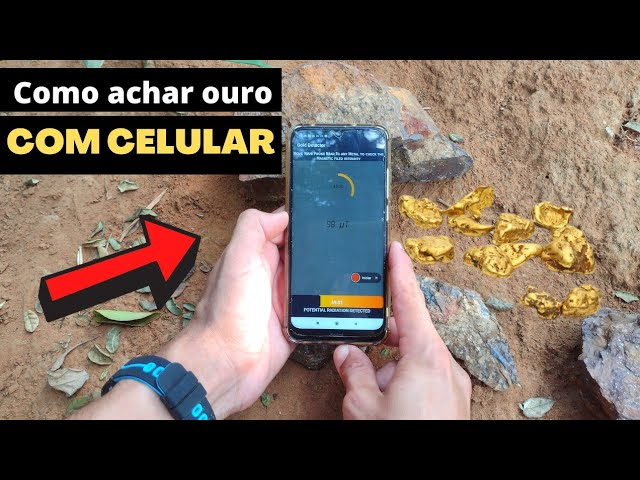
The same magnetometer that enables metal detection supports numerous other practical applications. Checking walls for hidden studs, nails, or metal pipes before drilling helps avoid costly mistakes during home improvement projects. Verifying that electrical circuits are truly de-energized adds a safety layer to DIY electrical work by detecting current-induced magnetic fields.
Scientific education benefits from hands-on magnetometer experiments. Students can map magnetic field patterns around different objects, investigate Earth’s magnetic field variations, and explore electromagnetic principles through direct observation. The immediate visual feedback from detection apps makes abstract concepts tangible and engaging for learners of all ages.
Your smartphone metal detector represents just one example of how common devices contain surprising capabilities waiting to be explored. Taking time to understand the sensors, radios, and computing power in your pocket reveals potential far beyond social media and messaging. This awareness empowers creative problem-solving and resourcefulness in everyday situations.
The world around you holds countless stories written in metal—some recent, others ancient, all waiting for curious explorers willing to look closely. Your smartphone provides the perfect entry point into this fascinating realm where technology, nature, and history intersect. Whether you’re seeking lost valuables, clearing your property of debris, teaching children about science, or simply enjoying peaceful hours outdoors, mobile metal detection offers accessible adventure limited only by your curiosity and creativity. Step outside, power up your detector app, and discover what hidden treasures await in the magnetic landscape surrounding your everyday spaces. 🔎

Toni Santos is a visionary artisan and conceptual designer who channels the beauty of living organisms into structural expression. At Zureste, Toni explores the intricate elegance of insect anatomy, organic flow, and bioinspired design to create art that feels both natural and otherworldly.
Each creation Toni brings to life reflects a harmonic tension between structure and softness, wildness and control — echoing the complex intelligence found in the natural world. From beetle-like silhouettes to root-shaped contours, his work blurs the lines between biology, sculpture, and modern art.
Guided by fascination for metamorphosis, evolution, and pattern in nature, Toni’s pieces embody transformation. His BioLight Collection and conceptual series like Insect Type and Structure Aesthetics offer viewers more than aesthetic value — they present immersive experiences of living design.
As the creative force behind Zureste, Toni invites us to rethink beauty, architecture, and identity through a new lens — one shaped by wings, bones, spirals, and the microscopic poetry of the organic.
His creations reflect:
-
Design deeply rooted in the geometry of life
-
Inspiration from insects, roots, and the unseen natural order
-
A blend of science, spirituality, and visual storytelling
Whether you’re a lover of strange beauty, an admirer of evolution’s artistry, or a creative mind seeking something different, Toni welcomes you into a world where living forms become meaning, and surreal becomes sublime.