Anúncios
Zumba brings the party to your living room, turning fitness into a fun, energizing dance experience you can enjoy anytime, anywhere.


Working out at home doesn’t have to feel like a chore. Imagine transforming your daily exercise routine into an exhilarating dance party where every move feels natural, every beat lifts your spirits, and every session leaves you smiling.
Anúncios
That’s exactly what Zumba choreographies offer—a vibrant fusion of fitness and fun that turns your living space into a personal dance studio.

The beauty of following animated Zumba routines at home lies in their accessibility and versatility. Whether you’re a complete beginner or someone who’s been dancing for years, these energetic workouts adapt to your pace while delivering serious cardiovascular benefits. No expensive gym memberships, no commute time, and absolutely no judgment—just you, the music, and movements that make your body feel alive. 💃
Anúncios
Why Zumba Works as a Home Workout Solution
Traditional exercise routines often struggle with one fundamental problem: they become monotonous. Running on a treadmill or counting reps can feel mechanical, draining your motivation over time. Zumba solves this by disguising exercise as entertainment. Your brain focuses on matching the choreography and feeling the rhythm, while your body gets an intense full-body workout without the mental resistance that typically accompanies conventional fitness routines.
The choreographed nature of Zumba provides structure without rigidity. Each routine combines easy-to-follow patterns with dynamic movements that target different muscle groups. You’re constantly moving—shifting your weight, rotating your hips, extending your arms, and engaging your core—all synchronized to infectious Latin and international rhythms. This variety prevents the physical adaptation that makes other workouts less effective over time.
Research consistently shows that people stick with exercise programs they genuinely enjoy. Zumba’s retention rates significantly exceed those of traditional gym workouts precisely because participants don’t view it as exercise. They see it as their dance time, their stress relief, their personal celebration. This psychological shift transforms fitness from an obligation into something you actually look forward to each day.
Setting Up Your Home Dance Studio Space
Creating an effective Zumba space at home requires less than you might think. A clear area approximately 6 by 6 feet gives you enough room to move freely in all directions. Living rooms, basements, garages, or even spacious bedrooms work perfectly. The key is ensuring you won’t bump into furniture during wider movements or kicks.
Flooring matters more than you might expect. Hardwood, laminate, or low-pile carpet provide ideal surfaces that allow your feet to pivot and slide without excessive friction. High-pile carpets can catch your feet and increase injury risk. If you’re dancing on hard surfaces, consider investing in a thin exercise mat that offers slight cushioning while still permitting movement freedom.
Technology setup is straightforward but important. Position your screen—whether it’s a TV, tablet, or laptop—at eye level and far enough away that you can see the full-body movements of the instructor. Sound quality dramatically impacts your experience, so if your device has weak speakers, connect to external speakers or use quality headphones. The music’s energy drives your movements, so ensure you can hear every beat clearly. 🎵
Essential Equipment and Optional Accessories
The minimal equipment requirement makes Zumba incredibly accessible. At its core, you only need comfortable workout clothing and supportive athletic shoes. Cross-training shoes work better than running shoes because they provide lateral support for side-to-side movements. Some dancers prefer lightweight sneakers, while others enjoy dancing barefoot or in dance sneakers—experiment to find what feels best for your feet and flooring.
Hydration becomes crucial during high-energy dance workouts. Keep a water bottle within easy reach but away from your movement space. You’ll be surprised how much you sweat during a full Zumba session—these routines genuinely elevate your heart rate and body temperature.
Optional accessories can enhance your experience. A small towel helps manage perspiration, a mirror allows you to check your form and enjoy watching yourself move, and resistance bands or light hand weights can intensify certain routines once you’ve mastered the basic choreography. However, start without any extras—just your body, the music, and the movements.
Understanding Zumba Choreography Structure
Zumba routines follow recognizable patterns that make them accessible even for those who’ve never danced before. Most choreographies use repetitive sequences—you’ll perform a movement pattern several times before transitioning to the next section. This repetition allows your body to learn the movements naturally without overthinking each step.
Instructors typically demonstrate movements first, then layer in arm variations, directional changes, or intensity modifications. The foundational steps remain consistent across routines, creating a vocabulary of movements you’ll recognize from song to song. Common base moves include the salsa basic, merengue march, reggaeton bounce, cumbia shuffle, and samba step. Once you’ve learned these core patterns, you can jump into almost any Zumba class with confidence.
The musical structure guides the choreography naturally. Verses often feature more straightforward movements, while choruses bring higher energy and more dynamic patterns. Bridges might introduce new elements or slow down slightly before building back up. Paying attention to these musical cues helps you anticipate choreography changes and stay synchronized with the routine.
Breaking Down Your First Choreography
Start with beginner-specific routines that emphasize clear instruction over complexity. Your first few sessions should focus on understanding basic rhythm and directional movements rather than perfecting every detail. Don’t worry if you miss steps or feel half a beat behind—everyone starts there, and the beauty of home workouts is that nobody’s watching.
Watch the full routine once without attempting to follow along. Observe how movements flow together, notice the instructor’s cues, and let your mind absorb the overall pattern. This preview eliminates surprises and reduces the cognitive load when you start moving.
During your second run-through, focus solely on footwork. Ignore arm movements initially—they’ll come naturally once your feet know where to go. Lower body movements carry the choreography’s foundation, and mastering them first creates confidence. After several repetitions with foot focus, gradually incorporate upper body movements, arm styling, and personal flair.
The Physical Benefits You’ll Experience
Zumba delivers comprehensive cardiovascular conditioning comparable to high-intensity interval training. Your heart rate elevates quickly during upbeat sections and recovers slightly during transitions, creating natural intervals that maximize caloric burn and improve cardiovascular efficiency. A typical hour-long Zumba session burns between 400-600 calories depending on intensity and body composition, making it remarkably effective for weight management. ✨
The constant directional changes, rotational movements, and balance shifts significantly improve coordination and proprioception. These skills translate beyond dance, enhancing your performance in other sports and reducing fall risk in daily life. Your body learns to move more efficiently through space, processing spatial information and adjusting movements reflexively.
Lower body muscles receive particular attention through repetitive squatting, lunging, and stepping patterns. Your quadriceps, hamstrings, glutes, and calves develop endurance and tone. Meanwhile, core engagement throughout every routine strengthens abdominal and back muscles, improving posture and spinal stability. Upper body movements tone arms and shoulders, especially when you add emphasis to arm extensions and styling.
Mental and Emotional Wellness Through Dance
The psychological benefits of Zumba rival its physical advantages. Dance naturally elevates mood by triggering endorphin release, the body’s natural feel-good chemicals. The combination of physical exertion, rhythmic music, and creative expression creates a powerful antidote to stress, anxiety, and depression. Many participants report that their Zumba sessions become essential mental health practices, providing reliable emotional reset buttons during challenging periods.
Learning choreography exercises your brain in unique ways. Memorizing sequences, coordinating different body parts, and processing rhythm simultaneously strengthen neural pathways associated with memory, spatial awareness, and multitasking. This cognitive workout potentially contributes to long-term brain health and may reduce age-related cognitive decline risks.
The sense of accomplishment from mastering a new routine builds confidence that extends beyond dance. Each conquered choreography proves your capability to learn new skills, embrace challenges, and improve through practice—powerful lessons that influence how you approach obstacles in other life areas.
Creating Your Weekly Zumba Schedule
Consistency produces results, but sustainability requires realistic planning. Begin with two or three sessions weekly, allowing rest days between workouts for muscle recovery and adaptation. Each session should last 20-45 minutes initially, gradually extending to full hour-long routines as your stamina improves. Morning sessions energize your entire day, while evening workouts provide stress relief and help establish separation between work and personal time.
Variety prevents boredom and ensures balanced muscle development. Rotate between different Zumba styles—try reggaeton one day, salsa another, and Bollywood fusion the next. Different musical styles emphasize different movements and rhythms, providing comprehensive conditioning while keeping your mind engaged with fresh choreography.
Track your progress in whatever way feels motivating. Some people keep workout journals noting which routines they completed and how they felt. Others prefer fitness apps that log sessions and calculate statistics. Even simple calendar checkmarks provide visual motivation by creating chains of completed workouts you’ll feel driven to maintain. 📅
Mixing Zumba With Complementary Exercises
While Zumba provides excellent full-body conditioning, combining it with complementary activities creates a more comprehensive fitness program. Incorporate strength training twice weekly to build muscle mass that increases resting metabolic rate and protects joints. Bodyweight exercises like push-ups, planks, and squats work perfectly and require no equipment.
Flexibility work enhances your dance performance and reduces injury risk. Dedicate 10-15 minutes after Zumba sessions to static stretching when your muscles are warm and pliable. Focus on hip flexors, hamstrings, calves, and shoulders—areas that work hardest during dance routines. Regular stretching gradually increases your range of motion, making movements feel easier and look more fluid.
Active recovery days support your fitness progress without overtaxing your body. Gentle yoga, walking, swimming, or light cycling on non-Zumba days maintain movement habits while allowing muscular repair. This balanced approach prevents burnout and overuse injuries that sideline many enthusiastic beginners who do too much too soon.
Overcoming Common Beginner Challenges
Feeling uncoordinated initially is completely normal and temporary. Your brain needs time to process multiple simultaneous inputs—visual demonstration, musical rhythm, spatial awareness, and body control. This processing becomes automatic with repetition, but expect several awkward sessions first. Remember that complexity you struggle with today will feel effortless in a few weeks.
If you can’t match the instructor’s speed, move at your own pace. Zumba isn’t a competition, and modifications demonstrate wisdom, not weakness. Execute movements smaller, step more deliberately, or simplify arm patterns—any movement to music provides benefits. As your fitness and familiarity improve, you’ll naturally accelerate toward the demonstrated tempo.
Self-consciousness about dancing alone at home affects many beginners. Close your curtains if that helps initially, but try to embrace the freedom of private practice. Your home is a judgment-free zone where mistakes cost nothing and experimentation builds skills. The privacy actually offers advantages over group classes—you can repeat sections indefinitely, pause for water breaks, or modify movements without anyone noticing. 🏠
When Motivation Dips: Staying Committed
Motivation naturally fluctuates, and successful long-term practitioners develop strategies for maintaining consistency through low-motivation periods. Pre-commit to your workout schedule by treating Zumba sessions as non-negotiable appointments. Lay out your workout clothes the night before, creating a visual commitment and removing decision-making friction when workout time arrives.
Build a motivating playlist of your absolute favorite Zumba routines—songs that never fail to energize you. On low-motivation days, promise yourself you’ll just do one favorite song. Often, starting overcomes the resistance, and you’ll continue beyond that single routine. Even if you don’t, one song provides infinitely more benefit than none.
Connect with online Zumba communities through social media groups or forums. Sharing your journey, celebrating milestones, and supporting others creates accountability and reminds you that you’re part of a global movement. These communities often share new routines, offer encouragement during plateaus, and provide the social connection that many home exercisers miss.
Advancing Your Skills and Intensity
Once basic choreographies feel comfortable, challenge yourself with intermediate and advanced routines featuring faster tempos, more complex patterns, and greater athletic demands. These progressions continue delivering fitness improvements and maintain the novelty that keeps Zumba engaging long-term.
Add personal styling and interpretation to choreographies. While maintaining the basic structure, emphasize movements differently, add extra hip action, extend arms more dramatically, or incorporate small jumps where the routine suggests weight shifts. This creative expression transforms you from a follower into a dancer, deepening your engagement and making routines uniquely yours.
Consider specialized Zumba formats designed for specific goals. Zumba Toning incorporates lightweight sticks or dumbbells for added strength conditioning. Aqua Zumba brings the party to the pool for low-impact cardiovascular work. Zumba Step adds step platforms for increased lower body intensity. Strong Nation swaps dance moves for high-intensity bodyweight exercises synchronized to music. Exploring these variations prevents staleness and addresses diverse fitness objectives. 🎯
Nutrition Strategies to Support Your Dancing
Proper fueling maximizes your Zumba performance and recovery. Eat a light meal or snack containing easily digestible carbohydrates 1-2 hours before dancing to ensure available energy without stomach discomfort. Good options include a banana with peanut butter, oatmeal with berries, or whole grain toast with avocado.
Hydration begins well before your workout. Drink water consistently throughout the day, then consume 16-20 ounces about two hours before dancing. Keep water available during your session and sip between songs. The electrolytes lost through sweat need replenishment, especially during longer or more intense sessions. Plain water suffices for most workouts, but sessions exceeding 60 minutes may benefit from electrolyte drinks or coconut water.
Post-workout nutrition supports recovery and adaptation. Consume a combination of protein and carbohydrates within 45 minutes of finishing to replenish glycogen stores and provide amino acids for muscle repair. This doesn’t require expensive supplements—chocolate milk, Greek yogurt with fruit, or a turkey sandwich all deliver appropriate nutrients in convenient, affordable packages.
Making Zumba a Sustainable Lifestyle Component
The true transformation happens when Zumba shifts from a temporary fitness experiment to an integral part of your identity. This transition occurs gradually as you accumulate positive experiences, notice physical changes, and recognize the emotional benefits. Supporting this shift requires environmental design and habit stacking.
Create environmental cues that support your Zumba practice. Keep your workout shoes visible, dedicate a specific space exclusively for dancing, or set your phone wallpaper to an inspirational dance image. These visual reminders subtly reinforce your identity as someone who dances regularly, making the behavior feel more natural and automatic.
Stack your Zumba habit with existing routines. Always dance after your morning coffee, before your evening shower, or immediately after finishing work. Linking new behaviors to established patterns leverages existing habit strength, making the new activity easier to maintain consistently. Over time, the preceding activity automatically triggers the desire to dance, requiring minimal willpower or decision-making. 💪
Celebrating Progress Beyond the Scale
Weight loss often motivates people to start exercising, but it shouldn’t be your sole success metric. Physical fitness encompasses numerous dimensions, many of which improve before significant weight changes occur. Notice how much longer you can dance before becoming breathless. Observe movements that initially challenged you now feeling effortless. Appreciate improved flexibility, better balance, and increased strength.
Emotional and mental improvements frequently precede physical changes. You might notice better sleep quality, improved mood stability, higher energy levels throughout the day, or enhanced stress resilience. These benefits profoundly impact life quality and deserve recognition and celebration.
Take periodic videos of yourself dancing the same routine. Watching your form, confidence, and styling evolve provides undeniable evidence of progress that scales and measurements might miss. These videos also create wonderful time capsules capturing your fitness journey, motivating continued effort when you inevitably hit plateaus.
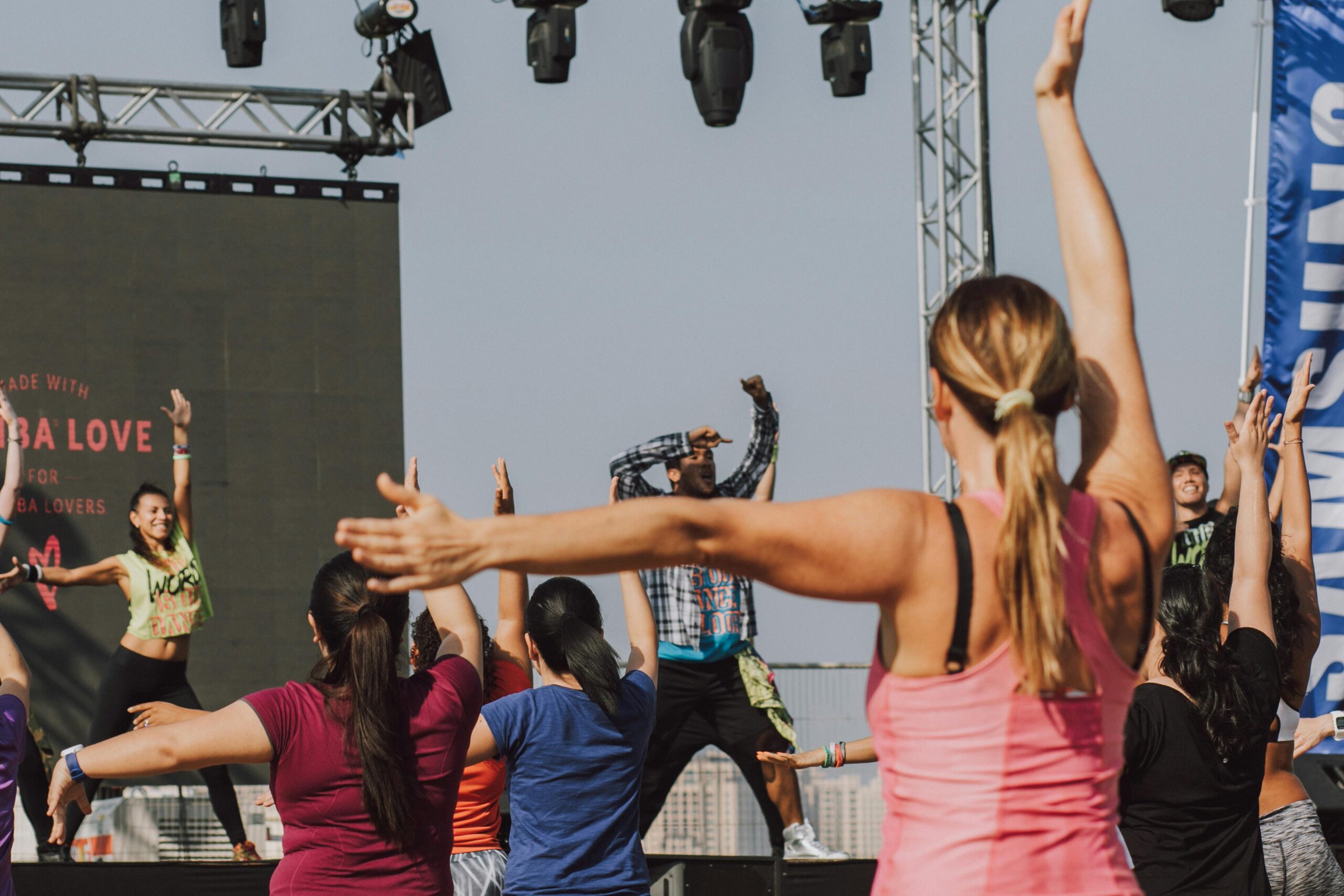
Bringing the Party Home Every Single Day
Zumba’s greatest gift isn’t just the calories burned or muscles toned—it’s the rediscovery that movement can be joyful. In a world that often makes exercise feel like punishment for eating or existing in imperfect bodies, Zumba offers a radically different paradigm: moving because it feels amazing, not because you’re trying to earn worthiness.
Your living room becomes a space where stress melts away with every hip shake, where self-consciousness dissolves into rhythm, and where the only expectation is that you show up and move in whatever way feels good. This isn’t about perfection or performance—it’s about connection with yourself, the music, and the simple pleasure of letting your body do what it was designed to do: dance.
Every session writes a small story of self-care and commitment. Some days you’ll dance with fierce energy, other days with gentle movement, but each time you press play and step into your space, you’re choosing vitality, joy, and presence. This choice, repeated consistently, doesn’t just transform your fitness—it transforms your relationship with your body, your capacity for joy, and your belief in what’s possible when you combine commitment with celebration. 🌟

Toni Santos is a visionary artisan and conceptual designer who channels the beauty of living organisms into structural expression. At Zureste, Toni explores the intricate elegance of insect anatomy, organic flow, and bioinspired design to create art that feels both natural and otherworldly.
Each creation Toni brings to life reflects a harmonic tension between structure and softness, wildness and control — echoing the complex intelligence found in the natural world. From beetle-like silhouettes to root-shaped contours, his work blurs the lines between biology, sculpture, and modern art.
Guided by fascination for metamorphosis, evolution, and pattern in nature, Toni’s pieces embody transformation. His BioLight Collection and conceptual series like Insect Type and Structure Aesthetics offer viewers more than aesthetic value — they present immersive experiences of living design.
As the creative force behind Zureste, Toni invites us to rethink beauty, architecture, and identity through a new lens — one shaped by wings, bones, spirals, and the microscopic poetry of the organic.
His creations reflect:
-
Design deeply rooted in the geometry of life
-
Inspiration from insects, roots, and the unseen natural order
-
A blend of science, spirituality, and visual storytelling
Whether you’re a lover of strange beauty, an admirer of evolution’s artistry, or a creative mind seeking something different, Toni welcomes you into a world where living forms become meaning, and surreal becomes sublime.