
Anúncios
Understanding your body’s signals during early pregnancy can empower you with clarity and confidence during this transformative journey.


Pregnancy brings a symphony of changes to a woman’s body, many of which begin long before a test confirms what you might already suspect. Recognizing early symptoms requires attention to subtle shifts in physical sensations, emotional states, and daily patterns.
Anúncios
These indicators vary greatly from person to person, making awareness of your own baseline essential.

While some women notice dramatic changes immediately, others experience mild symptoms that could easily be attributed to other causes. Learning to interpret these signals within the context of your menstrual cycle, lifestyle, and health history helps create a clearer picture of what’s happening inside your body. 🌸
Anúncios
Recognizing the First Whispers of Change
The earliest pregnancy symptoms often appear within the first few weeks after conception, sometimes even before a missed period. These initial signs stem from rapidly rising hormone levels, particularly human chorionic gonadotropin (hCG) and progesterone, which prepare your body for nurturing new life.
Implantation bleeding represents one of the earliest possible indicators. This light spotting occurs when the fertilized egg attaches to the uterine lining, typically 6-12 days after conception. Unlike menstrual bleeding, implantation spotting is usually lighter in color—ranging from pink to light brown—and lasts only a few hours to a couple of days.
Breast tenderness and sensitivity frequently develop as one of the first noticeable changes. Your breasts may feel swollen, heavy, or unusually tender to touch. The areolas might darken, and small bumps called Montgomery’s tubercles may become more prominent. These changes result from increased blood flow and hormonal preparation for potential breastfeeding.
Fatigue Beyond Ordinary Tiredness
Extreme exhaustion often catches expectant mothers by surprise. This isn’t the regular tiredness from a busy day—it’s a profound, overwhelming need to rest that can feel almost paralyzing. Progesterone levels surge during early pregnancy, acting as a natural sedative while your body works overtime to support embryonic development.
Many women describe feeling like they could fall asleep anywhere, anytime. This fatigue typically peaks during the first trimester and may improve as you enter the second trimester, though individual experiences vary considerably.
Tracking Your Menstrual Cycle for Better Understanding
Your menstrual cycle provides the foundation for recognizing pregnancy symptoms. A typical cycle lasts 28 days, though normal ranges span from 21 to 35 days. Understanding where you are in your cycle helps distinguish between premenstrual symptoms and early pregnancy indicators.
Ovulation generally occurs around day 14 of a 28-day cycle. If conception happens, implantation follows approximately 6-10 days later. The time between ovulation and your expected period becomes crucial for symptom tracking, as this is when early pregnancy signs typically emerge.
| Days After Ovulation | Possible Symptoms | What’s Happening |
|---|---|---|
| 6-12 DPO | Light spotting, mild cramping | Implantation occurring |
| 10-14 DPO | Breast tenderness, fatigue | hCG levels rising |
| 14+ DPO | Missed period, nausea | Pregnancy hormone surge |
When Cycles Provide Clues
Irregular cycles can complicate symptom interpretation, but they don’t make recognition impossible. Women with irregular periods should pay closer attention to other physical changes and consider tracking basal body temperature or using ovulation predictor kits to better understand their fertility window.
Temperature tracking reveals valuable information. Basal body temperature rises slightly after ovulation and remains elevated if pregnancy occurs. A sustained temperature increase beyond 18 days post-ovulation strongly suggests conception has taken place.
Digestive Changes and Morning Sickness 🤢
Nausea and vomiting affect approximately 70-80% of pregnant women, though the term “morning sickness” is somewhat misleading since symptoms can strike at any time of day. For most, these sensations begin around week 6 and subside by week 12-14, though some experience them throughout pregnancy.
The exact cause remains debated, but rising hCG levels, heightened sense of smell, and increased stomach sensitivity all contribute. Some women experience only mild queasiness, while others face severe nausea that interferes with daily activities.
Food aversions and cravings emerge alongside nausea. Foods you once enjoyed might suddenly seem revolting, while unusual combinations become irresistibly appealing. These shifts likely represent your body’s protective mechanisms, steering you away from potentially harmful substances and toward needed nutrients.
Managing Digestive Discomfort
Several strategies can help minimize morning sickness:
- Eat small, frequent meals throughout the day rather than three large ones
- Keep crackers or dry toast by your bedside to eat before rising
- Stay hydrated with small sips of water, ginger tea, or clear fluids
- Avoid strong smells and triggering foods
- Get plenty of rest and avoid becoming overtired
- Try ginger supplements, vitamin B6, or acupressure wristbands
Severe morning sickness (hyperemesis gravidarum) requires medical attention. If you’re unable to keep anything down, losing weight, or showing signs of dehydration, contact your healthcare provider immediately.
Emotional and Psychological Signals 💭
Hormonal fluctuations don’t just affect your body—they profoundly impact your emotional landscape. Mood swings, irritability, tearfulness, and anxiety commonly appear during early pregnancy. You might find yourself crying at commercials, snapping at loved ones, or feeling overwhelmed by emotions you can’t quite explain.
These psychological changes result from the same hormonal surges creating physical symptoms. Estrogen and progesterone influence neurotransmitter production, affecting mood regulation. Additionally, the psychological weight of pregnancy—whether planned or unexpected—naturally generates complex emotions.
Some women experience heightened intuition about their pregnant state before any test confirms it. This “gut feeling” shouldn’t be dismissed. Your subconscious mind processes subtle bodily changes before they reach conscious awareness, creating an instinctive knowing that something significant is happening.
Physical Transformations You Might Notice
Beyond the most common symptoms, pregnancy triggers numerous subtle physical changes. Increased urination begins early as blood volume expands and kidneys process extra fluid. You might find yourself waking multiple times nightly to use the bathroom, even before your uterus grows large enough to press on your bladder.
Bloating and mild cramping can mimic premenstrual symptoms, making them easy to misinterpret. However, pregnancy-related bloating often feels more persistent and accompanied by other symptoms. Light cramping occurs as your uterus begins expanding and ligaments stretch to accommodate growth.
Sensory Changes and Heightened Awareness 👃
Many women develop an extraordinarily sensitive sense of smell during early pregnancy. Scents that never bothered you before might become overwhelming or nauseating. This heightened olfactory sensitivity likely evolved as a protective mechanism, helping pregnant women avoid potentially harmful substances.
Taste alterations also occur, sometimes manifesting as a metallic taste in your mouth. This strange sensation, called dysgeusia, affects many expectant mothers and typically improves after the first trimester.
Dizziness and lightheadedness happen as your cardiovascular system adjusts to pregnancy. Blood vessels dilate, blood pressure drops slightly, and blood sugar levels fluctuate—all contributing to occasional dizzy spells, especially when standing quickly or going too long without eating.
When to Take a Pregnancy Test 🧪
Home pregnancy tests detect hCG in urine, but timing significantly affects accuracy. Testing too early produces false negatives because hCG levels haven’t risen sufficiently. For most reliable results, wait until at least the first day of your missed period.
However, early detection tests can sometimes identify pregnancy 4-5 days before your expected period. These tests are more sensitive but also more prone to faint lines and interpretation difficulties. Morning urine provides the most concentrated hCG, improving test accuracy.
If you receive a negative result but symptoms persist and your period doesn’t arrive, test again in a few days. HCG levels double approximately every 48-72 hours during early pregnancy, so waiting increases detection likelihood.
Understanding Test Results
False positives are rare but can occur due to certain medications, medical conditions, or chemical pregnancies (very early miscarriages). False negatives happen more frequently, usually from testing too early, diluted urine, or expired tests.
Blood tests administered by healthcare providers detect pregnancy earlier and more accurately than home urine tests. Quantitative blood tests measure exact hCG levels, while qualitative tests simply confirm pregnancy presence.
Creating Your Personal Symptom Timeline 📅
Tracking symptoms helps you recognize patterns and provides valuable information for healthcare providers. Keep a simple journal noting physical sensations, emotional changes, cycle dates, and anything unusual you notice.
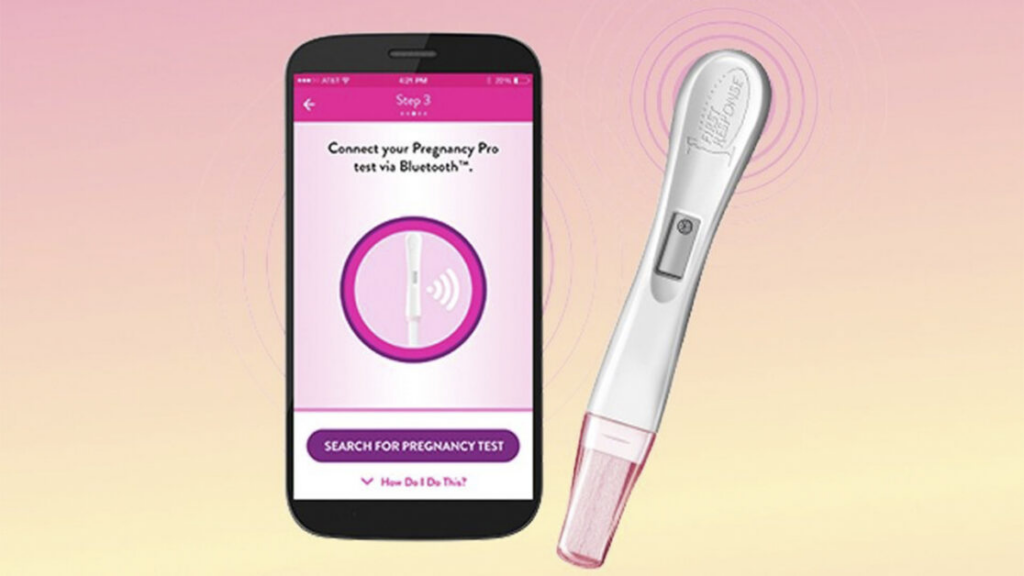
Modern pregnancy apps simplify this process, offering symptom trackers, cycle calendars, and educational resources. These tools help you monitor changes, predict ovulation, and identify potential pregnancy signs within context of your unique patterns.
Remember that every pregnancy journey differs. Comparing your experience to others can create unnecessary worry. Some women sail through early pregnancy with minimal symptoms, while others experience intense changes. Neither scenario indicates pregnancy health or viability—variation is completely normal.
Distinguishing Pregnancy from Other Conditions
Many early pregnancy symptoms overlap with premenstrual syndrome, stress responses, illness, or other health conditions. Breast tenderness, fatigue, bloating, and mood changes all characterize PMS. The key differences often lie in symptom intensity, duration, and combination.
Certain medical conditions mimic pregnancy symptoms. Thyroid disorders cause fatigue, weight changes, and menstrual irregularities. Polycystic ovary syndrome (PCOS) affects cycles and can produce pregnancy-like symptoms. If you’re experiencing unusual symptoms without pregnancy confirmation, consult your healthcare provider.
When Symptoms Warrant Medical Attention ⚠️
While most early pregnancy symptoms are normal and harmless, certain warning signs require immediate medical evaluation:
- Heavy bleeding with severe cramping
- Intense, one-sided abdominal pain (possible ectopic pregnancy)
- Severe vomiting preventing all food and fluid intake
- High fever above 101°F (38.3°C)
- Dizziness accompanied by fainting or chest pain
- Sudden, severe headaches with vision changes
Trust your instincts. If something feels wrong, seeking medical guidance is always appropriate. Healthcare providers would rather address your concerns than have you worry unnecessarily or miss something important.
Supporting Your Body Through Early Changes 🌿
Once pregnancy is confirmed, supporting your body becomes paramount. Begin prenatal vitamins containing folic acid, which prevents neural tube defects. If you weren’t already taking them, start immediately—folic acid is most critical during the earliest pregnancy weeks.
Nutrition matters more than ever, though morning sickness can make healthy eating challenging. Focus on whatever you can tolerate, emphasizing whole foods when possible. Small, frequent meals stabilize blood sugar and minimize nausea.
Gentle exercise benefits both physical and emotional health, provided your healthcare provider approves. Walking, swimming, and prenatal yoga help manage fatigue, mood swings, and physical discomfort while preparing your body for pregnancy’s demands.
Building Your Support Network
Early pregnancy can feel isolating, especially if you’re keeping the news private during the first trimester. Consider confiding in one trusted person who can offer support. Online communities provide connection with others experiencing similar journeys, though always verify medical information with qualified professionals.
Schedule your first prenatal appointment, typically around 8-10 weeks. This visit includes health history review, physical examination, initial testing, and opportunity to ask questions. Preparing a list of concerns ensures you address everything important during your appointment.
Embracing the Journey Ahead ✨
Understanding early pregnancy symptoms empowers you to recognize your body’s signals and respond appropriately. While these initial weeks bring uncertainty and adjustment, they also mark the beginning of an extraordinary transformation.
Remember that symptom absence doesn’t indicate problems, nor does their presence guarantee pregnancy complications. Your body knows what it’s doing, even when you feel confused or overwhelmed. Trust the process, listen to your instincts, and seek support when needed.
Every sensation, emotion, and change represents your body’s remarkable ability to create and nurture life. By paying attention to these signals and understanding what they mean, you participate actively in your pregnancy journey from its earliest moments. This awareness lays the foundation for informed decision-making and confident navigation of the months ahead.
Whether you’re actively trying to conceive, suspecting pregnancy, or simply learning about your body’s capabilities, knowledge about early symptoms provides valuable insights. Keep tracking, stay informed, and remember that professional medical guidance remains your most reliable resource for personalized advice and care throughout this incredible experience. 💚

Toni Santos is a visionary artisan and conceptual designer who channels the beauty of living organisms into structural expression. At Zureste, Toni explores the intricate elegance of insect anatomy, organic flow, and bioinspired design to create art that feels both natural and otherworldly.
Each creation Toni brings to life reflects a harmonic tension between structure and softness, wildness and control — echoing the complex intelligence found in the natural world. From beetle-like silhouettes to root-shaped contours, his work blurs the lines between biology, sculpture, and modern art.
Guided by fascination for metamorphosis, evolution, and pattern in nature, Toni’s pieces embody transformation. His BioLight Collection and conceptual series like Insect Type and Structure Aesthetics offer viewers more than aesthetic value — they present immersive experiences of living design.
As the creative force behind Zureste, Toni invites us to rethink beauty, architecture, and identity through a new lens — one shaped by wings, bones, spirals, and the microscopic poetry of the organic.
His creations reflect:
-
Design deeply rooted in the geometry of life
-
Inspiration from insects, roots, and the unseen natural order
-
A blend of science, spirituality, and visual storytelling
Whether you’re a lover of strange beauty, an admirer of evolution’s artistry, or a creative mind seeking something different, Toni welcomes you into a world where living forms become meaning, and surreal becomes sublime.