
Anúncios
Learning to play the piano has never been more accessible, thanks to innovative mobile apps that bring music education directly to your fingertips, transforming smartphones into personal piano tutors.


The traditional barrier to learning piano—expensive lessons, rigid schedules, and intimidating music theory—has been shattered by modern technology.
Anúncios
Today’s piano learning apps combine artificial intelligence, gamification, and proven teaching methodologies to create engaging experiences for beginners and intermediate players alike.
Whether you’re a complete novice dreaming of playing your favorite songs or someone looking to refresh long-forgotten skills, these digital platforms offer personalized learning paths that adapt to your pace, schedule, and musical preferences. Let’s explore how these remarkable tools are revolutionizing music education. 🎹
Anúncios
Why Choose an App to Learn Piano?
The digital approach to piano education offers unprecedented flexibility that traditional methods simply cannot match. You’re no longer bound by appointment times, studio locations, or the availability of qualified instructors in your area.
Piano learning apps provide instant feedback through advanced audio recognition technology. As you play, sophisticated algorithms listen to your performance, identifying correct notes, timing issues, and rhythm problems in real-time. This immediate response accelerates learning by helping you correct mistakes before they become ingrained habits.
Cost-effectiveness represents another compelling advantage. While private piano lessons can cost anywhere from $30 to $100 per hour, most piano apps offer comprehensive courses for a monthly subscription fee equivalent to just one or two traditional lessons. This democratization of music education has opened doors for millions who previously couldn’t afford formal instruction.
Personalized Learning at Your Fingertips
Modern piano apps utilize adaptive learning technologies that assess your current skill level and customize lesson progression accordingly. Unlike one-size-fits-all instruction books, these intelligent systems recognize when you’re struggling with a particular concept and provide additional practice exercises before moving forward.
The gamification elements integrated into these platforms transform potentially frustrating practice sessions into enjoyable challenges. Point systems, achievement badges, and progress trackers tap into our natural desire for accomplishment, keeping motivation high even during difficult learning phases.
Key Features That Make Piano Apps Effective
The most successful piano learning applications share several essential characteristics that contribute to their educational effectiveness. Understanding these features helps you select the platform best suited to your learning style and goals.
Interactive Sheet Music and Visual Guides
Top-tier piano apps display interactive sheet music that scrolls automatically as you play, highlighting the notes you should be pressing in real-time. This visual guidance bridges the gap between written music and keyboard execution, making sight-reading development more intuitive.
Many applications also incorporate falling note animations similar to popular rhythm games, where virtual keys descend toward a piano keyboard graphic. This approach appeals particularly to visual learners and younger students who might find traditional notation intimidating initially.
Comprehensive Song Libraries
Access to diverse song catalogs spanning multiple genres keeps learning fresh and exciting. Quality apps regularly update their libraries with contemporary hits, classical masterpieces, movie soundtracks, and traditional folk songs, ensuring you’ll always find pieces that resonate with your musical tastes.
The ability to choose songs you genuinely love creates powerful intrinsic motivation. There’s something magical about playing a melody you’ve listened to countless times, and this emotional connection enhances memory retention and practice consistency.
Progress Tracking and Analytics
Detailed performance analytics provide insights into your development over time. These metrics track accuracy percentages, practice duration, songs mastered, and skills acquired, creating a tangible record of your musical journey.
Seeing measurable progress serves as powerful reinforcement during inevitable plateaus when improvement feels stagnant. Reviewing your statistics from weeks or months prior often reveals dramatic advancement that daily practice obscures.
Getting Started: What You’ll Need
Beginning your piano learning journey with an app requires minimal equipment, though a few key items will significantly enhance your experience and accelerate progress.
Choosing Your Instrument
While some apps can function using only your device’s microphone and an on-screen keyboard, this approach severely limits learning potential. Investing in at least a basic digital keyboard or piano provides the tactile experience essential for developing proper technique and muscle memory.
Entry-level digital keyboards with 61 weighted keys start around $100-200 and offer sufficient functionality for beginners. For those committed to serious study, 88-key digital pianos with graded hammer action better simulate acoustic piano feel, though they represent a larger financial investment.
Technical Requirements
Most piano learning apps are compatible with both iOS and Android devices, including smartphones and tablets. Tablet screens provide better visibility for sheet music and instructions, making them preferable when available.
A stable internet connection enables access to streaming lessons, song downloads, and cloud-based progress synchronization across multiple devices. Some apps offer offline modes with downloaded content, useful for practice sessions without connectivity.
Building Effective Practice Habits
Downloading a piano app represents just the first step; consistent, focused practice transforms potential into proficiency. Establishing sustainable practice routines maximizes the benefits these digital tools offer.
Quality Over Quantity ✨
Research consistently demonstrates that shorter, focused practice sessions yield better results than marathon cramming. Fifteen to thirty minutes of concentrated daily practice surpasses sporadic two-hour weekend sessions in building neural pathways and muscle memory.
Piano apps facilitate this approach through bite-sized lessons designed for completion in single sittings. This microlearning strategy respects modern attention spans while delivering cumulative progress over time.
Setting Realistic Goals
Establishing clear, achievable objectives provides direction and motivation. Rather than vague aspirations like “get better at piano,” specific goals such as “master three new chords this week” or “play ‘Happy Birthday’ smoothly by month’s end” create measurable targets.
Most apps include goal-setting features and milestone celebrations that acknowledge your achievements, reinforcing positive associations with practice.
Overcoming Common Challenges
Every piano student encounters obstacles during their learning journey. Understanding common difficulties and strategies to address them prepares you for inevitable challenges.
Maintaining Motivation Through Plateaus
Progress follows a non-linear path, with periods of rapid improvement alternating with frustrating plateaus where advancement seems impossible. During these phases, returning to easier songs you’ve already mastered can restore confidence and remind you how far you’ve traveled.
Many successful students diversify their practice during plateaus, temporarily exploring different musical styles or focusing on music theory lessons instead of performance, keeping engagement high while their technical skills consolidate.
Developing Proper Technique
While apps excel at teaching notes and timing, conveying nuanced physical techniques like proper hand positioning, posture, and finger curvature proves more challenging through screens. Some premium apps address this limitation with video demonstrations and technique-specific exercises.
Supplementing app-based learning with occasional in-person lessons or online video consultations with qualified instructors can identify and correct poor habits before they become entrenched, particularly for serious students.
Comparing Top Piano Learning Applications
The market offers numerous piano learning apps, each with distinct strengths, teaching philosophies, and target audiences. Understanding these differences helps you select the platform aligned with your specific needs.
Simply Piano: Comprehensive and Beginner-Friendly
Simply Piano has earned reputation as one of the most accessible platforms for complete beginners. Its intuitive interface, clear visual guides, and extensive song library spanning pop hits to classical pieces create an enjoyable learning environment.
The app’s structured curriculum gradually introduces musical concepts, from basic note reading through chord progressions and rhythm patterns. Real-time feedback using advanced audio recognition helps students develop accurate playing quickly.
Flowkey: Versatile Learning Paths
Flowkey distinguishes itself through multiple learning approaches catering to different student preferences. Users can choose between comprehensive courses following structured progressions or jump directly to specific songs they want to learn.
The platform features video tutorials demonstrating proper technique, supplementing its interactive exercises with visual modeling from professional pianists. This hybrid approach addresses some limitations of purely app-based instruction.
Yousician: Gamified Music Education 🎮
Yousician transforms piano practice into an engaging game-like experience, complete with levels, challenges, and competitive elements. The platform supports multiple instruments, allowing students to explore guitar, bass, or ukulele alongside piano studies.
Weekly challenges and global leaderboards appeal to competitive learners who thrive on friendly competition and social comparison as motivational tools.
Maximizing Your App Learning Experience
Strategic approaches to using piano apps can significantly accelerate your progress and deepen your musical understanding beyond what passive lesson completion provides.
Supplement with Music Theory
While playing songs is enjoyable and motivating, investing time in understanding underlying music theory transforms you from someone who can play specific pieces into a genuine musician who comprehends what they’re playing.
Many apps include theory lessons covering scales, chord construction, key signatures, and harmonic relationships. Engaging with this content, even briefly, illuminates patterns across different songs and facilitates faster learning of new material.
Record and Review Your Playing
Periodically recording your practice sessions and reviewing them objectively reveals aspects of your playing that escape notice during performance. Timing inconsistencies, dynamic variations, and technical errors become more apparent when listening as an audience member rather than performer.
Comparing recordings made weeks or months apart also provides powerful evidence of improvement that motivates continued effort during challenging periods.
The Social Dimension of Digital Piano Learning
Although app-based learning might seem solitary, many platforms incorporate social features that connect students worldwide, creating communities of mutual support and inspiration.
Sharing Achievements and Performances
Most modern piano apps include options to share accomplishments through social media integration or platform-specific communities. Celebrating milestones publicly provides external validation and accountability that strengthens commitment.
Watching performance videos from fellow learners at various skill levels offers both inspiration and realistic expectations about the learning timeline, countering unrealistic comparisons with professional pianists.
Virtual Recitals and Challenges
Some applications host virtual recitals where students submit recordings for community feedback or organize monthly challenges centered around specific songs or techniques. These events replicate the motivational benefits of traditional music school performances within digital environments.
Long-Term Musical Development
While piano apps provide excellent foundations and can carry students quite far, understanding their role within broader musical education helps set appropriate expectations and plan for continued growth.
When to Consider Traditional Instruction
App-based learning serves most students well through beginner and early intermediate stages. However, advancing beyond certain technical and interpretive levels often benefits from personalized guidance that addresses individual strengths, weaknesses, and musical aspirations.
Hybrid approaches combining app-based daily practice with periodic lessons from qualified instructors offer optimal flexibility and expertise, particularly for students aspiring to advanced proficiency or performance careers.
Transitioning to Acoustic Piano
Students who begin on digital keyboards eventually face decisions about transitioning to acoustic pianos. While digital instruments serve admirably for learning and practice, acoustic pianos offer tactile responsiveness and tonal complexity that enriches musical expression.
Apps that emphasize proper technique and dynamic control prepare students well for this eventual transition, ensuring skills developed digitally transfer successfully to traditional instruments.
Making Piano Learning Part of Your Lifestyle 🌟
Sustainable musical development requires integrating practice into daily routines rather than treating it as an additional obligation competing for limited time and energy.
Creating Your Practice Environment
Designating a specific space for piano practice, even a small corner with your keyboard and device, establishes psychological associations that facilitate focus and consistency. This dedicated area signals your brain that entering this space means engaging with music.
Minimizing distractions during practice sessions enhances concentration and efficiency. Silencing unrelated notifications and communicating practice times to household members protects these valuable learning periods.
Connecting Music to Daily Life
Active listening to piano music throughout your day strengthens musical intuition and expands your repertoire of desired pieces to learn. Identifying chord progressions, noting melodic patterns, and recognizing rhythmic structures in songs you hear develops musical understanding beyond formal practice time.
This immersive approach transforms piano learning from isolated practice sessions into an ongoing relationship with music that permeates daily experience.
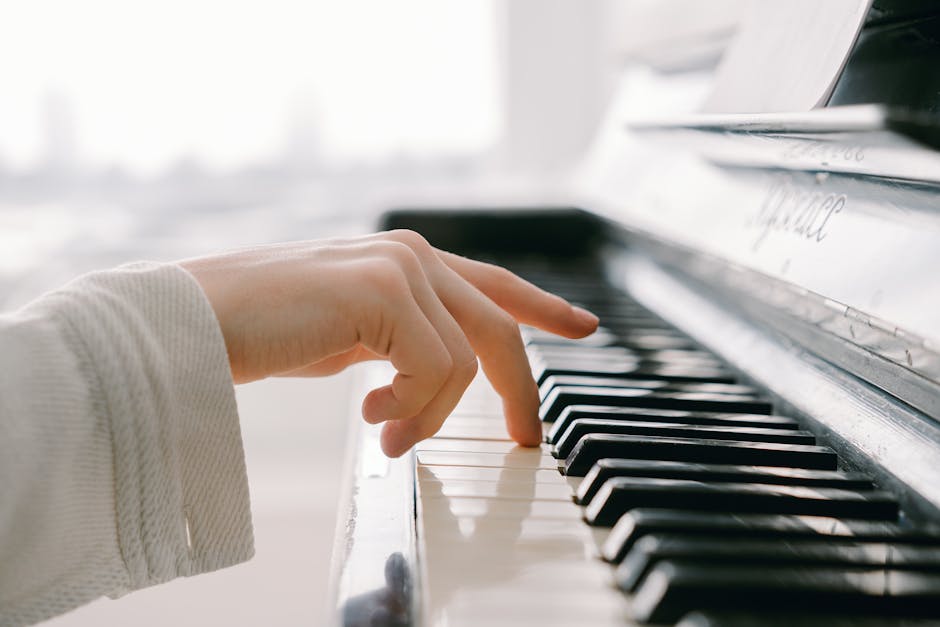
The Future of Digital Music Education
Piano learning apps represent just the beginning of technology’s transformation of music education. Emerging innovations promise even more personalized, effective, and engaging learning experiences.
Artificial intelligence continues advancing, enabling apps to provide increasingly sophisticated feedback on musical expression, phrasing, and interpretation beyond simple note accuracy. Virtual reality implementations may soon offer immersive lessons with holographic instructors and three-dimensional interactive environments.
Augmented reality features could overlay guidance directly onto physical piano keyboards through smartphone cameras, bridging digital instruction with tactile instrument interaction in revolutionary ways.
Despite these technological advances, the fundamental journey remains unchanged: learning piano requires patience, persistence, and passion. Apps simply make that journey more accessible, affordable, and enjoyable than ever before, opening the beautiful world of music to anyone with determination and a smartphone. The piano no longer waits in exclusive studios or expensive music schools—it lives in your pocket, ready whenever inspiration strikes. 🎵

Toni Santos is a visionary artisan and conceptual designer who channels the beauty of living organisms into structural expression. At Zureste, Toni explores the intricate elegance of insect anatomy, organic flow, and bioinspired design to create art that feels both natural and otherworldly.
Each creation Toni brings to life reflects a harmonic tension between structure and softness, wildness and control — echoing the complex intelligence found in the natural world. From beetle-like silhouettes to root-shaped contours, his work blurs the lines between biology, sculpture, and modern art.
Guided by fascination for metamorphosis, evolution, and pattern in nature, Toni’s pieces embody transformation. His BioLight Collection and conceptual series like Insect Type and Structure Aesthetics offer viewers more than aesthetic value — they present immersive experiences of living design.
As the creative force behind Zureste, Toni invites us to rethink beauty, architecture, and identity through a new lens — one shaped by wings, bones, spirals, and the microscopic poetry of the organic.
His creations reflect:
-
Design deeply rooted in the geometry of life
-
Inspiration from insects, roots, and the unseen natural order
-
A blend of science, spirituality, and visual storytelling
Whether you’re a lover of strange beauty, an admirer of evolution’s artistry, or a creative mind seeking something different, Toni welcomes you into a world where living forms become meaning, and surreal becomes sublime.