
Anúncios
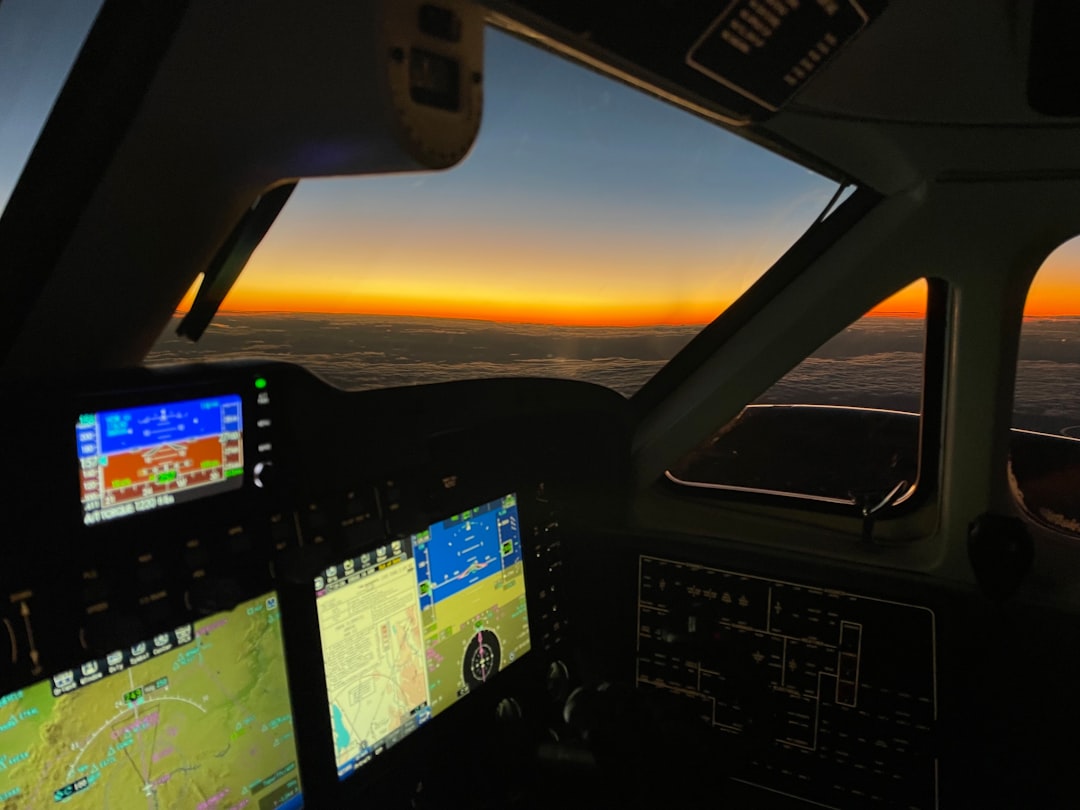
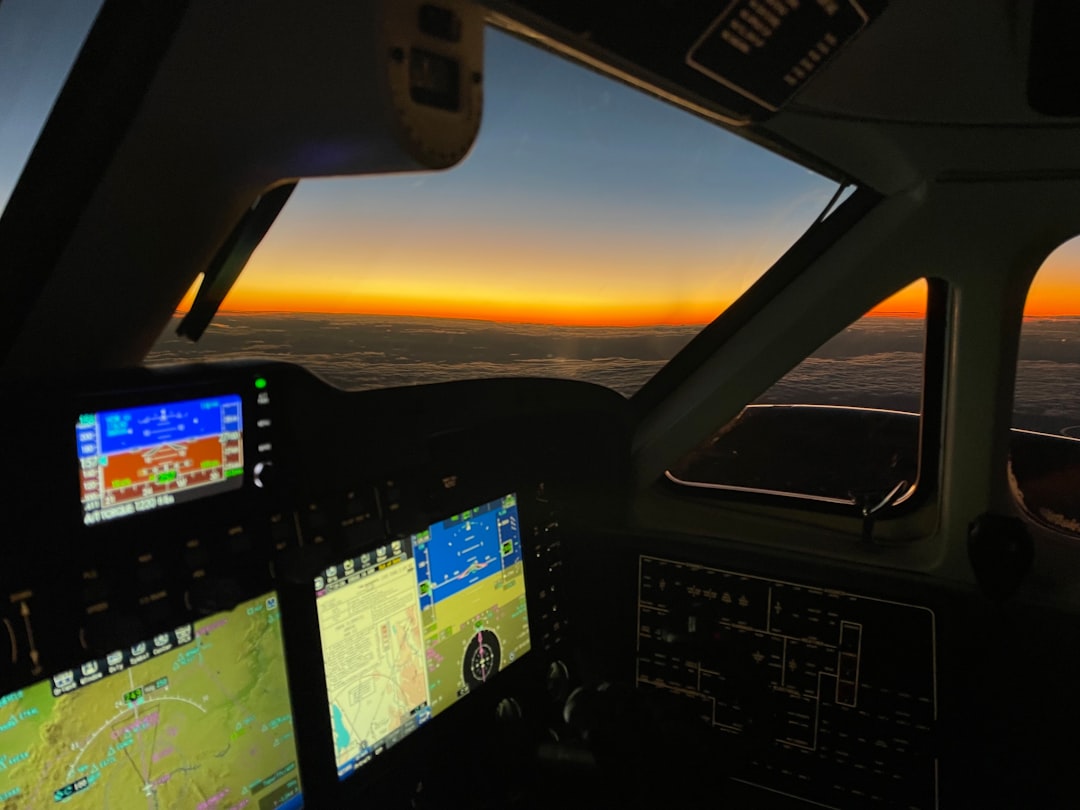
Mobile flight simulation has transformed how aviation enthusiasts experience piloting, bringing realistic cockpit controls and breathtaking aerial landscapes into the palm of your hand.


The aviation industry has witnessed remarkable technological advancement, and mobile gaming platforms now deliver surprisingly authentic flight experiences.
Anúncios
Whether you dream of commanding a commercial airliner across continents or performing precision aerobatics in a fighter jet, your smartphone can serve as a comprehensive flight deck.

Modern flight simulators for mobile devices offer unprecedented realism, featuring accurate aircraft systems, real-world weather conditions, and global scenery. These applications cater to everyone from curious beginners to serious aviation students who want supplemental training tools that fit in their pocket.
Anúncios
✈️ Why Mobile Flight Simulation Has Become So Popular
The surge in mobile flight simulation popularity stems from several converging factors. Smartphones now possess processing power that rivals desktop computers from just a few years ago, enabling complex physics calculations and detailed graphics rendering.
Accessibility stands as the primary advantage. Unlike traditional desktop simulators requiring expensive equipment and dedicated space, mobile versions need only your existing device. You can practice instrument approaches during your commute or explore new airports while relaxing at home.
The cost barrier has virtually disappeared. Many premium flight simulators cost less than a single tank of fuel for a real aircraft, yet provide thousands of hours of entertainment and education. This democratization means aspiring pilots worldwide can begin their journey regardless of economic circumstances.
Community engagement further amplifies the appeal. Modern mobile flight apps connect pilots globally through multiplayer features, shared flight plans, and virtual air traffic control networks. This social dimension transforms solitary screen time into collaborative experiences.
🎮 Core Features That Define Quality Flight Simulation
Not all flight simulators deliver equal experiences. Understanding key features helps identify applications worth your time and storage space.
Realistic Aircraft Systems
Premium simulators model aircraft systems with impressive fidelity. You’ll encounter functional autopilot systems, working navigation instruments, and authentic engine parameters. The cockpit interactions mirror real aircraft, requiring proper startup sequences and checklist adherence.
Flight dynamics represent another critical element. Quality simulators calculate aerodynamic forces accurately, meaning aircraft respond realistically to control inputs, weight changes, and atmospheric conditions. You’ll feel the difference between flying a nimble Cessna 172 and a heavy Boeing 777.
Global Scenery and Airports
The best mobile simulators offer worldwide coverage with thousands of airports. High-detail scenery includes accurate runway layouts, taxiway systems, and terminal buildings for major airports. Some applications even feature 3D landmarks and terrain based on satellite imagery.
Weather integration adds another layer of realism. Real-time weather data ensures you encounter actual conditions at your destination, including wind patterns, visibility restrictions, and cloud formations. This feature proves invaluable for instrument flight training.
Multiplayer Capabilities
Flying alongside real pilots worldwide creates unmatched immersion. Multiplayer servers support hundreds of simultaneous users, complete with voice communication and coordinated air traffic control. You might find yourself holding short of runway 27L at Los Angeles International while three aircraft land ahead of you.
🌍 Exploring Diverse Flight Scenarios From Your Device
The variety of scenarios available through mobile simulators rivals what professional pilots experience. Each flight type demands different skills and offers unique challenges.
Commercial Aviation Routes
Commanding a widebody airliner across oceans represents the pinnacle of airline simulation. You’ll manage fuel planning for 8-hour flights, coordinate with dispatchers, and execute precision approaches into challenging airports.
Popular routes include the North Atlantic tracks connecting Europe and North America, trans-Pacific flights to Asia, and scenic approaches into airports like Hong Kong’s former Kai Tak or Switzerland’s mountainous Sion Airport.
The experience teaches valuable lessons about flight planning, weight-and-balance calculations, and crew resource management. You’ll understand why airline pilots spend years mastering their craft.
General Aviation Adventures
Small aircraft provide different pleasures. Flying VFR (Visual Flight Rules) in a single-engine propeller plane lets you appreciate landscape details impossible to see from 35,000 feet. Navigate by landmarks, follow rivers, and land at remote grass strips.
Bush flying scenarios challenge your skills with short runways, mountainous terrain, and unpredictable weather. Alaskan adventures might have you delivering supplies to isolated communities accessible only by air.
Military and Aerobatic Operations
Fighter aircraft and aerobatic planes offer adrenaline-pumping experiences. Execute barrel rolls, loops, and Cuban eights while maintaining precise altitude and airspeed control. Formation flying with other pilots tests coordination and spatial awareness.
Some simulators include aerial refueling, carrier landings, and tactical missions. These advanced scenarios demand exceptional skill and provide the most intense challenges available on mobile platforms.
📱 Mastering Touch Controls and Interface Navigation
Adapting to mobile controls requires patience but becomes intuitive with practice. Developers have crafted clever solutions for translating complex cockpit interactions to touchscreens.
Essential Control Schemes
Most simulators offer multiple control options. Tilt controls use your device’s accelerometer, banking and pitching the aircraft as you physically move your phone or tablet. This intuitive method works well for casual flying.
Virtual joystick controls place on-screen thumbsticks for pitch, roll, and yaw inputs. This method provides greater precision for instrument approaches and formation flying. Adjustable sensitivity settings let you fine-tune responsiveness to match your preferences.
Advanced users often connect external hardware. Bluetooth joysticks, yokes, and throttle quadrants transform mobile devices into legitimate training tools. The combination of portable software and physical controls approaches desktop simulator realism.
Cockpit Interface Management
Navigating 3D cockpits on small screens initially feels cramped. Learning to efficiently switch between instrument panels, systems pages, and external views becomes essential. Most applications support customizable camera positions you can save and recall instantly.
Autopilot management through touchscreen interfaces requires practice. You’ll tap altitude selectors, heading bugs, and vertical speed indicators just like pilots interact with Flight Management Systems. The learning curve mirrors real aircraft complexity.
🎓 Educational Value Beyond Entertainment
Mobile flight simulators deliver genuine educational benefits. Student pilots worldwide use these applications as supplemental training tools that reinforce concepts learned in actual aircraft.
Instrument Procedure Practice
Mastering instrument approaches costs significant money in real aircraft. Mobile simulators let you practice ILS approaches, VOR tracking, and GPS procedures infinitely without fuel costs or aircraft rental fees. The procedures mirror real-world charts and navigation databases.
Radio communication practice within multiplayer environments develops comfort with aviation phraseology. Virtual air traffic controllers provide clearances, vectors, and traffic advisories using standard procedures. This exposure builds confidence before your first radio call in actual aircraft.
Emergency Procedure Training
Safely practicing engine failures, electrical malfunctions, and system emergencies in real aircraft proves difficult and potentially dangerous. Simulators let you repeatedly experience these situations, developing muscle memory for proper responses.
You can practice forced landings from various altitudes and locations, experiencing how different aircraft glide and respond to emergency configurations. This knowledge might prove invaluable should you ever face real mechanical difficulties.
Weather Decision Making
Learning to interpret weather reports and make go/no-go decisions represents critical pilot judgment. Mobile simulators with real weather integration let you experience deteriorating conditions safely, understanding when continuing a flight becomes unwise.
You’ll encounter low visibility, icing conditions, thunderstorms, and crosswinds that exceed aircraft limitations. These lessons stick far better than theoretical classroom instruction.
🔧 Technical Requirements and Optimization Tips
Maximizing your mobile flight simulation experience requires understanding device capabilities and optimization strategies.
Device Specifications
Premium flight simulators demand capable hardware. Minimum specifications typically include 3GB RAM and a modern processor (equivalent to Snapdragon 660 or Apple A10). However, 4GB+ RAM and current-generation chips deliver noticeably smoother performance.
Storage space considerations matter significantly. Base applications might require 2-3GB, but high-resolution scenery packages can consume 10GB+ additional space. Cloud storage options help manage device capacity.
Screen size affects usability dramatically. While phones work adequately, tablets provide superior cockpit visibility and easier instrument interaction. Many serious users dedicate tablets exclusively to flight simulation.
Graphics Settings Balance
Finding optimal graphics settings balances visual quality against performance. Key adjustments include:
- Rendering quality: Higher settings increase detail but demand more processing power
- Airplane count: Reducing visible multiplayer aircraft improves frame rates in congested areas
- Scenery detail: Lower settings maintain smooth performance over dense urban areas
- Anti-aliasing: Smooths jagged edges but significantly impacts performance
Experimentation reveals your device’s sweet spot. Maintaining 30+ frames per second ensures responsive controls and enjoyable experiences.
Battery Management
Flight simulation drains batteries rapidly. Long flights require power management strategies. Reducing screen brightness helps significantly without compromising usability. Closing background applications frees system resources and reduces power consumption.
Many dedicated users fly while connected to power sources. Portable battery packs enable extended sessions away from outlets, though heat management becomes important during intensive use.
🌟 Building Skills Through Progressive Challenges
Structured skill development accelerates your progression from novice to accomplished virtual pilot. Setting progressive goals maintains motivation and tracks improvement.
Beginner Milestones
Initial flights should focus on basic aircraft control. Practice maintaining altitude, heading, and airspeed in visual conditions. Master takeoffs and landings at familiar airports before exploring challenging destinations.
Learning airport traffic patterns represents an early achievement. Flying proper rectangular patterns with correct altitudes and turn points develops spatial awareness essential for all future operations.
Intermediate Accomplishments
Transitioning to instrument flight opens new possibilities. Begin with simple GPS approaches before progressing to precision ILS procedures. Practice holding patterns and intercepting courses accurately.
Cross-country navigation without GPS reliance builds traditional piloting skills. Use VOR stations and pilotage techniques, calculating headings manually and tracking your position on charts.
Advanced Expertise
Expert-level achievements include category III approaches in near-zero visibility, complex formation flying, and mastering challenging airports like Paro, Bhutan or Courchevel, France.
Participating in virtual airline operations adds structure and community accountability. These organizations assign routes, maintain schedules, and track flight hours, simulating real airline pilot experiences.
🤝 Connecting With the Global Flight Simulation Community
The social dimension of mobile flight simulation enriches experiences beyond solo flying. Engaging with communities provides support, knowledge sharing, and lasting friendships.
Virtual Airlines and Organizations
Hundreds of virtual airlines operate within mobile simulation platforms. These groups assign routes, maintain pilot rosters, and host events. Members wear virtual airline liveries and follow standard operating procedures mirroring real carriers.
Joining a virtual airline provides structure and purpose to your flights. Rather than aimlessly choosing destinations, you’ll complete assigned routes that build toward career progression within the organization.
Online Events and Fly-Ins
Scheduled events attract hundreds of pilots simultaneously. Popular events include virtual airshows, airport showcases featuring specific destinations, and historical flight reenactments.
These gatherings create memorable moments. Imagine dozens of aircraft conducting coordinated arrivals into a major airport, with air traffic controllers managing the complex choreography through voice communication.
Learning Resources and Tutorials
Community-created content accelerates learning. YouTube channels dedicated to mobile flight simulation offer procedure tutorials, aircraft guides, and scenario walkthroughs. Forums provide spaces for asking questions and sharing discoveries.
Experienced pilots often mentor newcomers, offering flight training sessions and feedback. This knowledge transfer strengthens the entire community while helping individuals overcome learning obstacles.
🚀 Future Developments in Mobile Aviation Simulation
Emerging technologies promise even more impressive mobile flight experiences. Understanding upcoming trends helps anticipate what’s possible.
Enhanced Realism Through AI
Artificial intelligence will revolutionize air traffic control simulation. Rather than scripted responses, AI controllers will adapt to situations dynamically, handling non-standard requests and emergencies with human-like flexibility.
Machine learning algorithms will also improve aircraft modeling. Systems will learn from real flight data, creating increasingly accurate representations of aircraft performance and behavior.
Augmented Reality Integration
AR technology could overlay instrument displays onto physical spaces, creating mixed-reality cockpits. Imagine sitting at your desk with virtual instruments floating before you, controlled through gesture recognition.
This technology might enable realistic head-up display simulation, projecting flight path vectors and navigation information onto your view of the world through your device camera.
Cloud Processing Capabilities
Cloud computing might offload intensive calculations from mobile devices, enabling desktop-quality visuals and physics on modest hardware. Streaming technology could deliver photorealistic scenery without massive local storage requirements.
This approach would democratize access to premium experiences, removing hardware barriers that currently limit some users.
💡 Practical Tips for Maximum Enjoyment
Small adjustments significantly enhance your mobile flight simulation sessions.
Create a comfortable setup. Tablet stands position screens at optimal viewing angles, reducing neck strain during long flights. Bluetooth headphones provide immersive audio without cables cluttering your space.
Schedule realistic flight segments. Rather than attempting 12-hour ultra-long-haul flights, break journeys into manageable segments. Most users find 45-90 minute sessions maintain engagement without fatigue.
Document your adventures. Screenshots of memorable moments create lasting records. Many pilots maintain logbooks tracking flights, airports visited, and aircraft flown, mirroring real pilot record-keeping.
Experiment with different aircraft types. Each category offers unique characteristics and challenges. Alternating between airliners, general aviation, and specialty aircraft prevents monotony while developing diverse skills.
Embrace learning opportunities. Rather than viewing mistakes as failures, analyze what went wrong and practice corrections. This growth mindset accelerates skill development and maintains positive attitudes during challenging scenarios.
🎯 Finding Your Personal Flight Simulation Path
Mobile flight simulation accommodates countless interests and goals. Some users seek maximum realism, studying manuals and memorizing procedures. Others prefer casual exploration, discovering beautiful scenery and interesting airports.
Neither approach is superior. The ideal experience matches your personal preferences and available time. Casual pilots might fly weekly for relaxation, while serious enthusiasts dedicate hours daily to skill development.
The accessibility of mobile platforms means you can adjust involvement levels freely. Busy periods might see only occasional flights, while vacations enable intensive training blocks. This flexibility represents mobile simulation’s greatest strength.
Whatever your chosen path, the journey offers continuous discovery. New airports to explore, aircraft to master, and pilots to meet ensure fresh experiences indefinitely. The sky truly becomes limitless when your pocket contains an entire aviation world.
Modern mobile technology has transformed aviation simulation from specialized hobby to accessible passion. Whether you dream of airline careers, simply enjoy flying, or seek productive entertainment, mobile flight simulators deliver authentic experiences that educate, challenge, and inspire. Your next adventure awaits at your fingertips, ready to launch whenever inspiration strikes. ✈️

Toni Santos is a visionary artisan and conceptual designer who channels the beauty of living organisms into structural expression. At Zureste, Toni explores the intricate elegance of insect anatomy, organic flow, and bioinspired design to create art that feels both natural and otherworldly.
Each creation Toni brings to life reflects a harmonic tension between structure and softness, wildness and control — echoing the complex intelligence found in the natural world. From beetle-like silhouettes to root-shaped contours, his work blurs the lines between biology, sculpture, and modern art.
Guided by fascination for metamorphosis, evolution, and pattern in nature, Toni’s pieces embody transformation. His BioLight Collection and conceptual series like Insect Type and Structure Aesthetics offer viewers more than aesthetic value — they present immersive experiences of living design.
As the creative force behind Zureste, Toni invites us to rethink beauty, architecture, and identity through a new lens — one shaped by wings, bones, spirals, and the microscopic poetry of the organic.
His creations reflect:
-
Design deeply rooted in the geometry of life
-
Inspiration from insects, roots, and the unseen natural order
-
A blend of science, spirituality, and visual storytelling
Whether you’re a lover of strange beauty, an admirer of evolution’s artistry, or a creative mind seeking something different, Toni welcomes you into a world where living forms become meaning, and surreal becomes sublime.