
Anúncios
# HTML Article:
Learning to read and write doesn’t have to be overwhelming or time-consuming. With just a few minutes each day, anyone can master literacy skills through fun, engaging methods that make the journey enjoyable and effective.
Anúncios


The process of becoming literate opens countless doors in life, from career opportunities to personal growth and independence. Yet many people feel intimidated by the prospect of learning to read and write, especially adults who missed early educational opportunities or children struggling with traditional teaching methods.
The good news is that modern approaches to literacy education have transformed dramatically. Today’s methods emphasize enjoyment, bite-sized learning sessions, and interactive techniques that fit seamlessly into busy schedules. Whether you’re supporting a child’s learning journey or pursuing literacy skills yourself, the path forward can be both manageable and delightful.
Anúncios
🎯 Why Short Daily Practice Sessions Work Better
Research in cognitive science consistently demonstrates that frequent, short learning sessions produce superior results compared to lengthy, infrequent study marathons. This phenomenon, known as spaced repetition, allows the brain to consolidate information more effectively.
When you dedicate just 10-15 minutes daily to literacy practice, you’re working with your brain’s natural learning rhythms rather than against them. These brief sessions prevent mental fatigue while maintaining high engagement levels. The consistency builds neural pathways gradually and sustainably, creating lasting literacy skills rather than temporary memorization.
Additionally, short sessions reduce the psychological barrier to getting started. Instead of facing an intimidating hour-long study session, learners can approach a 15-minute activity with enthusiasm and focus. This psychological advantage cannot be overstated—it’s often the difference between maintaining a practice habit or abandoning it entirely.
📱 Modern Tools That Make Learning Interactive and Fun
Technology has revolutionized literacy education by transforming dry drills into engaging experiences. Interactive apps and digital platforms now offer game-like environments where learners progress through levels, earn rewards, and receive immediate feedback on their performance.
These digital tools adapt to individual learning speeds, ensuring that each person faces appropriately challenging material without becoming frustrated or bored. Visual learners benefit from colorful graphics and animations, while auditory learners can hear correct pronunciations and sound patterns.
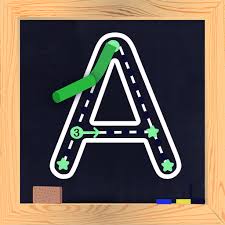
Touch-screen devices add a kinesthetic dimension to learning, allowing learners to trace letters with their fingers, reinforcing muscle memory alongside visual recognition. This multi-sensory approach addresses different learning styles simultaneously, making the experience more effective and enjoyable for diverse learners.
Key Features of Effective Learning Apps
- Progressive difficulty levels that adjust to the learner’s pace
- Immediate feedback that reinforces correct responses and gently corrects mistakes
- Engaging visuals and sounds that maintain attention and motivation
- Achievement systems with badges, stars, or points that celebrate progress
- Variety of activities including tracing, matching, spelling, and reading exercises
- Offline capabilities for learning anywhere, anytime
✍️ The Building Blocks: Starting with Letters and Sounds
Every literacy journey begins with understanding the relationship between letters and the sounds they represent. This foundational concept, called phonemic awareness, is crucial for both reading and writing development.
Start by focusing on a few letters at a time rather than overwhelming yourself with the entire alphabet immediately. Learn each letter’s name, its shape, and the sound it makes. Practice writing the letter while saying its sound aloud, creating multiple connections in your brain.
Begin with letters that appear most frequently in your language, as these will provide the quickest path to recognizing and forming simple words. For English learners, letters like E, T, A, O, I, and N appear in countless common words and offer immediate practical value.
Making Letter Learning Enjoyable
Transform letter practice into playful activities rather than tedious repetition. Use colorful materials, draw letters in sand or shaving cream, or form them with playdough. These tactile experiences make learning memorable and engaging, especially for young learners.
Create associations between letters and familiar objects or characters. For example, the letter S might remind you of a snake, while M could look like mountains. These visual connections help cement letter recognition in long-term memory.

🔤 Progressing from Letters to Words
Once you’re comfortable with individual letters and their sounds, the exciting process of blending them into words begins. Start with simple three-letter words that follow predictable phonetic patterns, often called CVC words (consonant-vowel-consonant), such as “cat,” “dog,” “sun,” and “bed.”
Practice sounding out each letter individually before blending them together smoothly. This decoding skill forms the foundation of reading fluency. As you become more proficient, you’ll recognize common letter combinations and entire words instantly, without needing to sound out each letter.
Writing these words reinforces reading skills through a different neural pathway. When you physically form letters to create words, you’re strengthening the connection between sounds, symbols, and meanings. This dual approach—reading and writing together—accelerates overall literacy development.
📚 Creating a Consistent Learning Routine
Success in literacy development depends heavily on consistency rather than intensity. Establishing a regular daily practice time helps transform learning from a sporadic effort into an automatic habit.
Choose a time when you’re naturally alert and free from distractions. For many people, morning sessions work best, providing a positive start to the day. Others prefer evening practice as a calming activity before bed. The specific time matters less than maintaining consistency.
Sample Daily 15-Minute Routine
| Minutes | Activity | Purpose |
|---|---|---|
| 0-5 | Letter or word review | Warm up and reinforce previous learning |
| 5-10 | New content introduction | Learn 1-2 new letters or 3-5 new words |
| 10-13 | Interactive practice game | Apply new knowledge in engaging format |
| 13-15 | Writing practice | Reinforce through physical letter formation |
🎮 Turning Practice into Play
The most effective learning happens when it doesn’t feel like work. Gamification principles can transform literacy practice into an activity that learners eagerly anticipate rather than avoid.
Set small, achievable goals and celebrate each milestone. Create a visual progress chart where you can mark completed lessons or mastered words. These tangible representations of progress provide powerful motivation to continue.
Incorporate competition elements if they motivate you—race against your own previous time, try to beat yesterday’s score, or challenge family members to friendly literacy games. The social and competitive dimensions add excitement and accountability to the learning process.
👨👩👧👦 Supporting Young Learners Through Their Journey
When helping children develop literacy skills, your attitude and approach significantly impact their learning experience. Maintain enthusiasm and patience, celebrating efforts rather than just results. Children who associate reading and writing with positive emotions develop stronger, more lasting literacy skills.
Read aloud to young learners regularly, even as they begin developing their own reading skills. This models fluent reading, builds vocabulary, and demonstrates that reading is enjoyable and valuable. Point to words as you read, helping children connect spoken language with written text.
Encourage children to “write” before they’ve mastered letter formation. Accept scribbles and invented spellings as legitimate early writing, which builds confidence and reinforces the understanding that writing communicates meaning. Gradually, with practice and guidance, these approximations will evolve into conventional writing.
💡 Overcoming Common Challenges and Frustrations
Every literacy learner encounters obstacles along the way. Letter reversals (like confusing b and d) are completely normal and typically resolve with continued exposure and practice. Resist the urge to overcorrect, as this can create anxiety and self-consciousness.
If progress seems slow, remember that literacy development isn’t linear. Plateaus are normal parts of the learning process, often followed by sudden breakthroughs. During these challenging periods, maintain consistency rather than increasing practice duration, which can lead to burnout.
Some letters and sound combinations prove more challenging than others for most learners. Don’t let these temporary stumbling blocks derail overall progress. Use varied approaches—visual, auditory, and kinesthetic—to tackle persistent difficulties from multiple angles.
🌟 Building Confidence Through Real-World Application
As literacy skills develop, seek opportunities to apply them in everyday contexts. This practical application reinforces learning while demonstrating the real-world value of literacy.
Start with environmental print—the words you encounter daily on signs, packages, and labels. Practice reading street signs during car rides, identifying favorite cereal brands in the grocery store, or reading simple restaurant menus. These authentic reading experiences are both motivating and practical.
Create shopping lists together, write simple messages to family members, or label household items. Writing for genuine purposes, even simple ones, gives meaning to the skill and provides natural practice opportunities.
📖 Expanding Skills: From Words to Sentences and Stories
Once individual words become comfortable, the exciting world of sentences and stories opens up. Begin with simple sentences containing familiar words, gradually increasing length and complexity as comprehension grows.
Predictable, repetitive texts work wonderfully for beginning readers. These books use repeated phrases and patterns that allow new readers to anticipate what comes next, building confidence and fluency. After several readings, many children can “read” these books independently, an empowering experience.
Encourage learners to create their own simple stories, either by writing or dictating them to you. Personal narratives about familiar experiences are inherently meaningful and engaging, making them ideal for early reading practice.
🎨 Creative Activities That Reinforce Literacy Skills
Variety keeps learning fresh and prevents boredom. Incorporate creative activities that reinforce literacy skills in novel ways, making practice feel like play rather than work.
Try making alphabet crafts, where each letter becomes an art project incorporating items that start with that letter. Create word hunts where learners search magazines or newspapers for specific words or letters. Play rhyming games that develop phonemic awareness through sound play rather than formal instruction.
Digital drawing apps allow learners to practice letter formation in colors and textures impossible with traditional materials, adding novelty and excitement to writing practice. The ability to easily erase and try again reduces performance anxiety and encourages experimentation.
🚀 Maintaining Momentum and Long-Term Success
Literacy development is a marathon, not a sprint. Sustaining motivation over months and years requires intentional strategies that keep the learning experience positive and rewarding.
Regularly reflect on progress by looking back at early work. Seeing concrete evidence of improvement provides powerful motivation to continue. Keep samples from different stages of the learning journey to create a tangible record of growth.
Connect with other learners or families pursuing literacy goals. Sharing experiences, challenges, and successes creates community and accountability. Many apps and platforms offer social features that facilitate these connections while maintaining appropriate privacy protections.
Remember that literacy opens doors to lifelong learning and exploration. Each small daily practice session represents an investment in countless future opportunities—from enjoying a favorite book to advancing professionally to helping your own children with their education.
🎯 Making Every Minute Count
Even within brief practice sessions, maximize learning by staying fully present and engaged. Eliminate distractions, put away phones, and create a dedicated learning space, even if it’s just a specific chair or corner of a room.
Quality trumps quantity in literacy learning. Fifteen focused, enthusiastic minutes deliver far better results than an hour of distracted, reluctant practice. If attention wanes before the time is up, it’s better to end positively than to push through to frustration.
Adapt your approach based on energy levels and mood. Some days might focus more on playful games, while others allow for concentrated practice. This flexibility prevents learning from becoming monotonous or stressful.
The journey to literacy proficiency is deeply personal and ultimately rewarding. By committing just a few minutes each day to fun, engaging practice, you’re building skills that will serve you throughout life. Every letter learned, every word decoded, and every sentence written represents progress toward independence, opportunity, and the joy of communication. Start today with just fifteen minutes—your future literate self will thank you for this investment. The path may sometimes feel challenging, but with consistency, patience, and the right tools, reading and writing fluency is absolutely achievable for everyone willing to dedicate those precious daily minutes to growth.

Toni Santos is a visionary artisan and conceptual designer who channels the beauty of living organisms into structural expression. At Zureste, Toni explores the intricate elegance of insect anatomy, organic flow, and bioinspired design to create art that feels both natural and otherworldly.
Each creation Toni brings to life reflects a harmonic tension between structure and softness, wildness and control — echoing the complex intelligence found in the natural world. From beetle-like silhouettes to root-shaped contours, his work blurs the lines between biology, sculpture, and modern art.
Guided by fascination for metamorphosis, evolution, and pattern in nature, Toni’s pieces embody transformation. His BioLight Collection and conceptual series like Insect Type and Structure Aesthetics offer viewers more than aesthetic value — they present immersive experiences of living design.
As the creative force behind Zureste, Toni invites us to rethink beauty, architecture, and identity through a new lens — one shaped by wings, bones, spirals, and the microscopic poetry of the organic.
His creations reflect:
-
Design deeply rooted in the geometry of life
-
Inspiration from insects, roots, and the unseen natural order
-
A blend of science, spirituality, and visual storytelling
Whether you’re a lover of strange beauty, an admirer of evolution’s artistry, or a creative mind seeking something different, Toni welcomes you into a world where living forms become meaning, and surreal becomes sublime.