
Anúncios
Designing your dream home with incredible interior architecture transforms everyday living into an extraordinary experience, blending functionality with stunning aesthetics.


Creating a home that reflects your personality while maximizing comfort requires thoughtful planning and creative vision. Interior architecture goes far beyond choosing paint colors or furniture pieces—it’s about crafting spaces that tell your story and enhance how you live daily.
Anúncios
Whether you’re building from scratch or renovating an existing space, understanding the principles of exceptional interior architecture empowers you to make informed decisions. The journey from concept to completion involves balancing aesthetic appeal with practical functionality, ensuring every square foot serves a purpose. ✨
Understanding the Foundation of Interior Architecture 🏗️
Interior architecture differs significantly from interior decorating. While decoration focuses on finishes and furnishings, architecture addresses the structural bones of your home—spatial flow, built-in elements, and how rooms connect and communicate with each other.
Anúncios
Great interior architecture considers how natural light moves through spaces throughout the day. Window placement, ceiling heights, and room orientation dramatically impact the mood and functionality of each area. Strategic placement of architectural elements like archways, columns, or partial walls can define spaces without completely closing them off.
The relationship between public and private zones within your home requires careful consideration. Living rooms, kitchens, and dining areas typically occupy the public realm, while bedrooms and personal offices fall into private territories. The transition between these zones should feel natural yet distinct.
Maximizing Space Through Smart Layout Decisions 📐
Open floor plans continue to dominate modern home design, but they’re not universally perfect. The key lies in understanding your lifestyle needs. Families with young children might benefit from visual connectivity, while professionals working from home may prefer defined, quieter spaces.
Consider traffic patterns carefully. The path from the front door to various rooms should feel intuitive, not maze-like. Avoid creating spaces where furniture placement becomes challenging due to awkward doorway positions or obstructive corners.
Vertical space often gets overlooked in residential design. High ceilings create volume and grandeur, but they also offer practical opportunities. Loft areas, mezzanines, or elevated reading nooks add functional square footage without expanding your home’s footprint.
The Power of Multi-Functional Rooms
Modern living demands flexibility. A guest bedroom that doubles as a home office, a dining area that transforms into a crafting station, or a garage workshop that accommodates fitness equipment—these multi-purpose spaces maximize your investment.
Built-in storage solutions distinguish amateur designs from professional ones. Custom cabinetry, under-stair storage, window seats with hidden compartments, and floor-to-ceiling shelving systems keep clutter at bay while maintaining clean lines throughout your home.

Creating Stunning Visual Continuity 🎨
Cohesive interior architecture maintains visual threads that guide the eye naturally from room to room. This doesn’t mean everything should match perfectly, but rather that intentional connections create harmony throughout your home.
Flooring choices significantly impact visual flow. Consistent materials across connected spaces make areas feel larger and more integrated. Transitioning between materials should happen at natural thresholds—doorways or where functions clearly change, like from kitchen tile to living room hardwood.
Ceiling treatments offer another dimension for creating continuity. Exposed beams can extend from living areas into kitchens, coffered ceilings might connect formal dining and entry halls, or consistent crown molding can tie together various rooms regardless of wall colors.
Material Selection That Tells Your Story
Every material carries inherent characteristics that influence atmosphere. Natural wood brings warmth and organic texture, stone conveys permanence and luxury, metal introduces industrial edge, and glass promotes transparency and lightness.
Mixing materials requires balance. A predominantly wooden interior benefits from stone or concrete accents to prevent monotony. Similarly, modern glass-heavy designs need warmer elements like wood or fabric to avoid feeling cold or sterile.
Harnessing Natural Light Like a Professional 💡
Sunlight remains the most powerful tool in any architect’s arsenal. Southern exposures in the northern hemisphere provide consistent, warm light perfect for living spaces. Northern light stays cooler and more constant, ideal for art studios or offices requiring minimal glare.
Window size and placement dramatically affect room character. Floor-to-ceiling windows dissolve boundaries between interior and exterior, while strategically placed clerestory windows illuminate spaces without sacrificing wall space or privacy.
Skylights and light tubes bring illumination to interior rooms traditionally dependent on artificial lighting. Bathrooms, hallways, and closets transform when natural light reaches them, reducing energy consumption while improving mood and functionality.
Controlling Light for Comfort and Energy Efficiency
Too much light can be as problematic as too little. Overhangs, pergolas, and architectural shading devices control solar heat gain during summer months while allowing winter sun to penetrate deeper into your home, naturally regulating temperature.
Interior shading solutions—from plantation shutters to automated blinds—provide flexibility. Blackout options in bedrooms ensure quality sleep, while sheer treatments in living areas filter harsh rays without blocking views or making spaces feel closed off.
Designing Kitchens That Work Beautifully 🍳
The kitchen triangle concept—positioning sink, stove, and refrigerator in triangular formation—remains foundational, but modern lifestyles demand evolution. Multiple cooks, integrated appliances, and open concepts require expanded thinking.
Kitchen islands serve numerous functions beyond additional counter space. They provide casual dining areas, homework stations, entertainment hubs during parties, and natural boundaries in open floor plans without creating visual barriers.
Pantry design significantly impacts kitchen functionality. Walk-in pantries offer abundant storage but consume considerable square footage. Alternative solutions include floor-to-ceiling pull-out systems, corner carousel units, and integrated refrigerator-pantry combinations.
Bathroom Architecture Beyond the Basics 🛁
Luxurious bathrooms don’t necessarily require massive square footage. Thoughtful layouts, quality fixtures, and attention to detail create spa-like experiences in modest spaces.
Wet room concepts eliminate traditional shower enclosures, using floor drains and subtle slopes to manage water. This approach works beautifully in smaller bathrooms, making them feel considerably larger while simplifying cleaning and maintenance.
Storage in bathrooms often gets inadequate attention during planning. Medicine cabinets, vanity drawers, linen closets, and built-in niches for shower products should be addressed architecturally rather than added as afterthoughts.
Privacy and Ventilation Considerations
Window placement in bathrooms balances natural light needs with privacy concerns. Frosted glass, strategically positioned windows above eye level, or interior windows facing private courtyards solve this challenge elegantly.
Proper ventilation prevents moisture damage and maintains air quality. Exhaust fans should vent exterior rather than into attics, and their capacity should match room size for effective moisture removal during and after showers.
Bedroom Sanctuaries Built for Rest 😴
Bedrooms serve as personal retreats from daily stress. Positioning beds away from doors creates psychological comfort, while adequate wall space accommodates furniture without feeling cramped or creating awkward traffic patterns.
Closet architecture extends far beyond basic hanging rods. Custom systems with varied hanging heights, drawer units, shoe storage, accessory compartments, and adequate lighting transform closets into functional dressing rooms regardless of overall size.
Sound control matters significantly in bedroom design. Interior walls with additional insulation, solid core doors, and strategic room positioning away from noisy areas like kitchens or home theaters ensure restful sleep.
Living Spaces That Invite Connection 🛋️
Great living rooms balance multiple functions—conversation areas, entertainment zones, reading nooks—without feeling fragmented. Furniture arrangement should facilitate interaction while maintaining clear pathways.
Focal points anchor living spaces visually. Fireplaces provide traditional focal points, but architectural features like accent walls, large windows with stunning views, or built-in entertainment centers serve equally well.
Scale matters tremendously in living areas. Oversized furniture overwhelms small rooms, while undersized pieces float awkwardly in large spaces. Architectural elements like ceiling treatments, wall paneling, or built-in seating help establish appropriate scale.
Outdoor Integration for Expanded Living 🌿
Transitional spaces blur boundaries between interior and exterior. Covered patios, screened porches, and fully opening wall systems extend living areas seasonally or year-round depending on climate.
Architectural consistency between interior and exterior strengthens visual flow. Carrying flooring materials outside, extending rooflines, or matching exterior wall colors to interior palettes creates seamless transitions.
Outdoor kitchens, dining areas, and living spaces function as true room extensions rather than afterthoughts. Proper infrastructure—electrical, plumbing, drainage, and weather protection—ensures these areas see genuine use rather than becoming neglected spaces.
Sustainable Architecture That Reduces Environmental Impact ♻️
Passive solar design principles orient homes to maximize beneficial sun exposure while minimizing heat gain during warmer months. Thermal mass materials like concrete or stone absorb heat during the day and release it gradually, naturally regulating temperature.
Insulation quality dramatically impacts energy efficiency and comfort. Continuous insulation envelopes without thermal bridging maintain consistent interior temperatures, reducing heating and cooling costs while improving comfort.
Material selection influences sustainability significantly. Rapidly renewable resources like bamboo, reclaimed materials, locally sourced stone or wood, and low-VOC finishes create healthier indoor environments while reducing environmental impact.
Technology Integration in Modern Home Architecture 📱
Smart home systems require architectural planning rather than retrofit solutions. Structured wiring, strategic outlet placement, centralized equipment locations, and adequate internet infrastructure support current and future technology needs.
Invisible technology integration maintains clean aesthetics. Motorized shades, hidden speakers, concealed charging stations, and flush-mounted screens provide functionality without cluttering visual spaces with wires and devices.
Security systems benefit from architectural consideration. Camera sight lines, sensor placement, secure entry points, and safe rooms or reinforced spaces can be integrated during construction far more effectively than added later.
Bringing Your Vision to Life Successfully 🎯
Working with professionals—architects, interior designers, and builders—ensures your vision translates accurately from concept to reality. Clear communication about priorities, lifestyle needs, and aesthetic preferences prevents costly misunderstandings.
Budget planning should account for both construction and furnishing costs. Beautiful architecture loses impact when inadequately furnished due to budget exhaustion. Allocate resources strategically, prioritizing structural elements and built-ins over easily changed decorative items.
Patience throughout the process prevents regrettable rush decisions. Living with spaces before making final design choices often reveals insights initial planning couldn’t anticipate. Flexibility allows adjustments that ultimately create more satisfying results.
Personalizing Spaces That Reflect Your Unique Story 💫
Your home should communicate who you are through architectural expression. Display collections through built-in shelving designed specifically for them, create hobby spaces tailored to your passions, or incorporate cultural elements that honor your heritage.
Art integration works best when considered architecturally. Dedicated gallery walls with proper lighting, sculpture niches, or display platforms elevate collections from afterthoughts to intentional focal points.
Family needs evolve over time. Flexible architecture accommodates these changes gracefully—nurseries that convert to teen bedrooms, playrooms that transform into home offices, or accessible features that support aging in place.
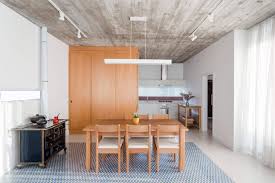
Making Your Dream Home a Reality Today 🏡
Creating incredible interior architecture requires vision, planning, and execution, but the results transform daily living profoundly. Every design decision—from major structural elements to subtle material choices—contributes to spaces that nurture, inspire, and delight.
Starting your journey means gathering inspiration, defining priorities, and assembling the right team to bring your vision to life. Whether building new or renovating existing spaces, thoughtful interior architecture elevates houses into homes that truly reflect and support your ideal lifestyle.
The investment in exceptional interior architecture pays dividends daily through increased comfort, improved functionality, and the simple joy of living in spaces that feel perfectly suited to you. Your dream home awaits—begin crafting it with intention, creativity, and confidence in the transformative power of outstanding design.

Toni Santos is a visionary artisan and conceptual designer who channels the beauty of living organisms into structural expression. At Zureste, Toni explores the intricate elegance of insect anatomy, organic flow, and bioinspired design to create art that feels both natural and otherworldly.
Each creation Toni brings to life reflects a harmonic tension between structure and softness, wildness and control — echoing the complex intelligence found in the natural world. From beetle-like silhouettes to root-shaped contours, his work blurs the lines between biology, sculpture, and modern art.
Guided by fascination for metamorphosis, evolution, and pattern in nature, Toni’s pieces embody transformation. His BioLight Collection and conceptual series like Insect Type and Structure Aesthetics offer viewers more than aesthetic value — they present immersive experiences of living design.
As the creative force behind Zureste, Toni invites us to rethink beauty, architecture, and identity through a new lens — one shaped by wings, bones, spirals, and the microscopic poetry of the organic.
His creations reflect:
-
Design deeply rooted in the geometry of life
-
Inspiration from insects, roots, and the unseen natural order
-
A blend of science, spirituality, and visual storytelling
Whether you’re a lover of strange beauty, an admirer of evolution’s artistry, or a creative mind seeking something different, Toni welcomes you into a world where living forms become meaning, and surreal becomes sublime.