
Anúncios
High blood pressure affects millions worldwide, yet many remain unaware of simple, effective strategies to manage it naturally and regain control of their cardiovascular health.


Understanding your blood pressure numbers isn’t just about medical checkups—it’s about taking ownership of your well-being. When you know what influences those readings, you gain the power to make informed decisions that protect your heart, brain, and overall longevity.
Anúncios
Whether you’ve recently been diagnosed with hypertension or simply want to maintain healthy levels, achieving total control over your blood pressure is entirely possible. With the right combination of lifestyle adjustments, smart technology, and consistent monitoring, you can transform your cardiovascular health and reduce your risk of serious complications. 💙
Understanding Blood Pressure: The Foundation of Control
Blood pressure measures the force your blood exerts against artery walls as your heart pumps. The reading consists of two numbers: systolic pressure (when your heart beats) and diastolic pressure (when your heart rests between beats). A normal reading typically falls below 120/80 mmHg.
Anúncios
When these numbers consistently rise above recommended levels, your arteries face excessive strain. Over time, this damage can lead to heart disease, stroke, kidney problems, and vision loss. The concerning aspect? Hypertension often develops silently, earning its reputation as the “silent killer.”
Recognizing what constitutes healthy versus elevated blood pressure empowers you to act early. Prehypertension (120-139/80-89 mmHg) serves as a critical warning sign—your body’s way of signaling that changes are needed before a full diagnosis becomes necessary.
Why Traditional Monitoring Falls Short
Many people rely solely on annual doctor visits to check their blood pressure. This approach misses crucial variations that occur throughout the day. Stress, diet, activity level, and even sleep quality significantly impact your readings from hour to hour.
White coat syndrome—elevated readings caused by medical anxiety—affects up to 30% of patients. Conversely, masked hypertension occurs when readings appear normal at the doctor’s office but remain elevated at home. These phenomena underscore why home monitoring has become essential for accurate assessment.
The Digital Revolution in Blood Pressure Management 📱
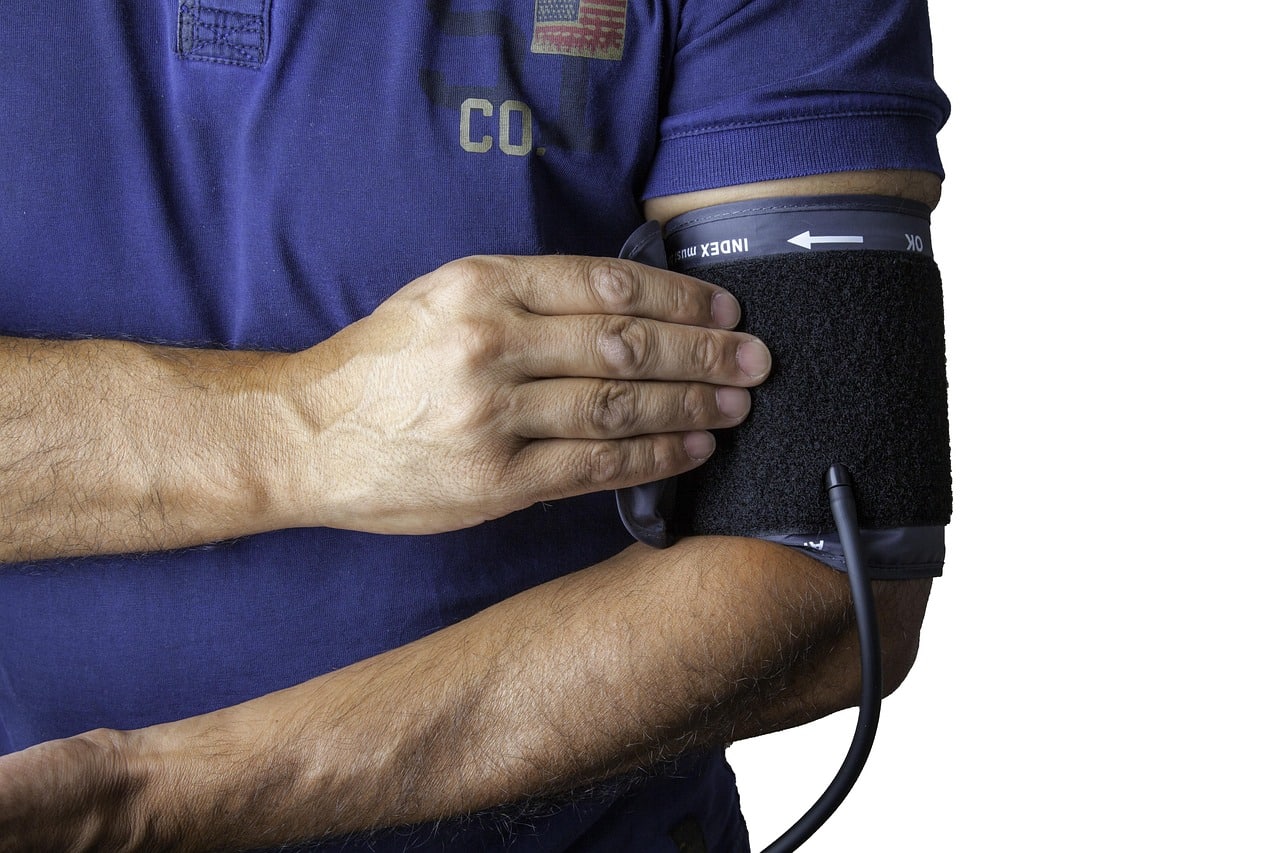
Modern technology has transformed how we track and manage cardiovascular health. Digital blood pressure monitors paired with smartphone applications provide unprecedented insight into your patterns, triggers, and progress over time.
These tools eliminate guesswork by automatically recording your readings, identifying trends, and alerting you to concerning patterns. Visual graphs and reports make it easy to share comprehensive data with your healthcare provider, enabling more informed treatment decisions.

Advanced applications now offer features like medication reminders, lifestyle logging, and personalized recommendations based on your unique readings. This integration creates a complete picture of your cardiovascular health, revealing connections between behaviors and blood pressure responses.
Choosing the Right Monitoring Tools
When selecting a blood pressure monitor, look for devices validated by medical organizations like the American Heart Association. Automatic upper-arm cuffs generally provide more accurate readings than wrist monitors, though both can be effective when used properly.
Ensure the cuff size matches your arm circumference—an ill-fitting cuff produces inaccurate results. Most quality monitors come with multiple cuff sizes or adjustable designs. Bluetooth connectivity allows seamless data transfer to your smartphone app, eliminating manual entry errors.
Lifestyle Modifications That Actually Work 🥗
Medication plays an important role for many people, but lifestyle changes form the cornerstone of blood pressure control. Research consistently shows that dietary adjustments, physical activity, and stress management can reduce readings by 10-20 mmHg or more.
The DASH Diet Advantage
Dietary Approaches to Stop Hypertension (DASH) emphasizes fruits, vegetables, whole grains, lean proteins, and low-fat dairy while limiting sodium, saturated fat, and added sugars. This eating pattern has proven remarkably effective at lowering blood pressure naturally.
Key principles include consuming potassium-rich foods like bananas, sweet potatoes, and spinach, which help counteract sodium’s effects. Magnesium from nuts, seeds, and legumes supports healthy blood vessel function. Calcium from dairy or fortified alternatives contributes to optimal cardiovascular performance.
Reducing sodium intake to less than 2,300 mg daily (ideally 1,500 mg for those with hypertension) produces significant benefits. Read nutrition labels carefully, as processed foods contain hidden sodium. Cooking at home with herbs and spices instead of salt transforms meals without sacrificing flavor.
Exercise: Your Heart’s Best Friend 💪
Regular physical activity strengthens your heart, allowing it to pump more efficiently with less effort. This reduced workload directly translates to lower blood pressure. Aim for at least 150 minutes of moderate aerobic activity weekly, such as brisk walking, swimming, or cycling.
Resistance training complements cardio by building muscle mass and improving metabolic health. Even activities like gardening, dancing, or playing with children contribute to your weekly movement goals. The key is consistency—sporadic intense workouts provide fewer benefits than regular moderate activity.
Start gradually if you’re currently sedentary. A 10-minute walk after meals can jumpstart your routine. As your fitness improves, progressively increase duration and intensity. Always consult your doctor before beginning a new exercise program, especially if your blood pressure is significantly elevated.
Stress Management: The Missing Piece 🧘
Chronic stress triggers hormonal responses that constrict blood vessels and increase heart rate. While short-term stress responses are normal, prolonged activation of your body’s stress systems damages cardiovascular health over time.
Mindfulness meditation has demonstrated impressive blood pressure-lowering effects in clinical studies. Just 10-15 minutes daily of focused breathing or guided meditation can recalibrate your nervous system’s response to stressors. Apps and online resources make starting a meditation practice easier than ever.
Deep breathing exercises provide immediate relief during stressful moments. Try the 4-7-8 technique: inhale for 4 counts, hold for 7, exhale for 8. This pattern activates your parasympathetic nervous system, promoting relaxation and temporarily reducing blood pressure.
Sleep Quality Matters More Than You Think
Poor sleep disrupts hormones that regulate blood pressure. Adults who consistently sleep less than 6 hours nightly face significantly higher hypertension risk. During deep sleep, your blood pressure naturally decreases—a phenomenon called “nocturnal dipping” that’s essential for cardiovascular recovery.
Establish a consistent sleep schedule by going to bed and waking at the same times daily, even on weekends. Create a cool, dark, quiet bedroom environment. Limit screen time before bed, as blue light interferes with melatonin production. Address sleep disorders like sleep apnea, which dramatically elevates blood pressure and cardiovascular risk.
The Weight Connection: Small Changes, Big Impact 📉
Excess body weight forces your heart to work harder, increasing pressure on arterial walls. Losing just 5-10% of your body weight can produce meaningful blood pressure reductions. Every pound lost decreases systolic pressure by approximately 1 mmHg.
Focus on sustainable changes rather than crash diets. Gradual weight loss through balanced eating and regular activity proves more effective long-term than extreme restrictions. Pay attention to portion sizes, eat slowly to recognize fullness signals, and prioritize whole foods over processed alternatives.
Waist circumference matters as much as overall weight. Abdominal fat particularly affects cardiovascular health. Men should aim for a waist measurement below 40 inches; women below 35 inches. This visceral fat produces inflammatory compounds that contribute to hypertension and metabolic dysfunction.
Substances to Limit or Avoid ⚠️
Alcohol’s Double-Edged Sword
Moderate alcohol consumption may offer cardiovascular benefits, but excessive drinking definitively raises blood pressure. Limit intake to no more than one drink daily for women, two for men. Binge drinking causes acute blood pressure spikes and long-term vascular damage.
If you currently don’t drink, don’t start for perceived health benefits. The risks typically outweigh potential advantages. For those who do enjoy alcohol, red wine contains resveratrol and other compounds with possible cardiovascular benefits, though these same compounds exist in grape juice and red/purple produce.
Caffeine Considerations
Caffeine causes temporary blood pressure increases, though regular consumers often develop tolerance. If you’re sensitive to caffeine’s effects, limit intake or switch to decaffeinated beverages. Monitor your individual response by checking blood pressure before and 30-60 minutes after caffeine consumption.
Energy drinks deserve special caution due to their high caffeine content combined with sugar and other stimulants. These beverages can cause dangerous blood pressure spikes, particularly in younger individuals.
Smoking: The Unequivocal Risk
Tobacco use immediately raises blood pressure and heart rate while damaging blood vessel linings. Each cigarette causes a temporary spike that lasts for minutes. Long-term smoking accelerates arterial hardening and significantly increases heart attack and stroke risk.
Quitting smoking provides immediate cardiovascular benefits. Within 20 minutes of your last cigarette, heart rate and blood pressure begin dropping. After one year, your heart disease risk falls to half that of a continuing smoker. Resources like nicotine replacement therapy, prescription medications, and support groups dramatically improve quit success rates.
Medication Management When Lifestyle Isn’t Enough 💊
Sometimes lifestyle modifications alone can’t achieve target blood pressure levels. Various medication classes work through different mechanisms—diuretics reduce fluid volume, ACE inhibitors relax blood vessels, beta-blockers slow heart rate, and calcium channel blockers prevent arterial constriction.
Never adjust or discontinue blood pressure medication without consulting your doctor. Suddenly stopping certain medications can cause dangerous rebound hypertension. If you experience side effects, discuss alternatives with your healthcare provider rather than simply stopping treatment.
Take medications consistently at the same time daily. Use pill organizers or smartphone reminders to establish routines. Many people require multiple medications to achieve optimal control—this doesn’t indicate failure but rather reflects hypertension’s complex nature.
Creating Your Personal Action Plan 📋
Taking total control of your blood pressure requires a comprehensive, personalized approach. Begin by establishing baseline measurements through consistent home monitoring. Check readings at the same times daily, typically morning and evening, following proper technique.
Identify one or two lifestyle areas to address first rather than attempting everything simultaneously. Perhaps you’ll start by reducing sodium intake while adding a daily 20-minute walk. After these habits solidify, tackle additional modifications like stress management or sleep improvement.
Document your journey beyond just numbers. Note how you feel, energy levels, and quality of life improvements. These subjective markers often motivate continued effort even when numerical changes occur gradually. Share your complete tracking data with your healthcare team during appointments.
Building Your Support System
Enlist family and friends in your efforts. When household members adopt heart-healthy eating together, everyone benefits and adherence becomes easier. Join walking groups, fitness classes, or online communities focused on cardiovascular wellness.
Schedule regular appointments with your doctor to review progress and adjust strategies. Consider working with a dietitian for personalized nutrition guidance or a certified fitness trainer for safe, effective exercise programming. These investments in professional support often pay substantial dividends.
Recognizing When to Seek Immediate Help 🚨
While gradual blood pressure reduction is generally safe, certain situations require emergency attention. Seek immediate medical care if your systolic pressure exceeds 180 or diastolic surpasses 120, especially when accompanied by symptoms like severe headache, chest pain, shortness of breath, vision changes, or confusion.
This hypertensive crisis can rapidly damage organs and requires urgent intervention. Even without symptoms, extremely elevated readings warrant same-day medical evaluation. Don’t wait to see if numbers improve on their own.
Long-Term Success: Making Control Permanent ✨
Achieving healthy blood pressure represents just the beginning—maintaining control requires ongoing commitment. View the process as lifestyle evolution rather than temporary restriction. The habits you build become your new normal, protecting not just your cardiovascular system but your overall health and longevity.
Celebrate milestones along the way. When you reach target blood pressure, maintain medication-free control for extended periods, or achieve fitness goals, acknowledge these victories. They demonstrate your capability and reinforce positive behaviors.
Understand that occasional setbacks are normal. Holiday indulgences, stressful periods, or temporary lapses in exercise routines happen to everyone. What matters is returning to healthy habits rather than allowing brief detours to become permanent departures.
Regular monitoring remains essential even after achieving control. Blood pressure can change over time due to aging, new medications, or health conditions. Continued tracking allows early detection of creeping increases before they become problematic.
Stay informed about new research and strategies. Cardiovascular science continually evolves, offering improved understanding and innovative approaches. Discuss emerging findings with your healthcare provider to determine if new recommendations apply to your situation.
Empowering Yourself Through Knowledge and Action 🌟
Total control of your blood pressure isn’t about perfection—it’s about consistent, informed choices that collectively transform your cardiovascular health. Every healthy meal, workout session, stress management practice, and recorded measurement contributes to your larger goal of a longer, healthier life.
The technology available today makes monitoring easier and more insightful than ever before. Combined with evidence-based lifestyle strategies and appropriate medical care when needed, you possess everything necessary to take complete control of your blood pressure.
Your heart beats approximately 100,000 times daily, pumping blood through 60,000 miles of vessels. Honoring this remarkable system through conscious health choices represents one of the most valuable investments you can make. The benefits extend beyond blood pressure numbers to encompass energy, mental clarity, physical capability, and the freedom to fully engage with life.
Start today with a single positive choice. Check your blood pressure, take a walk, prepare a nutritious meal, or practice five minutes of deep breathing. These small actions, repeated consistently, create the foundation for total blood pressure control and vibrant cardiovascular health for years to come.

Toni Santos is a visionary artisan and conceptual designer who channels the beauty of living organisms into structural expression. At Zureste, Toni explores the intricate elegance of insect anatomy, organic flow, and bioinspired design to create art that feels both natural and otherworldly.
Each creation Toni brings to life reflects a harmonic tension between structure and softness, wildness and control — echoing the complex intelligence found in the natural world. From beetle-like silhouettes to root-shaped contours, his work blurs the lines between biology, sculpture, and modern art.
Guided by fascination for metamorphosis, evolution, and pattern in nature, Toni’s pieces embody transformation. His BioLight Collection and conceptual series like Insect Type and Structure Aesthetics offer viewers more than aesthetic value — they present immersive experiences of living design.
As the creative force behind Zureste, Toni invites us to rethink beauty, architecture, and identity through a new lens — one shaped by wings, bones, spirals, and the microscopic poetry of the organic.
His creations reflect:
-
Design deeply rooted in the geometry of life
-
Inspiration from insects, roots, and the unseen natural order
-
A blend of science, spirituality, and visual storytelling
Whether you’re a lover of strange beauty, an admirer of evolution’s artistry, or a creative mind seeking something different, Toni welcomes you into a world where living forms become meaning, and surreal becomes sublime.