
Anúncios
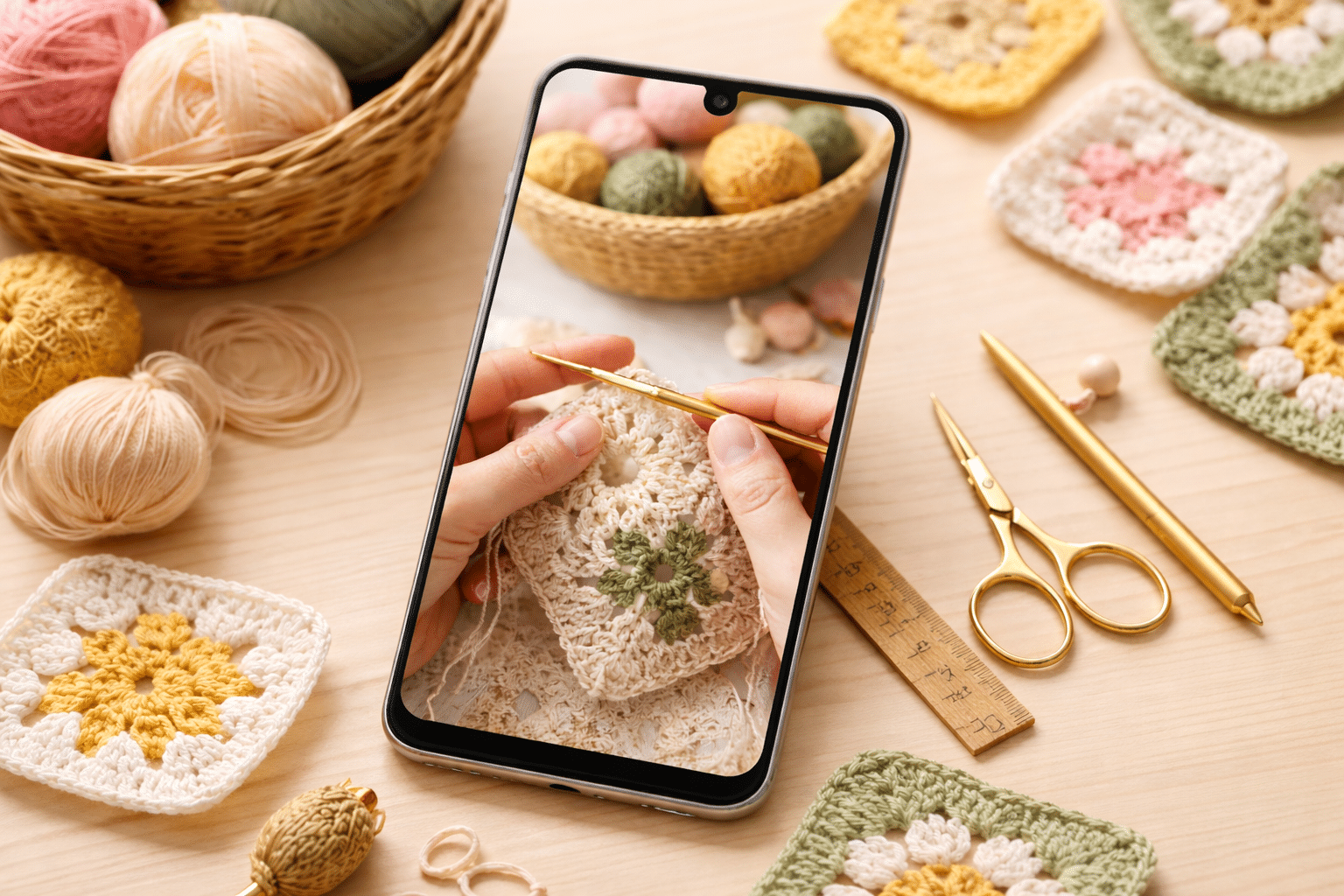
Crochet is more than just a craft—it’s a timeless art form that combines creativity, relaxation, and skill-building into one rewarding hobby. ✨


Whether you’re looking to make cozy blankets, stylish accessories, or adorable amigurumi toys, learning crochet from scratch opens up a world of endless possibilities. The beauty of this craft lies in its accessibility—anyone can learn, regardless of age or artistic background.
Anúncios
This comprehensive guide will walk you through everything you need to know about crochet, from holding your first hook to mastering advanced techniques. Get ready to transform yarn into beautiful creations with patience, practice, and a few essential tips. 🧶
Why Learning Crochet Is Worth Your Time
Crochet offers numerous benefits beyond creating beautiful handmade items. Engaging in this craft provides mental health benefits, including stress relief and improved focus. The repetitive motions create a meditative state that many find calming and therapeutic.
Anúncios
From a practical standpoint, crochet allows you to create personalized gifts, home décor, and wearable items at a fraction of retail costs. You’ll also join a vibrant global community of crafters who share patterns, inspiration, and support through online forums and local groups.
Additionally, crochet enhances hand-eye coordination and fine motor skills while giving you a productive way to spend downtime. Instead of mindlessly scrolling through social media, you’ll have something tangible and beautiful to show for your time.
Essential Supplies Every Beginner Needs
Starting your crochet journey doesn’t require a huge investment. The basic supplies are affordable and widely available at craft stores or online retailers.
The Must-Have Tools
Your fundamental toolkit should include crochet hooks in various sizes, yarn in different weights and colors, a pair of sharp scissors, a yarn needle for weaving in ends, and stitch markers to keep track of your progress.
Crochet hooks come in materials like aluminum, bamboo, plastic, and ergonomic designs. Beginners often find medium-weight yarn (worsted weight) and a size H/8 (5mm) hook easiest to work with initially.
Consider purchasing a small measuring tape and a pattern book or downloading free patterns online. Many mobile apps now offer step-by-step instructions with video tutorials that make learning even more accessible.
Understanding Yarn Types and Weights
Yarn weight significantly impacts your finished project’s appearance and texture. The Craft Yarn Council standardizes yarn weights from 0 (lace) to 7 (jumbo), with each category suited for different projects.
Acrylic yarn is budget-friendly, easy to care for, and perfect for beginners. Cotton yarn works beautifully for dishcloths, summer garments, and baby items. Wool provides warmth and elasticity, ideal for winter accessories and blankets.
Pay attention to the yarn label, which includes vital information about fiber content, care instructions, recommended hook size, and yardage. This information helps you choose appropriate materials for your projects.
Mastering the Fundamental Stitches
Every crochet project builds upon a foundation of basic stitches. Once you master these core techniques, you’ll be able to read patterns and create countless designs.
The Slip Knot and Foundation Chain
Your crochet journey begins with the slip knot—the starting point for virtually every project. Create a loop with your yarn, pull the working yarn through, and tighten it on your hook. This simple technique anchors your work.
The foundation chain (abbreviated as “ch” in patterns) forms the base row of most projects. Yarn over your hook, pull through the loop, and repeat until you reach the desired number of chains. Keep tension consistent but not too tight.
Practice making chains until they look uniform in size. Many beginners struggle with tension initially, but muscle memory develops quickly with repetition.
Single Crochet: Your Building Block Stitch
Single crochet (sc) creates a dense, sturdy fabric perfect for amigurumi, bags, and dishcloths. Insert your hook into the designated stitch, yarn over, pull through (two loops on hook), yarn over again, and pull through both loops.
This stitch appears short and tight compared to taller stitches. It’s excellent for beginners because it’s simple to execute and easy to count, helping you track your progress accurately.
When working in rows, remember to chain one at the beginning of each row and turn your work. This turning chain doesn’t count as a stitch in single crochet.
Double Crochet: Adding Height and Texture
Double crochet (dc) works up faster than single crochet and creates a more open, flexible fabric. Yarn over before inserting your hook, pull through, yarn over and pull through two loops, yarn over again and pull through the remaining two loops.
This stitch is approximately twice the height of single crochet and commonly appears in blankets, scarves, and garments. The turning chain for double crochet is typically three chains, which often counts as the first stitch.
Understanding when the turning chain counts as a stitch versus when it doesn’t can confuse beginners, but pattern instructions always specify this important detail.

Half Double Crochet: The Perfect Middle Ground
Half double crochet (hdc) bridges the gap between single and double crochet in both height and texture. Yarn over, insert hook, pull through, then yarn over and pull through all three loops at once.
This versatile stitch creates a fabric with nice drape that’s neither too dense nor too open. It’s particularly popular for blankets, hats, and cowls where you want softness with structure.
The turning chain for half double crochet is typically two chains. Practice this stitch to expand your repertoire and give yourself more pattern options.
Reading Crochet Patterns Like a Pro
Crochet patterns use standardized abbreviations and symbols that might seem like a foreign language initially. Learning to decode these instructions is essential for following patterns successfully.
Understanding Abbreviations and Symbols
Common abbreviations include ch (chain), sc (single crochet), dc (double crochet), hdc (half double crochet), sl st (slip stitch), inc (increase), and dec (decrease). Patterns also use asterisks (*) and parentheses to indicate repetitions.
When you see “rep from * to end,” you’ll repeat everything after the asterisk until you reach the end of the row or round. Parentheses show groups of stitches worked into the same space.
Most patterns include a key or legend explaining abbreviations used. Keep this reference handy while working, and over time these abbreviations will become second nature.
Gauge: Why It Matters More Than You Think
Gauge refers to the number of stitches and rows per inch in your crochet work. When patterns specify gauge, they’re ensuring your finished item matches the intended dimensions.
For items where size matters—like garments and fitted accessories—working a gauge swatch saves frustration later. If your gauge is too tight, try a larger hook; if too loose, size down.
For decorative items where exact sizing isn’t critical, gauge is less important. However, consistent tension throughout your project ensures professional-looking results regardless of the specific item.
Intermediate Techniques to Elevate Your Skills
Once you’re comfortable with basic stitches, intermediate techniques add dimension, texture, and complexity to your projects. These skills transform simple designs into impressive creations. 🌟
Working in the Round
Many projects—including hats, baskets, and amigurumi—are worked in continuous rounds or joined rounds rather than back-and-forth rows. This technique creates seamless tubular or flat circular pieces.
To work in the round, start with a magic ring (also called magic circle) or a foundation chain joined into a ring. Place a stitch marker at the beginning of each round to track your starting point.
Continuous rounds spiral upward without joining, creating an invisible seam. Joined rounds end with a slip stitch to the first stitch, creating a visible seam but allowing for easier pattern placement.
Increasing and Decreasing
Shaping your crochet work requires increasing (adding stitches) and decreasing (removing stitches). These techniques create curves, tapers, and dimension in your projects.
To increase, simply work two or more stitches into the same stitch from the previous row. To decrease, work multiple stitches together, combining them into a single stitch.
The specific decrease method depends on the stitch type. For single crochet, insert hook into first stitch, yarn over and pull through, insert into next stitch, yarn over and pull through, yarn over and pull through all three loops.
Changing Colors Seamlessly
Color changes add visual interest and enable you to create stripes, color blocks, and intricate designs. The key is making transitions clean and neat without visible gaps or knots.
Change colors on the final yarn over of the last stitch in the old color. Complete the stitch with the new color, leaving a tail to weave in later. This technique works for any stitch type.
When working stripes, carry the unused color up the side of your work if you’ll use it again soon. For colors used infrequently, cut the yarn and rejoin when needed.
Advanced Techniques for Experienced Crocheters
Advanced crochet techniques challenge your skills and allow you to create heirloom-quality pieces with intricate details and sophisticated construction methods.
Mastering Complex Stitch Patterns
Advanced stitches like popcorn stitches, puff stitches, bobbles, clusters, and shells create dramatic texture and visual interest. These decorative elements turn simple projects into showstoppers.
Popcorn stitches involve working multiple complete stitches into one space, removing your hook, inserting it elsewhere, and pulling the first loop through to create a raised cluster.
Puff stitches use multiple half-completed stitches pulled together, creating a softer, more rounded texture than popcorn stitches. These techniques appear frequently in blankets, pillows, and statement garments.
Tapestry Crochet and Colorwork
Tapestry crochet involves carrying multiple yarn colors throughout your work, creating intricate geometric patterns and detailed images. This technique produces a thick, double-layered fabric perfect for bags and home décor.
Unlike simple stripes, tapestry crochet requires changing colors mid-row while maintaining even tension on carried yarns. Following graph patterns rather than written instructions works best for complex designs.
Practice tension control to prevent puckering or loose stitches. The carried yarn should remain snug against the back of your work without pulling the fabric too tight.
Broomstick Lace and Hairpin Lace
These specialized techniques create delicate, lacy fabrics with distinctive looks. Broomstick lace uses a large dowel or thick knitting needle to pull up elongated loops that are later worked together in groups.
Hairpin lace employs a U-shaped frame with adjustable width. You work loops around the frame, creating strips of lace that can be joined together for shawls, scarves, and lightweight garments.
Both techniques require patience and practice but produce stunning results that look far more complicated than they actually are.
Troubleshooting Common Beginner Mistakes
Every crocheter encounters challenges while learning. Understanding common mistakes and their solutions accelerates your progress and reduces frustration.
Fixing Uneven Tension
Inconsistent tension creates fabric with irregular stitches—some loose, others tight. This common beginner issue improves naturally with practice as your hands develop muscle memory.
Pay attention to how you hold your yarn and hook. Most crocheters wrap yarn around their pinky finger and over their index finger to control tension. Experiment with different holds to find what feels comfortable.
If your work consistently appears too tight or too loose, adjust your hook size rather than fighting your natural tension. There’s no “wrong” tension—just different gauges requiring different tools.
Preventing the Dreaded Curl
Single crochet projects often curl at the edges, especially in the beginning rows. This happens because the stitch structure naturally wants to curve.
Blocking your finished piece often resolves curling. Wet or steam block your item into shape, pin it flat, and let it dry completely. Many projects stay flat after proper blocking.
Alternatively, add a border in a different stitch that balances the curl, or switch to a stitch pattern with more drape, like half double or double crochet.
Identifying and Correcting Mistakes
Mistakes happen to everyone. Learning to spot errors early saves time and frustration. Count your stitches regularly, especially when learning a new pattern.
If you discover a mistake several rows back, don’t panic. You can carefully unravel your work back to the error—a process called “frogging” because you “rip it, rip it” (sounds like a frog!).
For minor mistakes that don’t affect the overall appearance or structure, sometimes it’s perfectly acceptable to continue without correction. Perfection isn’t always necessary for a beautiful finished piece.
Project Ideas for Every Skill Level
Choosing appropriate projects for your skill level builds confidence and keeps you motivated. Start simple and gradually tackle more challenging pieces as your abilities grow.
Perfect Beginner Projects
Dishcloths and washcloths make excellent first projects. They work up quickly, require minimal yarn, and don’t need perfect tension to be functional. Plus, you’ll use them daily, reminding yourself of your accomplishment.
Simple scarves using basic stitches teach you to maintain consistent width and develop rhythm. Choose a soft, forgiving yarn in a color you love to stay motivated through the learning curve.
Coasters and small blanket squares are manageable projects that teach fundamental skills without overwhelming time commitments. These squares can later be joined into larger projects like blankets or bags.
Intermediate Project Challenges
Once you’re comfortable with basic stitches, try making hats, headbands, or simple bags. These projects introduce working in the round and basic shaping while remaining relatively quick to complete.
Baby blankets offer a satisfying challenge without the time investment of full-size blankets. They’re perfect for practicing new stitch patterns and color combinations in a manageable format.
Amigurumi—small stuffed animals or characters—teach increasing, decreasing, color changes, and assembly skills. These adorable projects make wonderful gifts and allow for creative expression.
Advanced Project Aspirations
Wearable garments like sweaters, cardigans, and dresses require advanced skills including reading complex patterns, taking accurate measurements, and understanding garment construction principles.
Intricate blankets featuring multiple stitch patterns, complex colorwork, or detailed motifs showcase your mastery. These heirloom pieces become treasured possessions passed through generations.
Delicate shawls and wraps using fine yarn and lace patterns demonstrate technical proficiency and patience. These elegant accessories elevate any outfit and display the true artistry of crochet.
Building Your Crochet Community
Connecting with other crocheters enriches your creative journey through shared knowledge, inspiration, and encouragement. The global crochet community welcomes crafters of all skill levels warmly. 🤗
Online Resources and Social Media
YouTube hosts thousands of free crochet tutorials for every skill level and project type. Video instruction clarifies techniques that written patterns struggle to explain, making learning more accessible.
Instagram and Pinterest provide endless inspiration through hashtags like #crochetersofinstagram, #moderncrochet, and #crochetpattern. Follow designers whose aesthetic resonates with you for regular creative fuel.
Ravelry, a free online community for fiber artists, offers pattern databases, forums, project journals, and yarn databases. This comprehensive resource connects millions of crafters worldwide.
Local Crochet Groups and Classes
Many yarn shops host regular crochet circles where crafters gather to work on projects, share techniques, and socialize. These gatherings provide hands-on help for troubleshooting and learning new skills.
Community centers, libraries, and craft stores often offer beginner crochet classes. In-person instruction accelerates learning through immediate feedback and personalized guidance.
Starting or joining a crochet group with friends creates accountability and motivation. Regular meetings keep you engaged with your craft and provide dedicated creative time.
Turning Your Hobby into Something More
Many crocheters eventually wonder if their skills could generate income or contribute to meaningful causes. Numerous opportunities exist for those interested in expanding beyond personal enjoyment.
Selling Your Creations
Online marketplaces like Etsy, at craft fairs, or through social media allow you to sell finished items. Price your work to cover materials, time, and overhead while remaining competitive.
Successful selling requires strong photography, accurate descriptions, excellent customer service, and realistic production timelines. Consider your target market and create items that appeal to specific buyers.
Pattern design offers another income avenue. If you create original designs, write clear instructions, and provide good customer support, selling patterns generates passive income from a single creative effort.
Charitable Crocheting
Donating handmade items to hospitals, shelters, and charitable organizations allows you to use your skills for good. Organizations like Project Linus, Warm Up America, and local charities welcome handmade donations.
Preemie hats for neonatal intensive care units, chemo caps for cancer patients, and prayer shawls for hospice patients provide comfort during difficult times. Your handmade items carry warmth beyond just physical heat.
Many crocheters find deep fulfillment in charitable work, creating with purpose beyond personal enjoyment or profit. This aspect of the craft connects you to your community meaningfully.
Caring for Your Crochet Creations
Proper care ensures your handmade items last for years, maintaining their beauty and functionality. Different fibers require specific care approaches.
Washing and Blocking Techniques
Always check yarn labels for care instructions. Most acrylic items tolerate machine washing and drying, while natural fibers like wool require gentle hand washing and air drying.
Blocking shapes finished pieces to their intended dimensions and evens out stitches. Wet blocking involves soaking the item, gently squeezing out excess water, pinning to measurements, and air drying completely.
Steam blocking uses a steam iron held above (not touching) the fabric to relax fibers. This method works well for items that shouldn’t be fully submerged or for touch-ups between washings.
Storage Solutions
Store finished items clean and completely dry to prevent mildew, moths, and other damage. Fold knitted items rather than hanging to prevent stretching and distortion.
Cedar blocks or lavender sachets naturally repel moths without harsh chemicals. Avoid plastic bags for long-term storage as they trap moisture; use breathable cotton bags or acid-free tissue paper instead.
For work-in-progress storage, project bags keep yarn clean and organized while protecting your work from snagging or tangling. Label bags with pattern details for easy identification when you return to a project.
Continuing Your Crochet Education
The learning never stops in crochet. Even experienced crafters continuously discover new techniques, stitches, and approaches that expand their capabilities and refresh their creativity.
Challenge yourself regularly with projects slightly beyond your current comfort zone. This approach builds skills progressively without overwhelming frustration. Each completed challenging project increases your confidence for the next adventure.
Explore different crochet styles from various cultures and traditions. Tunisian crochet, Irish crochet, freeform crochet, and thread crochet each offer unique aesthetics and technical challenges that broaden your understanding of this versatile craft.
Attend workshops, conferences, or retreats dedicated to fiber arts. These immersive experiences provide intensive learning, networking opportunities, and inspiration that revitalizes your creative practice.
Subscribe to crochet magazines, follow blogs, and invest in quality instructional books. Building a reference library supports your ongoing education and provides inspiration during creative dry spells.
Embracing Your Unique Crochet Journey
Your crochet path is entirely your own. Some crafters prefer quick, simple projects while others thrive on complex challenges. Some love vibrant colors while others gravitate toward neutrals. There’s no wrong way to enjoy this craft.
Don’t compare your progress to others, especially on social media where people share only their best work. Everyone learns at their own pace, and every crocheter produces imperfect pieces throughout their journey.
Celebrate small victories—your first completed row, finishing your first project, mastering a challenging stitch, or simply making time for creativity in a busy schedule. These moments matter more than achieving perfection.
Allow yourself to explore different aspects of crochet. Try various project types, yarn fibers, color combinations, and techniques until you discover what brings you the most joy. Your preferences will likely evolve over time, and that’s perfectly natural.
Most importantly, be patient with yourself. Crochet skills develop through practice and repetition. What feels awkward and difficult now will become smooth and automatic with time. Trust the process, enjoy the journey, and remember that every expert crocheter once struggled with their very first chain stitch. Your dedication to learning will reward you with a lifetime of creative fulfillment, beautiful handmade items, and the profound satisfaction of crafting something meaningful with your own hands. 🌈✨

Toni Santos is a visionary artisan and conceptual designer who channels the beauty of living organisms into structural expression. At Zureste, Toni explores the intricate elegance of insect anatomy, organic flow, and bioinspired design to create art that feels both natural and otherworldly.
Each creation Toni brings to life reflects a harmonic tension between structure and softness, wildness and control — echoing the complex intelligence found in the natural world. From beetle-like silhouettes to root-shaped contours, his work blurs the lines between biology, sculpture, and modern art.
Guided by fascination for metamorphosis, evolution, and pattern in nature, Toni’s pieces embody transformation. His BioLight Collection and conceptual series like Insect Type and Structure Aesthetics offer viewers more than aesthetic value — they present immersive experiences of living design.
As the creative force behind Zureste, Toni invites us to rethink beauty, architecture, and identity through a new lens — one shaped by wings, bones, spirals, and the microscopic poetry of the organic.
His creations reflect:
-
Design deeply rooted in the geometry of life
-
Inspiration from insects, roots, and the unseen natural order
-
A blend of science, spirituality, and visual storytelling
Whether you’re a lover of strange beauty, an admirer of evolution’s artistry, or a creative mind seeking something different, Toni welcomes you into a world where living forms become meaning, and surreal becomes sublime.