
Anúncios
# HTML Article: Watch Classic Western Movies – Where the Shootout Never Stops
Step into a world where cowboys ruled the plains, justice was served at high noon, and legends were born under the blazing sun of the Wild West.
Anúncios


The golden age of Western cinema brought us unforgettable characters, epic duels, and stories that defined what it meant to be courageous, honorable, and resilient. These classics aren’t just movies—they’re cultural treasures that continue to captivate audiences across generations.
Whether you’re a longtime fan of the genre or discovering these masterpieces for the first time, classic Western films offer a timeless escape into a world where good and evil clash in dusty frontier towns, and where every sunset could mark the beginning of an epic adventure. 🌵
Anúncios
The Timeless Appeal of Classic Western Cinema
Western films have held a special place in cinema history since the early 20th century. They represent more than just entertainment—they embody the spirit of exploration, independence, and the eternal struggle between law and lawlessness that shaped the American frontier.
What makes these films so enduring is their universal themes. Honor, redemption, courage, and sacrifice transcend cultural boundaries and speak to audiences worldwide. The archetypal lone hero riding into town, facing impossible odds, and standing up for what’s right resonates deeply with our collective imagination.
Classic Westerns also showcase some of the finest filmmaking craftsmanship ever captured on screen. Directors like John Ford, Sergio Leone, and Howard Hawks created visual poetry with sweeping desert landscapes, intimate close-ups during tense standoffs, and iconic silhouettes against crimson sunsets.
The genre’s influence extends far beyond its own boundaries, inspiring countless other films, television shows, and even modern video games. The storytelling techniques, character archetypes, and moral complexities introduced in classic Westerns continue to shape entertainment today.
Legendary Icons Who Defined the Western Genre 🤠
No discussion of classic Westerns would be complete without honoring the legendary actors who brought these unforgettable characters to life. These performers didn’t just play roles—they became synonymous with the very essence of the Western hero.
John Wayne stands as perhaps the most iconic Western star of all time. His commanding presence, distinctive voice, and unwavering portrayal of masculine courage made him the definitive cowboy for millions. Films like “The Searchers,” “True Grit,” and “Stagecoach” showcased his remarkable range and screen magnetism.
Clint Eastwood revolutionized the genre with his “Man with No Name” trilogy directed by Sergio Leone. These spaghetti Westerns introduced a grittier, more morally ambiguous protagonist who operated in shades of gray rather than pure heroism. Eastwood’s squinting stare and minimalist dialogue became instantly iconic.
Gary Cooper brought quiet dignity and moral complexity to his Western roles. His performance in “High Noon” remains one of cinema’s greatest, portraying a marshal abandoned by his town who must face deadly outlaws alone. The film’s real-time tension and Cooper’s nuanced acting elevated the entire genre.
The Leading Ladies of the West
While often overshadowed by their male counterparts, many remarkable actresses left their mark on Western cinema. Grace Kelly brought elegance and strength to “High Noon,” while Maureen O’Hara matched John Wayne’s intensity in several collaborations, proving that frontier women were just as formidable as any gunslinger.
Angie Dickinson’s tough-yet-vulnerable performance in “Rio Bravo” demonstrated that Western heroines could be complex, multidimensional characters. These women weren’t merely damsels in distress—they were survivors, fighters, and essential partners in the struggle for justice.
Must-Watch Classic Western Films That Define the Genre
Certain films stand as essential viewing for anyone interested in understanding Western cinema. These masterpieces set the standard and continue to influence filmmakers today.
“The Good, the Bad and the Ugly” (1966)
Sergio Leone’s epic masterpiece represents the pinnacle of the spaghetti Western movement. Following three gunslingers searching for buried Confederate gold during the Civil War, the film combines stunning cinematography, Ennio Morricone’s unforgettable score, and tension-filled sequences that stretch time itself.
The final three-way duel remains one of cinema’s most celebrated sequences. Leone’s use of extreme close-ups intercut with wide landscape shots created a visual language that has been imitated countless times but never equaled.
“High Noon” (1952)
This psychological Western unfolds in real time as Marshal Will Kane awaits the arrival of a vengeful outlaw and his gang. Abandoned by his townspeople and newly married wife, Kane must decide whether to flee or face certain death alone.
The film’s stripped-down approach, focusing on moral courage rather than action spectacle, influenced generations of filmmakers. Its themes of institutional cowardice and individual responsibility remain powerfully relevant.

“The Searchers” (1956)
John Ford’s complex exploration of obsession, racism, and redemption follows Ethan Edwards on a years-long quest to rescue his niece from Comanche captors. John Wayne delivers perhaps his finest performance as a deeply flawed protagonist driven by both love and hatred.
The film’s stunning Monument Valley locations, sophisticated examination of American mythology, and ambiguous moral center make it essential viewing. Many critics consider it the greatest Western ever made.
“Once Upon a Time in the West” (1968)
Leone’s operatic masterpiece opens with one of cinema’s greatest sequences: a fifteen-minute wordless waiting scene at a train station. The film follows multiple characters caught in a web of revenge, ambition, and the inevitable arrival of civilization to the frontier.
Henry Fonda’s casting against type as a cold-blooded villain shocked audiences. Combined with Charles Bronson’s mysterious avenger and Claudia Cardinale’s resilient widow, the film creates an unforgettable meditation on the death of the Old West.
The Visual Language of Western Films 🎬
Classic Westerns developed a distinctive visual vocabulary that communicated character, mood, and theme through imagery alone. Understanding this cinematic language enhances appreciation for these films’ artistry.
Wide establishing shots of endless horizons emphasized both the freedom and isolation of frontier life. Characters appeared small against vast landscapes, highlighting the magnitude of their challenges and the indifference of nature to human struggles.
The extreme close-up became synonymous with Leone’s spaghetti Westerns. By focusing intensely on eyes, hands moving toward guns, or sweat dripping down faces, these shots heightened tension and psychological complexity during confrontations.
Silhouettes against bright skies or setting suns created instantly iconic images. This technique transformed characters into mythical figures—larger than life yet mysterious, defined by their actions rather than their features.
Color and Cinematography
Many classic Westerns utilized Technicolor to create vivid, almost painterly images. The saturated reds of desert rock formations, deep blues of Western skies, and golden tones of prairie grasses gave these films a distinctive visual richness.
Directors of photography like Lucien Ballard and William Clothier became masters at capturing the harsh beauty of Western locations. Their work transformed landscapes into characters themselves—sometimes welcoming, often hostile, always magnificent.
The Evolution of Western Storytelling
Western films evolved significantly from the simple morality tales of early cinema to complex psychological dramas that questioned American mythology itself.
Early Westerns presented clear-cut heroes and villains, with white-hatted good guys defeating black-hatted outlaws. These films reinforced traditional values and provided straightforward entertainment during challenging times.
The 1950s brought increased sophistication. Films like “High Noon” and “Shane” introduced moral ambiguity and psychological depth. Heroes faced internal conflicts and made difficult choices without easy answers.
Spaghetti Westerns of the 1960s revolutionized the genre with grittier violence, antiheroes motivated by self-interest, and cynical views of frontier justice. These Italian-made films influenced American Western filmmaking profoundly.
Revisionist Westerns of the late 1960s and 1970s actively questioned the mythology earlier films had created. They portrayed Native Americans more sympathetically, examined the brutal realities of frontier expansion, and deconstructed heroic archetypes.
The Unforgettable Music of the West 🎵
Western film scores created some of cinema’s most recognizable and beloved music. These soundtracks didn’t just accompany the action—they became inseparable from our understanding of the genre itself.
Ennio Morricone’s scores for Leone’s films revolutionized film music. His use of unconventional instruments—electric guitars, harmonicas, whistles, whip cracks—created soundscapes that were simultaneously modern and timeless. The main theme from “The Good, the Bad and the Ugly” remains instantly recognizable worldwide.
Dimitri Tiomkin’s work on films like “High Noon” and “The Alamo” brought orchestral grandeur to Western stories. His theme song “Do Not Forsake Me, Oh My Darlin'” became a hit and established the tradition of Western theme songs.
Elmer Bernstein’s rousing score for “The Magnificent Seven” perfectly captured the heroic spirit of the genre. Its driving rhythms and memorable melodies have been used in countless advertisements, television shows, and cultural references.
Where Classic Westerns Continue to Ride Today
Despite being products of their era, classic Western films remain surprisingly accessible and relevant. Their themes of courage, justice, and moral choice speak to fundamental human experiences that transcend time and place.
Modern streaming platforms have made these classics more available than ever. Restored versions with improved picture and sound quality allow new generations to experience these films as they were meant to be seen.
Film festivals and repertory theaters regularly showcase Western classics on the big screen, where their epic cinematography and sweeping landscapes can be fully appreciated. These theatrical experiences remind us why these films became cultural touchstones.
The influence of classic Westerns extends throughout contemporary cinema. Films as diverse as “Star Wars,” “Mad Max,” and even superhero movies borrow storytelling structures, character archetypes, and visual motifs from Western classics.
Understanding the Historical Context
Appreciating classic Westerns requires understanding both the historical periods they depicted and the eras in which they were made. These films say as much about their production times as they do about the Old West.
The actual American frontier period lasted roughly from the 1860s through the 1890s. However, Western films often compressed this timeline, mixing elements from different decades and presenting a mythologized version rather than strict historical accuracy.
Post-World War II Westerns reflected concerns of their contemporary audiences. Films about defending communities against lawless gangs resonated with viewers worried about social disorder and seeking reassurance about American values.
Cold War anxieties influenced later Westerns, with some films functioning as allegories about totalitarianism, individualism, and the costs of maintaining freedom. The genre provided a safe space to explore controversial contemporary issues through historical settings.
The Art of the Western Duel ⚔️
Few cinematic moments are as iconic as the Western showdown. These confrontations became ritualized sequences that distilled the genre’s themes into pure visual storytelling.
The classic duel followed specific conventions: two opponents facing each other on an empty street, hands hovering near holstered guns, tension building as bystanders clear the area. Time seems to stretch as the camera cuts between focused faces, twitching fingers, and nervous spectators.
Leone elevated these sequences to operatic heights, extending them through extreme close-ups, pregnant pauses, and Morricone’s tension-building scores. His duels became almost abstract examinations of masculinity, honor, and mortality.
Real historical gunfights rarely resembled these cinematic showdowns. Most were chaotic, brief, and often involved multiple participants. The ritualized duel represents mythologized combat—a formalized test of courage and skill that appealed to audiences’ sense of fairness and drama.
Preserving Western Film Heritage
Film preservation organizations work tirelessly to ensure classic Westerns survive for future generations. Many of these films face deterioration, requiring careful restoration using modern digital technology combined with respect for original artistic intentions.
The Criterion Collection, Warner Archive, and other distributors have released beautifully restored editions of Western classics. These releases often include scholarly commentary, historical context, and behind-the-scenes materials that deepen appreciation for these films.
Archives and museums maintain collections of original props, costumes, scripts, and promotional materials from classic Westerns. These artifacts provide invaluable insights into the filmmaking process and the cultural impact these movies had upon release.
Academic study of Western films has grown significantly, with scholars examining the genre’s relationship to American identity, gender roles, race relations, and evolving social values. This scholarship ensures these films are understood within their proper historical and cultural contexts.
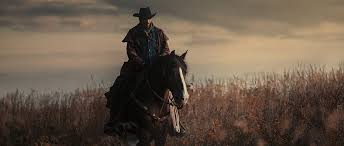
Experience the Legend Yourself
There’s never been a better time to explore classic Western cinema. With restored prints, convenient streaming access, and renewed cultural appreciation, these timeless films await both longtime fans and curious newcomers.
Whether you’re drawn to the mythic grandeur of John Ford’s Monument Valley epics, the operatic intensity of Leone’s spaghetti Westerns, or the psychological complexity of revisionist classics, the genre offers remarkable variety and depth.
These films remind us of cinema’s power to create lasting mythology. They transport us to a time and place that perhaps never truly existed but feels more real than history itself. They celebrate virtues we aspire to while honestly examining flaws we recognize.
The shootout never stops because these stories touch something fundamental in us—the desire for justice, the courage to stand alone when necessary, and the hope that individual integrity matters even in a harsh, indifferent world. Saddle up and discover why classic Westerns continue to captivate audiences generation after generation. The frontier awaits. 🌅

Toni Santos is a visionary artisan and conceptual designer who channels the beauty of living organisms into structural expression. At Zureste, Toni explores the intricate elegance of insect anatomy, organic flow, and bioinspired design to create art that feels both natural and otherworldly.
Each creation Toni brings to life reflects a harmonic tension between structure and softness, wildness and control — echoing the complex intelligence found in the natural world. From beetle-like silhouettes to root-shaped contours, his work blurs the lines between biology, sculpture, and modern art.
Guided by fascination for metamorphosis, evolution, and pattern in nature, Toni’s pieces embody transformation. His BioLight Collection and conceptual series like Insect Type and Structure Aesthetics offer viewers more than aesthetic value — they present immersive experiences of living design.
As the creative force behind Zureste, Toni invites us to rethink beauty, architecture, and identity through a new lens — one shaped by wings, bones, spirals, and the microscopic poetry of the organic.
His creations reflect:
-
Design deeply rooted in the geometry of life
-
Inspiration from insects, roots, and the unseen natural order
-
A blend of science, spirituality, and visual storytelling
Whether you’re a lover of strange beauty, an admirer of evolution’s artistry, or a creative mind seeking something different, Toni welcomes you into a world where living forms become meaning, and surreal becomes sublime.