
Anúncios
Imagine being able to identify any plant instantly just by taking a photo with your smartphone—and even receive personalized care tips to keep it thriving.


Whether you’re a seasoned gardener or someone who just bought their first succulent, plant identification apps have revolutionized how we interact with the green world around us. These powerful tools combine cutting-edge artificial intelligence with extensive botanical databases to turn your phone into a portable botanist.
Anúncios
Gone are the days of flipping through thick plant encyclopedias or wondering if you’re overwatering your monstera. With a simple snap, these apps provide instant identification, detailed care instructions, and even diagnose common plant problems like nutrient deficiencies or watering issues. Let’s explore how these digital gardening companions can transform your plant parenting journey. 🌿
How Plant Identification Apps Actually Work
Plant identification apps leverage sophisticated machine learning algorithms trained on millions of plant images. When you snap a photo of a plant, the app analyzes various visual characteristics—leaf shape, flower structure, color patterns, and growth habits—comparing them against comprehensive botanical databases.
Anúncios
The technology behind these apps has improved dramatically over recent years. Modern identification systems can recognize over 30,000 plant species with accuracy rates exceeding 95% for common plants. The AI continuously learns from user submissions, making the system smarter with each interaction.
Most apps work by isolating the plant from the background, identifying key morphological features, and matching them to known species. Advanced apps also consider geographic location, flowering season, and habitat type to refine their predictions. This multi-layered approach ensures you get reliable results even with challenging photos.
Instant Plant Identification: Just Point and Shoot 📸
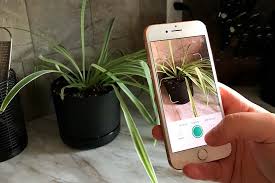
The beauty of plant identification apps lies in their simplicity. You don’t need any botanical knowledge or special photography skills—just point your camera at any plant and capture an image. Within seconds, the app processes your photo and displays the plant’s scientific and common names.
The best apps provide multiple identification options when they’re not 100% certain, allowing you to choose the most accurate match based on additional details. This transparency helps users develop their own plant recognition skills over time.
Many apps also allow you to photograph specific plant parts—flowers, leaves, bark, or fruits—to improve identification accuracy. This flexibility makes them useful whether you’re looking at a full garden specimen or just found an interesting leaf on a hiking trail.
What Makes These Apps So Accurate?
The accuracy of plant identification apps stems from several technological innovations. Deep learning neural networks can detect subtle differences that human eyes might miss. These systems analyze texture, venation patterns, leaf arrangements, and even the way light reflects off surfaces.
User feedback also plays a crucial role in maintaining accuracy. When botanists and experienced gardeners verify identifications, this data feeds back into the system, continuously improving the algorithm’s performance. Community-driven databases ensure that regional plant variations are properly represented.

Comprehensive Plant Care Guidance at Your Fingertips 🌱
Identification is just the beginning. Once your app knows what plant you’re looking at, it becomes your personal plant care consultant. You’ll receive detailed information about watering schedules, sunlight requirements, ideal temperature ranges, and fertilization needs.
These care guides are tailored to each specific species, recognizing that a tropical philodendron has vastly different needs than a desert cactus. The apps provide seasonal care adjustments, helping you adapt your routine as weather conditions change throughout the year.
Many apps also include reminder systems that notify you when it’s time to water, fertilize, or repot your plants. This feature is invaluable for busy plant parents who might otherwise forget their green friends need attention.
Understanding Your Plant’s Water Needs
One of the most common plant care mistakes is improper watering—either too much or too little. Plant identification apps address this by providing precise watering guidelines based on the plant species, pot size, and environmental conditions.
Advanced apps can actually diagnose watering problems by analyzing photos of your plant’s leaves. Yellowing leaves with soft stems often indicate overwatering, while crispy brown edges suggest underwatering. The app examines these visual cues and provides specific recommendations to correct the issue.
Some apps feature moisture level tracking, where you can log when you water your plants and receive alerts when it’s time again. This personalized scheduling prevents the guesswork that often leads to unhealthy plants.
Diagnosing Plant Health Problems 🩺
When your plant starts looking unhappy, these apps become diagnostic tools. Upload a photo of discolored leaves, wilting stems, or unusual spots, and the AI analyzes the symptoms to identify potential problems.
Common issues like fungal infections, pest infestations, nutrient deficiencies, and environmental stress all have distinctive visual signatures. The app’s database includes thousands of plant diseases and conditions, making it possible to identify problems early before they become severe.
Once a problem is identified, the app suggests treatment options ranging from natural remedies to specific products. You’ll receive step-by-step instructions for nursing your plant back to health, including how to adjust watering, lighting, or humidity levels.
Overwatering vs. Underwatering: Telling the Difference
These two common problems can look surprisingly similar at first glance, but plant identification apps help you distinguish between them. Overwatered plants typically show yellowing leaves that feel soft and mushy, with soil that stays wet for extended periods.
Underwatered plants, on the other hand, develop dry, crispy leaves that may curl inward. The soil pulls away from the pot edges and feels hard to the touch. By photographing these symptoms, the app can determine which issue you’re facing and suggest the appropriate remedy.
| Symptom | Overwatering | Underwatering |
|---|---|---|
| Leaf Texture | Soft, mushy, yellow | Dry, crispy, brown edges |
| Soil Condition | Constantly wet, soggy | Dry, pulls from pot edges |
| Root Health | Brown, mushy, rotting | Dry, brittle |
| Growth Pattern | Stunted, wilting despite wet soil | Slow growth, leaf drop |
Building Your Personal Plant Collection Database 🗂️
Most plant identification apps allow you to create a digital garden where you can track all your plants in one place. Each plant gets its own profile with care history, photos tracking growth over time, and personalized reminders.
This feature is particularly helpful for collectors managing multiple plant varieties. You can organize plants by room, outdoor area, or care requirements, making it easier to maintain consistent routines.
The historical tracking feature lets you see how your plants develop over months or years. This visual diary helps you identify what works and what doesn’t, turning you into a more knowledgeable plant caretaker.
Exploring the World of Botany Through Your Camera 🌍
Plant identification apps aren’t just practical tools—they’re educational platforms that deepen your connection with nature. As you identify plants during walks, travels, or visits to botanical gardens, you build botanical knowledge organically.
Many apps include detailed information about each plant’s natural habitat, ecological role, cultural significance, and even edibility. This context transforms casual plant spotting into meaningful learning experiences.
Some apps feature community aspects where users share interesting plant discoveries, ask questions, and exchange gardening tips. This social dimension creates a supportive environment for plant enthusiasts of all experience levels.
Discovering Edible and Medicinal Plants
While you should always exercise extreme caution, some plant identification apps can help you discover edible plants in your environment. They provide information about traditional uses, nutritional content, and preparation methods for safe consumption.
Important safety features include clear warnings about toxic look-alikes and poisonous species. The apps emphasize that foraging should only be done with 100% certainty and proper knowledge, but they can serve as a starting point for further research.
Choosing the Right Plant Identification App for You 🎯
With numerous plant identification apps available, choosing the right one depends on your specific needs. Some apps excel at houseplant care, while others focus on wild plant identification or gardening guidance.
Consider whether you want free basic features or are willing to pay for premium services like unlimited identifications, ad-free experience, and advanced care features. Many apps offer free trials of premium features so you can test before committing.
User interface matters too. The best apps balance comprehensive information with intuitive design, making it easy to quickly identify plants and find care instructions without getting overwhelmed by complexity.
Key Features to Look For
- High identification accuracy: Look for apps with extensive databases covering regional plant varieties
- Plant health diagnosis: The ability to identify diseases, pests, and care problems from photos
- Detailed care guides: Comprehensive information about watering, lighting, fertilizing, and seasonal care
- Reminder systems: Notifications for watering, fertilizing, and other care tasks
- Offline functionality: Some apps work without internet connection for nature hikes
- Community features: Forums or Q&A sections where you can connect with other plant enthusiasts
- Growth tracking: Tools to monitor your plants’ development over time
- Multiple language support: Important for accurate common name translations
The Future of Digital Plant Care 🚀
Plant identification technology continues evolving rapidly. Emerging features include augmented reality visualization showing how plants will look when fully grown, integration with smart home systems for automated watering, and predictive care recommendations based on local weather forecasts.
Some apps are beginning to incorporate environmental sensors that you place in your plant pots, automatically monitoring soil moisture, light levels, and temperature. This data syncs with the app to provide real-time care adjustments.
The social aspects are expanding too, with apps creating virtual gardens where you can showcase your plants, participate in care challenges, and even trade plant cuttings with other enthusiasts in your area.
Transforming Plant Care from Guesswork to Science 🔬
Before plant identification apps, caring for houseplants involved considerable trial and error. You’d buy a plant, follow generic care instructions, and hope for the best. These apps eliminate the uncertainty by providing species-specific, evidence-based care recommendations.
The immediate feedback loop these apps create accelerates learning. When you see a problem, photograph it, receive a diagnosis, apply the solution, and observe the results, you develop genuine expertise much faster than through traditional methods.
For beginners, this guidance builds confidence. You no longer need to fear killing every plant you bring home because you have expert advice literally in your pocket. This accessibility has contributed to the explosion of interest in houseplants among younger generations.
Maximizing Your App’s Potential: Pro Tips 💡
To get the most accurate identifications, photograph plants in natural lighting when possible. Avoid harsh shadows or direct overhead sunlight that can distort colors and obscure details. Including multiple photos from different angles improves accuracy.
When diagnosing problems, photograph the entire plant as well as close-ups of affected areas. This context helps the AI understand whether issues are localized or systemic, leading to more accurate diagnoses.
Take advantage of the tracking features by regularly updating your plants’ profiles. Log watering dates, fertilization, repotting, and any problems you encounter. This history becomes invaluable for understanding patterns and refining your care routine.
Don’t ignore the educational content within these apps. Many include articles, video tutorials, and guides that deepen your botanical knowledge beyond simple identification and care instructions.
Bringing Nature Closer Through Technology 🌿
There’s something deeply satisfying about being able to name the plants around you. Plant identification apps bridge the gap between our increasingly digital lives and the natural world, making botany accessible to everyone regardless of education or background.
These tools empower us to be better stewards of our plant companions. By understanding exactly what each plant needs, we can create healthier indoor environments, more successful gardens, and develop a deeper appreciation for plant diversity.
The convenience of having instant plant expertise in your pocket has democratized plant care, turning millions of people into confident plant parents. Whether you’re rescuing an overwatered succulent or identifying a wildflower on a mountain trail, these apps connect you with the botanical knowledge humans have accumulated over centuries.
As the technology continues improving and databases expand, these apps will only become more powerful and accurate. They represent a perfect fusion of traditional botanical science and cutting-edge artificial intelligence, all designed to help us understand and care for the plants that make our world greener and more beautiful.
So next time you see an unfamiliar plant, don’t just wonder what it is—pull out your phone, take a photo, and let technology reveal nature’s secrets. Your journey to becoming a knowledgeable plant expert starts with a single tap. 🌸

Toni Santos is a visionary artisan and conceptual designer who channels the beauty of living organisms into structural expression. At Zureste, Toni explores the intricate elegance of insect anatomy, organic flow, and bioinspired design to create art that feels both natural and otherworldly.
Each creation Toni brings to life reflects a harmonic tension between structure and softness, wildness and control — echoing the complex intelligence found in the natural world. From beetle-like silhouettes to root-shaped contours, his work blurs the lines between biology, sculpture, and modern art.
Guided by fascination for metamorphosis, evolution, and pattern in nature, Toni’s pieces embody transformation. His BioLight Collection and conceptual series like Insect Type and Structure Aesthetics offer viewers more than aesthetic value — they present immersive experiences of living design.
As the creative force behind Zureste, Toni invites us to rethink beauty, architecture, and identity through a new lens — one shaped by wings, bones, spirals, and the microscopic poetry of the organic.
His creations reflect:
-
Design deeply rooted in the geometry of life
-
Inspiration from insects, roots, and the unseen natural order
-
A blend of science, spirituality, and visual storytelling
Whether you’re a lover of strange beauty, an admirer of evolution’s artistry, or a creative mind seeking something different, Toni welcomes you into a world where living forms become meaning, and surreal becomes sublime.