
Anúncios
If you love outsmarting opponents, calculating risks, and making decisions under pressure, poker might be your perfect game. Strategy isn’t just helpful—it’s essential to winning consistently.


Too many beginners approach poker like pure gambling, relying on luck and hoping for miracle cards. This approach drains chips faster than you can say “all-in.” The truth is, poker rewards players who think strategically, understand probabilities, and read their opponents like open books.
Anúncios
Whether you’re sitting at a kitchen table with friends or competing in online tournaments, mastering poker strategy transforms your game completely. This guide reveals essential tactics that separate chronic losers from consistent winners, giving you the tools to protect your stack and grow it steadily. 🎯
Why Strategic Thinkers Excel at Poker
Poker mirrors real-world decision-making more than any other card game. Every hand presents incomplete information, forcing you to weigh odds, assess risk, and predict opponent behavior—exactly what strategic minds do naturally.
Anúncios
Unlike games of pure chance, poker allows skilled players to profit consistently over time. The cards themselves represent only one factor among many. Position, bet sizing, opponent tendencies, table dynamics, and psychological warfare all contribute equally to long-term success.
Strategic players recognize patterns others miss. They notice when opponents bet aggressively with weak hands or fold too easily to pressure. They calculate pot odds instantly, determining whether calling makes mathematical sense. Most importantly, they adapt their approach based on changing circumstances rather than playing robotically.
The Mental Skills That Transfer Directly
If you enjoy chess, business negotiations, or competitive video games, you already possess valuable poker skills. Pattern recognition helps you identify betting tells and playing styles. Risk assessment lets you balance potential rewards against probable losses. Emotional control prevents tilt—the poker term for making irrational decisions after bad beats.
Patience becomes your greatest ally. Strategic players fold weak hands without hesitation, waiting for profitable opportunities rather than forcing action. This discipline feels boring initially but preserves chips for situations with genuine winning potential.
Understanding Poker Fundamentals Before Strategy
Before implementing advanced tactics, you need solid foundational knowledge. Texas Hold’em remains the most popular variant, so we’ll focus there, though these principles apply broadly across poker formats.
Each player receives two private cards (hole cards), followed by five community cards dealt in stages: the flop (three cards), the turn (one card), and the river (final card). You create the best five-card hand possible using any combination of your hole cards and community cards.
Hand Rankings You Must Memorize
Knowing which hands beat others isn’t optional—it’s absolutely fundamental. From strongest to weakest:
- Royal Flush: A-K-Q-J-10 of the same suit
- Straight Flush: Five consecutive cards of the same suit
- Four of a Kind: Four cards of the same rank
- Full House: Three of a kind plus a pair
- Flush: Five cards of the same suit, not consecutive
- Straight: Five consecutive cards of mixed suits
- Three of a Kind: Three cards of the same rank
- Two Pair: Two different pairs
- One Pair: Two cards of the same rank
- High Card: No matching cards, highest card wins
Memorizing this hierarchy prevents embarrassing mistakes and helps you quickly assess hand strength during play. Confusion about rankings leads to costly errors that strategic thinking can’t overcome.
Starting Hand Selection: Your First Strategic Decision 🃏
Most amateur players lose chips before the flop by playing too many weak hands. Professional players fold approximately 70-80% of starting hands, waiting for situations with positive expected value.
Premium hands like pocket aces, kings, queens, and ace-king suited should almost always see raises. These hands win most frequently and extract maximum value from weaker opponents. Medium pairs (eights through jacks) and suited connectors (cards like 9-10 of hearts) play better in certain positions and situations.

Position Matters More Than Your Cards
Your seat relative to the dealer button dramatically affects hand selection. Playing from “early position” (first to act) requires stronger hands because you lack information about opponent actions. Late position offers tremendous advantages—you see what others do before making decisions.
Hands like suited connectors become profitable in late position but should be folded early. The dealer button (last to act) represents the most powerful position, allowing you to play wider ranges and control pot sizes effectively.
| Position | Recommended Starting Hands | Strategy Adjustment |
|---|---|---|
| Early Position | Premium pairs, AK, AQ suited | Play tight, raise strong hands |
| Middle Position | Add medium pairs, suited aces | Slightly wider range, position-aware |
| Late Position | Suited connectors, any pair, more aces | Aggressive, exploit tight players |
| Blinds | Defend against steals selectively | Play cautiously out of position |
Mastering Bet Sizing for Maximum Impact
How much you bet matters as much as whether you bet. Poor sizing either fails to extract value from weaker hands or chases away potential callers when you want action.
Pre-flop raises typically range from 2.5 to 4 times the big blind, adjusted for position and opponent tendencies. Post-flop bets usually fall between 50-75% of the pot, though specific situations demand different sizes.
Value Betting Versus Bluffing
Value bets aim to get called by worse hands, building pots when you hold strong cards. Size these bets large enough to maximize profit but small enough that opponents make mistakes by calling. Betting three-quarters of the pot on the river with top pair often accomplishes this balance.
Bluffs tell a story of strength when you actually hold nothing. Effective bluffs maintain consistent sizing with your value bets, preventing opponents from detecting patterns. Bluffing too frequently makes you predictable; bluffing too rarely makes you exploitable when you show weakness.
The key ratio suggests bluffing approximately once for every two value bets in most situations. This frequency keeps opponents guessing while ensuring you show down strong hands often enough to get paid when you bet big.
Reading Opponents: The Psychological Edge 🧠
Cards represent only half the game. Understanding opponent tendencies unlocks profitable opportunities that pure mathematics alone can’t reveal.
Tight players fold frequently, playing only premium hands. Against them, you can steal blinds aggressively and fold when they show strength. Loose players enter too many pots with weak holdings, making them ideal targets for value betting when you connect with the board.
Aggressive players bet and raise frequently, applying constant pressure. They’re harder to play against but occasionally overextend with marginal hands, creating opportunities to trap them with strong holdings. Passive players check and call excessively, rarely taking initiative—they lose money steadily to more assertive opponents.
Physical Tells in Live Games
Live poker offers additional information through body language and behavior. Trembling hands often indicate genuine strength, not nervousness. Players who suddenly sit up straight or become very still may have connected strongly with the flop.
Timing tells reveal much about hand strength. Instant calls usually indicate medium-strength hands—strong enough to continue but not worth raising. Long pauses followed by raises often signal weakness trying to appear strong, though experienced players deliberately manipulate timing to deceive.
Breathing patterns, eye movements, and chip handling all provide subtle clues. However, avoid overrelying on physical tells. Betting patterns and fundamental strategy should form your primary decision-making framework.
Pot Odds and Expected Value: The Math Behind Winning
Strategic poker players make mathematically sound decisions consistently. Two concepts dominate this approach: pot odds and expected value.
Pot odds compare the current pot size to the cost of calling. If the pot contains $100 and your opponent bets $20, you’re getting 120-to-20 odds, or 6-to-1. If your chance of completing your draw exceeds roughly 14% (1 in 7), calling shows profit over time.
Calculating Outs and Equity
Outs represent cards that improve your hand to likely winners. With four cards to a flush after the flop, nine remaining suited cards give you nine outs. The turn brings one of those nine roughly 19% of the time (9 outs divided by 47 unseen cards).
The “rule of four and two” provides quick estimates. With two cards to come (on the flop), multiply outs by four for approximate winning percentage. With one card to come (on the turn), multiply by two. Nine outs times four equals 36% equity on the flop—a profitable call against most bet sizes.
Expected value (EV) calculations determine long-term profitability. If calling $20 to win $100 succeeds 25% of the time, your EV equals (0.25 × $100) – (0.75 × $20) = $25 – $15 = +$10. Positive EV decisions accumulate profit over time, even when individual hands lose.
Adapting Your Strategy to Different Game Types
Cash games and tournaments require distinct approaches despite using identical rules. Cash game chips have direct monetary value, allowing flexible, patient play. You can rebuy if you lose your stack, encouraging calculated risks.
Tournaments feature escalating blinds that force action. Survival becomes paramount early, while aggressive chip accumulation matters late. The concept of “ICM” (Independent Chip Model) values tournament chips differently than cash—doubling up doesn’t double your prize equity near the bubble.
Online Versus Live Poker Adjustments
Online poker moves faster, playing more hands per hour and allowing multiple tables simultaneously. Screen names lack physical tells, shifting focus entirely to betting patterns and timing. Many online players use tracking software to analyze opponent statistics—adapting to this data-driven environment proves essential.
Live games proceed slower but offer deeper psychological warfare. Building table image becomes more valuable when opponents remember your previous hands. Social dynamics influence decisions—players often make looser calls against friendly opponents or tighter folds against intimidating presences.
Common Mistakes That Destroy Your Chip Stack 💸
Even strategic players make recurring errors that sabotage profitability. Recognizing these pitfalls helps you avoid costly habits.
Playing on tilt—making emotional decisions after bad beats—destroys more bankrolls than any other factor. When frustration takes over, you call with weak hands, bluff recklessly, and abandon proven strategies. Taking breaks after tough losses prevents tilt from compounding.
Overvaluing single pairs causes massive chip hemorrhaging. Top pair feels strong but loses frequently to two pair, sets, and better kickers. When facing aggression across multiple streets, you must accept that your hand might be second-best and fold accordingly.
Failing to Adjust to Opponents
Playing the same strategy regardless of opponent types leaves money on the table. Against calling stations who never fold, bluffing becomes pointless—value bet relentlessly instead. Against tight players who fold too much, increase bluffing frequency and steal blinds liberally.
Ignoring position costs chips every session. Playing too many hands from early position forces difficult decisions out of position post-flop. Conversely, folding too often from the button wastes your most advantageous seat.
Bankroll Management: Protecting Your Investment
Even perfect strategy can’t overcome variance in the short term. Proper bankroll management ensures that inevitable downswings don’t end your poker journey prematurely.
Cash game players should maintain at least 20-30 buy-ins for their chosen stakes. Playing $1/$2 no-limit requires $4,000-$6,000 in your poker bankroll. This cushion absorbs natural variance without forcing you to play higher stakes than your skill warrants or stop playing entirely.
Tournament players need even larger cushions—typically 50-100 buy-ins—because prize structures create higher variance. Winning tournaments happens infrequently even for skilled players, requiring patience and discipline during dry spells.
Moving Up and Down in Stakes
Advance to higher stakes only when your bankroll and skill support the move. Shot-taking (trying higher games occasionally) works if you drop back down after unsuccessful attempts. Never play stakes that create emotional stress about individual hands—scared money always loses.
Dropping down when your bankroll shrinks shows maturity, not weakness. Rebuilding at lower stakes beats going broke trying to prove yourself at levels you can’t currently beat.
Continuous Improvement: Studying Away from Tables 📚
Winning players treat poker as a skill requiring constant development. Between sessions, reviewing hands, studying training materials, and discussing strategy with skilled players accelerates improvement dramatically.
Hand history reviews reveal patterns in your play—spots where you consistently overvalue hands or miss value betting opportunities. Many online platforms offer built-in hand replayers. For live play, journaling significant hands helps identify leaks in your strategy.
Training sites, poker books, and coaching provide structured learning paths. Classic books like “The Theory of Poker” and “Harrington on Hold’em” remain valuable despite evolving strategies. Modern solvers like PioSOLVER show game-theory-optimal play for complex situations.
Finding Your Poker Community
Discussing hands with other serious players exposes you to different perspectives. Online forums, Discord servers, and local study groups offer this collaboration. Teaching concepts to others reinforces your own understanding while identifying gaps in your knowledge.
Watching high-level players on streaming platforms like Twitch provides insights into thought processes during real-time decisions. Pay attention not just to their actions but to their reasoning—understanding why they make specific plays matters more than mimicking their moves.
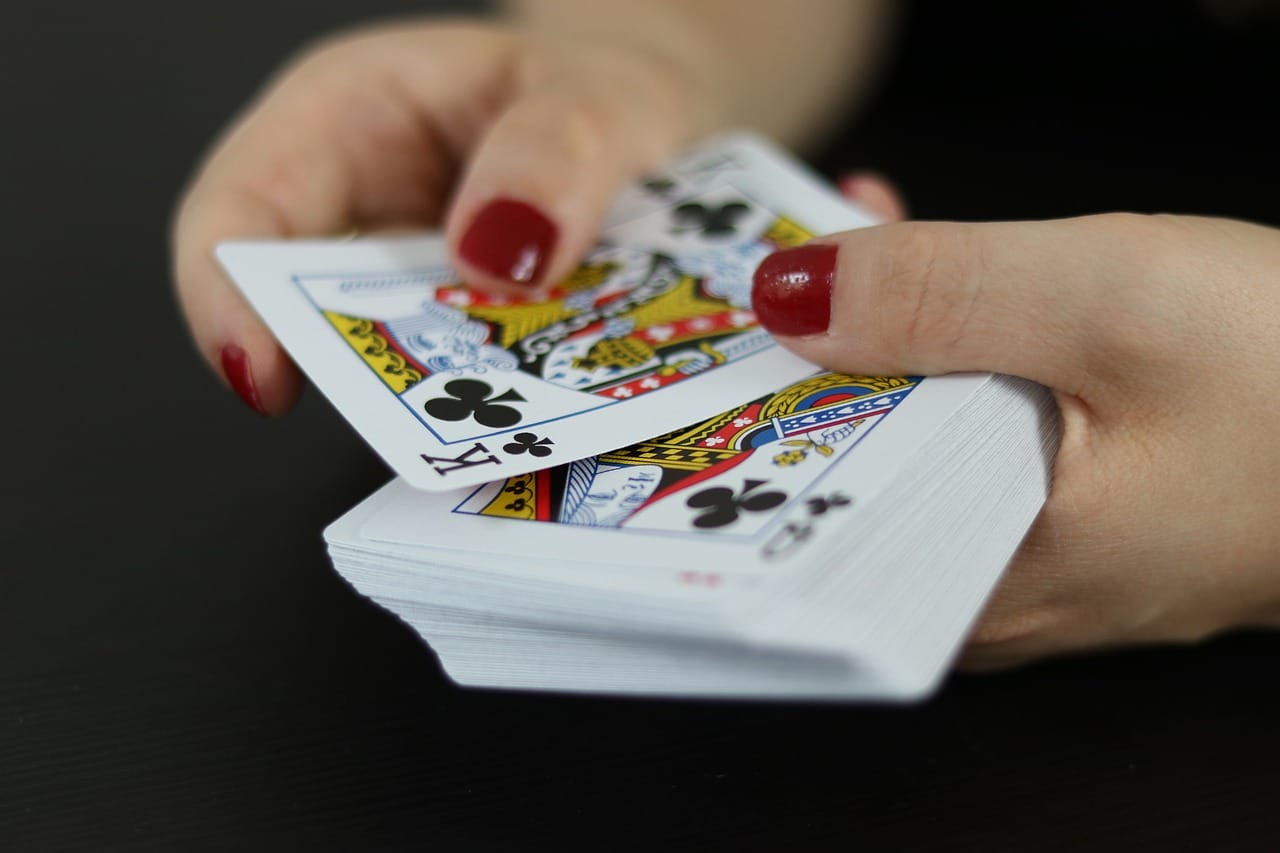
Taking Your First Steps Toward Strategic Poker Success
Every expert started as a beginner who lost chips learning fundamental lessons. Your strategic mindset gives you a significant head start over gamblers hoping for lucky cards.
Begin with low-stakes games that don’t create financial stress. Focus on implementing one or two concepts per session rather than overwhelming yourself with advanced tactics. Play tight-aggressive poker—entering pots with strong hands and betting confidently when you do play.
Track your results honestly, including wins, losses, and the reasoning behind key decisions. This data reveals whether you’re actually profitable or just remembering winning sessions more vividly than losing ones.
Most importantly, enjoy the learning process. Poker combines intellectual challenge, social interaction, and competitive excitement in ways few activities match. Your love of strategy has found its perfect outlet—now it’s time to sit down, protect those chips, and start making decisions that actually make you money. 🎲
The difference between players who quit frustrated and those who become consistent winners often comes down to treating poker as a skill game requiring study and discipline. You already think strategically in other areas of life. Apply that same analytical approach to poker, and you’ll soon wonder why you ever lost chips playing without a plan.

Toni Santos is a visionary artisan and conceptual designer who channels the beauty of living organisms into structural expression. At Zureste, Toni explores the intricate elegance of insect anatomy, organic flow, and bioinspired design to create art that feels both natural and otherworldly.
Each creation Toni brings to life reflects a harmonic tension between structure and softness, wildness and control — echoing the complex intelligence found in the natural world. From beetle-like silhouettes to root-shaped contours, his work blurs the lines between biology, sculpture, and modern art.
Guided by fascination for metamorphosis, evolution, and pattern in nature, Toni’s pieces embody transformation. His BioLight Collection and conceptual series like Insect Type and Structure Aesthetics offer viewers more than aesthetic value — they present immersive experiences of living design.
As the creative force behind Zureste, Toni invites us to rethink beauty, architecture, and identity through a new lens — one shaped by wings, bones, spirals, and the microscopic poetry of the organic.
His creations reflect:
-
Design deeply rooted in the geometry of life
-
Inspiration from insects, roots, and the unseen natural order
-
A blend of science, spirituality, and visual storytelling
Whether you’re a lover of strange beauty, an admirer of evolution’s artistry, or a creative mind seeking something different, Toni welcomes you into a world where living forms become meaning, and surreal becomes sublime.