
Anúncios
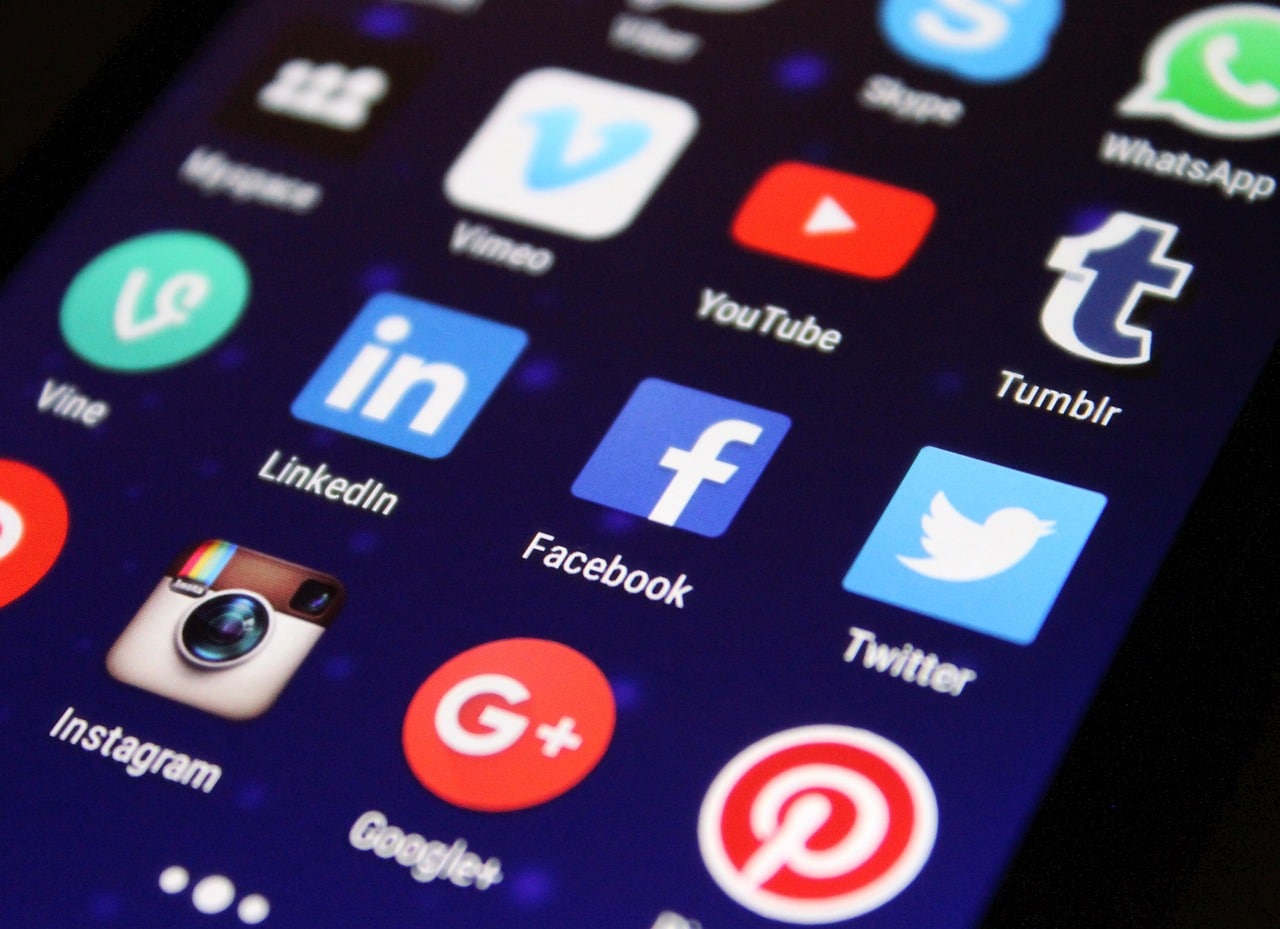
Ever wondered who’s been quietly scrolling through your Instagram feed, checking your Facebook updates, or lurking on your Twitter profile? You’re not alone in this curiosity.


The digital age has transformed how we connect, share, and interact online. But with this transformation comes an undeniable truth: our social media presence leaves digital footprints that others can follow. While social platforms offer various privacy settings, many users remain unaware of who’s actively monitoring their online activities.
Anúncios
Understanding who visits your profiles, who unfollows you, or who screenshots your stories has become more than mere curiosity—it’s about maintaining control over your digital identity. Let’s explore the reality behind social media surveillance and discover practical ways to understand your online audience better.
🔍 The Reality Behind Social Media Visitor Tracking
First, let’s address the elephant in the room: most major social media platforms don’t offer native features that show you exactly who views your profile. This isn’t an oversight—it’s intentional. Privacy policies and user experience considerations prevent platforms like Facebook, Instagram, and Twitter from revealing comprehensive visitor logs.
Anúncios
However, this doesn’t mean you’re completely in the dark. Various legitimate indicators and third-party tools can provide valuable insights about your social media engagement patterns. Understanding what information is actually available versus what’s marketing hype is crucial for managing expectations.
Instagram Stories, for instance, do show you who viewed them within 24 hours. LinkedIn reveals who checked out your professional profile in the past 90 days (depending on your membership level). These built-in features represent the most reliable data you can access directly from platforms.
📱 What Each Platform Actually Reveals About Your Visitors
Instagram Insights and Analytics
Instagram provides several legitimate ways to understand who’s engaging with your content. Business and creator accounts unlock analytics features showing demographics, active hours, and engagement metrics. While you can’t see who specifically visited your profile, you can identify who interacted with your posts and stories.
Story viewers appear in chronological order initially, then shift to show accounts you interact with most frequently. Instagram’s algorithm considers mutual engagement, direct messages, and profile visits when ordering this list. This subtle detail offers clues about who’s most interested in your content.
Third-party applications claiming to show “profile stalkers” often manipulate these existing features without providing genuinely new information. Many simply repackage publicly available engagement data while requesting excessive permissions to your account.
Facebook Privacy and Viewer Information
Facebook maintains strict privacy around profile visitors. The platform doesn’t notify users when someone views their profile, nor does it provide tools to track this information. Any application claiming otherwise violates Facebook’s terms of service and likely represents a security risk.
What Facebook does offer includes post insights showing reach, engagement, and demographic information about who saw your content. Page administrators receive detailed analytics about audience behavior, though individual profile visitors remain anonymous.
Story views on Facebook work similarly to Instagram, showing exactly who watched within the 24-hour window. This remains one of the few concrete ways to identify interested viewers on the platform.
Twitter Analytics and Engagement Tracking
Twitter provides tweet analytics showing impressions, profile visits, mentions, and follower growth. While you can see how many people visited your profile during specific periods, individual visitor identities remain concealed.
The platform emphasizes public engagement metrics—retweets, likes, and replies—as indicators of audience interest. Twitter Analytics offers valuable demographic data about your followers, helping you understand who comprises your audience without identifying individual visitors.

LinkedIn’s Professional Visibility Features
LinkedIn stands out by actually showing profile viewers—but with limitations. Free members see the five most recent visitors, while premium subscribers access the full 90-day history. This transparency aligns with LinkedIn’s professional networking mission, encouraging connections and conversations.
However, users can browse in private mode, hiding their visits from your viewer list. This feature balances curiosity with privacy, allowing professionals to research connections discreetly when needed.
🛡️ Legitimate Tools for Tracking Social Media Engagement
While you can’t identify every profile visitor, legitimate analytics tools help you understand engagement patterns and audience behavior. These applications work within platform guidelines, providing insights without compromising security.
Follower tracking apps show who unfollowed you, who doesn’t follow back, and engagement rates for your content. These metrics reveal which connections actively engage with your posts versus those who passively remain connected.
Popular options include Followers & Unfollowers Analytics, FollowMeter, and Analyzer Plus. These apps require account permissions but operate transparently within platform rules. Always research reviews and privacy policies before granting access to your social accounts.
Native analytics provided by social platforms themselves remain the most trustworthy source. Instagram Insights, Facebook Analytics, Twitter Analytics, and LinkedIn Stats offer comprehensive data without security risks associated with third-party access.
⚠️ Red Flags: Scams and Dangerous Apps to Avoid
The internet overflows with applications promising to reveal “secret profile stalkers” or “hidden visitors.” These claims exploit natural curiosity while potentially compromising your account security and personal information.
Warning signs include apps requesting excessive permissions, requiring payment for basic features supposedly revealing visitor identities, or asking for your account password. Legitimate analytics tools never need your password and clearly explain what permissions they require and why.
Phishing scams often disguise themselves as viewer-tracking services. These fraudulent applications harvest login credentials, personal information, or install malware on your devices. Once compromised, your account might send spam, post unauthorized content, or expose private messages.
Browser extensions claiming to unlock hidden platform features often inject advertisements, track your browsing habits, or steal data. Installing these tools puts not just your social media accounts at risk, but your entire online presence.
🔐 Protecting Your Privacy While Satisfying Curiosity
Balancing curiosity about your visitors with protecting your own privacy requires strategic thinking. Remember that the same tools you use to monitor engagement might be used by others to track your activities.
Adjusting privacy settings on each platform gives you control over who sees your content and how much information appears publicly. Regular privacy audits ensure your settings align with your current comfort level and sharing preferences.
Consider these privacy-enhancing practices:
- Review and limit who can see your posts, stories, and profile information
- Remove location data from photos before posting
- Regularly check which third-party apps have access to your accounts
- Enable two-factor authentication on all social platforms
- Use strong, unique passwords for each social media account
- Be selective about friend and follower requests from unknown accounts
📊 Understanding Engagement Metrics That Actually Matter
Rather than obsessing over individual profile visitors, focus on meaningful engagement metrics that indicate genuine audience interest. These numbers tell more valuable stories about your social media impact than raw visitor counts.
Engagement rate measures how many people interact with your content relative to your total audience. High engagement indicates compelling content that resonates with followers, regardless of who specifically viewed it. This metric helps refine your content strategy for maximum impact.
Reach and impressions show how far your content travels beyond immediate followers. Growing reach suggests your posts appeal to broader audiences, potentially attracting new connections and expanding your influence.
Follower growth rate reveals whether your audience is expanding, stagnating, or declining. Sudden drops might indicate content misalignment, while steady growth confirms you’re attracting and retaining interested viewers.
Save and share rates demonstrate content value. When people bookmark your posts or share them with their networks, they’re signaling that your content provides genuine worth beyond momentary entertainment.
🎯 Smart Strategies for Identifying Interested Followers
Even without direct visitor tracking, observant social media users can identify who’s genuinely interested in their content through behavioral patterns and engagement signals.
Consistent engagement from specific accounts—regular likes, comments, or shares—indicates genuine interest. These active participants represent your core audience, the people most invested in your content and updates.
Story interactions offer particularly strong signals. People who regularly respond to your stories, vote on polls, or answer questions demonstrate active interest beyond passive scrolling.
Direct message patterns reveal interest levels too. Followers who frequently initiate conversations, ask questions about your posts, or share relevant content with you show invested engagement.
Profile visit spikes after posting specific content types suggest particular interests. Analytics showing increased profile views following certain topics help you understand what attracts audience attention.
💡 Building Genuine Connections Instead of Tracking Visitors
The healthiest approach to social media shifts focus from surveillance to authentic connection-building. Rather than worrying about who’s watching, concentrate on creating valuable content that naturally attracts engaged audiences.
Authenticity attracts genuine followers who engage because they genuinely appreciate your content, not because algorithms force visibility. Sharing real experiences, valuable insights, and meaningful perspectives builds communities rather than just follower counts.
Engagement breeds engagement. Actively participating in your followers’ content—leaving thoughtful comments, sharing their posts, responding to their stories—encourages reciprocal interaction. This organic approach builds stronger connections than any tracking tool ever could.
Quality over quantity applies to both content and connections. A smaller audience of genuinely interested, engaged followers provides more value than thousands of passive or fake accounts. Focus on nurturing relationships with people who actually care about your content.
🚀 Leveraging Analytics for Content Improvement
Use available analytics strategically to refine your content strategy and better serve your audience. This data-driven approach improves your social media presence far more effectively than obsessing over individual visitors.
Identify your best-performing content by examining posts with highest engagement rates. Analyze what made these posts successful—topic, format, timing, or style—and incorporate those elements into future content.
Audience demographics reveal who actually follows you, enabling targeted content creation. If analytics show your audience skews younger, older, more professional, or more casual than expected, adjust your content accordingly.
Posting time analysis shows when your audience is most active. Scheduling content during peak engagement windows increases visibility and interaction rates, naturally expanding your reach.
A/B testing different content types, captions, hashtags, and posting frequencies reveals what resonates most. This experimental approach, guided by analytics, continuously improves your social media effectiveness.
🌟 The Future of Social Media Privacy and Transparency
Social media platforms constantly evolve their privacy features and transparency tools, balancing user curiosity with protection needs. Understanding these trends helps you anticipate changes and adapt your strategies accordingly.
Growing privacy regulations worldwide push platforms toward greater transparency about data collection and usage. However, this trend simultaneously strengthens protections around revealing individual user behaviors like profile visits.
Emerging features focus on user control—letting people decide who sees their content, who can interact, and what information appears publicly. This empowerment trend suggests future platforms will offer more granular privacy controls rather than visitor tracking capabilities.
As artificial intelligence advances, analytics tools will likely offer more sophisticated insights about audience interests and engagement patterns without compromising individual privacy. Expect better aggregate data with stronger individual anonymity.
✨ Embracing Healthy Social Media Habits
Ultimately, wondering who’s watching your social media profiles reflects deeper questions about validation, connection, and self-worth in digital spaces. Developing healthy relationships with these platforms requires perspective shifts.
Post content that authentically represents you rather than chasing engagement metrics or specific audience reactions. This authenticity attracts genuinely compatible connections while reducing anxiety about perception and surveillance.
Regular digital detoxes help maintain perspective. Stepping away from social media periodically reminds you that your worth isn’t determined by follower counts, engagement rates, or who views your profile.
Remember that social media presents curated highlights, not complete realities. The curiosity about who’s watching often stems from comparison and insecurity. Focusing on your own journey rather than others’ attention reduces this anxiety.
Set boundaries around social media usage and monitoring. Checking analytics obsessively becomes counterproductive, transforming a connection tool into a source of stress. Scheduled, limited analytics reviews provide insights without consuming mental energy.
🎬 Making Peace with Digital Ambiguity
The inability to definitively know who visits your social media profiles isn’t a platform failure—it’s a feature protecting everyone’s privacy, including yours. Accepting this ambiguity frees you from anxiety while encouraging healthier online habits.
Focus energy on controllable aspects: creating quality content, engaging authentically with followers, and using available analytics wisely. These actions improve your social media presence far more than tracking individual visitors ever could.
Trust that people who genuinely appreciate your content will naturally engage in visible ways. Comments, shares, saves, and messages provide all the confirmation needed that your posts resonate with real people.
Your social media journey should enhance life rather than complicate it. When curiosity about visitors becomes obsession or anxiety, reassess your relationship with these platforms. They’re tools for connection, not surveillance systems for monitoring who notices you.
Embrace the mystery, focus on meaningful metrics, protect your privacy, and create content that genuinely represents who you are. This balanced approach transforms social media from a source of anxiety into a space for authentic expression and connection. After all, the most important person engaging with your content should be you—sharing what matters and finding joy in the process.

Toni Santos is a visionary artisan and conceptual designer who channels the beauty of living organisms into structural expression. At Zureste, Toni explores the intricate elegance of insect anatomy, organic flow, and bioinspired design to create art that feels both natural and otherworldly.
Each creation Toni brings to life reflects a harmonic tension between structure and softness, wildness and control — echoing the complex intelligence found in the natural world. From beetle-like silhouettes to root-shaped contours, his work blurs the lines between biology, sculpture, and modern art.
Guided by fascination for metamorphosis, evolution, and pattern in nature, Toni’s pieces embody transformation. His BioLight Collection and conceptual series like Insect Type and Structure Aesthetics offer viewers more than aesthetic value — they present immersive experiences of living design.
As the creative force behind Zureste, Toni invites us to rethink beauty, architecture, and identity through a new lens — one shaped by wings, bones, spirals, and the microscopic poetry of the organic.
His creations reflect:
-
Design deeply rooted in the geometry of life
-
Inspiration from insects, roots, and the unseen natural order
-
A blend of science, spirituality, and visual storytelling
Whether you’re a lover of strange beauty, an admirer of evolution’s artistry, or a creative mind seeking something different, Toni welcomes you into a world where living forms become meaning, and surreal becomes sublime.