
Anúncios
Learning crochet has never been easier! With free and simple lessons available today, you can occupy your mind while creating beautiful handmade pieces.


Crochet is more than just a craft—it’s a therapeutic journey that combines creativity, mindfulness, and productivity. Whether you’re looking to reduce stress, create personalized gifts, or simply explore a new hobby, crochet offers endless possibilities for people of all ages and skill levels.
Anúncios
The beauty of modern crochet learning lies in its accessibility. Gone are the days when you needed expensive classes or complicated manuals. Today, you can start your crochet journey from the comfort of your home, using free resources that guide you step-by-step through every stitch and technique. 🧶
Why Crochet Is the Perfect Hobby for Your Mind and Soul
Crochet provides remarkable benefits that extend far beyond creating beautiful items. Research shows that repetitive crafts like crochet can significantly reduce anxiety levels and improve mental clarity. The rhythmic motion of pulling yarn through loops creates a meditative state that calms racing thoughts.
Anúncios
Many practitioners describe crochet as a form of active meditation. Unlike passive relaxation, crochet keeps your hands busy while allowing your mind to unwind. This dual engagement makes it particularly effective for people who struggle with traditional meditation practices.
The sense of accomplishment you experience when completing a project—whether it’s a simple coaster or an intricate blanket—boosts self-esteem and provides tangible evidence of your progress. Each finished piece becomes a testament to your growing skills and dedication.
Additionally, crochet creates opportunities for social connection. Online communities, local groups, and crafting circles welcome beginners warmly, offering support, inspiration, and friendship. These connections combat loneliness and create meaningful relationships built around shared interests.
Starting Your Crochet Journey: What You Actually Need
One of the most appealing aspects of crochet is its minimal startup requirements. Unlike many hobbies that demand significant investment, you can begin crocheting with just two essential items: a crochet hook and some yarn. ✨
For absolute beginners, a medium-weight yarn in a light color works best. Light colors make stitches easier to see, while medium-weight yarn is forgiving and manageable. Avoid fuzzy or novelty yarns initially—they hide your stitches and make learning more difficult.
Regarding hooks, start with a size H/8 (5mm) aluminum or ergonomic hook. This size works well with medium-weight yarn and feels comfortable in most hands. As you progress, you’ll develop preferences for specific hook materials and styles.
Beyond these basics, consider having scissors and a yarn needle for finishing projects. These inexpensive tools complete your starter kit, costing less than a dinner out but providing months of creative enjoyment.
Understanding Yarn Labels and Making Smart Choices
Yarn labels contain valuable information that helps you select appropriate materials. The weight category (indicated by numbers or words like “worsted” or “DK”) tells you the yarn’s thickness. The fiber content affects texture, washability, and durability.
Acrylic yarn offers an excellent starting point for beginners. It’s affordable, widely available, easy to care for, and comes in countless colors. As you gain confidence, experiment with cotton, wool, or blended fibers to discover your preferences.
Pay attention to the recommended hook size listed on the label. While these suggestions provide helpful guidelines, personal tension affects the actual hook size you’ll need. Don’t worry if you need to adjust—crochet is wonderfully flexible.
Mastering the Fundamental Stitches That Build Everything
Crochet relies on surprisingly few basic stitches. Once you master these foundations, you can create virtually any pattern or project. This simplicity makes crochet more approachable than many people initially believe.
The chain stitch forms the foundation of most crochet projects. Think of it as the starting line—everything else builds from these connected loops. Practice creating even, consistent chains before moving to other stitches.
Single crochet creates dense, sturdy fabric perfect for items like dishcloths, baskets, and amigurumi (stuffed toys). This fundamental stitch appears in countless patterns and provides an excellent foundation for building technique.
Double crochet works up faster than single crochet and creates a more open, flexible fabric. Many blankets, scarves, and garments use double crochet because it balances speed with versatility. Learning this stitch dramatically expands your project possibilities. 🌟

The Slip Stitch: Small But Mighty
Often overlooked, the slip stitch serves crucial purposes in crochet. It connects rounds when working in circles, travels across stitches without adding height, and creates subtle texture effects. Though simple, mastering the slip stitch improves your overall technique significantly.
Practice these basic stitches until they feel comfortable. Muscle memory develops through repetition, so don’t rush this foundational stage. The time invested now will pay dividends throughout your entire crochet journey.
Finding Free Crochet Lessons That Actually Teach Well
The internet overflows with free crochet resources, but quality varies dramatically. Effective lessons break techniques into manageable steps, use clear close-up footage or images, and explain why each step matters—not just how to perform it.
Video tutorials offer tremendous advantages for visual learners. Watching an experienced crocheter’s hands move through stitches provides insights that written instructions sometimes cannot convey. Look for videos with good lighting, multiple camera angles, and narration that explains each action.
Mobile apps designed specifically for crochet learning provide structured, progressive lessons that adapt to your pace. These platforms often include stitch libraries, pattern collections, and tools like row counters that enhance your learning experience.
Written patterns with clear photographs help you understand pattern reading—an essential skill for following designs created by others. Start with beginner-friendly patterns that include both written instructions and visual guides.
Creating Your Personal Learning Path
Everyone learns differently, so experiment with various resources to find what resonates with you. Some people thrive with structured courses, while others prefer exploring projects organically. Both approaches work—choose the one that keeps you engaged and motivated.
Set realistic goals that challenge without overwhelming you. Perhaps commit to learning one new stitch weekly or completing one small project monthly. These achievable milestones maintain momentum and prevent burnout.
Document your progress through photos or a crafting journal. Looking back at your first attempts compared to current work provides powerful motivation and clearly demonstrates your improvement. 📸
Perfect Beginner Projects That Build Confidence
Choosing appropriate first projects significantly impacts your learning experience. Ideal beginner projects use basic stitches, work up relatively quickly, and result in useful items that reinforce your motivation to continue.
Dishcloths make excellent first projects. They’re small, practical, forgiving of tension inconsistencies, and quick to complete. Each dishcloth you make improves your technique while providing a useful household item or thoughtful handmade gift.
Simple scarves teach you to maintain consistent width and tension over longer projects. Choose straightforward stitch patterns initially—you’ll have plenty of time for complex designs later. The key is building confidence through successful completions.
Granny squares offer endless creative possibilities. These classic motifs combine basic stitches into attractive, portable projects. Once you can make granny squares, you can join them into blankets, bags, cushion covers, and countless other items.
When to Challenge Yourself with New Techniques
Recognize the difference between challenging yourself and attempting projects beyond your current skill level. Slight stretches encourage growth, while overly ambitious projects often lead to frustration and abandoned work.
After completing several projects with your current stitch repertoire, you’ll naturally feel ready to expand. This readiness manifests as curiosity about new techniques and confidence in your ability to learn them.
Introduce one new element per project. If you’re comfortable with basic stitches, try a simple color change. Once color changes feel natural, experiment with shaping or different yarn weights. This gradual progression builds comprehensive skills without overwhelming you. 💪
Understanding Tension and Why It Matters
Tension refers to how tightly or loosely you create stitches. Consistent tension produces even, professional-looking fabric, while inconsistent tension creates warped, uneven results. Developing good tension takes time and practice—be patient with yourself during this learning phase.
Many beginners crochet too tightly, creating stiff fabric and making it difficult to insert the hook into stitches. If you struggle to work into your stitches, you’re likely crocheting too tight. Consciously relax your grip and allow the yarn to flow more freely.
Conversely, very loose tension creates floppy, loose fabric that may not hold its shape. Finding the balance between these extremes comes through experience and attention to how your finished fabric looks and feels.
Don’t worry if your tension changes as you crochet—this is completely normal for beginners. As your muscle memory develops, your tension will naturally become more consistent. Each project you complete improves this fundamental skill.
Reading Crochet Patterns Without the Confusion
Crochet patterns use specialized abbreviations and conventions that initially seem like a foreign language. However, these standardized notations allow crocheters worldwide to share patterns efficiently. Learning to read patterns opens infinite project possibilities.
Most patterns begin with a list of abbreviations used throughout the instructions. Keep this reference handy as you work. Common abbreviations include “ch” for chain, “sc” for single crochet, and “dc” for double crochet.
Parentheses and asterisks indicate repeating sections. For example, “*sc in next 3 sts, 2 sc in next st*, repeat from * to * 4 times” means you perform the sequence in parentheses four complete times.
Start with patterns labeled “easy” or “beginner-friendly.” These typically use basic stitches, include helpful notes, and provide more detailed instructions than intermediate or advanced patterns. As you gain experience, pattern reading becomes second nature. 📖
Fixing Common Mistakes Without Starting Over
Every crocheter makes mistakes—even experts. Learning to identify and correct errors saves time, reduces frustration, and deepens your understanding of how stitches work together.
Miscounted stitches represent the most common beginner mistake. Regularly count your stitches, especially when learning. If you discover missing or extra stitches, don’t panic. Simply unravel back to the error, then rework those rows correctly.
Dropped stitches create holes in your fabric. If you notice a dropped stitch soon after making it, you can usually recapture it with your hook and continue. For older dropped stitches, you may need to unravel to that point and rework.
Working into the wrong stitch or skipping stitches distorts your fabric’s shape. Careful attention to where you insert your hook prevents these errors. If they occur, unraveling to the mistake and reworking remains the best solution.
When Perfection Becomes the Enemy of Progress
While fixing significant errors makes sense, obsessing over minor imperfections can stall your progress. Handmade items naturally show slight variations—this is part of their charm and authenticity, not a flaw to be eliminated.
Decide which mistakes truly affect the item’s functionality or appearance, then let go of the rest. This balanced approach maintains quality while keeping crochet enjoyable rather than stressful. Remember: you’re probably far more critical of your work than anyone else will be. 💚
Building a Supportive Crochet Community
Crochet need not be a solitary activity. Connecting with other crocheters provides encouragement, answers questions, inspires creativity, and transforms your hobby into a rich social experience.
Online platforms host vibrant crochet communities where members share finished projects, ask for advice, and celebrate each other’s successes. These digital spaces welcome beginners warmly and provide valuable support regardless of your location or schedule.
Local yarn shops often host crochet groups, classes, or open crafting sessions. These in-person gatherings allow you to meet fellow crafters, receive hands-on help, and build friendships within your community.
Consider starting a crochet group with friends or colleagues. Regular crafting sessions provide accountability, motivation, and pleasant social time. You don’t need advanced skills to form a group—learning together creates strong bonds and shared memories.
How Crochet Transforms Mental Health and Wellbeing
Beyond its creative aspects, crochet offers profound mental health benefits supported by scientific research. The repetitive motions activate the same brain regions affected by meditation, reducing stress hormones and promoting relaxation.
Crochet provides a healthy focus during difficult times. When anxiety or worries feel overwhelming, directing attention to stitches and patterns interrupts negative thought spirals. This redirection doesn’t suppress emotions but creates space between you and distressing thoughts.
The tangible nature of crochet combats feelings of helplessness. Creating something with your hands generates a sense of agency and accomplishment—powerful antidotes to depression and low self-worth. Each completed project proves your capability and persistence. 🌈
Chronic pain sufferers often find crochet helpful for pain management. While it doesn’t eliminate pain, the focused attention required can reduce pain perception and provide meaningful distraction during difficult periods.
Setting Up Your Ideal Crochet Space
Creating a comfortable, well-organized crochet area enhances your experience and makes it easier to practice regularly. Your space doesn’t need to be large or elaborate—thoughtful setup matters more than square footage.
Good lighting is essential for preventing eye strain and seeing your stitches clearly. Natural light works wonderfully during daytime, while bright, adjustable task lighting serves evening sessions. Position lighting to illuminate your work without creating shadows.
Comfortable seating with proper back support allows longer crafting sessions without discomfort. Consider your posture and how your body feels after crocheting. Small adjustments like adding cushions or changing chair height can dramatically improve comfort.
Organize your supplies using baskets, bins, or drawers that keep everything accessible yet tidy. When your materials are organized, you’ll spend more time crocheting and less time searching for tools or untangling yarn.
Turning Your Crochet Skills Into Meaningful Gifts
Handmade gifts carry special significance that store-bought items rarely match. Your time, effort, and thoughtfulness transform simple yarn into cherished keepsakes that recipients treasure for years.
Baby items like blankets, booties, and hats make popular crochet gifts. These projects allow you to practice skills while creating practical, heartfelt presents for new parents. Choose soft, washable yarns appropriate for sensitive baby skin.
Seasonal items such as holiday ornaments, festive table runners, or cozy winter accessories provide timely gift opportunities. Planning these projects in advance ensures you complete them without last-minute stress.
Consider the recipient’s preferences when selecting patterns and colors. A gift tailored to someone’s tastes shows extra thoughtfulness and consideration. This personalization makes handmade gifts especially meaningful. 🎁
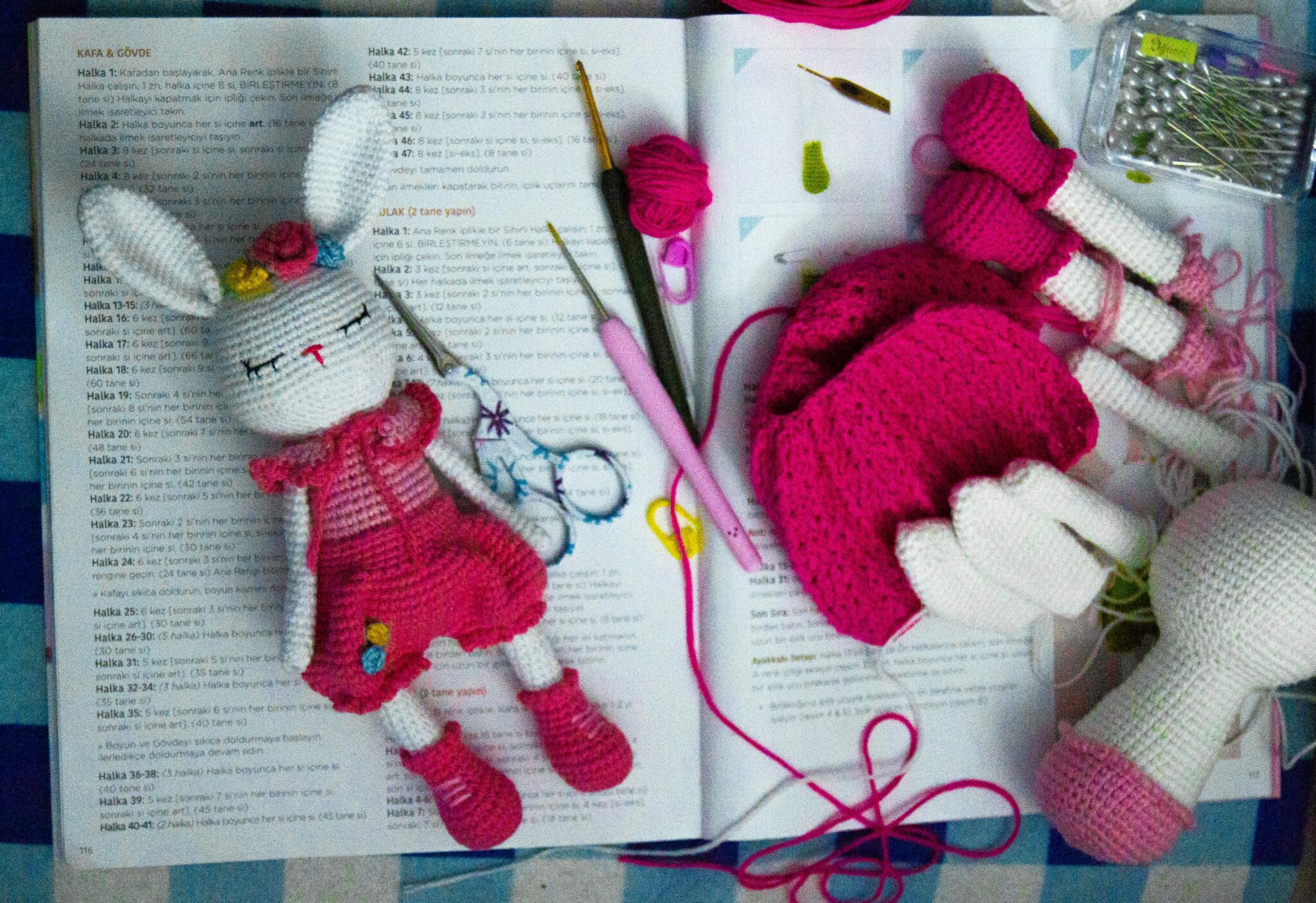
Embracing the Crochet Journey With Patience and Joy
Learning crochet is truly a journey rather than a destination. Each project teaches new lessons, develops skills, and reveals aspects of your creative preferences. Embracing this process with patience and self-compassion ensures crochet remains enjoyable rather than stressful.
Compare yourself only to your past self, never to other crocheters. Everyone progresses at their own pace, brings different strengths to the craft, and faces unique challenges. Your journey is yours alone—honor it rather than diminishing it through unfair comparisons.
Celebrate small victories along the way. Successfully completing a new stitch, finishing a challenging row, or creating your first wearable item all deserve recognition. These milestones mark your progress and fuel motivation for continued growth.
Remember that crochet should bring joy, not pressure. If a project becomes frustrating, set it aside temporarily. Return when you feel ready, or choose a different project that feels more appealing. Your hobby should enhance your life, not become another source of stress.
The accessible nature of modern crochet learning means anyone can start this rewarding journey today. Free resources, supportive communities, and minimal startup costs remove traditional barriers that once made crafts feel exclusive or intimidating. With patience, practice, and the willingness to learn from mistakes, you’ll soon create beautiful handmade items while enjoying all the mental health benefits crochet provides. Pick up that hook, choose some yarn, and take your first stitches toward a fulfilling new creative adventure. Your crochet story begins now! ✨🧶

Toni Santos is a visionary artisan and conceptual designer who channels the beauty of living organisms into structural expression. At Zureste, Toni explores the intricate elegance of insect anatomy, organic flow, and bioinspired design to create art that feels both natural and otherworldly.
Each creation Toni brings to life reflects a harmonic tension between structure and softness, wildness and control — echoing the complex intelligence found in the natural world. From beetle-like silhouettes to root-shaped contours, his work blurs the lines between biology, sculpture, and modern art.
Guided by fascination for metamorphosis, evolution, and pattern in nature, Toni’s pieces embody transformation. His BioLight Collection and conceptual series like Insect Type and Structure Aesthetics offer viewers more than aesthetic value — they present immersive experiences of living design.
As the creative force behind Zureste, Toni invites us to rethink beauty, architecture, and identity through a new lens — one shaped by wings, bones, spirals, and the microscopic poetry of the organic.
His creations reflect:
-
Design deeply rooted in the geometry of life
-
Inspiration from insects, roots, and the unseen natural order
-
A blend of science, spirituality, and visual storytelling
Whether you’re a lover of strange beauty, an admirer of evolution’s artistry, or a creative mind seeking something different, Toni welcomes you into a world where living forms become meaning, and surreal becomes sublime.