Anúncios
Learning to read and write is a fundamental right that transcends age, background, or circumstance. Whether you’re six or sixty, the journey toward literacy opens doors to endless opportunities and personal growth.


Many adults carry the quiet burden of illiteracy, often hidden behind shame or fear of judgment. Yet millions around the world have discovered that it’s never too late to learn. The brain remains remarkably adaptable throughout life, capable of forming new neural pathways and acquiring new skills regardless of age.
Anúncios
Starting your literacy journey today means investing in yourself, your future, and your independence. This comprehensive guide will walk you through everything you need to know about adult literacy, practical learning strategies, and the transformative power of reading and writing at any stage of life. 📚
Why Adult Literacy Matters More Than Ever
In today’s digital world, basic literacy skills have become essential for daily survival. From reading medication labels to understanding job applications, from texting loved ones to navigating online banking, the written word surrounds us constantly.
Anúncios
Adults who lack reading and writing skills often face significant challenges. They may struggle with employment opportunities, experience difficulty managing personal finances, encounter obstacles in healthcare settings, and feel disconnected from their children’s education. These barriers create a cycle that affects not just individuals but entire families and communities.
The good news? Breaking this cycle is entirely possible. Statistics show that adults who improve their literacy skills experience dramatic positive changes: increased earning potential, better health outcomes, improved self-esteem, and enhanced ability to help their children with schoolwork. The ripple effects extend far beyond the individual learner. ✨
Understanding the Adult Learning Journey
Adult learners bring unique strengths to the literacy classroom. Unlike children, adults possess life experience, motivation born from necessity, and clear goals. They understand why they’re learning and what they hope to achieve, which creates powerful intrinsic motivation.
However, adult learners also face distinct challenges. Many carry emotional baggage from previous educational experiences, fear judgment from peers or family members, and juggle multiple responsibilities including work, childcare, and household management. Time constraints and financial pressures can make consistent attendance difficult.
Understanding these dynamics is crucial. Effective adult literacy programs recognize that learning must be practical, relevant, and respectful. The best approaches build on existing knowledge, connect lessons to real-world applications, and create safe, supportive environments where mistakes are viewed as learning opportunities rather than failures.
How the Adult Brain Learns Differently
Neuroscience has debunked the myth that adults can’t learn new skills effectively. While it’s true that young children’s brains show exceptional plasticity, adult brains retain remarkable capacity for learning throughout life. The key lies in understanding how adult learning differs from childhood learning.
Adults benefit from:
- Connection to prior knowledge: Linking new information to existing experience strengthens retention
- Problem-based learning: Addressing real-life challenges makes lessons immediately applicable
- Self-directed pacing: Adults need control over their learning speed and focus areas
- Immediate application: Practicing new skills in authentic contexts reinforces learning
- Emotional safety: Reducing anxiety and shame accelerates progress significantly
Getting Started: Your First Steps Toward Literacy
Beginning your literacy journey requires courage, but the first step is simpler than you might imagine. You don’t need expensive materials, formal classrooms, or years of commitment. You simply need to decide that today is the day you begin. 🌟
Start by assessing your current skills honestly and without judgment. Can you recognize some letters? Do you understand the connection between sounds and symbols? Can you read simple words or signs? Whatever your starting point, it’s valid and valuable. Progress from where you are, not where you think you should be.
Next, identify your personal “why.” What would reading and writing enable you to do? Perhaps you want to read bedtime stories to your grandchildren, fill out job applications independently, understand medical instructions, or simply experience the joy of reading for pleasure. Your motivation will sustain you through challenging moments.
Essential Resources for Independent Learners
Modern technology has revolutionized access to literacy education. Numerous free and low-cost resources exist for adults learning to read and write:
- Mobile apps: Interactive programs designed specifically for adult learners provide privacy and flexibility
- Public libraries: Most offer free literacy tutoring programs and beginner-friendly book collections
- Community colleges: Adult basic education classes provide structured learning at little or no cost
- Online platforms: Websites offer video lessons, practice exercises, and virtual tutoring
- Literacy councils: Non-profit organizations connect learners with trained volunteer tutors
- Workplace programs: Many employers offer literacy training as an employee benefit
Don’t overlook the value of a trusted friend or family member who can provide encouragement and practice opportunities. Having someone who believes in your ability to succeed can make an enormous difference in maintaining motivation.

Building Blocks: Mastering the Alphabet and Phonics
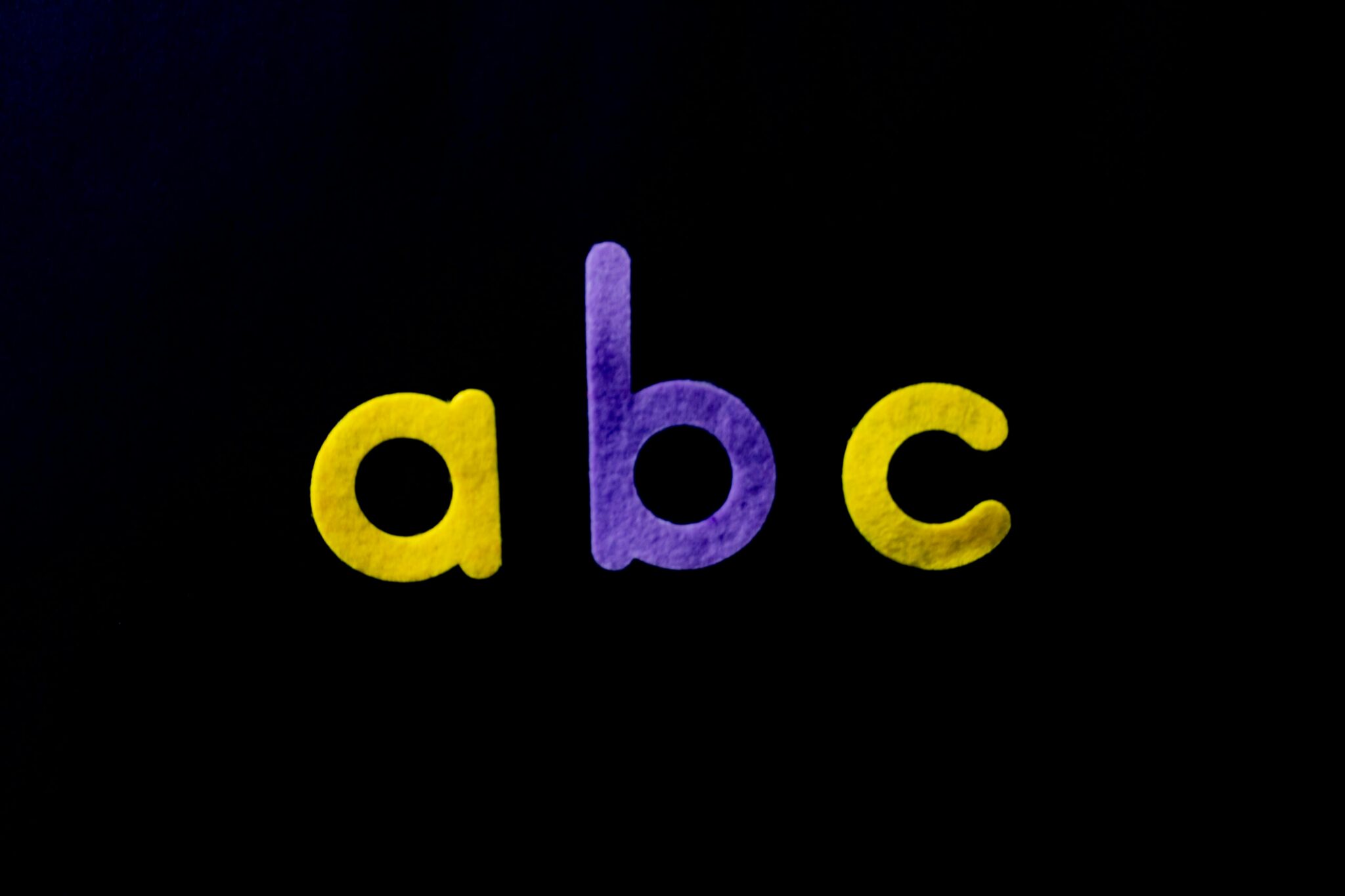
Every literacy journey begins with the alphabet. These 26 symbols form the foundation of written English. Learning to recognize, name, and write each letter represents your first major milestone. Don’t rush this phase; solid foundations support everything that follows.
Focus initially on uppercase letters, as they appear more frequently in environmental print (signs, labels, headlines). Practice writing each letter repeatedly until the motion becomes automatic. Trace letters in sand, form them with playdough, or write them large on paper—engaging multiple senses strengthens memory.
Once you’re comfortable with letter recognition, move to phonics: the relationship between letters and sounds. Understanding that each letter (or letter combination) produces specific sounds unlocks the ability to decode unfamiliar words. This skill transforms random symbols into meaningful language. 🔤
Practical Phonics Strategies
Phonics instruction for adults should emphasize the most common sound-letter relationships first. English contains irregularities, but learning the frequent patterns provides tools to tackle the majority of words you’ll encounter.
Start with simple consonants (b, d, f, l, m, n, p, r, s, t) and short vowel sounds (a as in “cat,” e as in “bed,” i as in “sit,” o as in “pot,” u as in “cup”). Practice blending these sounds to create simple three-letter words: cat, dog, sit, run, big.
Progress to consonant blends (bl, cr, st, tr) and digraphs (ch, sh, th, wh). Recognize common word families (words that share ending patterns like -at, -an, -it, -ot) to expand your reading vocabulary quickly. Remember that reading and writing reinforce each other—practice both simultaneously for maximum progress.
From Words to Sentences: Understanding Grammar Basics
As your word recognition improves, understanding how words combine into sentences becomes essential. Grammar might sound intimidating, but basic sentence structure follows intuitive patterns that native speakers already understand intuitively from conversation.
Every complete sentence needs two elements: a subject (who or what the sentence is about) and a predicate (what the subject does or is). “The dog barks.” “Maria works.” “Children play.” Recognizing this fundamental structure helps both reading comprehension and writing clarity.
Build from simple sentences to compound sentences that join two related ideas with connecting words (and, but, or, so). “The dog barks and the cat runs.” “I want coffee but the shop is closed.” This progression mirrors natural language development and feels manageable. 💡
Punctuation: The Road Signs of Writing
Punctuation marks guide readers through text, indicating pauses, emphasis, and meaning. Master these basics first:
- Periods (.) end complete thoughts and signal brief pauses
- Commas (,) separate items in lists and insert slight pauses within sentences
- Question marks (?) indicate questions or uncertainty
- Exclamation points (!) express strong emotion or emphasis
- Apostrophes (‘) show possession or missing letters in contractions
Don’t obsess over punctuation rules initially. Focus on understanding the basic purposes of each mark, then refine your usage through reading and practice. Reading aloud helps tremendously—natural speaking pauses often correspond to punctuation marks.
Developing Reading Comprehension Skills
Decoding words is only half the reading equation. True literacy requires comprehension: understanding, analyzing, and remembering what you read. Comprehension transforms passive word recognition into active meaning-making.
Start with materials at your comfortable reading level. Struggling with too-difficult texts breeds frustration and discouragement. Choose topics that genuinely interest you—engagement significantly improves comprehension and retention. If you love cooking, read recipes. If you enjoy sports, read simple sports articles.
Before reading, preview the material. Look at headings, images, and the first sentence of each paragraph to build expectations about content. This “pre-reading” activates relevant background knowledge and creates mental frameworks for incoming information. 📖
Active Reading Techniques That Work
Passive reading—simply moving eyes across words—produces minimal learning. Active reading engages your mind through specific strategies:
- Ask questions: Wonder about the topic before and during reading
- Make predictions: Guess what might happen next, then read to confirm or revise
- Visualize: Create mental images of descriptions and events
- Connect: Relate new information to personal experiences and existing knowledge
- Summarize: Periodically pause to recap main points in your own words
- Question unclear sections: Reread confusing passages or seek clarification
After reading, reflect on the material. What were the main ideas? What did you learn? How does this information connect to other things you know? This reflection consolidates learning and strengthens memory formation.
Writing: From Thoughts to Paper
Writing often intimidates new learners more than reading, yet it’s equally important for full literacy. Writing allows self-expression, enables communication across distances, and reinforces reading skills through active symbol manipulation.
Begin with practical writing tasks: grocery lists, phone messages, calendar notes. These short, purposeful writings build confidence and demonstrate immediate usefulness. Progress to longer forms like personal letters, journal entries, or emails as your comfort increases. ✍️
Don’t let perfectionism paralyze you. First drafts are meant to be rough—getting ideas onto paper matters more than flawless spelling or grammar initially. You can always revise and improve. The blank page only defeats those who never start filling it.
Building a Writing Practice
Consistent practice drives writing improvement. Dedicate just 10-15 minutes daily to writing something—anything. Keep a simple journal describing your day, write letters to friends or family, create lists of things you’re grateful for, or document memories from your past.
Focus on clarity and simplicity. Use words you understand confidently. Write short sentences when complex ones feel overwhelming. Remember that effective writing communicates ideas successfully, regardless of vocabulary complexity or sentence sophistication.
As skills develop, experiment with different writing purposes: explaining how to do something, describing a favorite place, telling a personal story, or expressing an opinion about a community issue. Varied writing experiences develop versatility and confidence.
Overcoming Common Obstacles and Setbacks
Every learning journey includes challenges. Expect plateaus where progress feels stalled, days when motivation wanes, and moments when self-doubt creeps in. These experiences are normal, universal, and temporary—not signs of failure or inadequacy.
When progress slows, adjust your approach rather than questioning your ability. Try different materials, vary your practice routine, seek additional support, or take a brief break to prevent burnout. Learning isn’t linear; plateaus often precede significant breakthroughs. 🌱
Address shame and embarrassment directly. Millions of adults share your experience. Needing to learn reading and writing as an adult says nothing about your intelligence, worth, or potential. It reflects past circumstances, not personal limitations. Every expert was once a beginner; every literate person learned these skills one letter at a time.
Building Your Support System
Surround yourself with encouraging people who celebrate your progress and support your efforts. Distance yourself from those who dismiss, mock, or undermine your learning. You deserve respect and encouragement, not judgment.
Consider joining a learner group through a local literacy program. Connecting with others on similar journeys reduces isolation, provides mutual encouragement, and creates accountability. Shared experiences normalize struggles and multiply celebrations.
Share your goals selectively with trusted individuals who will champion your success. Their belief in you can sustain motivation during difficult periods and provide accountability to maintain consistent practice.
Celebrating Progress and Maintaining Momentum
Acknowledge every milestone, no matter how small it seems. Read your first complete sentence? Celebrate it. Write your name independently? That’s worth recognition. Fill out a form without assistance? Recognize this achievement. Small victories accumulate into transformative change. 🎉
Track your progress tangibly. Keep early writing samples to compare with later work. Maintain a list of books or articles you’ve read. Document new words you’ve learned. Visual evidence of growth provides powerful motivation during challenging periods.
Set realistic, specific goals: “I will practice writing for 15 minutes daily” rather than vague aspirations like “I’ll become a better writer.” Achievable goals create success experiences that fuel continued effort. Adjust goals as needed—flexibility prevents discouragement.
The Transformative Power of Literacy
Learning to read and write changes lives in profound ways. New literates describe feeling reborn, liberated from dependence, and empowered to pursue dreams previously considered impossible. These aren’t exaggerations—they’re consistent testimonies from thousands of adult learners worldwide.
Literacy opens practical doors: better jobs, higher wages, improved ability to advocate for yourself in healthcare and legal settings. It strengthens family relationships by enabling you to help children with homework, read together, and model the value of education.
Beyond practical benefits, literacy offers intangible rewards: the joy of reading stories, the satisfaction of written self-expression, the pride of independence, and the confidence that comes from mastering challenging skills. These emotional and psychological benefits often prove most valuable. 💪
Your Journey Starts Right Now
You’ve reached the end of this guide, but your literacy journey is just beginning. Everything you need to succeed already exists within you: intelligence, determination, and the courage to try. The resources, strategies, and support systems are available—you simply need to take the first step.
Start small but start today. Write the alphabet. Read a simple children’s book. Download a literacy app. Contact your local library about adult learning programs. Whatever action you choose, take it now. Tomorrow always remains one day away; today is the only moment you truly control.
Remember that learning to read and write at any age represents an act of courage and hope. It demonstrates belief in yourself and your future. You’re not just learning symbols on a page—you’re reclaiming power, unlocking potential, and opening doors to possibilities you might not yet imagine.
Millions of adults have walked this path before you, and millions more will walk it after. You’re part of a global community of learners proving daily that it’s never too late to grow, change, and achieve dreams. Your story of transformation begins with a single letter, a single word, a single courageous decision to begin. Make that decision today. Your literate future awaits, and it starts right now. 🌟📚

Toni Santos is a visionary artisan and conceptual designer who channels the beauty of living organisms into structural expression. At Zureste, Toni explores the intricate elegance of insect anatomy, organic flow, and bioinspired design to create art that feels both natural and otherworldly.
Each creation Toni brings to life reflects a harmonic tension between structure and softness, wildness and control — echoing the complex intelligence found in the natural world. From beetle-like silhouettes to root-shaped contours, his work blurs the lines between biology, sculpture, and modern art.
Guided by fascination for metamorphosis, evolution, and pattern in nature, Toni’s pieces embody transformation. His BioLight Collection and conceptual series like Insect Type and Structure Aesthetics offer viewers more than aesthetic value — they present immersive experiences of living design.
As the creative force behind Zureste, Toni invites us to rethink beauty, architecture, and identity through a new lens — one shaped by wings, bones, spirals, and the microscopic poetry of the organic.
His creations reflect:
-
Design deeply rooted in the geometry of life
-
Inspiration from insects, roots, and the unseen natural order
-
A blend of science, spirituality, and visual storytelling
Whether you’re a lover of strange beauty, an admirer of evolution’s artistry, or a creative mind seeking something different, Toni welcomes you into a world where living forms become meaning, and surreal becomes sublime.