
Anúncios
Self-care isn’t selfish—it’s essential. In a world that constantly demands your attention, energy, and time, learning to nurture your mind and body is the foundation of a fulfilling life.


Many people believe that prioritizing themselves means neglecting others. But the truth is, you cannot pour from an empty cup. Taking time to recharge, reflect, and reconnect with your inner self allows you to show up better in every area of your life—relationships, work, health, and beyond.
Anúncios
This article explores practical, science-backed strategies for self-help, personal care, mental wellness, and receiving daily support. Whether you’re starting your journey or deepening your practice, these insights will empower you to build a sustainable routine that nourishes your whole being. 🌱
🧠 Understanding the Connection Between Self-Care and Mental Health
Self-care and mental health are deeply intertwined. When you neglect your physical, emotional, or spiritual needs, your mental well-being suffers. Stress accumulates, anxiety rises, and burnout becomes inevitable.
Anúncios
Research shows that simple daily habits—like journaling, mindfulness, or spending time in nature—can significantly reduce symptoms of depression and anxiety. These practices aren’t luxuries; they’re tools for maintaining balance in a chaotic world.
Think of self-care as preventive medicine. Just as you brush your teeth to avoid cavities, you engage in mental hygiene to protect your psychological health. The more consistent you are, the more resilient you become.
💡 Why Daily Support Matters
Receiving help doesn’t make you weak—it makes you wise. Whether through therapy, apps, books, or supportive communities, daily guidance keeps you accountable and motivated.
Digital tools have made self-help more accessible than ever. Apps focused on cognitive behavioral therapy (CBT), meditation, and mood tracking provide personalized insights and reminders, helping you stay on track even during difficult times.
Consider integrating these resources into your morning or evening routine. A five-minute check-in can shift your entire day toward clarity and calm.
🛁 Practical Self-Care Strategies for Everyday Life
Self-care isn’t about grand gestures or expensive spa days. It’s about small, consistent actions that honor your needs and values. Here are some effective strategies you can start today:
🌅 Start Your Morning with Intention
How you begin your day sets the tone for everything that follows. Instead of scrolling through your phone the moment you wake up, try a mindful morning routine.
- Drink a glass of water to hydrate your body
- Practice five minutes of deep breathing or meditation
- Write down three things you’re grateful for
- Set one clear intention for the day
These simple acts create a sense of control and positivity before external demands take over. Over time, they become anchors that ground you, no matter what the day brings.
🍎 Nourish Your Body with Compassion
Food is fuel, but it’s also a form of self-respect. Eating balanced meals, staying hydrated, and listening to your body’s hunger cues are foundational aspects of self-care.
Avoid strict diets or punishing yourself for indulgences. Instead, adopt a mindset of nourishment and pleasure. Ask yourself: What does my body need right now? Honor that answer without judgment.
💤 Prioritize Quality Sleep
Sleep is non-negotiable for mental and physical health. Yet many people sacrifice rest for productivity or entertainment. This trade-off comes at a steep cost.
Establish a calming bedtime routine: dim the lights, turn off screens an hour before bed, read or listen to soothing music. Aim for seven to nine hours of sleep each night, and notice how your mood, focus, and energy improve.
🚶♀️ Move Your Body Regularly
Exercise isn’t just for weight loss—it’s one of the most powerful tools for mental health. Physical activity releases endorphins, reduces cortisol, and improves cognitive function.
You don’t need a gym membership or intense workouts. Walking, stretching, dancing, or yoga all count. The key is finding movement you enjoy so it becomes a sustainable habit, not a chore.

🧘♂️ Caring for Your Mind: Mental Wellness Practices
Your mind requires just as much attention as your body. Mental wellness practices help you process emotions, manage stress, and cultivate inner peace.
📓 Journaling: Your Personal Therapy Session
Writing down your thoughts is a powerful way to gain clarity and release pent-up emotions. Journaling allows you to observe your patterns, challenge negative thinking, and celebrate your progress.
Try different approaches: gratitude journaling, stream-of-consciousness writing, or prompted reflection questions. There’s no wrong way to journal—just start writing and see what emerges.
🧘 Meditation and Mindfulness
Mindfulness teaches you to stay present rather than dwelling on the past or worrying about the future. Even a few minutes of meditation daily can rewire your brain for greater calm and focus.
Start small. Use guided meditation apps or simply focus on your breath. Notice sensations in your body, sounds around you, or the rhythm of your heartbeat. This practice trains your mind to respond rather than react.
🎨 Creative Expression as Healing
Art, music, writing, and other creative outlets provide safe spaces to explore emotions. You don’t need to be talented—just willing to experiment.
Coloring books, painting, playing an instrument, or crafting can all reduce stress and increase joy. Creativity reconnects you with your inner child and offers a break from overthinking.
🗣️ Talk Therapy and Professional Support
There’s no shame in seeking help from a therapist or counselor. Professional guidance offers personalized strategies, accountability, and a judgment-free space to unpack complex emotions.
If traditional therapy isn’t accessible, consider teletherapy platforms, support groups, or mental health apps that incorporate CBT techniques and mood monitoring.
🤝 Building a Support System for Daily Help
You’re not meant to navigate life alone. Surrounding yourself with supportive people and resources makes the journey lighter and more joyful.
👫 Cultivate Meaningful Relationships
Quality matters more than quantity. Invest time in relationships that uplift, challenge, and inspire you. Let go of connections that drain your energy or diminish your worth.
Communicate openly about your needs. Vulnerability strengthens bonds and invites others to show up authentically too.
📱 Leverage Technology for Daily Reminders
Apps designed for mental wellness can send gentle nudges throughout your day—reminders to breathe, hydrate, journal, or practice gratitude. These tools act as digital companions, keeping you aligned with your goals.
Look for apps that offer customizable features, evidence-based techniques, and privacy protections. Many also include community forums where users share experiences and encouragement.
📚 Read and Learn Continuously
Books, podcasts, and articles on self-help and personal development offer fresh perspectives and actionable advice. They remind you that others have faced similar struggles and found ways forward.
Create a reading list of topics that resonate with you—whether it’s emotional intelligence, trauma recovery, habit formation, or spiritual growth. Learning is a form of self-care.
🌟 Overcoming Common Obstacles to Self-Care
Despite knowing self-care is important, many people struggle to prioritize it. Here’s how to overcome common barriers:
⏰ “I Don’t Have Time”
Self-care doesn’t require hours. Even five minutes of intentional practice counts. The real issue is often prioritization, not time. Schedule self-care like any other important appointment.
💸 “It’s Too Expensive”
Self-care can be free. Walking in nature, journaling, stretching, and deep breathing cost nothing. Many apps and online resources offer free tiers or trials.
😔 “I Feel Guilty”
Guilt often stems from believing you should always be productive or available to others. Remember: taking care of yourself enables you to care for others more effectively. You deserve rest and joy, simply because you exist.
🤷 “I Don’t Know Where to Start”
Begin with one small habit. Choose something that feels manageable—maybe drinking more water, taking a daily walk, or writing three sentences in a journal. Build from there.
🌈 Creating Your Personalized Self-Care Routine
There’s no one-size-fits-all approach to self-care. Your routine should reflect your unique needs, preferences, and lifestyle.
🔍 Assess Your Current State
Take inventory of your physical, emotional, mental, and spiritual well-being. What areas feel neglected? Where do you crave more attention or support?
✍️ Define Your Non-Negotiables
Identify daily practices that make you feel grounded and energized. These become your anchors—habits you protect even during busy times.
🧪 Experiment and Adjust
Try different practices and notice what resonates. Some people thrive with morning routines; others prefer evening rituals. There’s no right answer—only what works for you.
📊 Track Your Progress
Use a journal, app, or calendar to monitor your habits. Tracking creates accountability and reveals patterns over time. Celebrate small wins along the way.
🌻 The Long-Term Benefits of Consistent Self-Care
When self-care becomes a lifestyle rather than a luxury, the benefits compound. You’ll likely notice:
- Increased resilience during stressful times
- Improved mood and emotional regulation
- Better relationships and communication
- Enhanced focus and productivity
- Greater sense of purpose and fulfillment
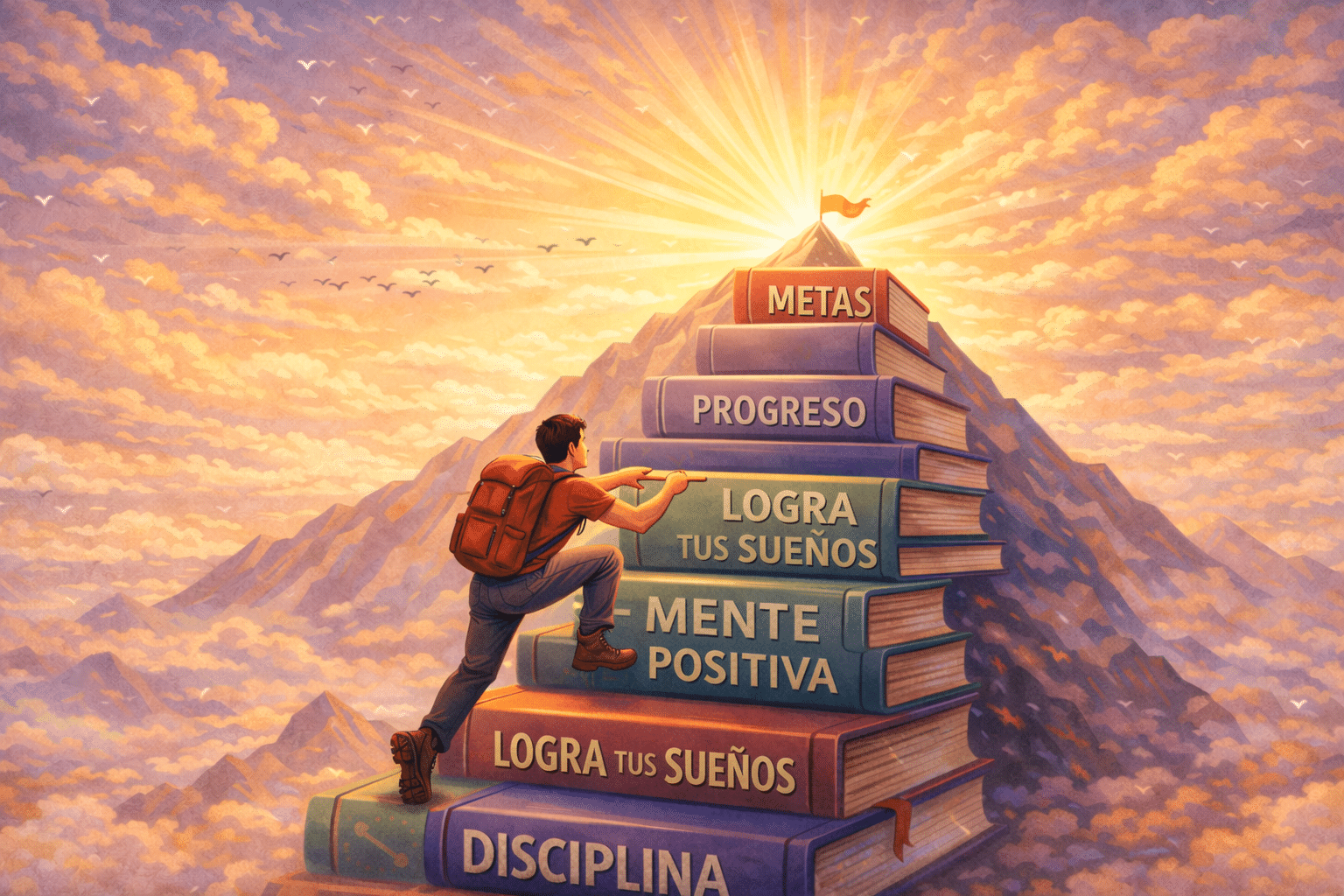
Self-care isn’t about perfection—it’s about progress. Some days you’ll thrive; others, you’ll simply survive. Both are valid. What matters is your commitment to showing up for yourself, again and again.
💬 Receiving Help Daily: A Sign of Strength
Society often glorifies independence, but the truth is, we all need support. Asking for help—whether from friends, professionals, or digital tools—demonstrates courage and self-awareness.
Daily help can come in many forms: a motivational quote, a therapy session, a check-in text from a friend, or a guided meditation. These touchpoints remind you that you’re not alone and that support is always available.
Make it easy to access help by surrounding yourself with resources. Download apps, bookmark helpful websites, save phone numbers for hotlines, and schedule regular check-ins with trusted people.
🌍 Building a Culture of Self-Care
As more people embrace self-care, we collectively shift toward a healthier, more compassionate society. By prioritizing your well-being, you give others permission to do the same.
Share your journey—talk about your practices, challenges, and victories. Normalize conversations around mental health, boundaries, and rest. Your openness can inspire someone else to take their first step.
Encourage workplaces, schools, and communities to support self-care initiatives. Advocate for policies that honor work-life balance, mental health days, and accessible wellness resources.
🌟 Your Journey Starts Today
Self-care isn’t a destination—it’s a lifelong practice. Every small action you take matters. Every moment you choose yourself is an act of courage and love.
Start where you are. Use what you have. Do what you can. Whether it’s drinking more water, taking a five-minute walk, or downloading a mental wellness app, today is the perfect day to begin.
Remember, you are worthy of care, support, and happiness—not because of what you do, but simply because you are. Treat yourself with the same compassion you’d offer a dear friend, and watch your life transform.
Embrace the journey. Trust the process. And know that every step you take toward self-care is a step toward a brighter, healthier future. 🌟

Toni Santos is a visionary artisan and conceptual designer who channels the beauty of living organisms into structural expression. At Zureste, Toni explores the intricate elegance of insect anatomy, organic flow, and bioinspired design to create art that feels both natural and otherworldly.
Each creation Toni brings to life reflects a harmonic tension between structure and softness, wildness and control — echoing the complex intelligence found in the natural world. From beetle-like silhouettes to root-shaped contours, his work blurs the lines between biology, sculpture, and modern art.
Guided by fascination for metamorphosis, evolution, and pattern in nature, Toni’s pieces embody transformation. His BioLight Collection and conceptual series like Insect Type and Structure Aesthetics offer viewers more than aesthetic value — they present immersive experiences of living design.
As the creative force behind Zureste, Toni invites us to rethink beauty, architecture, and identity through a new lens — one shaped by wings, bones, spirals, and the microscopic poetry of the organic.
His creations reflect:
-
Design deeply rooted in the geometry of life
-
Inspiration from insects, roots, and the unseen natural order
-
A blend of science, spirituality, and visual storytelling
Whether you’re a lover of strange beauty, an admirer of evolution’s artistry, or a creative mind seeking something different, Toni welcomes you into a world where living forms become meaning, and surreal becomes sublime.