
Anúncios
Catholic music has the unique power to open hearts, calm minds, and create a sacred bridge between the soul and God, offering comfort, hope, and spiritual renewal.


In our fast-paced, noisy world, finding moments of genuine spiritual connection can feel like searching for water in a desert. Yet throughout centuries, Catholics have discovered a profound pathway to divine intimacy through sacred music. These melodies carry more than notes and rhythms—they carry prayers, devotions, and the collective faith of millions who have sung them before us.
Anúncios
Whether you’re driving to work, preparing dinner, or seeking solace during difficult times, Catholic music creates a sanctuary wherever you are. The gentle harmonies of Gregorian chant, the passionate worship of contemporary praise songs, or the timeless beauty of Latin hymns all share one purpose: drawing us closer to the heart of God. This isn’t merely background noise; it’s a spiritual practice that transforms ordinary moments into encounters with the divine.
🎵 The Spiritual Power Behind Sacred Melodies
Music possesses an extraordinary ability to bypass our intellectual defenses and speak directly to the soul. When we listen to Catholic songs filled with scriptural truth and theological depth, something remarkable happens. Our hearts soften, our minds quiet, and we become receptive to God’s presence in ways that ordinary prayer sometimes struggles to achieve.
Anúncios
Saint Augustine famously wrote, “He who sings prays twice,” recognizing that music amplifies our spiritual intentions. The combination of melody, harmony, and sacred lyrics creates a multisensory experience that engages our whole being. This isn’t superstition or wishful thinking—it’s a reality confirmed by both ancient tradition and modern neuroscience.
Research shows that music activates multiple brain regions simultaneously, including those responsible for emotion, memory, and meaning-making. When we listen to worship music, we’re not just hearing sounds; we’re creating neural pathways that associate certain melodies with peace, hope, and divine presence. Over time, simply hearing the opening notes of a beloved hymn can trigger immediate feelings of comfort and connection with God.
✨ How Catholic Music Touches the Soul Differently
Catholic music stands apart from secular entertainment because it carries sacramental intention. These songs aren’t written merely to please the ear or generate profit—they exist to glorify God and facilitate worship. This fundamental difference in purpose creates a different kind of listening experience altogether.
When you play a Catholic song, you’re participating in a centuries-old tradition of liturgical worship. Many hymns trace their origins to medieval monasteries, where monks chanted the Divine Office eight times daily. Others emerged from periods of persecution, when believers risked their lives to sing their faith. Still others represent contemporary expressions of timeless truths, proving that authentic worship transcends cultural boundaries and historical periods.
The lyrics of Catholic music function as portable theology. They teach doctrine, reinforce biblical truth, and remind us of essential spiritual realities. A single song might contain references to Scripture, Church teaching, saints’ writings, and liturgical prayers—creating a rich tapestry of faith that educates even as it inspires.
The Diverse Landscape of Catholic Musical Tradition
Catholic music encompasses an incredibly diverse range of styles, each offering unique pathways to spiritual connection. Gregorian chant provides meditative simplicity, its unaccompanied single-line melodies creating space for contemplation. Traditional hymns like “Holy God, We Praise Thy Name” carry the weight of centuries, connecting us to generations of believers who sang the same words.
Contemporary Catholic artists bring fresh energy to worship, blending modern instrumentation with orthodox theology. Groups like Hillsong Catholic, Matt Maher, Audrey Assad, and Sarah Kroger create music that resonates with younger generations while maintaining theological integrity. Spanish-language artists such as Martín Valverde and Athenas contribute vibrant expressions of Latin American Catholic spirituality.
Charismatic worship music introduces Spirit-filled spontaneity, while Taizé-style repetitive chants facilitate prolonged meditation. Marian hymns like “Immaculate Mary” and “Ave Maria” honor the Mother of God, while Eucharistic songs prepare hearts for the mystery of the Mass. This diversity ensures that every person can find musical expressions that speak to their unique spiritual temperament.
🙏 Practical Ways to Incorporate Catholic Music Into Daily Life
Transforming your relationship with God through music doesn’t require dramatic lifestyle changes. Small, consistent practices create profound shifts over time. The key is intentionality—choosing to make sacred music a regular part of your daily rhythm rather than an occasional spiritual treat.
Begin your day with worship music instead of news or social media. Those first moments after waking set the tone for everything that follows. Playing gentle Catholic songs while you prepare for the day creates a peaceful atmosphere and orients your heart toward God before the world’s demands intrude.

Transform your commute into a mobile chapel. Whether you drive, take public transportation, or walk, that transition time offers perfect opportunity for spiritual formation through music. Instead of passive entertainment, choose songs that prepare you for the day ahead or help you decompress afterward. Many Catholics report that their car has become one of their most important prayer spaces simply by changing what plays through the speakers.
Create playlists for specific spiritual needs. Compile songs that comfort during anxiety, strengthen during temptation, or celebrate during joyful seasons. Having these ready ensures you don’t have to search when emotional or spiritual crises strike—the music you need is immediately accessible.
Making Music Part of Family Faith Formation
Catholic music offers families a powerful tool for passing faith to the next generation. Children absorb theology through songs long before they can understand systematic teaching. The melodies stick in memory, carrying biblical truth into adulthood even when formal religious education fades.
Play worship music during family meals, creating an atmosphere of peace and gratitude. Sing together during car trips, turning travel time into family worship. Let children choose songs they love, honoring their spiritual preferences while gently introducing new material. Many parents discover that songs their children learned years ago become lifelong companions during the ups and downs of adult life.
For couples, shared musical worship deepens marital intimacy. Praying together through song removes some of the awkwardness that verbal prayer can create, especially for those unaccustomed to praying aloud. The music carries you both, creating unity and shared spiritual experience that strengthens your bond.
💫 When Music Becomes Prayer: Deepening Your Listening Practice
Passive listening provides some benefit, but intentional, prayerful engagement with Catholic music multiplies its spiritual impact. This requires shifting from entertainment mode to contemplative mode—treating the music as a form of lectio divina rather than background noise.
Begin by choosing a quiet space where you won’t be interrupted. Select a song intentionally rather than hitting shuffle. As you listen, pay attention not just to the melody but to the lyrics. What is God saying to you through these words? Which phrases resonate with your current circumstances? Where do you feel resistance or emotional response?
Some people find it helpful to read the lyrics while listening, treating them as poetry to be pondered. Others close their eyes and let the music wash over them, using it as a vehicle for wordless prayer. Still others sing along, using their own voice as an offering of worship. All these approaches have merit—experiment to discover what deepens your connection with God most effectively.
Overcoming Distractions and Spiritual Dryness
Even with the best intentions, our minds wander. A beautiful hymn plays, but instead of praying, you’re mentally writing your grocery list. This is completely normal and not a spiritual failure. When you notice distraction, simply return your attention to the music without self-judgment. This gentle refocusing is itself a form of prayer—it cultivates the attentiveness that deepens all spiritual practices.
During periods of spiritual dryness when God feels distant, music can sustain faith when nothing else does. You may not feel emotional connection or sense divine presence, but continuing to listen to worship music keeps you oriented toward God even in the darkness. Many saints testified that they endured long periods of desolation by maintaining their prayer practices mechanically, trusting that feelings would eventually return. Catholic music serves this sustaining function beautifully.
🌟 The Theology Behind Songs That Transform
Not all religious music carries equal spiritual power. The most transformative Catholic songs share certain characteristics that make them particularly effective vehicles for encountering God. Understanding these qualities helps you choose music that truly nourishes rather than merely entertains.
First, theologically sound music aligns with Scripture and Church teaching. It doesn’t matter how beautiful a melody is if the lyrics promote heresy or sentimentalism divorced from truth. The best Catholic music educates even as it inspires, reinforcing orthodox understanding of God’s nature, human dignity, salvation, and the life of grace.
Second, authentic worship music directs attention toward God rather than the listener’s emotions. While feelings certainly arise during worship, they’re byproducts rather than the goal. Songs that focus primarily on how worship makes us feel rather than on God’s character and actions ultimately fail to facilitate genuine encounter with the divine.
Third, powerful Catholic music connects us to the Church universal and historical. It reminds us that we don’t worship alone—we join our voices to billions of believers across time and space. Even when listening privately, good liturgical music fosters awareness of the Communion of Saints and our participation in the Mystical Body of Christ.
Recognizing and Avoiding Musical Pitfalls
Some contemporary Christian music, though well-intentioned, promotes problematic theology. Songs that portray God as a cosmic vending machine, that ignore sin and redemption, or that reduce Christianity to emotional experiences should be approached cautiously. Discernment requires both spiritual maturity and theological education.
Ask yourself: Does this song teach truth about God, or does it simply make me feel good? Does it call me to transformation, or does it flatter my ego? Does it connect me to the Church’s liturgical and sacramental life, or does it promote individualistic spirituality? These questions help navigate the vast landscape of available music wisely.
🎼 Creating Sacred Space Through Musical Ritual
Consistency transforms good practices into powerful rituals. When you listen to Catholic music at regular times and in regular ways, those patterns become automatic—spiritual muscle memory that sustains faith when motivation wanes.
Consider establishing a daily office of song. Just as monastics pray at set hours, you might dedicate certain times to musical prayer. Morning praise, midday refocusing, evening thanksgiving, and night surrender—each can be marked by specific songs that anchor your daily rhythm in worship.
Physical posture affects spiritual receptivity. Experiment with different positions during musical prayer: sitting quietly with hands open in receiving posture, standing with arms raised in praise, kneeling in adoration, or lying prostrate in complete surrender. Your body participates in prayer, and these postures communicate intentions that words alone cannot express.
Creating a dedicated listening space enhances the experience. This doesn’t require elaborate setup—a comfortable chair, perhaps a candle or icon, a crucifix or rosary nearby. These simple elements signal to your brain that this time and space are set apart, facilitating the mental shift from secular busyness to sacred attentiveness.
🕊️ Music as Healing Ministry for Wounded Hearts
Catholic music offers particular comfort during suffering. When grief, anxiety, depression, or trauma make formal prayer impossible, songs carry our prayers when we cannot. The psalms set to music provide language for lament, anger, despair, and hope—the full range of human experience brought before God honestly.
Many people report that specific songs sustained them through their darkest hours. The repetitive nature of certain hymns or choruses provides something to cling to when mental fog prevents complex thought. The theology embedded in lyrics reminds suffering believers of truths they cannot currently feel: that God remains faithful, that suffering has meaning, that resurrection follows crucifixion.
Music also facilitates healing by accessing and releasing stored emotions. Trauma often lodges in the body, creating physical and psychological symptoms that resist purely cognitive interventions. Music bypasses these defenses, allowing suppressed grief, fear, or rage to surface in safe ways. Many therapists now incorporate music into trauma treatment for this reason.
Songs for Specific Struggles
Anxiety responds to music emphasizing God’s sovereignty and care. Songs about divine providence, protection, and presence counter anxiety’s lies about control and catastrophe. The physiological effects of slow, repetitive melodies also activate the parasympathetic nervous system, literally calming the body’s stress response.
Depression benefits from music affirming identity and hope. When the illness whispers lies about worthlessness and futility, worship songs proclaim truth: you are beloved, chosen, created with purpose, destined for eternal joy. Even when these truths don’t feel real, repeatedly hearing them plants seeds that eventually bear fruit.
Grief finds companion in lament psalms and songs acknowledging loss honestly. The Catholic tradition doesn’t demand toxic positivity—it makes space for mourning while anchoring sorrow in resurrection hope. Music helps the bereaved express what words fail to capture, honoring both the pain of absence and the promise of reunion.
📱 Technology as Gateway to Constant Worship
Modern technology makes accessing Catholic music easier than ever before. Streaming services, apps, podcasts, and YouTube channels provide virtually unlimited sacred music at our fingertips. This abundance is both blessing and potential distraction—learning to use these tools wisely maximizes their spiritual benefit.
Curate your digital environment intentionally. Follow artists, channels, and playlists that consistently offer theologically sound, spiritually nourishing content. Unfollow or mute sources that promote entertainment over worship, even if their music is technically Christian. Your social media and streaming algorithms will adapt, gradually creating an environment that supports rather than undermines your faith.
Download favorite songs and playlists for offline access. This ensures that spiritual resources remain available during emergencies, travel, or times when internet access is limited or expensive. Having your most meaningful worship music stored locally means you’re never without the comfort and connection it provides.
Set boundaries around technology use even within worship contexts. Resist the temptation to constantly skip songs, check other apps, or multitask during musical prayer. These habits fragment attention and prevent the deep listening that transforms. When you dedicate time to worship through music, give it your full presence.
🌍 Connecting With Global Catholic Musical Traditions
The Catholic Church’s universality means that musical traditions from around the world enrich our worship options. African rhythms, Asian contemplative styles, Latin American passion, European classical sophistication—each culture offers unique expressions of shared faith.
Exploring music from different traditions broadens spiritual horizons and combats the cultural narcissism that assumes our preferences represent the only valid approach. A North American accustomed to contemporary worship might discover profound connection through Polish Marian hymns. Someone raised on traditional Latin Mass music might experience fresh encounter with God through Filipino charismatic praise.
This musical diversity reflects the Kingdom of God described in Revelation: people from every nation, tribe, and tongue united in worship. Listening to international Catholic music prepares us for that eternal reality while enriching our earthly practice.
💖 Letting Music Reshape Your Relationship With God
Ultimately, Catholic music serves one purpose: facilitating intimate relationship with the God who loves you beyond comprehension. The songs, styles, and practices matter only insofar as they accomplish this goal. When music becomes an end in itself, it fails its purpose. When it consistently draws you into God’s presence, it fulfills its sacred function perfectly.
Pay attention to which songs consistently move your heart toward God. Notice which melodies calm your anxiety, which lyrics strengthen your resolve, which rhythms lift your spirits. These aren’t random preferences—they’re clues to how God designed you to encounter Him. Honor these inclinations rather than forcing yourself into modes of worship that don’t fit your spiritual wiring.
Simultaneously, push beyond comfort zones occasionally. Just as a balanced diet includes foods beyond your favorites, healthy spiritual formation incorporates unfamiliar expressions of worship. The Gregorian chant that initially feels foreign might become a gateway to contemplative prayer. The exuberant praise song that seems too emotional might unlock joy you’ve suppressed.
Remember that seasons change. Music that sustained you through one life stage might not serve the next. The songs you needed as a new believer differ from those that nourish mature faith. Grieving requires different music than celebrating. Remain flexible, allowing your musical prayer to evolve as you grow.
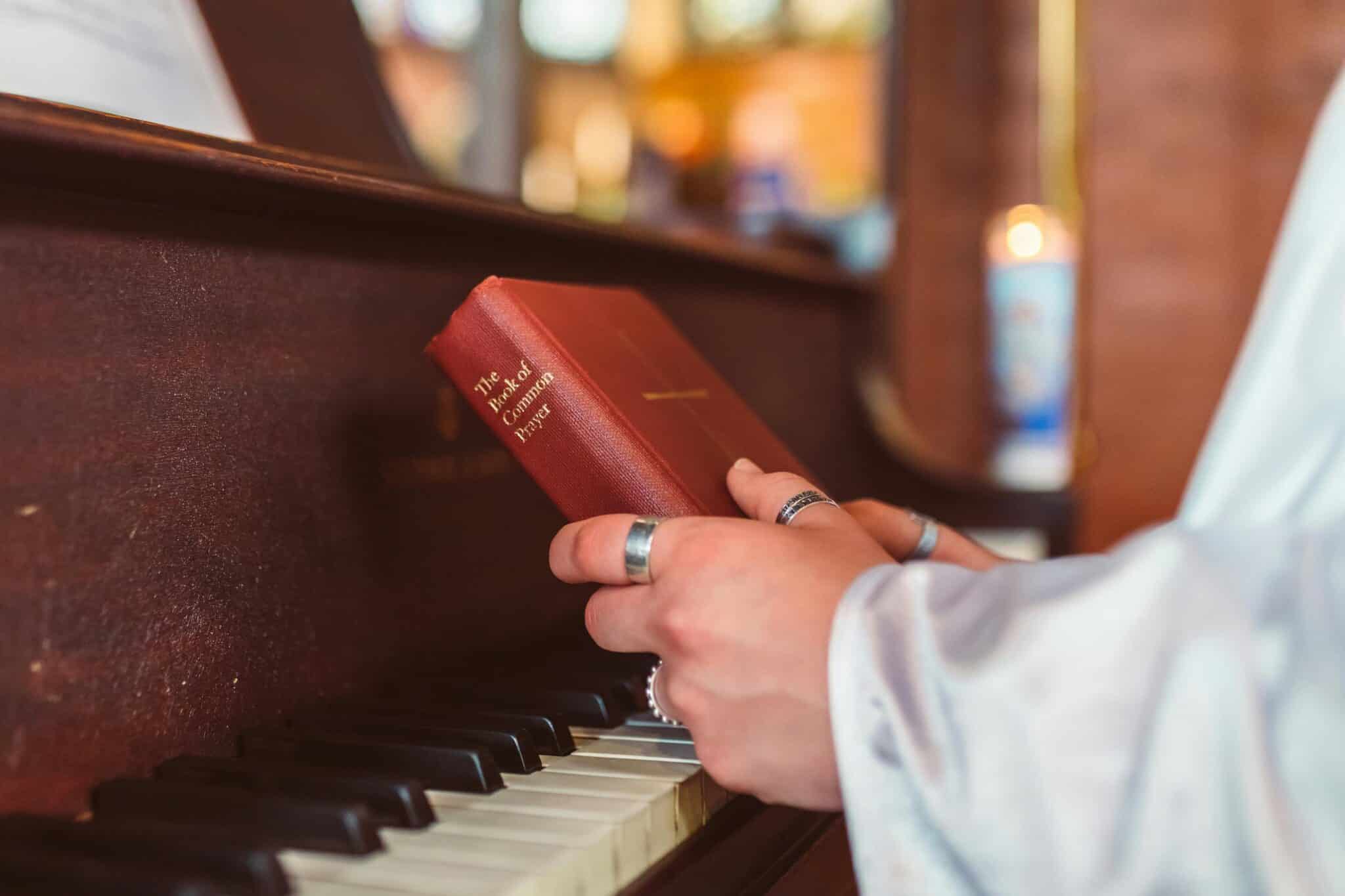
🎁 The Gift That Keeps Giving
Catholic music is a gift that continues blessing long after the final notes fade. The songs we absorb during active listening resurface spontaneously during daily life—while washing dishes, waiting in line, lying awake at night. These “spiritual earworms” function as constant prayer, keeping our hearts oriented toward God even when we’re not consciously praying.
The practice also creates legacy. Children remember songs their parents sang. Friends recall music shared during difficult times. Communities bond over hymns sung together Sunday after Sunday. These musical memories become part of our spiritual DNA, shaping identity and sustaining faith across decades.
Most importantly, listening to Catholic music trains us to recognize God’s voice. As we grow accustomed to hearing truth expressed through melody and lyrics, we become more sensitive to the Holy Spirit’s whispers in other contexts. The practice of attentive, prayerful listening transfers to all areas of life, making us people who notice, respond to, and cooperate with divine movement.
In a world that constantly demands our attention, choosing to fill our ears with worship is a radical act of devotion. It declares that God deserves our best moments, not just leftover time. It proclaims that spiritual formation matters more than entertainment. It demonstrates faith that invisible realities—grace, presence, transformation—are more substantial than the material concerns that dominate most people’s consciousness.
So press play. Let the first notes wash over you. Breathe deeply and invite God into this moment. Whether you feel His presence immediately or must persist through dryness, trust that something real is happening. The music you’re hearing isn’t just sound waves—it’s a vehicle of grace, a pathway to intimacy, a bridge between earth and heaven. Let it carry you home to the heart of the God who sings over you with love.

Toni Santos is a visionary artisan and conceptual designer who channels the beauty of living organisms into structural expression. At Zureste, Toni explores the intricate elegance of insect anatomy, organic flow, and bioinspired design to create art that feels both natural and otherworldly.
Each creation Toni brings to life reflects a harmonic tension between structure and softness, wildness and control — echoing the complex intelligence found in the natural world. From beetle-like silhouettes to root-shaped contours, his work blurs the lines between biology, sculpture, and modern art.
Guided by fascination for metamorphosis, evolution, and pattern in nature, Toni’s pieces embody transformation. His BioLight Collection and conceptual series like Insect Type and Structure Aesthetics offer viewers more than aesthetic value — they present immersive experiences of living design.
As the creative force behind Zureste, Toni invites us to rethink beauty, architecture, and identity through a new lens — one shaped by wings, bones, spirals, and the microscopic poetry of the organic.
His creations reflect:
-
Design deeply rooted in the geometry of life
-
Inspiration from insects, roots, and the unseen natural order
-
A blend of science, spirituality, and visual storytelling
Whether you’re a lover of strange beauty, an admirer of evolution’s artistry, or a creative mind seeking something different, Toni welcomes you into a world where living forms become meaning, and surreal becomes sublime.