
Anúncios
In a world increasingly driven by digital innovation, learning Braille at home has become more accessible than ever, opening doors to inclusion and independence for everyone.


The digital age has revolutionized how we approach education and accessibility. What once required specialized institutions and face-to-face instruction can now be learned from the comfort of your own home. Braille, the tactile writing system that has empowered blind and visually impaired individuals for nearly two centuries, is no exception to this transformation.
Anúncios
Whether you’re a parent of a visually impaired child, an educator seeking to expand your skills, a caregiver, or simply someone interested in understanding this beautiful communication system, learning Braille has never been more achievable. The opportunities for inclusion are abundant, and the tools available today make self-directed learning not just possible, but surprisingly enjoyable. ✨
Why Learning Braille Matters More Than Ever 📚
Despite advances in screen readers and voice technology, Braille remains essential for literacy, education, and independence. It provides blind individuals with spelling accuracy, punctuation understanding, and the ability to engage with written language in ways that audio alone cannot replicate.
Anúncios
Research consistently shows that Braille literacy significantly improves employment rates among blind adults. Those who learn Braille tend to achieve higher educational levels and greater professional success. For sighted individuals, learning Braille demonstrates commitment to inclusion and opens career opportunities in education, healthcare, and accessibility consulting.
Understanding Braille also builds empathy and awareness. It challenges our assumptions about communication and reminds us that accessibility isn’t just a feature—it’s a fundamental human right. When more people understand Braille, we create a more inclusive society where visual impairment doesn’t mean isolation or limitation.
The Basics of Braille: What You Need to Know 🔤
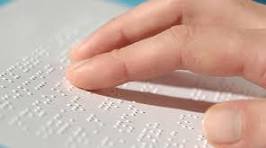
Braille consists of patterns of raised dots arranged in cells. Each cell contains up to six dots positioned in two columns of three. Different combinations of these dots represent letters, numbers, punctuation marks, and even musical notation.
The system was invented by Louis Braille in 1824 when he was just fifteen years old. Having lost his sight in childhood, Louis understood firsthand the need for an efficient reading and writing system for blind people. His ingenious creation has since been adapted to virtually every language worldwide.
There are several types of Braille, including uncontracted (Grade 1), contracted (Grade 2), and specialized codes for mathematics, music, and computer notation. Beginners typically start with Grade 1, where each letter corresponds directly to its print equivalent, before advancing to Grade 2, which uses contractions to increase reading speed.
Understanding the Braille Cell Structure
The six dots in a Braille cell are numbered from one to six. The top left dot is number one, the middle left is two, and the bottom left is three. The right column mirrors this: four on top, five in the middle, and six at the bottom. This standardized numbering system allows Braille users worldwide to communicate about dot patterns precisely.
For example, the letter “A” uses only dot 1, while “B” uses dots 1 and 2. The letter “C” combines dots 1 and 4. By the time you’ve learned the first ten letters (A through J), you’ve established the foundation for understanding the entire alphabet, as subsequent letters build upon these basic patterns with the addition of dots 3 and 6.
Modern Tools for Learning Braille at Home 📱
Gone are the days when learning Braille required expensive equipment or specialized instructors. Today’s technology offers numerous ways to master this tactile language from anywhere with an internet connection.
Mobile applications have revolutionized Braille education. Interactive apps provide step-by-step lessons, practice exercises, and immediate feedback. Many include gamification elements that make learning engaging and fun, transforming what might seem like a challenging task into an enjoyable journey of discovery.
Physical learning tools have also evolved. Affordable Braille writers, tactile learning cards, and practice boards are readily available online. These hands-on materials complement digital learning, providing the essential tactile experience that makes Braille proficiency possible.

Digital Learning Platforms That Work
Numerous websites offer free Braille courses with comprehensive curricula. These platforms typically include video tutorials, downloadable practice sheets, and progress tracking features. Many also provide community forums where learners can connect, share experiences, and support each other’s educational journeys.
YouTube channels dedicated to Braille instruction offer visual demonstrations that help sighted learners understand the tactile system. These videos often include perspectives from both blind Braille users and sighted educators, providing well-rounded instruction that addresses different learning needs and perspectives.
Creating Your Home Learning Environment 🏠
Setting up an effective learning space doesn’t require major investments. A quiet corner with good lighting, a comfortable chair, and a flat surface for practice materials is sufficient. The key is consistency—having a dedicated space signals to your brain that it’s time to focus on learning.
Organize your materials thoughtfully. Keep Braille flashcards, practice sheets, and reference guides within easy reach. If you’re using tactile learning tools, store them carefully to prevent damage. A simple folder system can help you track your progress through different lessons and exercises.
Consider the sensory aspects of your learning environment. Since Braille is fundamentally tactile, minimize distractions that might interfere with concentration. Some learners find that soft background music helps them focus, while others prefer complete silence. Experiment to discover what works best for you.
Developing Your Learning Strategy 🎯
Successful Braille learning requires patience, consistency, and realistic expectations. Most experts recommend daily practice sessions of 15-30 minutes rather than occasional marathon sessions. This approach helps build muscle memory and reinforces pattern recognition without causing frustration or fatigue.
Start with the alphabet before moving to numbers and punctuation. Master lowercase letters before attempting capitals and special symbols. This progressive approach builds confidence and ensures you develop a solid foundation before tackling more complex elements.
Practice active reading by running your fingers over Braille text regularly. Even before you can read fluently, familiarizing yourself with the physical sensation of reading Braille prepares your tactile sensitivity for more advanced learning. Many learners find that their finger sensitivity improves dramatically within just a few weeks of consistent practice.
Setting Achievable Milestones
Break your learning journey into concrete goals. Week one might focus on mastering the first ten letters. Week two could introduce the next ten. By the end of month one, aim to recognize the full alphabet. These incremental achievements maintain motivation and provide clear evidence of progress.
Track your advancement through simple assessments. Test yourself regularly by identifying random Braille letters without looking at reference materials. Time yourself reading simple Braille words to measure your improving speed. Celebrate these victories—each one represents genuine skill development.
Overcoming Common Learning Challenges 💪
Many beginners struggle with distinguishing similar dot patterns. The letters “D” and “F,” for example, differ by only one dot, making them easy to confuse initially. The solution is repetition and context. Practice these troublesome pairs specifically, and remember that real-world reading provides contextual clues that make identification easier.
Finger sensitivity varies among individuals. Some people naturally have more tactile sensitivity, while others need to develop it through practice. Don’t become discouraged if you find the dots difficult to distinguish at first. Consistent practice almost always improves tactile discrimination within a few weeks.
Sighted learners sometimes fall into the trap of relying too heavily on vision when practicing. While it’s fine to use sight during initial learning, progressively incorporate eyes-closed practice sessions. This better simulates the experience of blind Braille readers and develops genuine tactile reading skills rather than visual pattern recognition.
Expanding Beyond Basic Literacy 🌟
Once you’ve mastered basic Braille, numerous opportunities for advancement await. Contracted Braille (Grade 2) significantly increases reading speed through the use of abbreviations and special symbols. Learning this more advanced system opens access to most published Braille materials.
Specialized Braille codes offer fascinating additional learning paths. Music Braille enables blind musicians to read and write musical notation. Nemeth Code provides mathematical and scientific notation. Computer Braille facilitates programming and technical writing. Each specialty expands your capabilities and potential applications.
Consider joining online Braille communities where learners and fluent users exchange knowledge and support. These groups often organize virtual meetups, share resources, and provide encouragement during challenging learning phases. The connections you make can evolve into lasting friendships grounded in shared commitment to accessibility.
Practical Applications of Your New Skill 🚀
Learning Braille opens numerous volunteer opportunities. Schools, libraries, and community organizations frequently need Braille transcription assistance. Your skills can directly improve educational access for visually impaired students and community members.
Professional applications abound as well. Special education teachers with Braille proficiency are highly valued. Healthcare facilities serving blind patients benefit from staff who understand Braille. Museums and cultural institutions increasingly seek accessibility consultants who can ensure their exhibits include appropriate Braille labels and descriptions.
Even in casual settings, your Braille knowledge makes a difference. You might label household items in Braille to assist a visually impaired family member. You could advocate for Braille inclusion in public spaces. Simply understanding the system makes you a more informed advocate for accessibility in all its forms.
Teaching Others What You’ve Learned 👥
Once you’ve developed proficiency, consider sharing your knowledge. Teaching reinforces your own understanding while expanding Braille literacy in your community. You might volunteer at schools, offer informal lessons to interested friends, or create online content to help other learners.
Parents who learn Braille alongside their visually impaired children create powerful bonding experiences. Shared learning demonstrates commitment and allows parents to support their children’s literacy development meaningfully. It also models lifelong learning and resilience.
Educators who add Braille to their skill set enhance their professional value while demonstrating inclusive teaching practices. Even if you don’t currently work with visually impaired students, having Braille proficiency prepares you for future opportunities and shows prospective employers your commitment to accessibility.
The Future of Braille and Technology 🔮
Refreshable Braille displays represent exciting technological advancement. These electronic devices translate digital text into Braille using pins that raise and lower dynamically. While currently expensive, prices continue to decrease, making this technology increasingly accessible for home users and educational institutions.
Smartphone integration has transformed Braille accessibility. Screen readers with Braille keyboard input allow blind users to type on touchscreens using Braille patterns. Apps provide instant translation between print and Braille, making practice materials infinitely available at no cost.
3D printing technology enables custom Braille learning materials. Educators and parents can create tactile graphics, custom flashcards, and specialized learning tools tailored to individual needs. This democratization of resource creation makes high-quality, personalized Braille education accessible to everyone with internet access.
Embracing the Inclusive Learning Journey 🌈
Learning Braille represents more than acquiring a new skill—it’s a statement about the kind of world you want to live in. Every person who learns Braille contributes to a more inclusive society where visual impairment doesn’t limit participation, communication, or opportunity.
The journey challenges you in unexpected ways. It builds patience, improves concentration, and develops tactile awareness. These benefits extend beyond Braille itself, enhancing other areas of your life and broadening your appreciation for different ways of experiencing the world.
Remember that every expert was once a beginner. Every fluent Braille reader started by struggling to distinguish dots 1 and 4. Your initial challenges are normal, temporary, and ultimately surmountable through consistent practice and determination.
Your Path Forward Starts Today 🎓
The resources for learning Braille at home have never been more abundant, accessible, or effective. Mobile applications guide you through structured lessons with immediate feedback. Online communities provide support and encouragement. Physical materials arrive at your door with a few clicks. The only remaining ingredient is your commitment.
Start today with just fifteen minutes of exploration. Download a learning app, order basic flashcards, or watch an introductory YouTube video. That small first step begins a journey that could profoundly impact your life and the lives of others. You’re not just learning a tactile alphabet—you’re joining a global movement toward genuine inclusivity.
In our rapidly evolving world, the opportunities for inclusion are indeed abundant. Technology has democratized access to knowledge once available only through specialized instruction. Whether your motivation is personal, professional, or purely humanitarian, learning Braille at home represents an achievable goal with lasting significance. The dots that seemed mysterious at first will soon become familiar friends, unlocking a communication system that has empowered millions and continues to transform lives daily. Your learning journey contributes to this beautiful legacy of accessibility, independence, and human connection. 💙

Toni Santos is a visionary artisan and conceptual designer who channels the beauty of living organisms into structural expression. At Zureste, Toni explores the intricate elegance of insect anatomy, organic flow, and bioinspired design to create art that feels both natural and otherworldly.
Each creation Toni brings to life reflects a harmonic tension between structure and softness, wildness and control — echoing the complex intelligence found in the natural world. From beetle-like silhouettes to root-shaped contours, his work blurs the lines between biology, sculpture, and modern art.
Guided by fascination for metamorphosis, evolution, and pattern in nature, Toni’s pieces embody transformation. His BioLight Collection and conceptual series like Insect Type and Structure Aesthetics offer viewers more than aesthetic value — they present immersive experiences of living design.
As the creative force behind Zureste, Toni invites us to rethink beauty, architecture, and identity through a new lens — one shaped by wings, bones, spirals, and the microscopic poetry of the organic.
His creations reflect:
-
Design deeply rooted in the geometry of life
-
Inspiration from insects, roots, and the unseen natural order
-
A blend of science, spirituality, and visual storytelling
Whether you’re a lover of strange beauty, an admirer of evolution’s artistry, or a creative mind seeking something different, Toni welcomes you into a world where living forms become meaning, and surreal becomes sublime.