

Anúncios
Spam calls have become one of the most annoying—and dangerous—problems smartphone users face today. But there’s good news: specialized apps can help.


Every day, millions of people around the world receive unsolicited calls from telemarketers, scammers, and fraudsters.
Anúncios
These interruptions are not just bothersome—they can lead to financial loss, identity theft, and serious privacy breaches. Fortunately, spam-blocking apps have evolved into powerful shields that protect users from these threats.

These applications leverage collaborative databases, artificial intelligence, and real-time updates to identify suspicious numbers before you even pick up the phone.
Anúncios
They empower users to take control of their mobile experience, filtering out unwanted calls and providing peace of mind in an increasingly connected world.
📱 How Spam-Blocking Apps Actually Work
Spam-blocking applications function through a combination of crowdsourced data, machine learning algorithms, and user feedback. When a call comes in, the app cross-references the number against a massive database of reported spam numbers. If there’s a match, the call is either blocked automatically or flagged with a warning label.
Most apps allow users to report numbers directly within the interface. This contributes to a constantly growing database that benefits the entire user community. The more people who use the app, the more accurate and comprehensive the protection becomes.
Advanced apps also analyze calling patterns. For example, if a number makes hundreds of calls in a short period, the system can flag it as suspicious even if it hasn’t been reported yet. This proactive approach helps catch new scam operations before they can do widespread harm.
🛡️ The Power of Collaborative Databases
One of the most significant advantages of modern spam-blocking apps is their reliance on collaborative databases. Unlike traditional phone blocklists that remain static, these databases are dynamic and continuously updated by millions of users worldwide.
When someone receives a spam call and reports it, that information is instantly shared across the network. Within minutes, users on the other side of the world can benefit from that report. This collective intelligence creates a robust defense system that evolves faster than scammers can adapt.
The collaborative model also helps identify regional scam trends. For instance, if a particular scam technique becomes popular in one country, users in other regions receive early warnings and protection before the scam spreads to their area.
Real-Time Updates Keep You Protected
Scammers constantly change their tactics, using new numbers and techniques to bypass detection. That’s why real-time updates are crucial. The best spam-blocking apps refresh their databases multiple times per day, ensuring that users always have access to the latest threat intelligence.
These updates happen seamlessly in the background, requiring no action from the user. The app simply downloads the newest data automatically, keeping your protection current without draining battery life or consuming excessive data.
🎯 Identifying Suspicious Calls Before You Answer
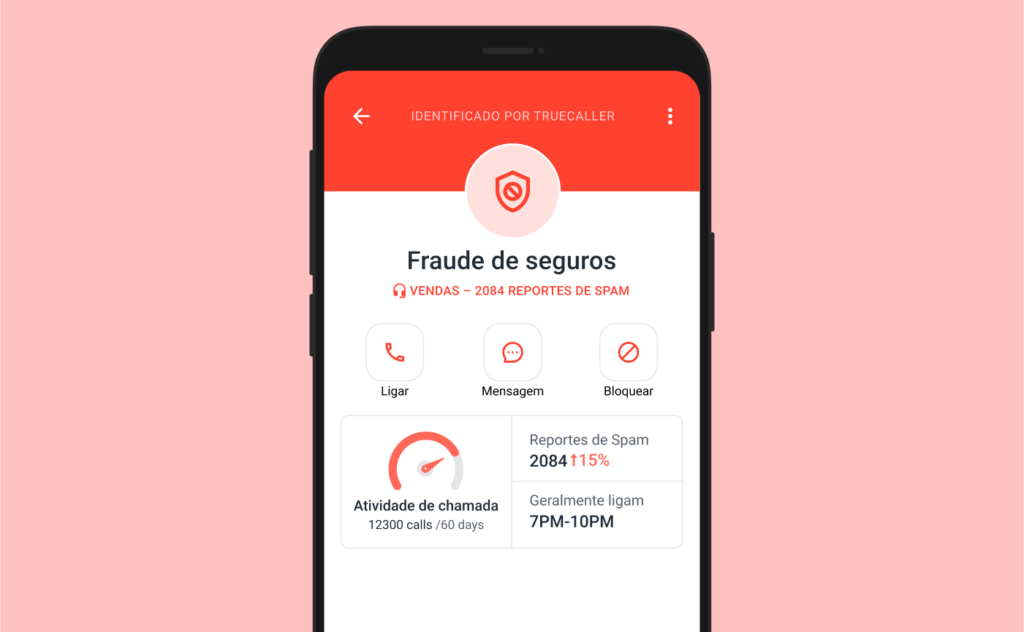
Modern spam-blocking apps don’t just block known spam numbers—they also provide caller identification for unknown numbers. When your phone rings, you’ll see not just the number but also the caller’s name, location, and sometimes even the company they’re calling from.
This feature is incredibly valuable for distinguishing between legitimate calls and potential scams. If you see an incoming call labeled “Suspected Spam” or “Telemarketer,” you can choose to ignore it. If it shows a legitimate business name, you might decide to answer.
Some apps even provide a spam score, rating the likelihood that a call is fraudulent on a scale from 1 to 10. This gives users additional context to make informed decisions about which calls to take and which to avoid.
Visual Warnings and Color Coding
Many applications use visual cues to quickly communicate threat levels. Red flags might indicate confirmed spam, yellow warnings for suspicious numbers, and green checkmarks for verified legitimate contacts. This color-coding system allows users to assess calls at a glance, even before reading detailed information.
🚫 Blocking Unwanted Numbers Effectively
Beyond identification, these apps excel at blocking unwanted calls completely. Users can create custom blocklists, adding specific numbers they never want to hear from again. The app can also automatically block entire categories of calls, such as all telemarketing numbers or all international calls from certain regions.
Some advanced apps offer “Do Not Disturb” modes that allow only calls from your contact list or numbers that meet certain criteria. This is particularly useful during meetings, sleep hours, or vacation time when you want minimal interruptions.
The blocking functionality works silently in the background. Blocked callers either hear a busy signal, are sent directly to voicemail, or receive a message indicating their call cannot be completed. They’re never notified that they’ve been specifically blocked, which prevents potential harassment or retaliation.
🔐 Protection Against Phone Scams and Fraud
Phone scams have become increasingly sophisticated, with fraudsters using social engineering tactics to manipulate victims into revealing personal information or sending money. Common scams include fake IRS calls, tech support frauds, prize notifications, and impersonation of family members in distress.
Spam-blocking apps help protect against these threats by identifying and blocking numbers associated with known scam operations. When a new scam campaign launches, user reports quickly populate the database, protecting others from falling victim to the same scheme.
Some apps also provide educational resources within the interface, explaining common scam tactics and how to recognize warning signs. This dual approach—both technological protection and user education—creates a more comprehensive defense against fraud.
Protecting Vulnerable Populations
Elderly users and those less familiar with technology are particularly vulnerable to phone scams. Installing a reliable spam-blocking app on a parent’s or grandparent’s phone can provide invaluable protection against predatory scammers who specifically target these demographics.
Many apps offer simplified interfaces or can be configured by a tech-savvy family member to provide maximum protection with minimal user interaction. This makes advanced security accessible to everyone, regardless of their technical expertise.
⚡ Performance and Battery Considerations
A common concern about security apps is their impact on device performance and battery life. Modern spam-blocking applications are designed with efficiency in mind, using minimal system resources while providing maximum protection.
Most apps work by accessing your phone’s call log and checking incoming numbers against their database. This process happens almost instantaneously and requires very little processing power. The apps typically run a small background service that activates only when a call comes in, conserving battery during idle periods.
Database updates are optimized to download only incremental changes rather than entire datasets, reducing data usage and processing time. Users generally report negligible impact on battery life or phone performance, even on older devices.
🌍 Privacy and Data Security Concerns
While spam-blocking apps provide significant security benefits, they do require access to your call log and sometimes your contacts. This raises legitimate privacy questions that users should consider carefully.
Reputable apps are transparent about what data they collect and how it’s used. Most collect only phone numbers and call metadata—not the content of conversations. This information is typically anonymized and aggregated to improve the service for all users.
Before installing any spam-blocking app, review its privacy policy and permissions carefully. Look for apps with strong encryption, clear data handling practices, and options to limit data sharing. Many apps allow users to opt out of certain data collection features while still maintaining basic blocking functionality.
Choosing Trustworthy Applications
Not all spam-blocking apps are created equal. Some lesser-known applications may themselves be vehicles for data harvesting or malware distribution. Stick with well-established apps that have millions of users, positive reviews, and transparent ownership.
Check whether the app has been independently audited for security and privacy. Look for endorsements from reputable technology publications and security organizations. A little research before installation can prevent serious privacy breaches down the line.
📊 Comparing Features Across Popular Apps
The spam-blocking app market offers several excellent options, each with unique strengths. Some apps focus primarily on caller ID and spam identification, while others offer comprehensive call management features including recording, backup, and advanced filtering.
Consider what features matter most to you. Do you primarily need protection from scams, or are you more interested in identifying unknown callers? Do you want automatic blocking, or would you prefer to manually review flagged calls?
Many apps offer free versions with basic functionality and premium subscriptions that unlock advanced features. The free versions often provide sufficient protection for most users, while premium options might include enhanced caller ID, ad-free experience, and advanced customization options.
🔧 Setting Up and Customizing Your Protection
Installing a spam-blocking app is just the first step. To maximize its effectiveness, take time to configure the settings according to your preferences and needs.
Start by granting the necessary permissions—typically access to your phone and contacts. Then explore the blocking settings. Decide whether you want aggressive automatic blocking or prefer to manually review flagged numbers before blocking them.
Create custom blocklists for persistent unwanted callers. Add your important contacts to a VIP or whitelist to ensure their calls always come through, even if their number somehow gets flagged.
Fine-Tuning Notification Preferences
Configure notification settings to keep you informed without becoming overwhelming. You might want alerts when high-risk spam calls are blocked but prefer silent blocking for low-level nuisance calls. Most apps allow granular control over these preferences.
📈 The Future of Spam Call Protection
As scammers become more sophisticated, spam-blocking technology continues to evolve. Artificial intelligence and machine learning are playing increasingly important roles in predicting and identifying new spam patterns before they’re widely reported.
Future developments may include voice analysis to detect robocalls, integration with other security services, and even cross-platform protection that extends to messaging apps and email. Regulatory efforts are also increasing, with governments implementing stricter penalties for illegal robocalling and spoofing.
The combination of better technology, stronger regulations, and increased user awareness creates a promising future where spam calls become far less prevalent and dangerous than they are today.
✨ Taking Control of Your Mobile Experience
Your smartphone should make your life easier and more connected, not expose you to constant harassment and potential fraud. Spam-blocking apps restore control, allowing you to use your phone with confidence and peace of mind.
The installation process takes just minutes, but the benefits last as long as you use the app. You’ll immediately notice fewer interruptions, less stress, and greater security. The collaborative nature of these apps means your protection gets stronger over time as the user community grows and the database expands.
Whether you receive one spam call per week or dozens per day, implementing proper call protection is a wise decision. The technology is mature, effective, and accessible to everyone. You don’t need to be tech-savvy to benefit from these powerful tools—just install, configure, and let the app work its magic in the background.
🎁 Beyond Blocking: Additional Benefits
While spam blocking is the primary function, many apps offer additional features that enhance your overall calling experience. These might include call recording for important conversations, backup of call history, contact management, and even messaging capabilities.
Some apps provide business directories, making it easy to find and contact local services. Others offer number search functionality, allowing you to look up unknown numbers manually before deciding whether to call back.
These bonus features transform the app from a simple security tool into a comprehensive communication hub, centralizing multiple functions in one convenient interface.
💡 Making the Smart Choice Today
The question isn’t whether you should use a spam-blocking app—it’s which one you should choose and when you’ll get started. Every day without protection is another day exposed to potential scams, harassment, and wasted time dealing with unwanted calls.
The best apps combine powerful technology with user-friendly interfaces, offering robust protection without complexity. They work quietly in the background, requiring minimal interaction while delivering maximum results.
Your mobile security is too important to leave to chance. With scammers becoming more creative and persistent, relying solely on your phone’s built-in features or your ability to recognize scams isn’t enough. Professional-grade protection is now available to everyone, often completely free.
Take a few minutes today to explore your options, read reviews, and install a trusted spam-blocking app. Your future self will thank you for the protection, peace of mind, and reclaimed time that would have been lost to unwanted calls. The technology exists to make your mobile experience safer and more pleasant—all you need to do is use it. 📲✅

Toni Santos is a visionary artisan and conceptual designer who channels the beauty of living organisms into structural expression. At Zureste, Toni explores the intricate elegance of insect anatomy, organic flow, and bioinspired design to create art that feels both natural and otherworldly.
Each creation Toni brings to life reflects a harmonic tension between structure and softness, wildness and control — echoing the complex intelligence found in the natural world. From beetle-like silhouettes to root-shaped contours, his work blurs the lines between biology, sculpture, and modern art.
Guided by fascination for metamorphosis, evolution, and pattern in nature, Toni’s pieces embody transformation. His BioLight Collection and conceptual series like Insect Type and Structure Aesthetics offer viewers more than aesthetic value — they present immersive experiences of living design.
As the creative force behind Zureste, Toni invites us to rethink beauty, architecture, and identity through a new lens — one shaped by wings, bones, spirals, and the microscopic poetry of the organic.
His creations reflect:
-
Design deeply rooted in the geometry of life
-
Inspiration from insects, roots, and the unseen natural order
-
A blend of science, spirituality, and visual storytelling
Whether you’re a lover of strange beauty, an admirer of evolution’s artistry, or a creative mind seeking something different, Toni welcomes you into a world where living forms become meaning, and surreal becomes sublime.