
Anúncios
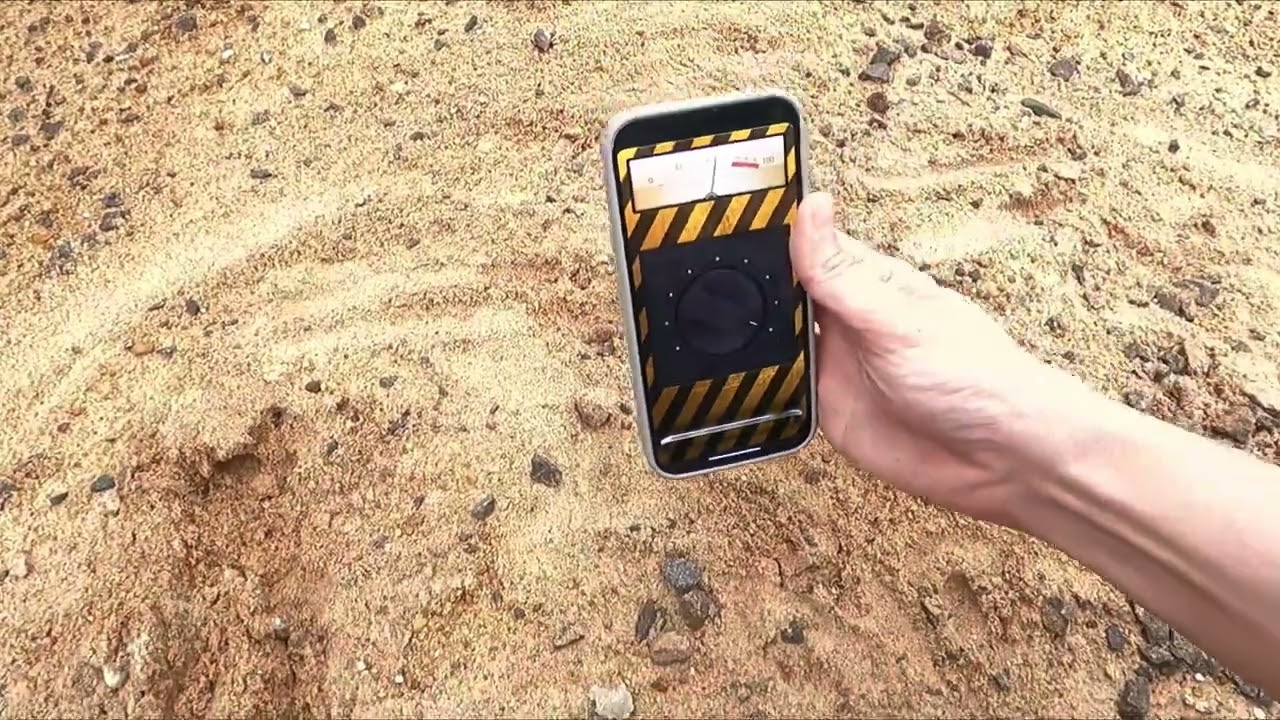
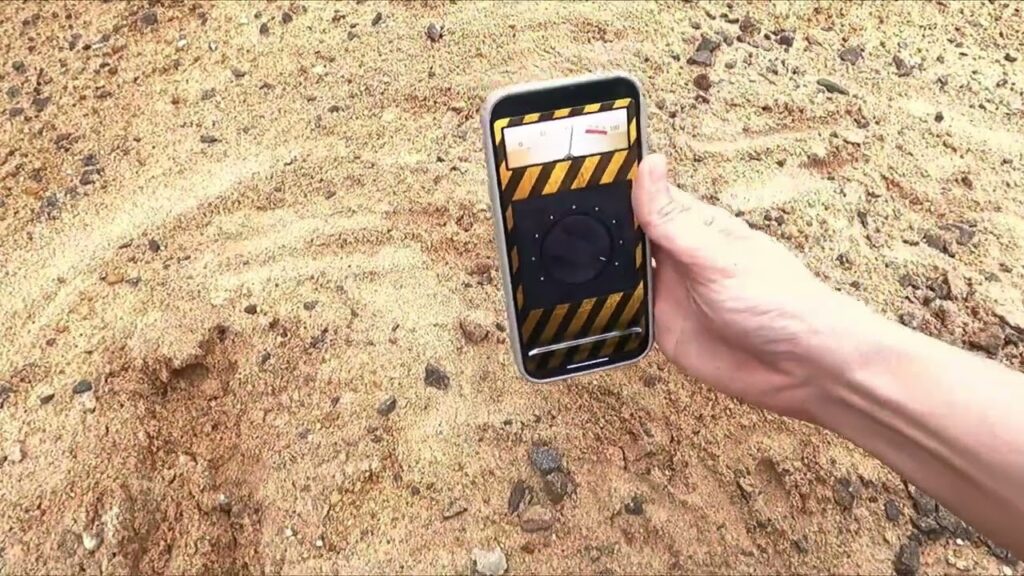
Metal detecting with your smartphone has become a fascinating reality, blending modern technology with treasure hunting adventures and gold prospecting dreams.


The concept of using your mobile device to detect metals might sound like science fiction, but it’s grounded in real electromagnetic sensor technology already built into most smartphones. While these apps won’t replace professional metal detecting equipment, they offer an accessible entry point for curious explorers and hobbyists.
Anúncios
From beach combing to backyard treasure hunting, smartphone metal detector apps have opened new possibilities for casual adventurers. Understanding how these tools work, their limitations, and realistic expectations can help you maximize their potential while embarking on your own metallic treasure quests.
📱 How Smartphone Metal Detector Apps Actually Work
Your smartphone contains a magnetometer sensor originally designed for compass functionality and navigation purposes. This same sensor can detect magnetic field variations caused by ferrous metals in proximity to your device. Metal detector apps leverage this built-in hardware to measure electromagnetic disturbances.
Anúncios
When you bring your phone near metallic objects, the magnetometer registers changes in the surrounding magnetic field. The app translates these fluctuations into visual and auditory signals, alerting you to potential metal presence. The sensitivity varies based on your phone’s sensor quality and the metal’s magnetic properties.
Most apps display measurements in microteslas (µT), showing real-time changes as you move your device. Higher readings typically indicate larger metallic objects or items closer to your phone’s sensor. The baseline reading in most environments ranges between 25-65 µT, with spikes signaling potential discoveries.
🔍 Understanding Sensor Limitations and Capabilities
Smartphone magnetometers excel at detecting ferromagnetic materials like iron, steel, and nickel. These metals create strong magnetic signatures that trigger clear app responses. However, non-ferrous metals such as gold, silver, copper, and aluminum generate weaker signals or remain virtually undetectable.
Detection range remains severely limited compared to professional equipment. Most smartphone sensors effectively identify metals within 2-6 inches (5-15 cm) of the device. This shallow detection depth makes surface-level searches most practical for mobile applications.
Environmental interference presents another challenge. Electromagnetic fields from power lines, electronic devices, reinforced concrete, and even certain rock formations can create false readings. Calibrating your app in the search area before beginning helps establish accurate baseline measurements.
💰 The Truth About Finding Gold with Phone Apps
The straightforward reality is that gold detection through smartphone apps remains extremely challenging and unreliable. Gold is non-magnetic and produces minimal electromagnetic field disturbance, making it nearly invisible to phone magnetometers. Apps marketed specifically for “gold detection” often overstate their actual capabilities.
Professional gold prospectors use specialized equipment like pulse induction detectors or very low frequency (VLF) machines specifically calibrated for precious metal signatures. These devices cost hundreds to thousands of dollars and employ sophisticated discrimination technology that smartphones simply cannot replicate.
However, smartphone apps might indirectly assist gold hunting efforts. If gold appears alongside ferrous companion metals or within metallic containers, the app could detect these associated materials. Some prospectors use phone apps for initial surface reconnaissance before deploying professional equipment.
⚡ Practical Applications Where These Apps Excel
Despite gold detection limitations, smartphone metal detector apps perform admirably in various everyday scenarios. Finding lost keys, screws, nails, or jewelry in carpet, grass, or sand becomes significantly easier with app assistance. Home renovation projects benefit from locating hidden pipes, wires, or studs behind walls.
Hobbyist treasure hunters enjoy using these apps for casual beach combing, searching for coins, bottle caps, and other metallic debris. The apps provide entertainment value and basic functionality without requiring equipment investment. They’re perfect for introducing children to metal detecting concepts.
DIY enthusiasts appreciate the convenience of having a portable detection tool always available. Whether checking walls before drilling, verifying magnet strength, or satisfying curiosity about household items, these apps offer quick accessibility that dedicated devices cannot match.
🎯 Top Metal Detector Apps Worth Downloading
The app marketplace features numerous metal detection options with varying quality levels. Smart Metal Detector stands out as a reliable choice, offering intuitive interfaces and accurate magnetometer readings. The app displays numerical values alongside graphical representations for easy interpretation.
Metal Detector provides straightforward functionality with minimal learning curve. Its clean design appeals to casual users while delivering responsive sensor feedback. Calibration options help users adjust for environmental conditions and reduce false positives during searches.
Ultimate EMF Detector combines metal detection with electromagnetic field measurement capabilities. This multi-purpose approach appeals to users interested in broader environmental sensing beyond simple metal location. The app includes data logging features for tracking measurements over time.
📊 Comparing App Features and Performance
| Feature | Smart Metal Detector | Metal Detector | Ultimate EMF Detector |
|---|---|---|---|
| Ease of Use | ⭐⭐⭐⭐⭐ | ⭐⭐⭐⭐⭐ | ⭐⭐⭐⭐ |
| Accuracy | ⭐⭐⭐⭐ | ⭐⭐⭐⭐ | ⭐⭐⭐⭐ |
| Calibration Options | ⭐⭐⭐⭐ | ⭐⭐⭐ | ⭐⭐⭐⭐⭐ |
| Visual Display | ⭐⭐⭐⭐⭐ | ⭐⭐⭐⭐ | ⭐⭐⭐⭐ |
| Additional Features | ⭐⭐⭐ | ⭐⭐ | ⭐⭐⭐⭐⭐ |
🛠️ Maximizing Detection Success with Your Smartphone
Achieving optimal results requires understanding proper technique and environmental considerations. Remove any phone case before detecting, as even thin covers can diminish sensor sensitivity. Position the phone’s magnetometer—typically located near the camera module—closest to the search surface.
Move slowly and methodically across your search area in overlapping grid patterns. Rushing increases the likelihood of missing signals or misinterpreting readings. Maintain consistent distance between your phone and the ground, approximately 1-3 inches for best performance.
Calibrate the app in your specific search environment before beginning. This establishes accurate baseline readings and reduces false alerts from ambient magnetic interference. Some apps offer automatic calibration, while others require manual adjustment through settings menus.
🌍 Choosing Optimal Search Locations
Success rates improve dramatically when searching appropriate locations. Public beaches after storms often reveal buried metallic items displaced by wave action. Old homesteads, abandoned farms, and historical sites may contain vintage artifacts and metallic remnants.
Parks, playgrounds, and recreational areas accumulate dropped coins, jewelry, and various metal objects over time. Focus on high-traffic zones where people congregate, sit, or engage in activities. Areas beneath bleachers, around picnic tables, and near equipment prove particularly productive.
Always research local regulations before metal detecting. Some areas prohibit the activity entirely, while others require permits or restrict artifact removal. Respecting property rights and historical preservation laws ensures responsible hobby participation.
🔬 Scientific Principles Behind Magnetic Detection
Understanding the physics enhances appreciation for both app capabilities and limitations. Ferromagnetic materials possess magnetic domains that align with external magnetic fields, creating detectable disturbances. Your phone’s magnetometer measures these field variations in three-dimensional space.
Earth’s natural magnetic field provides the baseline measurement, typically ranging between 25-65 microteslas depending on geographic location. Metallic objects alter this field locally, creating anomalies that sensors interpret as potential targets. Larger objects or those with higher iron content produce stronger signals.
Non-ferrous metals like gold, aluminum, and copper exhibit diamagnetic or paramagnetic properties with minimal magnetic field impact. These materials require eddy current detection or conductivity measurement—technologies unavailable in standard smartphone sensors—explaining why gold detection remains impractical.
⚙️ Technical Specifications That Matter
Sensor quality varies significantly across smartphone models and manufacturers. Higher-end devices typically incorporate more sensitive magnetometers with broader dynamic ranges and faster sampling rates. These specifications directly influence detection accuracy and responsiveness.
Resolution determines the smallest magnetic field change the sensor can register. Professional metal detectors measure in nanoteslas, while smartphone sensors typically resolve to 0.1-1 microtesla. This difference explains the performance gap between dedicated equipment and mobile applications.
Sampling frequency affects how quickly the app updates readings as you move. Higher frequencies provide smoother, more responsive feedback but consume more battery power. Most metal detector apps balance performance with efficiency through moderate sampling rates around 10-50 Hz.
🎓 Educational Value and Learning Opportunities
Metal detector apps serve excellent educational purposes beyond treasure hunting entertainment. Students learn practical applications of electromagnetic principles, sensor technology, and data interpretation. The immediate feedback loop makes abstract physics concepts tangible and engaging.
Parents appreciate these apps as STEM learning tools that combine outdoor activity with scientific exploration. Children develop observation skills, critical thinking, and patience while experiencing the excitement of discovery. The low-risk environment encourages experimentation and hypothesis testing.
Hobbyists gain foundational knowledge applicable to more advanced metal detecting pursuits. Understanding magnetic field behavior, environmental interference, and detection limitations prepares enthusiasts for transitioning to professional equipment. The apps provide risk-free practice before significant financial investment.
💡 Realistic Expectations and Common Misconceptions
Managing expectations prevents disappointment and enhances enjoyment. These apps represent convenient tools for casual detection, not professional prospecting equipment. Expecting to locate buried treasure or significant gold deposits leads to frustration rather than fun.
Marketing claims sometimes exaggerate capabilities, particularly regarding precious metal detection. Understanding that smartphones detect magnetic field variations—not metal composition or value—provides realistic perspective. The technology serves specific purposes excellently while remaining unsuitable for others.
Battery consumption during extended use deserves consideration. Continuous magnetometer operation drains power faster than typical smartphone use. Carrying portable charging solutions ensures uninterrupted detecting sessions during longer expeditions.
🚀 Future Developments and Technology Trends
Smartphone sensor technology continues advancing with each generation. Improved magnetometers offering enhanced sensitivity and resolution may expand detection capabilities. Integration with artificial intelligence could enable better signal discrimination and pattern recognition.
Augmented reality integration represents exciting potential, overlaying detection data onto camera feeds for intuitive visual guidance. Machine learning algorithms might learn to distinguish between metal types based on signal characteristics, partially addressing current discrimination limitations.
Community-driven features could enable users to share productive search locations, discovered items, and detection tips. Social elements might transform solitary activities into collaborative experiences, building connections among enthusiasts worldwide.
🌟 Making the Most of Your Mobile Metal Detecting Journey
Success in mobile metal detecting comes from embracing the technology for what it offers rather than lamenting its limitations. These apps provide accessible introduction to fascinating hobbies, convenient household utility, and entertaining outdoor activities. Approaching them with curiosity and realistic expectations maximizes satisfaction.
Document your discoveries through photos and notes, creating personal treasure hunting journals. Even common finds gain significance when viewed as historical artifacts or environmental indicators. The stories behind objects often prove more valuable than monetary worth.
Consider joining online communities where enthusiasts share experiences, techniques, and discoveries. Learning from others accelerates skill development and reveals creative applications you might not discover independently. The social connections often become as rewarding as the detecting itself.
Whether searching for lost jewelry at the beach, locating studs before hanging pictures, or simply satisfying curiosity about your surroundings, smartphone metal detector apps deliver practical utility wrapped in adventure. They transform ordinary phones into exploration tools, adding new dimensions to everyday devices we already carry everywhere.
The technology may not replace professional equipment, but it democratizes metal detecting accessibility, inviting broader participation in activities once requiring specialized gear. That accessibility represents genuine value, opening doors to hobbies, learning opportunities, and outdoor adventures previously beyond casual reach.

Toni Santos is a visionary artisan and conceptual designer who channels the beauty of living organisms into structural expression. At Zureste, Toni explores the intricate elegance of insect anatomy, organic flow, and bioinspired design to create art that feels both natural and otherworldly.
Each creation Toni brings to life reflects a harmonic tension between structure and softness, wildness and control — echoing the complex intelligence found in the natural world. From beetle-like silhouettes to root-shaped contours, his work blurs the lines between biology, sculpture, and modern art.
Guided by fascination for metamorphosis, evolution, and pattern in nature, Toni’s pieces embody transformation. His BioLight Collection and conceptual series like Insect Type and Structure Aesthetics offer viewers more than aesthetic value — they present immersive experiences of living design.
As the creative force behind Zureste, Toni invites us to rethink beauty, architecture, and identity through a new lens — one shaped by wings, bones, spirals, and the microscopic poetry of the organic.
His creations reflect:
-
Design deeply rooted in the geometry of life
-
Inspiration from insects, roots, and the unseen natural order
-
A blend of science, spirituality, and visual storytelling
Whether you’re a lover of strange beauty, an admirer of evolution’s artistry, or a creative mind seeking something different, Toni welcomes you into a world where living forms become meaning, and surreal becomes sublime.