
Anúncios
Discover a hidden world of metal all around you using nothing more than your smartphone’s built-in sensors and the right app to unlock its potential.


Your smartphone is far more powerful than you might realize. Beyond scrolling through social media and capturing photos, it houses sophisticated sensors capable of detecting magnetic fields.
Anúncios
This capability transforms your everyday device into a practical metal detector, perfect for outdoor exploration, DIY projects, or simply satisfying your curiosity about the metallic objects hidden beneath surfaces.

Whether you’re searching for buried treasures in your backyard, locating metal studs behind walls, or exploring parks and beaches for lost coins and jewelry, using your phone as a magnetic detector offers an accessible entry point into the fascinating world of metal detection. Let’s dive into how this technology works and how you can make the most of it. 🔍
Anúncios
Understanding the Magnetometer Inside Your Phone
Most modern smartphones contain a sensor called a magnetometer, originally designed to power compass applications and improve GPS navigation. This tiny component measures the strength and direction of magnetic fields in its vicinity, responding to ferromagnetic materials like iron, steel, nickel, and cobalt.
When a metal object enters the detection range, it disrupts the Earth’s natural magnetic field. The magnetometer picks up this disturbance, and specialized apps interpret the data, displaying visual or audio feedback to alert you to the presence of metal. The closer you get to the metallic object, the stronger the signal becomes.
It’s important to understand that smartphone metal detectors have limitations compared to professional equipment. They typically detect metals within a few centimeters to inches of the device, making them ideal for surface-level searches rather than deep underground exploration. However, for casual use and everyday applications, they provide surprisingly effective results.
Choosing the Right Metal Detector App for Your Adventures
The app you choose significantly impacts your detection experience. While numerous options exist across app stores, quality varies considerably. Look for applications that offer clear visual displays, adjustable sensitivity settings, and reliable calibration features.
Professional-grade apps often include additional features like measurement history, different detection modes for various metal types, and customizable alert sounds. Some even incorporate artificial intelligence to improve accuracy and filter out false positives from environmental interference.
Before heading outdoors, download your chosen app and spend time familiarizing yourself with its interface indoors. Practice detecting common household metal items like keys, coins, and cutlery to understand how the app responds to different metals at various distances.
Key Features to Look For in Detection Apps
- Real-time measurement display: Shows magnetic field strength in microteslas (µT) for precise readings
- Visual and audio alerts: Multiple feedback options help you focus on searching without constantly watching the screen
- Calibration tools: Essential for compensating for environmental magnetic interference
- Sensitivity adjustment: Allows you to fine-tune detection range based on your specific needs
- Recording capabilities: Save locations and readings for future reference or mapping detected areas
Preparing for Your Outdoor Metal Detection Session 🏞️
Successful metal detection requires more than just opening an app and walking around. Proper preparation maximizes your chances of interesting finds while protecting your equipment and respecting the environment.
Start by calibrating your device away from obvious metal sources. Remove metal jewelry, place your phone on a wooden or plastic surface, and allow the app to establish a baseline reading. This process ensures the detector responds accurately to new metal sources rather than reacting to constant interference.
Bring a backup battery pack or ensure your phone is fully charged. Detection apps continuously use the magnetometer sensor, GPS, and display, which can drain batteries faster than normal use. The last thing you want is your phone dying mid-search when you’re tracking a promising signal.
Essential Items for Your Detection Kit
- Portable power bank with sufficient capacity
- Protective phone case (preferably waterproof for beach or damp environments)
- Small digging tools or garden trowel
- Container for collected items
- Notepad or mapping app for recording locations
- Gloves to protect hands while digging
- Permission documentation if searching on private or regulated property
Best Locations for Smartphone Metal Detection Adventures
Certain environments yield better results than others when using smartphone-based metal detectors. Parks, beaches, and historical sites often contain numerous metallic objects from decades of human activity, making them prime searching grounds.
Public beaches rank among the most rewarding locations. Lost jewelry, coins, and other valuables frequently hide just beneath the sand surface, perfectly positioned for smartphone detector range. Early morning searches after weekend beach activity often produce the best results before professional detectorists arrive with specialized equipment.
Urban parks present another excellent opportunity. Areas near benches, playground equipment, and walking paths accumulate dropped items over time. Focus your search around tree roots and edges where grass meets pavement, as these spots naturally collect small metal objects washed by rain or kicked aside by foot traffic.
Historical sites and old homesteads can harbor fascinating artifacts, though always verify legal permissions before searching. Many regions strictly regulate metal detection at archaeological sites to protect cultural heritage. When permitted, these locations offer glimpses into the past through everyday objects people used and lost generations ago.
Promising Search Zones Worth Exploring
| Location Type | Best Finds | Detection Difficulty |
|---|---|---|
| Public Beaches | Jewelry, coins, keys | Easy |
| Urban Parks | Coins, lost accessories | Easy to Moderate |
| School Playgrounds | Toys, change, small items | Easy |
| Old Fairgrounds | Vintage coins, tokens | Moderate |
| Historical Properties | Antique items, artifacts | Moderate to Difficult |
| Your Own Yard | Buried utilities, lost tools | Easy |
Mastering Detection Techniques for Better Results
Simply waving your phone randomly over the ground produces inconsistent results. Developing systematic search patterns dramatically improves your success rate and ensures you don’t miss valuable finds in areas you’ve already covered.
The grid method works exceptionally well for thorough area coverage. Imagine dividing your search zone into parallel lanes, then methodically sweep your phone in slow, overlapping passes along each lane. Mark your progress with natural landmarks or temporary markers to avoid redundant searching.
Hold your phone approximately 2-4 inches from the search surface, maintaining consistent distance as you move. Too far away and you’ll miss signals; too close and you’ll get excessive false readings from mineral deposits or natural magnetic variations in soil.
Movement Patterns That Maximize Coverage 🎯
Your sweeping motion should be smooth and deliberate, not rushed. Move at a pace that allows the app to process readings continuously—typically about one second per foot of ground covered. When you receive a signal, slow down and conduct a pinpoint search by approaching from multiple angles to identify the exact location.
The spiral technique works well for smaller, defined areas like around trees or playground equipment. Start from the center point and gradually work outward in expanding circles, ensuring each pass slightly overlaps the previous one to avoid gaps in coverage.
Remember that environmental factors affect detection. Wet soil conducts magnetic fields differently than dry earth, potentially extending or reducing your effective range. Extremely cold weather can impact phone battery performance and sensor accuracy, so adjust your expectations and techniques accordingly.
Interpreting Signals and Avoiding False Positives
Learning to distinguish genuine metal signals from environmental interference represents the most crucial skill in smartphone metal detection. Natural magnetic variations, nearby electrical infrastructure, and even certain mineral-rich soils can trigger readings that mimic metal detection.
Consistent, repeating signals when approaching from different directions typically indicate actual metal objects. Erratic readings that change drastically with slight movements or disappear entirely when you step back usually signal interference rather than buried items.
Ferrous metals (those containing iron) produce stronger signals than non-ferrous metals like aluminum or copper. Your app may show different reading strengths or patterns depending on the metal type, helping you decide whether an object merits investigation before you start digging.
Common Sources of False Signals
- Underground utility lines and pipes
- Rebar in concrete structures
- Electrical transformers and junction boxes
- Natural mineral deposits containing iron oxide
- Large metal objects outside your immediate search area creating field distortion
- Nearby vehicles or metal fencing
Practical Applications Beyond Treasure Hunting
While searching for lost valuables provides obvious excitement, smartphone metal detectors serve numerous practical purposes that many people overlook. These everyday applications often prove more immediately valuable than recreational treasure hunting.
Home improvement projects benefit tremendously from metal detection capabilities. Before drilling into walls, scan for hidden nails, screws, or electrical conduit that could damage tools or create safety hazards. Locating metal studs behind drywall becomes straightforward, ensuring secure mounting for shelves and fixtures.
Gardeners use metal detectors to locate buried irrigation lines, garden stakes, or old fence posts before digging new beds. This prevents accidentally severing water lines or hitting obstacles that could damage tools. Archaeological sensitivity in your own yard might even reveal interesting historical items from previous occupants.
Everyday Uses You Might Not Have Considered 💡
Lost items around your property become easier to locate. Dropped keys in tall grass, buried tools in garden beds, or metal toys lost in sandy play areas all become recoverable with patient searching. This application alone often justifies having a detection app installed and ready.
Educational opportunities abound when introducing children to metal detection. It combines outdoor activity, scientific principles, historical appreciation, and the thrill of discovery in one engaging hobby. Teaching kids about magnetism, earth science, and responsible searching develops multiple skill areas simultaneously.
Security applications exist as well. Checking wooden structures for hidden nails before sawing prevents dangerous kickback. Verifying that metal fragments have been completely removed from work areas after construction prevents injury and equipment damage.
Legal and Ethical Considerations for Responsible Detection 🌿
Responsible metal detection requires awareness of legal restrictions and ethical practices. Laws vary significantly by location, with some areas strictly prohibiting detection activities while others allow searching with specific permissions.
Always research local regulations before searching public lands. National parks, archaeological sites, and many historical areas completely ban metal detection to protect cultural resources. State and municipal parks may require permits, restrict certain zones, or impose limitations on digging depth and restoration requirements.
Private property always requires explicit owner permission. Even abandoned-looking properties have legal owners who maintain rights over anything found on their land. Building positive relationships with property owners can provide ongoing access to productive search locations while respecting their rights.
Best Practices for Ethical Detecting
- Fill all holes completely and restore ground to original condition
- Remove all trash and debris you encounter, not just valuable items
- Report archaeologically significant finds to appropriate authorities
- Respect “no detecting” signs and property boundaries
- Follow local ordinances regarding noise, hours of operation, and public space use
- Join local detecting clubs that promote responsible practices
- Never detect on protected cultural heritage sites without proper permissions
Maximizing Your Smartphone Detector’s Capabilities
Understanding your device’s limitations helps set realistic expectations while identifying ways to work within those constraints effectively. Smartphone detectors excel at surface-level detection and general metal presence confirmation but cannot match professional equipment for depth or discrimination capabilities.
Environmental conditions significantly impact performance. Magnetic interference from power lines, metal structures, or natural mineral deposits can reduce effective range or increase false signals. Learning to recognize and compensate for these factors improves overall results.
Regular app calibration maintains accuracy over time. Perform fresh calibration when changing locations, especially when moving between indoor and outdoor environments or between areas with different magnetic backgrounds. This simple step eliminates many frustrating false readings.
Tips for Enhanced Detection Performance ⚡
Remove phone cases containing metal components during detection sessions. Many protective cases incorporate magnetic mounting systems or metal reinforcement that interfere with the magnetometer sensor, reducing sensitivity and introducing constant background signals that mask actual targets.
Maintain steady hands and consistent sweeping height. Erratic movements and varying distance from the search surface produce inconsistent readings that make signal interpretation difficult. Practice smooth, controlled movements that allow the app to provide reliable feedback.
Work during optimal times when electronic interference is minimized. Early mornings often provide quieter electromagnetic environments than peak activity hours when numerous devices and electrical systems operate simultaneously in populated areas.
Recording and Mapping Your Discoveries
Documenting your finds transforms casual searching into a systematic hobby that builds knowledge over time. Recording locations, item types, and environmental conditions helps identify productive patterns and refine your search strategies.
Many detection apps include built-in mapping features that automatically log GPS coordinates when you mark significant finds. These digital records allow you to revisit productive locations, track seasonal patterns, and share information with fellow enthusiasts.
Photography provides valuable documentation, especially for items you choose to leave in place or return to owners. Clear photos with scale references and location context support identification efforts and create lasting records of your detection adventures.
Connecting with the Metal Detection Community
Joining online forums and local detecting clubs provides access to accumulated knowledge, location recommendations, and identification assistance for mysterious finds. Experienced detectorists often share insights about productive locations, effective techniques, and regulatory information specific to your area.
Social media groups dedicated to metal detecting offer platforms for sharing finds, asking questions, and celebrating discoveries with people who appreciate the hobby’s unique appeal. These communities often organize group hunts, beach cleanups, and educational events that combine detecting with social engagement and environmental stewardship.
Remember that even smartphone users contribute valuable perspectives to these communities. Your accessible approach might inspire others to explore the hobby, while experienced detectorists can offer advice on maximizing your mobile device’s capabilities before potentially investing in dedicated equipment.
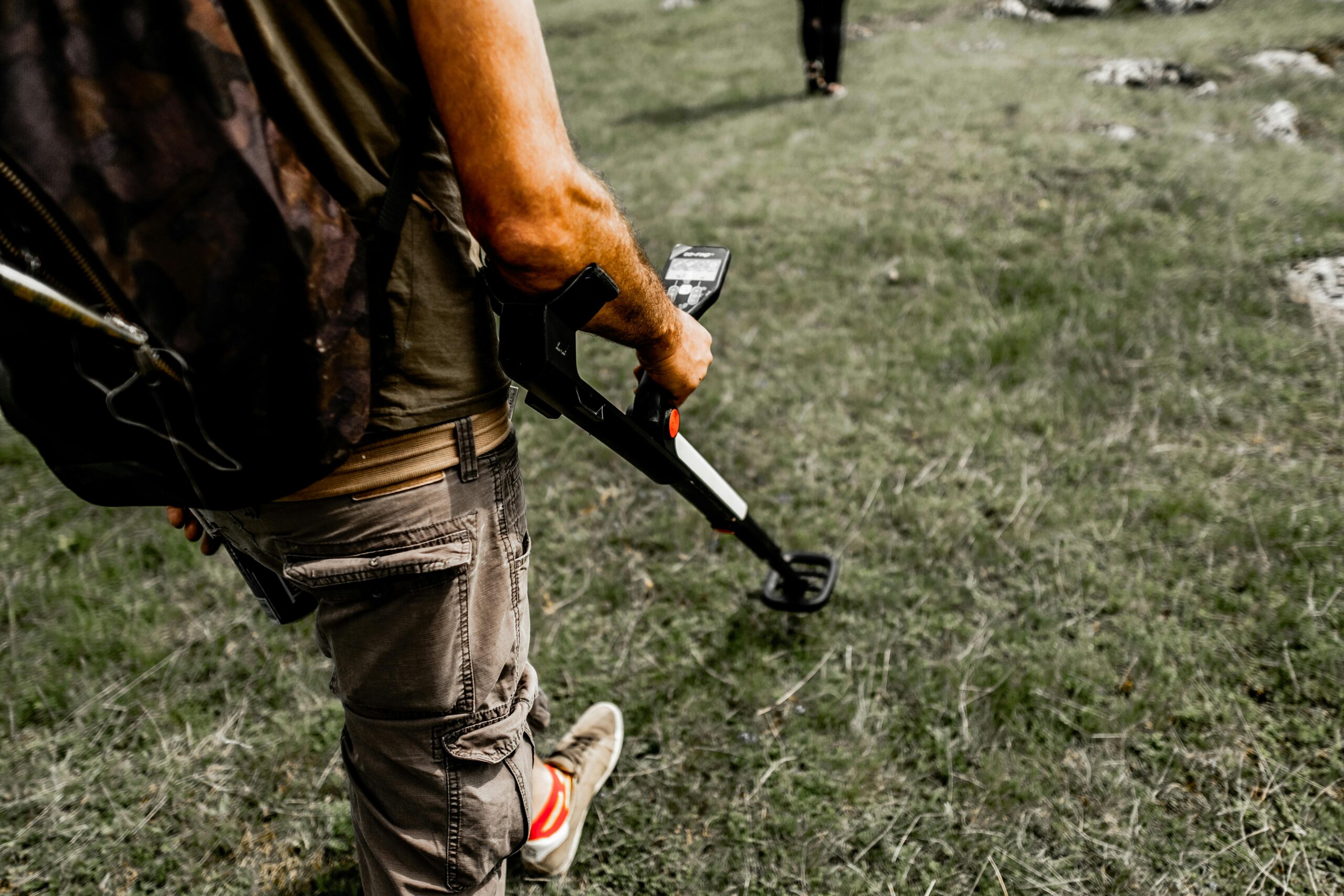
Turning Casual Searches Into Rewarding Adventures
The beauty of smartphone metal detection lies in its accessibility. No significant financial investment, specialized training, or dedicated equipment stands between you and outdoor exploration. Your device is already in your pocket, waiting to reveal hidden metallic secrets all around you.
Start small with familiar locations like your own property or nearby parks. Build confidence and skills before tackling more ambitious search projects. Each outing teaches valuable lessons about signal interpretation, search patterns, and the particular characteristics of your detection app and phone model.
Success in metal detection isn’t measured solely by valuable finds. The outdoor activity, problem-solving challenges, historical connections, and simple joy of discovery provide rewards independent of monetary value. That rusty nail you uncover might seem insignificant, but it represents your growing competence in a fascinating skill.
Whether you’re searching for lost valuables, exploring historical sites, supporting home improvement projects, or simply enjoying technology-enhanced outdoor adventure, your smartphone offers remarkable detection capabilities. Download a quality app, head outside, and start discovering the metallic world hidden just beneath the surface all around you. The next signal you receive might lead to something truly extraordinary. 🔎✨

Toni Santos is a visionary artisan and conceptual designer who channels the beauty of living organisms into structural expression. At Zureste, Toni explores the intricate elegance of insect anatomy, organic flow, and bioinspired design to create art that feels both natural and otherworldly.
Each creation Toni brings to life reflects a harmonic tension between structure and softness, wildness and control — echoing the complex intelligence found in the natural world. From beetle-like silhouettes to root-shaped contours, his work blurs the lines between biology, sculpture, and modern art.
Guided by fascination for metamorphosis, evolution, and pattern in nature, Toni’s pieces embody transformation. His BioLight Collection and conceptual series like Insect Type and Structure Aesthetics offer viewers more than aesthetic value — they present immersive experiences of living design.
As the creative force behind Zureste, Toni invites us to rethink beauty, architecture, and identity through a new lens — one shaped by wings, bones, spirals, and the microscopic poetry of the organic.
His creations reflect:
-
Design deeply rooted in the geometry of life
-
Inspiration from insects, roots, and the unseen natural order
-
A blend of science, spirituality, and visual storytelling
Whether you’re a lover of strange beauty, an admirer of evolution’s artistry, or a creative mind seeking something different, Toni welcomes you into a world where living forms become meaning, and surreal becomes sublime.