
Anúncios
Flight simulation has evolved into an incredibly realistic experience, bringing the thrill of aviation to your fingertips through sophisticated mobile applications that replicate every aspect of piloting aircraft.


Modern flight simulators have transformed how aviation enthusiasts experience the cockpit, offering unprecedented access to realistic aircraft controls, detailed global maps, and authentic airport operations.
Anúncios
These applications bring together cutting-edge technology and passionate communities of virtual pilots who share the dream of flight.

Whether you’re a curious beginner or an experienced aviation enthusiast, today’s mobile flight simulators deliver an immersive experience that mirrors real-world flying. From preflight checks to landing procedures, every element has been carefully crafted to provide authentic piloting sensations without leaving your home.
Anúncios
🛩️ Why Flight Simulation Captures Aviation Enthusiasts
The appeal of flight simulation extends far beyond simple entertainment. For many users, these applications represent an accessible gateway into the world of aviation, offering experiences that would otherwise require significant financial investment and time commitment.
Professional pilots use simulators for training and procedure practice, while hobbyists enjoy the freedom to explore aircraft they might never fly in real life. The technology has reached a point where the physics, weather systems, and aircraft systems closely mirror their real-world counterparts.
Flight simulators also serve educational purposes, teaching fundamental aviation concepts like airspace management, navigation principles, and meteorological understanding. Users develop genuine skills that translate to real-world aviation knowledge, making these applications valuable learning tools.
The Evolution of Mobile Flight Simulation
Mobile flight simulation has progressed dramatically over the past decade. Early applications offered basic arcade-style experiences with limited controls and simplified physics. Today’s simulators feature comprehensive aircraft systems, global satellite imagery, and multiplayer capabilities that rival desktop platforms.
Advanced mobile processors now handle complex calculations for flight dynamics, weather simulation, and detailed 3D graphics simultaneously. This technological leap has enabled developers to create experiences that were previously impossible on portable devices.
The integration of touchscreen controls with optional peripherals like joysticks and throttle controllers provides flexibility in how users interact with their virtual aircraft. This adaptability makes flight simulation accessible to different skill levels and hardware preferences.
✈️ Exploring Advanced Aircraft Controls and Systems
Modern flight simulators distinguish themselves through meticulous attention to aircraft systems. Instead of simplified arcade controls, these applications model realistic cockpit instruments, autopilot functions, and flight management systems that professional pilots actually use.
Users can interact with primary flight displays, navigation instruments, engine parameters, and communication systems. Each aircraft type presents unique characteristics, from single-engine propeller planes to wide-body commercial jets, requiring different piloting techniques and system knowledge.
Mastering Instrument Flying Techniques
One of the most valuable aspects of advanced flight simulators is the ability to practice instrument flight rules (IFR) procedures. Users learn to navigate using VOR stations, GPS waypoints, and approach procedures that mirror real-world aviation protocols.
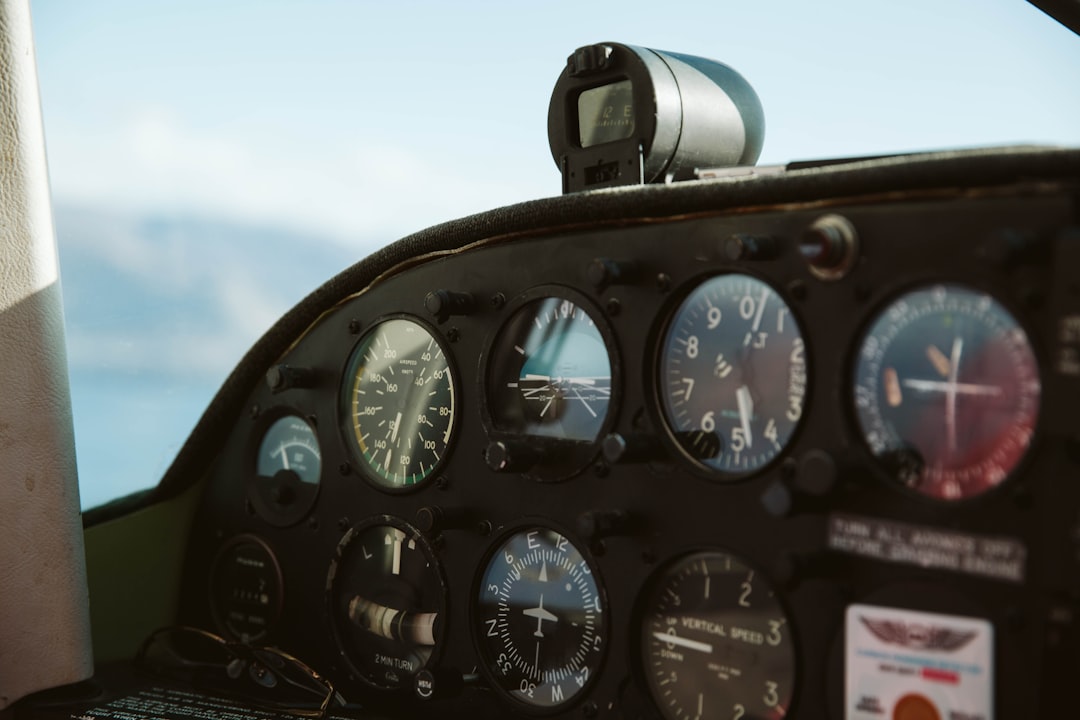
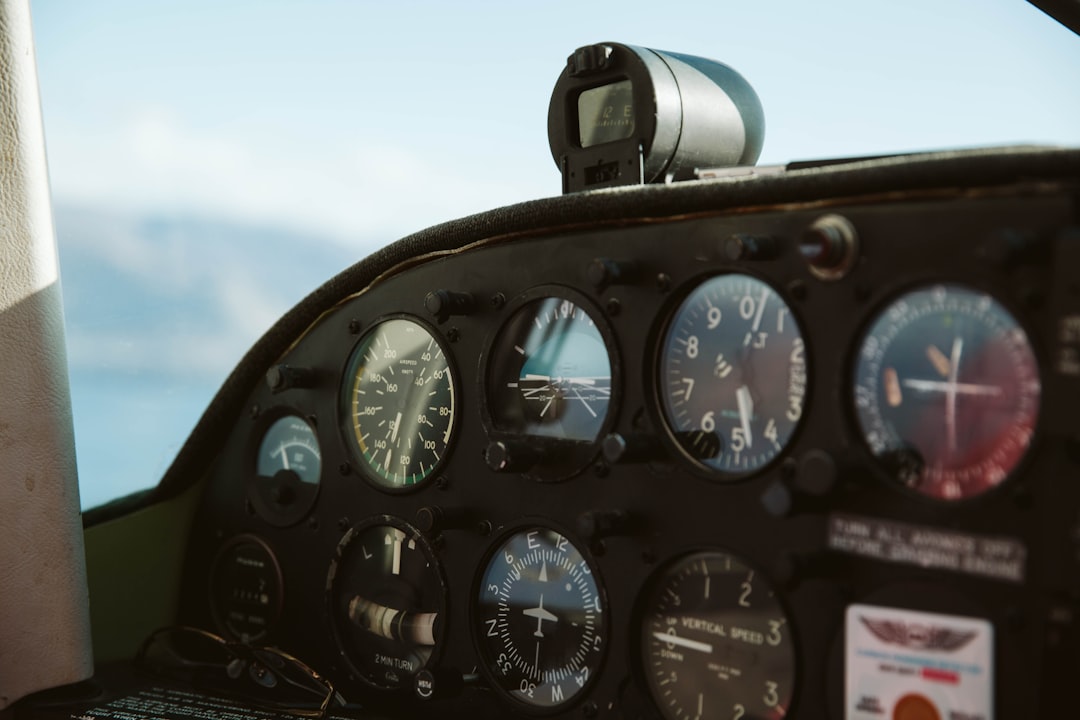
The cockpit displays show critical information including:
- Altitude indicators with barometric pressure settings
- Airspeed measurements showing indicated, true, and ground speeds
- Heading information with magnetic and true north references
- Vertical speed indicators tracking climb and descent rates
- Artificial horizon displaying pitch and bank angles
- Navigation displays showing flight plan routing and waypoints
These instruments function exactly as they would in actual aircraft, teaching users proper scan patterns and interpretation skills that build genuine aviation competency.
Autopilot and Flight Management Systems
Advanced simulators include functional autopilot systems that allow users to program altitude holds, heading selections, and complete flight plan following. The flight management computer (FMC) interface replicates systems found in commercial aircraft, enabling route programming and performance calculations.
Learning to properly use autopilot systems teaches important concepts about aircraft automation, monitoring responsibilities, and the balance between manual flying skills and system management. This knowledge reflects current aviation practices where pilots manage sophisticated automated systems.
🌍 Navigating Global Maps and Realistic Airport Environments
The scope of modern flight simulators extends across the entire planet, with detailed mapping that includes thousands of airports, geographical landmarks, and terrain features. This global coverage enables users to fly anywhere from bustling international hubs to remote airstrips in challenging environments.
Satellite imagery provides realistic ground textures, while elevation data ensures accurate terrain representation. Mountains, valleys, coastlines, and urban areas appear with recognizable detail, making visual navigation possible and enhancing the immersive quality of each flight.
Authentic Airport Operations and Procedures
Airports in quality flight simulators feature accurate runway layouts, taxiway systems, and terminal configurations based on real-world data. Users navigate using airport diagrams, following taxi instructions and runway assignments that mirror actual operations.
Ground services include:
- Pushback operations for departing gates
- Fuel and payload management affecting aircraft performance
- De-icing procedures for winter operations
- Ground power and air conditioning connections
- Marshalling signals for parking guidance
These details create a complete aviation experience that extends beyond simply taking off and landing, encompassing the full operational cycle of commercial and general aviation flights.
Weather Systems and Environmental Challenges
Realistic weather simulation adds another layer of authenticity and challenge. Flight simulators incorporate real-time weather data or customizable conditions including wind patterns, cloud layers, visibility restrictions, and precipitation.
Pilots must consider crosswind components during takeoff and landing, plan routes around thunderstorms, and manage icing conditions at certain altitudes. These environmental factors directly affect aircraft performance and require appropriate decision-making and technique adjustments.
Night flying introduces additional challenges with reduced visibility and reliance on airport lighting systems, navigation lights, and instrument references. The day-night cycle creates varied flying experiences that test different skill sets.
🎮 Customizing Your Flight Experience
Flexibility in simulation settings allows users to tailor experiences to their skill level and interests. Beginners can enable assistance features while learning basic controls, while experienced users can activate full realism settings that demand proper procedures and technique.
Aircraft selection typically ranges from small single-engine trainers to large commercial airliners, each offering distinct flying characteristics. This variety lets users explore different aspects of aviation, from recreational flying to commercial operations.
Realism Settings and Difficulty Options
Adjustable settings control various simulation aspects:
| Setting Category | Beginner Options | Advanced Options |
|---|---|---|
| Flight Physics | Simplified aerodynamics | Full physics modeling with stalls |
| Aircraft Systems | Automated engine management | Manual mixture, prop, and fuel control |
| Navigation Aids | GPS guidance with visual markers | Instrument-only navigation |
| Weather Impact | Calm conditions always | Dynamic weather affecting performance |
| Failure Simulation | Systems always functional | Random or scheduled malfunctions |
This scalability ensures the simulator remains engaging as skills develop, continuously providing appropriate challenges without overwhelming new users or boring experienced ones.
Camera Perspectives and Viewing Options
Multiple camera angles enhance the simulation experience. Cockpit views provide instrument access and realistic pilot perspective, while external cameras offer cinematic angles for appreciating aircraft details and scenic locations.
Some applications include virtual reality support, creating an even more immersive cockpit environment where users can look around naturally and interact with controls through head movements. This technology represents the cutting edge of flight simulation accessibility.
👥 Joining the Multiplayer Aviation Community
Multiplayer functionality transforms solitary simulation into a social experience. Sharing virtual skies with other pilots adds realism through air traffic interactions and creates opportunities for coordinated flying activities.
Virtual air traffic control services, often staffed by trained volunteer controllers, provide realistic communication procedures and traffic management. Pilots receive clearances, routing instructions, and sequencing information just as they would from actual controllers.
Flying with Others in Shared Airspace
Multiplayer sessions require awareness of other aircraft, proper radio communication etiquette, and adherence to aviation protocols. This social dimension teaches important skills about airspace sharing, collision avoidance, and professional communication standards.
Group flights organized by virtual airlines or flying clubs offer structured experiences like formation flying, cross-country tours, and special event operations. These activities build community connections and provide goals beyond individual flight practice.
Virtual Airlines and Career Progression
Many users join virtual airlines that simulate commercial aviation careers. These organizations assign routes, track flight hours, and offer rank progression based on completed flights and adherence to standard operating procedures.
Participating in virtual airline operations provides structure and purpose, encouraging users to fly regularly and learn specific aircraft and route combinations. The career progression mirrors real airline pilot development, creating long-term engagement and skill building.
📚 Learning Real Aviation Knowledge Through Simulation
Beyond entertainment value, flight simulators serve as legitimate educational tools. The principles learned transfer directly to real-world aviation understanding, making them valuable for aspiring pilots or anyone interested in how aircraft operate.
Concepts like aerodynamic forces, weight and balance calculations, fuel planning, and airspace classification become tangible through interactive simulation. Users gain intuitive understanding that complements theoretical study.
Procedural Knowledge and Checklist Usage
Proper flight simulation involves following checklists for different flight phases, just as real pilots do. These procedures cover preflight inspections, engine starting sequences, before-takeoff checks, cruise configurations, approach preparations, and after-landing tasks.
Developing checklist discipline builds systematic thinking and thoroughness. Users learn that aviation safety depends on consistent procedure following rather than relying on memory, a fundamental principle in professional flying.
Navigation and Chart Reading Skills
Flight planning using aeronautical charts teaches map reading, coordinate systems, and route optimization. Users learn to identify navigation aids, understand airspace boundaries, and calculate distances and fuel requirements.
These skills involve practical mathematics and geography applications, making learning engaging and purposeful. Understanding how to navigate from point A to point B using various methods builds problem-solving abilities applicable beyond aviation.
🚀 Pushing Your Piloting Skills Further
As proficiency develops, users can pursue increasingly challenging flying scenarios. Precision approaches in low visibility, operations from short or high-altitude runways, and emergency procedure practice push skill boundaries and maintain engagement.
Advanced techniques like crosswind landings, circling approaches, and single-engine operations in multi-engine aircraft require practice and finesse. Simulators provide safe environments to develop these capabilities without real-world risks.
Emergency Procedures and Abnormal Situations
Simulators excel at allowing practice with situations too dangerous to deliberately create in real aircraft. Engine failures, electrical system malfunctions, hydraulic problems, and adverse weather encounters can be experienced and managed repeatedly until responses become automatic.
This training value extends to real pilots who use simulators for recurrent training and proficiency maintenance. The ability to repeatedly practice critical scenarios builds competence and confidence that enhances safety when actual problems occur.
Competitive Flying and Time Trials
Some users enjoy competitive aspects like precision landing challenges, speed records on specific routes, or fuel efficiency competitions. These activities add game-like elements while reinforcing good technique and flight management.
Leaderboards and achievement systems provide measurable goals and recognition for accomplishments, motivating continued improvement and exploration of different aircraft and flying scenarios.
🔧 Optimizing Performance and Technical Considerations
Getting the best experience from flight simulators involves balancing graphical quality with smooth performance. Understanding device capabilities and adjusting settings accordingly ensures enjoyable, frustration-free flying.
Graphics settings control terrain detail, aircraft models, weather effects, and traffic density. Higher-end devices handle maximum settings easily, while older hardware may require compromises to maintain acceptable frame rates.
Control Configuration and Input Devices
Touchscreen controls work surprisingly well, but external controllers significantly enhance the experience. Bluetooth joysticks and throttle quadrants provide tactile feedback and precision that touchscreens cannot match.
Customizing control sensitivity and button assignments allows personalization to individual preferences. Finding the right configuration makes flying feel natural and responsive, reducing workload and increasing enjoyment.
Storage and Download Considerations
High-quality flight simulators require substantial storage space for aircraft models, scenery data, and terrain textures. Users should verify available device storage before installation and be prepared for additional downloads as content expands.
Some applications offer streaming scenery that downloads regions as needed rather than requiring complete global data upfront. This approach reduces initial storage requirements but needs reliable internet connectivity during flights.
🌟 The Future of Mobile Flight Simulation
Technology continues advancing, promising even more realistic and accessible flight simulation experiences. Improved graphics capabilities, better physics modeling, and expanded content keep pushing boundaries of what’s possible on mobile platforms.
Integration with emerging technologies like augmented reality could create hybrid experiences blending real environments with virtual aircraft. Machine learning might enable more realistic air traffic patterns and weather modeling.
The growing user community drives development forward, with feedback shaping new features and improvements. This collaborative relationship between developers and users ensures simulators continue evolving to meet aviation enthusiasts’ needs and expectations.
Taking Flight: Your Journey Begins Now
The opportunity to experience realistic flight simulation has never been more accessible. Advanced mobile applications deliver authentic piloting experiences with detailed aircraft systems, global scenery, and vibrant communities of fellow aviation enthusiasts.
Whether your interest lies in casual sightseeing flights over familiar locations, mastering complex instrument procedures, or participating in virtual airline operations, modern flight simulators offer pathways to fulfill these aspirations. The learning curve accommodates all skill levels, with assistance features for beginners and full realism options for experienced users.
Starting your virtual aviation journey requires only curiosity and willingness to learn. The skills you develop extend beyond the application itself, building genuine understanding of aviation principles, navigation techniques, and operational procedures that professionals use daily.
Flight simulation bridges the gap between dreaming about flying and experiencing the sensations of piloting aircraft across diverse conditions and locations. The technology puts you in the captain’s seat, empowering you to explore the skies on your own terms and schedule.
Every flight presents new learning opportunities and challenges to overcome. From your first tentative takeoff to confidently executing instrument approaches in challenging weather, the progression builds skills and confidence while maintaining the wonder that makes aviation captivating.

Toni Santos is a visionary artisan and conceptual designer who channels the beauty of living organisms into structural expression. At Zureste, Toni explores the intricate elegance of insect anatomy, organic flow, and bioinspired design to create art that feels both natural and otherworldly.
Each creation Toni brings to life reflects a harmonic tension between structure and softness, wildness and control — echoing the complex intelligence found in the natural world. From beetle-like silhouettes to root-shaped contours, his work blurs the lines between biology, sculpture, and modern art.
Guided by fascination for metamorphosis, evolution, and pattern in nature, Toni’s pieces embody transformation. His BioLight Collection and conceptual series like Insect Type and Structure Aesthetics offer viewers more than aesthetic value — they present immersive experiences of living design.
As the creative force behind Zureste, Toni invites us to rethink beauty, architecture, and identity through a new lens — one shaped by wings, bones, spirals, and the microscopic poetry of the organic.
His creations reflect:
-
Design deeply rooted in the geometry of life
-
Inspiration from insects, roots, and the unseen natural order
-
A blend of science, spirituality, and visual storytelling
Whether you’re a lover of strange beauty, an admirer of evolution’s artistry, or a creative mind seeking something different, Toni welcomes you into a world where living forms become meaning, and surreal becomes sublime.