
Anúncios
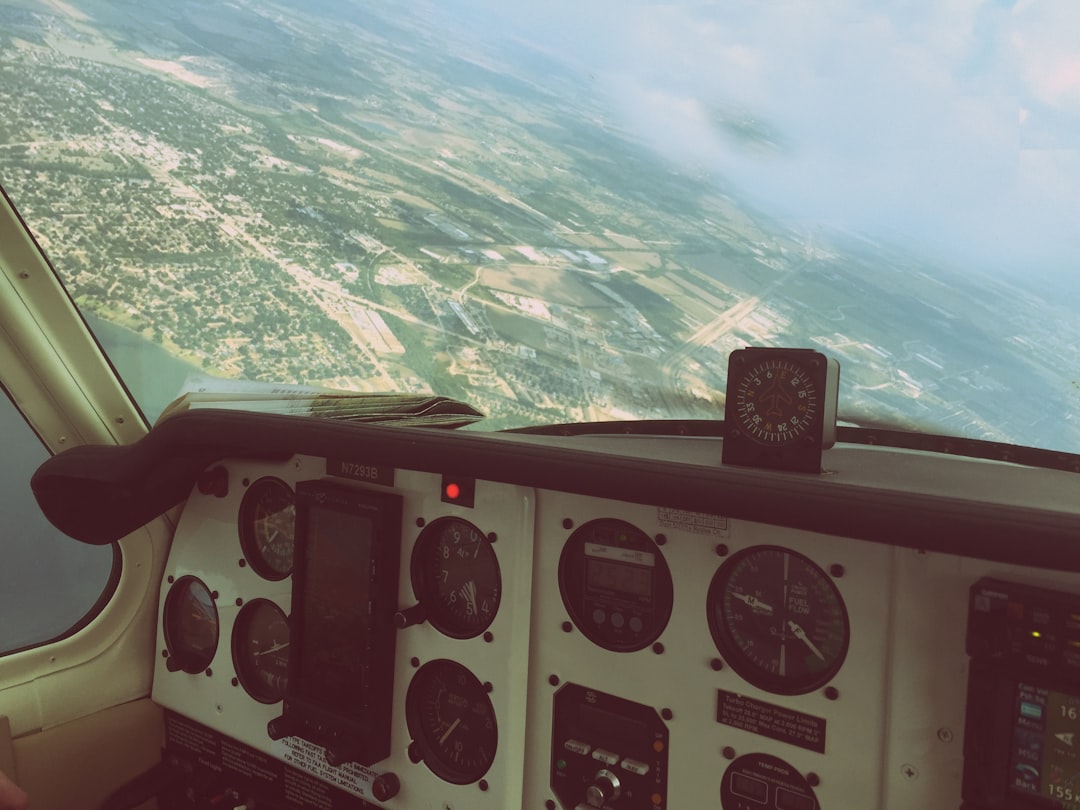
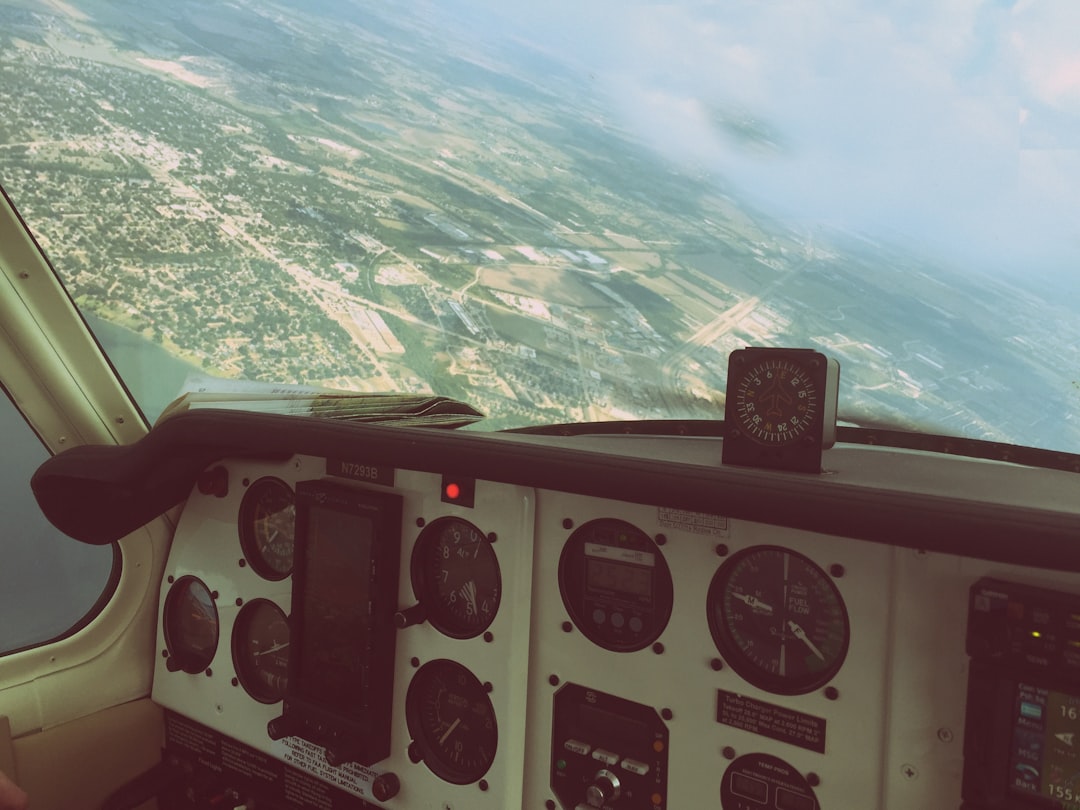
Modern mobile technology has transformed the dream of flying into an accessible reality, bringing professional-grade flight simulation to the palm of your hand. ✈️


Flight simulation on mobile devices has evolved dramatically over the past decade.
Anúncios
What once required expensive desktop setups and specialized equipment now fits comfortably in your pocket, delivering stunning graphics, authentic physics, and comprehensive aircraft systems that mirror real-world aviation.

Whether you’re an aviation enthusiast, aspiring pilot, or simply curious about what happens in the cockpit, mobile flight simulators offer an unprecedented opportunity to experience the complexity and wonder of piloting aircraft ranging from small propeller planes to massive commercial jets.
Anúncios
The Revolution of Mobile Flight Simulation Technology
The journey from basic arcade-style flying games to sophisticated simulators represents one of mobile gaming’s most impressive technical achievements. Today’s smartphones pack processing power that rivals computers from just a few years ago, enabling developers to create experiences that would have seemed impossible on portable devices.
Advanced physics engines calculate everything from aerodynamic forces to weather effects in real-time. Modern mobile flight simulators process thousands of variables simultaneously, including aircraft weight distribution, fuel consumption, atmospheric conditions, and control surface responses.
Graphics capabilities have similarly exploded. Current-generation mobile processors render detailed 3D cockpits with functional instruments, realistic terrain generated from satellite data, and dynamic lighting that changes based on time of day and weather conditions. The visual fidelity creates an immersive environment where you can identify landmarks, navigate by visual references, and experience the genuine sensation of flight.
Real-World Aircraft Systems at Your Fingertips
What separates true flight simulators from simple flying games is the depth of aircraft systems modeling. Premium mobile simulators incorporate:
- Functional autopilot systems that mirror real aircraft, including altitude hold, heading select, and approach modes
- Navigation instruments such as GPS, VOR (VHF Omnidirectional Range), and ILS (Instrument Landing System)
- Engine management requiring proper throttle, mixture, and propeller pitch adjustments
- Electrical and fuel systems that must be monitored and managed throughout the flight
- Flight control surfaces responding realistically to pilot inputs and atmospheric conditions
This level of detail transforms casual entertainment into genuine learning opportunities. Many users discover that mobile simulators provide excellent preparation for actual flight training, teaching fundamental concepts like traffic patterns, instrument interpretation, and radio communication procedures.
Choosing Your Virtual Aircraft Fleet
The variety of aircraft available in modern mobile simulators rivals what you’d find in professional desktop applications. From vintage warbirds to cutting-edge commercial airliners, each aircraft type offers unique flying characteristics and challenges.
General aviation aircraft like the Cessna 172 provide an ideal starting point for new virtual pilots. These single-engine planes are forgiving, relatively simple to operate, and perfect for learning basic flight principles. You’ll master takeoffs, landings, and navigating by visual landmarks before progressing to more complex machines.
Regional turboprops introduce multi-engine operations and more sophisticated systems. Aircraft in this category require coordination of multiple power plants, understanding of propeller feathering, and familiarity with more advanced autopilot functions.
Commercial jets represent the pinnacle of simulation complexity. Flying a Boeing 737 or Airbus A320 virtually demands knowledge of flight management systems, proper climb and descent profiles, complex approach procedures, and crew resource management principles. These aircraft feature glass cockpits with electronic flight displays that present information differently than traditional analog instruments.
Military and Specialty Aircraft Experiences
Beyond civilian aviation, many simulators include military fighters, cargo aircraft, and helicopters. Each category demands different skills and offers distinct experiences.
Fighter jets emphasize high-speed maneuvering, energy management, and precision control. The performance envelope of these aircraft pushes both the simulator and your piloting skills to their limits.
Cargo and transport aircraft focus on precision, weight and balance considerations, and operating from challenging airfields. Loading cargo properly affects aircraft handling, requiring careful planning before each flight.
Helicopters present entirely different physics and control schemes. Mastering hovering, coordinating collective and cyclic inputs, and managing the unique flight characteristics of rotary-wing aircraft provides a refreshing challenge even for experienced fixed-wing virtual pilots.
Exploring the Global Airspace From Your Device
Mobile flight simulators typically feature expansive, detailed representations of Earth’s geography. Using satellite imagery and terrain elevation data, these applications recreate the entire planet with remarkable accuracy.
You can depart from **Los Angeles International Airport (LAX)**, navigate along the California coastline, and land at **San Francisco (SFO)** while seeing recognizable landmarks throughout the journey. Alternatively, challenge yourself with approaches into **Innsbruck Airport** in Austria, notorious among real pilots for its mountainous terrain and demanding procedures.
Weather systems add another layer of realism and challenge. Dynamic weather engines generate clouds, wind, turbulence, and precipitation based on real-world meteorological data or customizable conditions. Flying through a thunderstorm or managing crosswind landings tests skills that directly translate to real-world aviation scenarios.
Realistic Airport Operations and Air Traffic Control
Authentic airport environments include proper taxiway layouts, accurate runway configurations, and functional ground lighting systems. High-quality simulators model:
- Precision approach lighting systems that guide you to the runway threshold
- Taxiway signs and markings matching real-world airport diagrams
- Ground vehicles and jetways at major airports
- Proper runway and taxiway surface textures
- Region-specific airport architecture and terminal designs
Some applications integrate with networks of real people acting as air traffic controllers, providing clearances, vectors, and instructions just like real ATC. This multiplayer dimension adds unpredictability and requires communication skills, proper phraseology, and the ability to follow instructions while managing your aircraft.
Mastering Flight Procedures and Techniques
Becoming proficient in mobile flight simulation involves understanding and practicing standardized procedures that real pilots use daily. These structured approaches ensure safety, efficiency, and predictability in aviation operations.
**Preflight procedures** begin before engine start. Checking fuel levels, setting flight instruments, programming navigation equipment, and verifying control surface movement establish proper habits. Rushing through these steps often leads to problems discovered at the worst possible moments.
**Takeoff techniques** vary by aircraft and conditions. Short-field takeoffs maximize performance from limited runway lengths. Noise abatement procedures reduce disturbance to communities near airports. Crosswind takeoffs require specific control inputs to maintain directional control during the ground roll and initial climb.
Navigating Through Different Flight Phases
The **climb phase** requires balancing airspeed, rate of climb, and power settings. Maintaining the proper climb speed ensures engine cooling and optimal performance. Professional procedures include specific callouts at key altitudes and checklist items to verify systems configuration.
During **cruise flight**, fuel management becomes paramount on longer flights. Leaning the mixture properly (in piston aircraft) or setting appropriate thrust levels (in jets) maximizes range and efficiency. Navigation requires monitoring your route, making course corrections for wind drift, and preparing for upcoming waypoints or procedural requirements.
The **descent and approach** phases demand precision and planning. Calculating top-of-descent points ensures you arrive at the proper altitude for your approach procedure without excessive sink rates or last-minute corrections. Configuring the aircraft with landing gear and flaps follows specific speeds and sequences unique to each aircraft type.
Landing represents the culmination of all flying skills. Proper approach speed control, glide path management, flare timing, and touchdown zone targeting separate smooth arrivals from hard arrivals. Crosswind landings add complexity, requiring wing-low or crab techniques to compensate for lateral wind components.
Advanced Features That Enhance Realism
Top-tier mobile simulators incorporate sophisticated features that blur the line between simulation and reality. These systems work together to create experiences that genuinely prepare users for actual flying or deepen their understanding of aviation.
**Live weather integration** pulls current meteorological data from real weather services. When you fly from New York to Miami virtually, you encounter the same weather systems currently affecting those areas in reality. This feature transforms every flight into a unique experience and teaches weather decision-making skills.
**Time-of-day simulation** with accurate sun and moon positioning affects visibility and creates stunning visual moments. Watching the sunrise from cruise altitude or executing a night landing with only runway lights visible delivers experiences that feel genuinely special.
Multiplayer Environments and Shared Skies
Flying alongside other real people fundamentally changes the simulation experience. Multiplayer servers host hundreds or thousands of simultaneous users, creating busy airspace that mirrors real-world traffic density at major airports.
Sharing frequency with other pilots requires radio discipline and situational awareness. You’ll coordinate with others in the traffic pattern, maintain separation, and occasionally troubleshoot conflicts when multiple aircraft want the same runway simultaneously.
Virtual airlines and flight groups organize structured operations, complete with schedules, ranks, and performance tracking. These communities provide social connections, friendly competition, and opportunities to participate in coordinated events like fly-ins or holiday-themed flights.
Optimizing Your Mobile Simulation Setup
While mobile simulators work perfectly with touchscreen controls, several accessories dramatically enhance the experience and improve precision.
**External controllers** designed specifically for flight simulation connect via Bluetooth and provide physical controls for rudder, throttle, and flight surfaces. These devices offer tactile feedback and finer control authority than on-screen inputs, particularly valuable during critical phases like landing.
**Tablet devices** with larger screens provide more cockpit real estate, making instrument scanning easier and reducing the need for view switching. The additional screen space helps maintain situational awareness, especially when flying complex approaches or managing multiple navigation displays.
Display and Audio Enhancements
**External monitors or displays** connected through compatible devices transform mobile simulation into a near-desktop experience. Larger viewing areas reduce eye strain during extended flights and allow for better traffic spotting and terrain awareness.
Quality **headphones or earbuds** dramatically improve immersion through engine sounds, environmental audio, and radio communications. Many simulators feature 3D audio positioning, where sound sources change position relative to your viewpoint, enhancing spatial awareness.
Adjusting **graphics settings** balances visual quality with performance. Modern devices handle maximum graphics impressively, but reducing certain settings extends battery life and maintains smooth frame rates during demanding scenarios with weather effects or dense airports.
Learning Aviation Theory Through Interactive Experience
Mobile flight simulators serve as excellent educational tools for understanding aviation concepts that seem abstract in textbooks but become clear through hands-on practice.
**Aerodynamic principles** like lift, drag, thrust, and weight reveal themselves through experimentation. Observing how pitch changes affect airspeed, how power settings influence climb performance, or how weight affects takeoff distance transforms theoretical knowledge into intuitive understanding.
**Navigation techniques** ranging from pilotage (visual landmark navigation) to instrument procedures become accessible. Programming and flying GPS routes teaches waypoint navigation. Tracking VOR radials demonstrates radio navigation principles. Flying published instrument approaches introduces the precision required for all-weather operations.
Weather Decision-Making and Safety Consciousness
Understanding **meteorological effects on flight** develops naturally through simulation experience. Encountering icing conditions, thunderstorm turbulence, or low visibility teaches the importance of weather briefings and conservative decision-making that prioritizes safety over schedule.
**Emergency procedures** practiced in simulation build muscle memory and decision-making skills. Engine failures, electrical problems, or navigation equipment malfunctions require systematic troubleshooting and controlled responses. Repeatedly practicing emergencies in the no-risk simulation environment builds confidence for handling abnormal situations.
Building Skills That Transfer to Real Aviation
While mobile simulators can’t replace actual flight training, they provide valuable preparation and skill development that translates remarkably well to real cockpits.
**Instrument scanning patterns** learned virtually transfer directly to aircraft. The habit of continuously monitoring airspeed, altitude, heading, and vertical speed becomes automatic through repetition in simulation before you ever occupy a real pilot seat.
**Procedural knowledge** like radio phraseology, traffic pattern procedures, and checklist discipline practiced in simulation reduces the learning curve during actual training. Students who’ve spent time in quality simulators often progress faster through initial training phases.
**Situational awareness skills** develop through managing the big picture while handling immediate tasks. Maintaining awareness of your position, traffic, weather, fuel state, and destination requirements while actively flying the aircraft represents a core piloting competency that simulation exercises effectively.
The Community and Culture of Mobile Aviation
Mobile flight simulation has cultivated a vibrant, welcoming community of aviation enthusiasts spanning all experience levels from complete beginners to real-world commercial pilots.
Online forums, social media groups, and dedicated Discord servers provide spaces for sharing screenshots, discussing techniques, troubleshooting problems, and organizing group flights. This community support accelerates learning and enriches the overall experience.
Content creators produce tutorials, airport reviews, aircraft guides, and entertaining flight videos that inspire and educate. These resources complement in-app training, offering perspectives and tips from experienced virtual aviators.
Regular **community events** bring pilots together for coordinated activities. Fly-ins to specific airports, formation flying practice, or recreations of historic flights create memorable shared experiences that extend beyond individual practice sessions.
Your Journey Into Virtual Aviation Starts Now
The barrier to experiencing professional-grade flight simulation has never been lower. Your smartphone or tablet already contains the hardware necessary to explore aviation’s complexities, beauty, and challenges.
Starting your virtual aviation journey requires simply downloading a quality simulator and dedicating time to learning. Begin with basic aircraft, master fundamental procedures, and gradually progress to more complex machines and scenarios as your skills develop.
The knowledge, procedures, and appreciation for aviation you gain through mobile simulation enriches travel experiences, deepens understanding of the industry, and potentially ignites a passion that leads to pursuing actual pilot certification.
Every real airline captain, military pilot, and general aviation enthusiast started as someone who looked at aircraft with wonder and curiosity. Mobile flight simulation provides an accessible entry point to that world, offering experiences once reserved for those with access to expensive equipment or actual aircraft. The sky truly is no longer the limit when the entire aviation world fits in your pocket. 🌍✈️

Toni Santos is a visionary artisan and conceptual designer who channels the beauty of living organisms into structural expression. At Zureste, Toni explores the intricate elegance of insect anatomy, organic flow, and bioinspired design to create art that feels both natural and otherworldly.
Each creation Toni brings to life reflects a harmonic tension between structure and softness, wildness and control — echoing the complex intelligence found in the natural world. From beetle-like silhouettes to root-shaped contours, his work blurs the lines between biology, sculpture, and modern art.
Guided by fascination for metamorphosis, evolution, and pattern in nature, Toni’s pieces embody transformation. His BioLight Collection and conceptual series like Insect Type and Structure Aesthetics offer viewers more than aesthetic value — they present immersive experiences of living design.
As the creative force behind Zureste, Toni invites us to rethink beauty, architecture, and identity through a new lens — one shaped by wings, bones, spirals, and the microscopic poetry of the organic.
His creations reflect:
-
Design deeply rooted in the geometry of life
-
Inspiration from insects, roots, and the unseen natural order
-
A blend of science, spirituality, and visual storytelling
Whether you’re a lover of strange beauty, an admirer of evolution’s artistry, or a creative mind seeking something different, Toni welcomes you into a world where living forms become meaning, and surreal becomes sublime.