
Anúncios
Modern technology has transformed car diagnostics, making professional-grade scanning tools accessible right from your pocket through smartphone apps and portable OBD2 devices.


Gone are the days when diagnosing car problems meant expensive trips to the mechanic for every warning light.
Anúncios
Today’s smartphone-based automotive scanners deliver instant access to your vehicle’s internal diagnostics, saving time and money while empowering drivers with knowledge about their car’s health.

Whether you drive a 2005 sedan or a 2024 SUV, understanding how to read your vehicle’s diagnostic codes can prevent minor issues from becoming major repairs. Let’s explore how automotive scanners work and how you can start using one today.
Anúncios
🔧 Understanding OBD2: The Universal Language of Modern Vehicles
Every car manufactured after 1996 in the United States (and similar years in other regions) comes equipped with an On-Board Diagnostics II (OBD2) system. This standardized interface monitors dozens of sensors throughout your vehicle, tracking everything from engine performance to emissions levels.
The OBD2 port, typically located under the dashboard near the steering column, serves as the gateway to your vehicle’s computer system. When sensors detect abnormal readings, the system generates Diagnostic Trouble Codes (DTCs) and triggers the check engine light or other warning indicators.
These codes follow a standardized format starting with a letter (P for powertrain, B for body, C for chassis, U for network) followed by four digits. For example, P0420 indicates a catalyst system efficiency issue, while P0300 signals random engine misfires.
What Information Can You Access?
Modern automotive scanners connected to your smartphone can retrieve:
- Active diagnostic codes currently triggering warning lights
- Pending codes that haven’t yet activated warnings
- Freeze frame data showing exact conditions when a fault occurred
- Real-time sensor readings including RPM, coolant temperature, oxygen sensor data
- Emission readiness status for inspection preparation
- Fuel trim adjustments indicating engine efficiency
- Vehicle Identification Number (VIN) and calibration information
📱 How Smartphone-Based Car Scanners Work
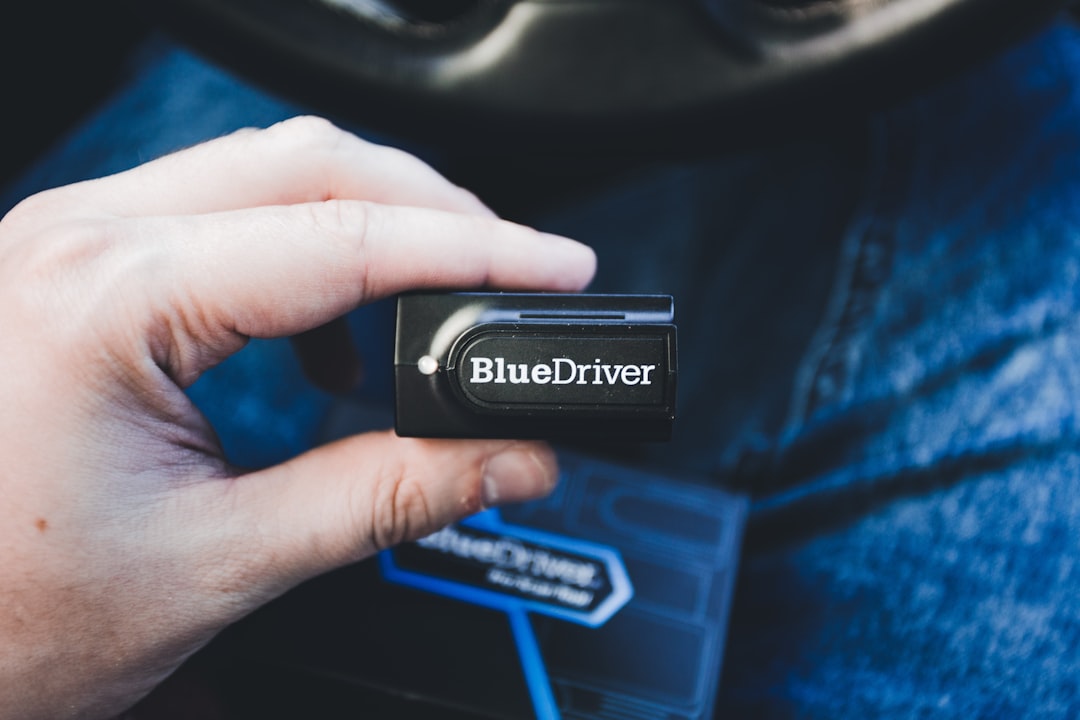
The setup combines two components: a physical OBD2 adapter that plugs into your car’s diagnostic port, and a smartphone application that interprets the data. The adapter communicates with your phone via Bluetooth or Wi-Fi, sending diagnostic information in real-time.
Quality adapters range from $20 to $100, with premium models offering faster processors, broader vehicle compatibility, and enhanced features. The price difference often reflects chip quality and update frequency rather than just brand names.
Bluetooth vs. Wi-Fi Adapters: Which to Choose?
| Feature | Bluetooth Adapters | Wi-Fi Adapters |
|---|---|---|
| Connection Speed | Moderate (10-20 readings/second) | Fast (50-100 readings/second) |
| Power Consumption | Low | Moderate |
| Battery Drain | Minimal when car off | Can drain battery if left plugged in |
| Device Compatibility | Works with most smartphones | Requires Wi-Fi management |
| Price Range | $20-$60 | $25-$80 |
For most drivers, Bluetooth adapters offer the best balance of convenience, compatibility, and performance. Wi-Fi versions excel when you need maximum data throughput for advanced monitoring or performance tuning.
💡 Setting Up Your First Automotive Scanner
Getting started takes less than five minutes. First, locate your vehicle’s OBD2 port—usually found beneath the dashboard on the driver’s side, near the steering column or center console. Some vehicles hide it behind removable panels or in the glove compartment.
With the engine off, plug the adapter firmly into the port until it clicks. Most adapters feature LED lights indicating power and connectivity status. Turn your ignition to the “ON” position (engine doesn’t need to run for basic scans, though real-time monitoring requires the engine running).
Pairing Your Smartphone
Download a quality OBD2 app—options range from free basic readers to premium applications with advanced features. Open your phone’s Bluetooth settings and scan for new devices. The adapter typically appears with names like “OBD2,” “OBDII,” or the manufacturer’s designation.
After pairing, launch the app and select your adapter from the available connections. Most applications automatically detect your vehicle’s make, model, and supported protocols. The initial connection may take 15-30 seconds as the app queries your vehicle’s systems.
🔍 Reading and Understanding Diagnostic Codes
When your check engine light illuminates, the scanner reveals the specific codes triggering the warning. Each code provides a starting point for diagnosis, not always a definitive answer. For instance, code P0171 indicates the engine runs too lean (too much air, not enough fuel), but the root cause could be a vacuum leak, faulty mass airflow sensor, or failing fuel pump.
Generic codes (starting with P0, B0, C0, U0) work across all vehicle manufacturers, while manufacturer-specific codes (P1, B1, C1, U1 and higher) provide detailed information unique to your car’s brand. A Ford P1000 means something completely different than a Toyota P1000.
Freeze Frame Data: The Diagnostic Time Capsule
When a fault triggers a code, your vehicle’s computer captures a snapshot of operating conditions at that exact moment. This freeze frame data includes:
- Engine RPM when the fault occurred
- Vehicle speed at the time
- Coolant and intake air temperatures
- Fuel system status and trim values
- Load percentage on the engine
- Throttle position
This information helps identify patterns. A misfire code that occurs only at highway speeds under load suggests different issues than one appearing at idle. Professional mechanics rely heavily on freeze frame data for accurate diagnosis.
⚙️ Real-Time Monitoring for Performance and Prevention
Beyond reading stored codes, automotive scanners excel at live data monitoring. Watch sensor values update in real-time as you drive, revealing issues before they trigger warning lights. This proactive approach catches developing problems early.
Monitor coolant temperature to identify failing thermostats or cooling system issues. Track oxygen sensor voltages to assess fuel system health. Observe fuel trim values to detect vacuum leaks or injector problems. Each parameter tells part of your vehicle’s story.
Key Parameters Worth Monitoring
Short-term and long-term fuel trims (STFT/LTFT): Values between -10% and +10% indicate healthy fuel delivery. Numbers consistently above +10% mean the engine compensates for running lean; below -10% suggests running rich. Both scenarios warrant investigation.
Oxygen sensor voltages: Upstream sensors should fluctuate rapidly between 0.1-0.9 volts during normal operation. Stuck readings indicate sensor failure or exhaust leaks. Downstream sensors show steadier readings, confirming catalytic converter function.
Coolant temperature: Most engines operate between 195-220°F. Temperatures consistently below normal suggest thermostat issues; excessive heat indicates cooling system problems requiring immediate attention.
Mass Air Flow (MAF) readings: At idle, expect roughly 2-7 grams/second depending on engine size. Values significantly outside this range point to sensor contamination or failure affecting fuel delivery calculations.
🛠️ Clearing Codes: When and Why
After addressing a problem, you can clear diagnostic codes through the scanner app. The check engine light extinguishes, and the system resets to monitor for recurring issues. However, clearing codes doesn’t fix problems—it simply removes the symptoms.
Some drivers clear codes hoping to pass emissions testing, but modern systems track readiness monitors that must complete their self-tests before certification. Clearing codes resets these monitors, requiring 50-100 miles of varied driving before the vehicle becomes “ready” again.
Clear codes only after repairs or when troubleshooting intermittent issues. If the same code returns immediately or after a few drive cycles, the underlying problem persists and requires proper repair.
🚗 Advanced Features in Premium Scanner Apps
While basic code reading proves valuable, advanced applications offer features rivaling professional scan tools. Graphing capabilities plot multiple parameters simultaneously, revealing correlations between sensors that point to specific failures.
Some apps provide repair suggestions and troubleshooting guides for common codes, walking you through diagnostic procedures step-by-step. Others integrate with online databases, showing reported fixes from other drivers experiencing identical issues with your vehicle model.
Emission Testing Preparation
Premium scanners display emission monitor status for all required tests. Before heading to an inspection station, verify all monitors show “Ready” status. Monitors that haven’t completed appear as “Not Ready,” causing automatic test failures in many jurisdictions.
The system requires specific driving conditions to complete each monitor: steady highway cruising for the evaporative system, varied speeds with acceleration and deceleration for the catalyst monitor, and idle periods for oxygen sensor monitoring.
Performance Logging and Trip Recording
Track multiple drives with data logging features, recording every parameter for later analysis. Performance enthusiasts use this functionality to monitor modifications, while everyday drivers spot developing issues through trend analysis over weeks or months.
Export data in CSV format for spreadsheet analysis or share with mechanics when seeking remote diagnostics or second opinions. This documented history often proves invaluable when dealing with intermittent problems that don’t occur during shop visits.
💰 Saving Money with DIY Diagnostics
Professional diagnostic scans typically cost $50-$150 at repair shops and dealerships. With a one-time $30-$100 investment in an adapter and free or low-cost apps, you perform unlimited scans forever. The tool pays for itself after the first or second use.
Beyond scan costs, knowing specific fault codes prevents unnecessary repairs. Mechanics sometimes recommend replacing multiple components when only one actually failed. Armed with precise codes and freeze frame data, you make informed decisions about repairs and seek competitive quotes.
For example, code P0420 (catalyst efficiency below threshold) doesn’t always mean replacing the expensive catalytic converter. The same code can result from exhaust leaks, failing oxygen sensors, or even just sensor wiring issues—repairs costing hundreds less than catalyst replacement.
🔐 Security and Privacy Considerations
Your vehicle’s OBD2 system contains considerable information about driving habits, locations (if GPS-equipped), and operational history. Choose reputable scanner applications from established developers with clear privacy policies.
Some free apps harvest and sell diagnostic data, building profiles of vehicle usage and maintenance history. Read permissions carefully—legitimate OBD2 apps don’t need access to contacts, cameras, or other unrelated phone features.
Remove the adapter when not in use, particularly with Wi-Fi models that drain battery or Bluetooth versions that maintain open connections. This practice also prevents potential security vulnerabilities from unauthorized access to your vehicle’s data port.
🌟 Choosing the Right Scanner System
Match your scanner to your needs and technical comfort level. Casual users wanting basic code reading and clearing need only simple adapters and free apps. DIY mechanics benefit from mid-range setups offering live data and graphing.
Consider vehicle compatibility carefully. While OBD2 standardization covers basic functions, some vehicles—particularly European and luxury brands—require specific protocols for complete access. Research adapter compatibility with your exact make and model before purchasing.
App ecosystem matters significantly. Android and iOS offer different applications, with some platforms providing superior options. Check app reviews focusing on your vehicle’s manufacturer, as compatibility and feature sets vary considerably between car brands.
Features Worth Prioritizing
- Clear code explanations in plain language, not just code numbers
- Freeze frame data access for accurate diagnosis
- Multiple simultaneous gauges for monitoring several parameters
- Customizable dashboards displaying your preferred data
- Regular app updates adding new vehicle coverage and features
- Export capabilities for sharing data or keeping maintenance records
- Offline code libraries that work without internet connectivity
🔄 Maintenance Scheduling and Long-Term Monitoring
Transform your scanner from a reactive troubleshooting tool into a proactive maintenance partner. Regularly monitor critical parameters even when no warning lights appear. Monthly checks reveal gradual sensor degradation or developing issues before they strand you roadside.
Create a baseline of your vehicle’s normal operating values when everything works correctly. Record typical fuel trims, sensor voltages, and temperature readings. Future deviations from these baselines flag developing problems worthy of investigation.
Track mileage-based maintenance through some advanced apps featuring service interval reminders. Log oil changes, filter replacements, and other maintenance activities alongside diagnostic data, building comprehensive vehicle history documentation that enhances resale value.
📊 Interpreting Complex Diagnostic Scenarios
Multiple simultaneous codes often point to single root causes rather than separate failures. A cascade of powertrain codes might stem from one failing sensor providing incorrect data to multiple systems. Experienced diagnosticians follow systematic approaches, addressing underlying issues before replacing components.
Intermittent codes presenting the biggest challenges disappear before proper diagnosis. Freeze frame data becomes critical here, revealing environmental conditions triggering occasional faults. Temperature-related problems might occur only when cold or hot; vibration issues appear at specific speeds.
Document everything when chasing intermittent problems. Note when codes appear, driving conditions, weather, and any patterns. This detective work often reveals solutions that short shop visits miss.
🎯 Maximizing Your Automotive Scanner Investment
Your smartphone-based diagnostic system delivers value far beyond its modest cost when used strategically. Scan before purchasing used vehicles, revealing hidden issues sellers might not disclose. Check emission monitor readiness indicating recent code clearing—a red flag suggesting concealed problems.
Share your scanner with family and friends, helping them avoid unnecessary repair costs. The adapter works across any OBD2-compliant vehicle, making it useful for multiple cars in your household or social circle.
Join online communities focused on your vehicle model. Share diagnostic data, compare findings with other owners experiencing similar issues, and tap into collective knowledge from thousands of drivers. These communities often provide faster, more accurate diagnosis than generic repair forums.
Understanding your vehicle’s health transforms the relationship between driver and machine. Warning lights no longer trigger panic but prompt informed investigation. Maintenance becomes proactive rather than reactive. Most importantly, you gain control over repair decisions, armed with data supporting your choices rather than blindly trusting expensive recommendations.
The technology enabling professional-grade automotive diagnostics through your smartphone represents a fundamental shift in vehicle ownership. What once required specialized equipment costing thousands now fits in your pocket for under $100. This democratization of automotive knowledge empowers drivers worldwide to maintain their vehicles more effectively while reducing costs significantly.
Start with a quality adapter and reliable app, learn your vehicle’s normal operating parameters, and develop diagnostic skills over time. Each scan teaches something new about how modern vehicles monitor themselves. The investment pays dividends in reduced repair costs, prevented breakdowns, and deep understanding of the machine you trust daily with your safety and mobility.

Toni Santos is a visionary artisan and conceptual designer who channels the beauty of living organisms into structural expression. At Zureste, Toni explores the intricate elegance of insect anatomy, organic flow, and bioinspired design to create art that feels both natural and otherworldly.
Each creation Toni brings to life reflects a harmonic tension between structure and softness, wildness and control — echoing the complex intelligence found in the natural world. From beetle-like silhouettes to root-shaped contours, his work blurs the lines between biology, sculpture, and modern art.
Guided by fascination for metamorphosis, evolution, and pattern in nature, Toni’s pieces embody transformation. His BioLight Collection and conceptual series like Insect Type and Structure Aesthetics offer viewers more than aesthetic value — they present immersive experiences of living design.
As the creative force behind Zureste, Toni invites us to rethink beauty, architecture, and identity through a new lens — one shaped by wings, bones, spirals, and the microscopic poetry of the organic.
His creations reflect:
-
Design deeply rooted in the geometry of life
-
Inspiration from insects, roots, and the unseen natural order
-
A blend of science, spirituality, and visual storytelling
Whether you’re a lover of strange beauty, an admirer of evolution’s artistry, or a creative mind seeking something different, Toni welcomes you into a world where living forms become meaning, and surreal becomes sublime.