
Anúncios
Joint pain doesn’t have to be an inevitable part of aging. What you eat plays a crucial role in maintaining healthy joints and reducing inflammation throughout your body.
Our joints are remarkable structures that allow us to move freely, but they’re also vulnerable to wear, inflammation, and degenerative conditions. The good news? Research consistently shows that dietary choices can significantly impact joint health, potentially reducing pain and improving mobility.
Anúncios
From anti-inflammatory foods to specific beverages like ginger tea, nature provides us with powerful allies in the fight against joint discomfort. Understanding which foods support joint health—and how to prepare them—empowers you to take control of your well-being through nutrition.
🥗 The Connection Between Diet and Joint Health
The relationship between what we eat and how our joints feel is more direct than many people realize. Inflammation is at the heart of most joint pain conditions, including osteoarthritis, rheumatoid arthritis, and general wear-and-tear discomfort.
Anúncios
Certain foods trigger inflammatory responses in the body, while others actively combat inflammation. When you consistently consume anti-inflammatory foods, you’re essentially giving your joints the raw materials they need to repair themselves and resist damage.
Your dietary patterns affect cartilage health, synovial fluid production, and the immune responses that can either protect or attack joint tissues. This means every meal is an opportunity to either support or undermine your joint health.
🌟 Top Anti-Inflammatory Foods for Joint Protection
Building a joint-friendly diet doesn’t require exotic ingredients or complicated meal plans. Focus on incorporating these scientifically-backed foods into your regular eating pattern.
Fatty Fish and Omega-3 Rich Foods
Salmon, mackerel, sardines, and other cold-water fish contain high levels of omega-3 fatty acids—particularly EPA and DHA. These compounds have been extensively studied for their anti-inflammatory properties and ability to reduce joint stiffness and pain.
Aim for at least two servings of fatty fish per week. If you’re vegetarian or vegan, consider flaxseeds, chia seeds, walnuts, and algae-based omega-3 supplements as alternatives.
Colorful Fruits and Vegetables 🍓
Berries, cherries, leafy greens, broccoli, and bell peppers are packed with antioxidants that neutralize free radicals—unstable molecules that contribute to joint inflammation and tissue damage.
Anthocyanins found in dark berries, quercetin in apples and onions, and sulforaphane in cruciferous vegetables all demonstrate remarkable anti-inflammatory effects. The more colorful your plate, the broader the spectrum of protective compounds you’re consuming.
Nuts and Seeds
Almonds, walnuts, sunflower seeds, and pumpkin seeds provide healthy fats, vitamin E, and minerals like magnesium that support joint function. They also help regulate inflammatory pathways in the body.
A small handful daily provides significant benefits without excessive calories. They make excellent snacks and can be easily added to salads, oatmeal, or yogurt.
Extra Virgin Olive Oil
This Mediterranean diet staple contains oleocanthal, a compound with anti-inflammatory effects similar to ibuprofen. Regular consumption of high-quality extra virgin olive oil has been linked to reduced joint pain and improved mobility.
Use it as your primary cooking fat and for salad dressings. Look for cold-pressed, unfiltered varieties for maximum health benefits.
🚫 Foods That May Worsen Joint Pain
Just as important as knowing what to eat is understanding which foods to limit or avoid. Certain dietary choices can exacerbate inflammation and increase joint discomfort.
Refined carbohydrates like white bread, pastries, and sugary snacks cause rapid blood sugar spikes that trigger inflammatory responses. Processed meats containing preservatives and saturated fats also promote inflammation.
Trans fats found in many packaged foods, excessive omega-6 fatty acids from certain vegetable oils, and high amounts of added sugars all contribute to inflammatory processes that affect joint health.
Limiting alcohol consumption is also wise, as excessive drinking can increase inflammation and interfere with the body’s natural healing processes.
🫚 The Powerful Benefits of Ginger for Joint Pain
Among nature’s remedies for joint discomfort, ginger stands out as one of the most researched and effective options. This knobby root has been used medicinally for thousands of years across multiple cultures.
Ginger contains potent bioactive compounds called gingerols and shogaols that have demonstrated significant anti-inflammatory and analgesic properties in numerous scientific studies. These compounds work by inhibiting inflammatory pathways similar to how conventional pain medications function—but with fewer side effects.
Research specifically on osteoarthritis patients has shown that ginger extract can reduce pain and stiffness while improving physical function. Some studies suggest it may be as effective as certain over-the-counter pain relievers for managing joint discomfort.


How Ginger Works in Your Body
When you consume ginger, its active compounds are absorbed into your bloodstream and distributed throughout your body. They inhibit the production of pro-inflammatory cytokines and prostaglandins—chemicals that contribute to pain and swelling.
Ginger also supports circulation, which helps deliver nutrients to joint tissues while removing inflammatory waste products. Its antioxidant properties protect cartilage cells from oxidative damage that accelerates joint deterioration.
Regular consumption appears to be more effective than occasional use, suggesting that ginger’s benefits accumulate over time with consistent intake.
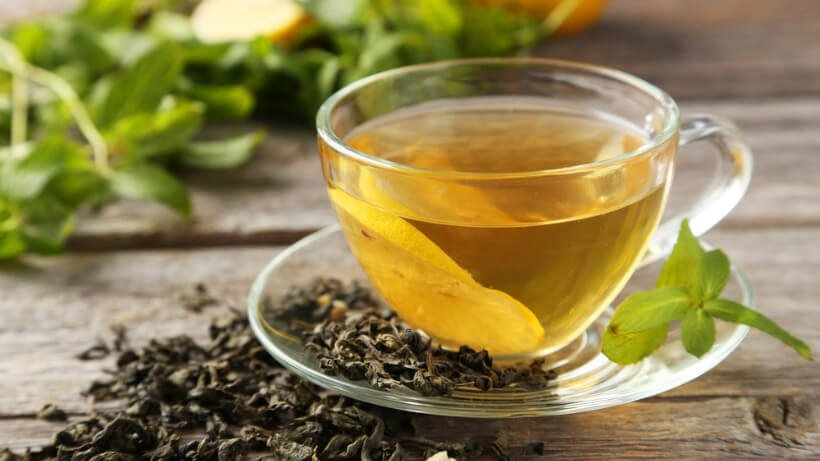
☕ Ginger Tea: A Simple Daily Remedy
One of the easiest and most enjoyable ways to incorporate ginger into your daily routine is through freshly brewed ginger tea. This warming beverage delivers ginger’s therapeutic compounds in a soothing, easily absorbed form.
Unlike store-bought ginger teas that often contain minimal actual ginger, homemade versions allow you to control the potency and ensure you’re getting meaningful amounts of the beneficial compounds.
Fresh ginger tea can be enjoyed hot or cold, making it versatile for any season. Many people find that drinking it regularly helps manage chronic joint discomfort while also supporting digestion and immune function.
📋 Step-by-Step Recipe: Therapeutic Ginger Tea for Joint Health
This recipe creates a potent anti-inflammatory tea that can be prepared fresh daily or made in larger batches for convenience throughout the week.
Ingredients
- 2-inch piece of fresh ginger root (approximately 30-40 grams)
- 4 cups of filtered water
- 1 tablespoon of raw honey (optional, for sweetness and additional anti-inflammatory benefits)
- Juice of half a lemon (optional, adds vitamin C and enhances flavor)
- 1 small cinnamon stick (optional, adds warmth and additional anti-inflammatory compounds)
Equipment Needed
- Sharp knife or vegetable peeler
- Cutting board
- Medium saucepan
- Fine mesh strainer or cheesecloth
- Teapot or heat-safe container for storage
Preparation Instructions
Step 1: Prepare the Ginger
Wash the ginger root thoroughly under running water. You can peel it using a vegetable peeler or the edge of a spoon, though the peel contains beneficial compounds and can be left on if the ginger is organic. Slice the ginger into thin rounds or small chunks—the more surface area exposed, the more compounds will be released into your tea.
Step 2: Boil the Water
Pour 4 cups of filtered water into your saucepan. Add the sliced ginger and the cinnamon stick if using. Bring the mixture to a rolling boil over high heat.
Step 3: Simmer for Maximum Potency
Once boiling, reduce the heat to low and let the ginger simmer gently for 15-20 minutes. The longer you simmer, the stronger and more concentrated your tea will become. For maximum therapeutic benefit, aim for at least 15 minutes of simmering time.
Step 4: Strain and Flavor
Remove the saucepan from heat. Using a fine mesh strainer or cheesecloth, strain the tea into your teapot or heat-safe container, removing all ginger pieces and the cinnamon stick. While the tea is still hot, stir in the honey until completely dissolved. Add fresh lemon juice if desired.
Step 5: Serve and Store
Pour yourself a cup and enjoy immediately while hot. The remaining tea can be stored in the refrigerator for up to 3-4 days. Reheat gently or enjoy it cold over ice with a sprig of fresh mint.
Dosage Recommendations 💡
For joint pain management, consume 2-3 cups of ginger tea daily. Drink one cup in the morning on an empty stomach for optimal absorption, another in the afternoon, and a third in the evening if desired.
Consistency matters more than quantity—regular daily consumption over weeks and months typically yields better results than sporadic high doses.
Enhancing Your Ginger Tea
Consider adding turmeric root (another powerful anti-inflammatory) alongside the ginger for enhanced benefits. A small pinch of black pepper increases curcumin absorption from turmeric by up to 2000%.
Fresh mint leaves, cardamom pods, or a slice of fresh orange can add pleasant flavor variations while contributing their own health benefits.
⚠️ Important Considerations and Precautions
While ginger is generally safe for most people, it’s important to be aware of potential interactions and contraindications.
Ginger has mild blood-thinning properties, so if you’re taking anticoagulant medications like warfarin, consult your healthcare provider before consuming large amounts regularly. The same applies if you’re scheduled for surgery—you may need to discontinue ginger use temporarily.
People with gallstones should exercise caution, as ginger may stimulate bile production. Those with gastroesophageal reflux disease (GERD) should start with small amounts, as ginger can occasionally worsen symptoms in sensitive individuals.
Pregnant women can generally consume moderate amounts of ginger (it’s often recommended for morning sickness), but should consult their healthcare provider about appropriate dosing.
🍽️ Building a Complete Joint-Healthy Eating Pattern
While ginger tea is a powerful tool, it works best as part of a comprehensive anti-inflammatory dietary approach. Think of your overall eating pattern as a foundation, with therapeutic foods like ginger providing additional targeted support.
The Mediterranean diet serves as an excellent template for joint health. This eating pattern emphasizes whole grains, legumes, vegetables, fruits, fish, olive oil, and moderate amounts of dairy and poultry.
Staying well-hydrated is equally important—water helps maintain the viscosity of synovial fluid that cushions your joints. Aim for at least eight glasses daily, more if you’re physically active.
Sample Daily Meal Plan for Joint Health
Breakfast: Oatmeal topped with walnuts, blueberries, and a drizzle of honey, served with a cup of ginger tea.
Mid-Morning: A small handful of almonds and an apple.
Lunch: Grilled salmon over mixed greens with cherry tomatoes, cucumber, and olive oil dressing, plus a glass of water with lemon.
Afternoon: A cup of ginger tea with a small piece of dark chocolate (70% cacao or higher).
Dinner: Stir-fried vegetables with tofu or chicken, served over quinoa, seasoned with fresh ginger and turmeric.
Evening: Tart cherry juice (known for anti-inflammatory properties) or another cup of ginger tea.
💪 Supporting Your Diet with Lifestyle Choices
Nutrition is powerful, but it works synergistically with other lifestyle factors to optimize joint health. Regular gentle exercise like swimming, walking, or yoga maintains joint flexibility and strengthens supporting muscles.
Maintaining a healthy weight reduces mechanical stress on weight-bearing joints like knees and hips. Even modest weight loss can significantly reduce joint pain in overweight individuals.
Quality sleep is crucial—during deep sleep, your body performs most of its repair work on damaged tissues, including cartilage. Aim for 7-9 hours nightly in a cool, dark environment.
Stress management matters too, as chronic psychological stress promotes inflammatory processes throughout the body. Meditation, deep breathing, and time in nature all help regulate stress responses.
🌿 Your Path to Healthier Joints Starts Today
The journey toward reduced joint pain and improved mobility doesn’t require dramatic overnight changes. Small, consistent adjustments to your daily eating habits can accumulate into significant improvements over time.
Starting with something as simple as brewing fresh ginger tea each morning sets a positive intention for the day and provides your body with powerful anti-inflammatory compounds. As you become comfortable with this habit, gradually incorporate more joint-friendly foods while reducing inflammatory triggers.
Remember that everyone’s body responds differently—what works remarkably well for one person may be less effective for another. Pay attention to how your body feels as you make dietary changes, and be patient with the process. Meaningful improvements in chronic joint conditions typically require several weeks to months of consistent effort.
Keep a simple journal tracking your pain levels, mobility, and dietary choices. This creates valuable feedback that helps you identify which foods and practices provide the most benefit for your unique situation.
Most importantly, approach this journey with compassion for yourself. Occasional indulgences won’t derail your progress, and perfection isn’t the goal—sustainable, enjoyable improvements are what matter most for long-term joint health and overall quality of life.

Toni Santos is a visionary artisan and conceptual designer who channels the beauty of living organisms into structural expression. At Zureste, Toni explores the intricate elegance of insect anatomy, organic flow, and bioinspired design to create art that feels both natural and otherworldly.
Each creation Toni brings to life reflects a harmonic tension between structure and softness, wildness and control — echoing the complex intelligence found in the natural world. From beetle-like silhouettes to root-shaped contours, his work blurs the lines between biology, sculpture, and modern art.
Guided by fascination for metamorphosis, evolution, and pattern in nature, Toni’s pieces embody transformation. His BioLight Collection and conceptual series like Insect Type and Structure Aesthetics offer viewers more than aesthetic value — they present immersive experiences of living design.
As the creative force behind Zureste, Toni invites us to rethink beauty, architecture, and identity through a new lens — one shaped by wings, bones, spirals, and the microscopic poetry of the organic.
His creations reflect:
-
Design deeply rooted in the geometry of life
-
Inspiration from insects, roots, and the unseen natural order
-
A blend of science, spirituality, and visual storytelling
Whether you’re a lover of strange beauty, an admirer of evolution’s artistry, or a creative mind seeking something different, Toni welcomes you into a world where living forms become meaning, and surreal becomes sublime.