
Anúncios
Understanding the early signs your body sends can be empowering, especially when navigating significant life changes like pregnancy or health transitions.


Learning to recognize patterns in your body helps you make informed decisions about your wellness journey.
Anúncios
Whether you’re tracking menstrual cycles, fertility windows, or early pregnancy indicators, being attuned to subtle changes creates a foundation for proactive health management.

This comprehensive guide explores the essential signals, cyclical patterns, and practical information that empower you to identify potential early symptoms with confidence and clarity. 🌸
Anúncios
🔄 Understanding Your Natural Cycles
Your body operates on rhythmic cycles that reveal important information about your reproductive health. The menstrual cycle typically spans 21 to 35 days, with an average of 28 days for many individuals. This cycle divides into distinct phases, each characterized by specific hormonal fluctuations and physical changes.
During the follicular phase, which begins on the first day of menstruation, estrogen levels gradually rise. This phase prepares your body for potential conception by thickening the uterine lining and maturing egg follicles. You might notice increased energy levels and clearer skin during this time.
Ovulation marks the cycle’s midpoint, usually occurring around day 14 in a 28-day cycle. During this brief window, your body releases a mature egg, creating the optimal opportunity for conception. Many women experience heightened senses, slight temperature increases, and changes in cervical mucus consistency.
The luteal phase follows ovulation, characterized by progesterone dominance. This hormone prepares the uterine environment for potential implantation. If conception doesn’t occur, hormone levels drop, triggering menstruation and beginning a new cycle.
📊 Tracking Methods That Provide Valuable Insights
Modern tracking approaches combine traditional observation techniques with digital technology to create comprehensive health pictures. Basal body temperature monitoring remains one of the most reliable methods for understanding your cycle and detecting ovulation.
Taking your temperature immediately upon waking, before any physical activity, reveals subtle shifts that indicate hormonal changes. A slight increase of 0.5 to 1 degree Fahrenheit typically occurs after ovulation, remaining elevated throughout the luteal phase.
Cervical mucus observation offers another powerful tracking tool. Throughout your cycle, cervical fluid changes in consistency, color, and volume. During fertile windows, mucus becomes clear, stretchy, and resembles raw egg whites—facilitating sperm transport and survival.
Digital Apps and Modern Solutions
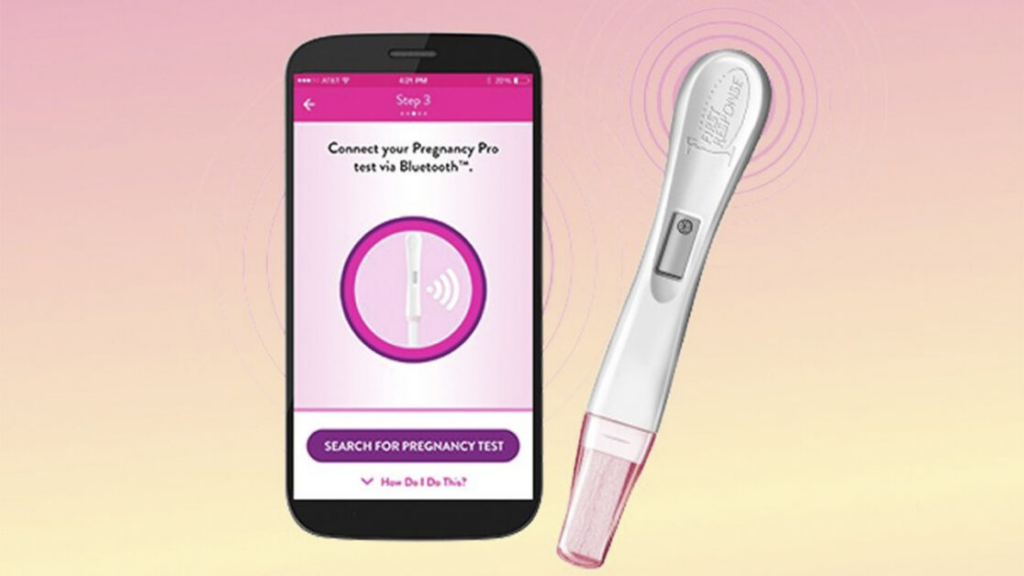
Technology has revolutionized how we monitor reproductive health. Smartphone applications allow you to log symptoms, track patterns, and receive personalized predictions based on your unique data. These tools often incorporate algorithms that learn from your input, improving accuracy over time.
Wearable devices now measure various physiological parameters continuously, including heart rate variability, skin temperature, and sleep patterns. These metrics provide additional layers of information that complement traditional tracking methods.
🌟 Recognizing Early Physical Signals
Your body communicates through various physical sensations and changes. Learning to interpret these signals helps distinguish between normal cyclical variations and potential early pregnancy symptoms or health concerns.
Breast tenderness often appears as one of the earliest indicators. Hormonal fluctuations cause breast tissue to swell and become sensitive. This sensation differs from typical premenstrual tenderness in timing, intensity, and duration for some individuals.
Fatigue presents another common early signal. Progesterone elevation can create feelings of exhaustion that seem disproportionate to your activity level. This differs from regular tiredness, often feeling more profound and persistent.
Mild cramping or spotting might occur during implantation, typically 6 to 12 days after conception. This light bleeding differs significantly from menstrual flow—usually pink or brown in color and lasting only a day or two.
Digestive System Changes
Hormonal shifts affect your entire body, including your digestive system. You might experience bloating, constipation, or mild nausea even before missing a period. These symptoms result from progesterone slowing digestive processes.
Food aversions or cravings can emerge surprisingly early. Sudden distaste for previously enjoyed foods or unusual cravings may signal hormonal changes. Your sense of smell might also become more acute, making certain odors overwhelming.
💭 Emotional and Cognitive Indicators
Physical symptoms tell only part of the story. Emotional and cognitive changes provide equally valuable information about what’s happening inside your body.
Mood fluctuations often intensify beyond typical premenstrual patterns. You might experience heightened emotional sensitivity, tearfulness, or irritability. These changes stem from rapid hormonal adjustments affecting neurotransmitter production.
Some individuals report unusual dreams or altered sleep patterns. Vivid, memorable dreams may occur more frequently, while others struggle with insomnia or disrupted sleep despite feeling exhausted.
Concentration difficulties or “brain fog” affect many people during hormonal transitions. You might find yourself more forgetful, struggling to focus on tasks, or feeling mentally scattered. These cognitive shifts are temporary but worth noting as part of your overall symptom picture.
🩺 When Subtle Becomes Significant
Distinguishing between normal variations and symptoms requiring medical attention represents an essential skill. While many early signs prove benign, certain indicators warrant professional evaluation.
Severe or persistent pain should never be ignored. While mild cramping is normal, sharp, intense, or one-sided pain could indicate conditions requiring immediate medical attention. Trust your instincts when something feels significantly different or concerning.
Heavy bleeding accompanied by severe cramping or dizziness requires prompt evaluation. This pattern might indicate various conditions that benefit from early intervention and proper diagnosis.
Persistent nausea that prevents adequate nutrition or hydration deserves medical attention. While mild nausea is common, severe symptoms affecting your daily functioning should be addressed with healthcare providers.
Building Your Symptom Timeline
Creating a detailed timeline helps you and healthcare providers identify patterns and make informed assessments. Document when symptoms begin, their intensity, duration, and any factors that alleviate or worsen them.
Note accompanying symptoms that occur together. Combinations of signs often provide more diagnostic value than isolated symptoms. For example, missed period plus breast tenderness plus fatigue creates a clearer picture than any single indicator.
🌡️ Temperature and Physical Markers
Body temperature fluctuations offer objective data points in your tracking journey. Beyond basal temperature monitoring, you might notice feeling warmer than usual, particularly during the luteal phase or early pregnancy.
Increased blood volume and metabolic rate can create sensations of internal warmth. Some individuals report feeling flushed or experiencing temperature regulation difficulties, alternating between feeling too warm and too cold.
Increased urination frequency occurs as hormonal changes affect kidney function and blood volume expands. This symptom often appears earlier than many realize, sometimes even before a missed period.
Cardiovascular Changes
Your heart rate provides another measurable indicator. Resting heart rate typically increases by several beats per minute during the luteal phase and may remain elevated if conception occurs. Tracking devices make monitoring this metric straightforward and accessible.
Blood pressure variations sometimes accompany hormonal transitions. While usually mild, these changes occasionally cause lightheadedness or brief dizzy spells, particularly when standing quickly or changing positions.
🔍 What Your Skin Reveals
Skin changes offer visible clues about internal hormonal activity. Increased blood flow creates the characteristic “glow” many associate with early pregnancy, resulting from expanded blood vessels near the skin’s surface.
Conversely, some individuals experience breakouts or skin sensitivity. Hormonal fluctuations affect sebum production, potentially causing acne even in people who typically have clear skin.
Darkening of certain areas, particularly the areolas and linea nigra (a vertical line down the abdomen), occurs due to increased melanin production. These pigmentation changes usually develop gradually and may not be immediately noticeable.
🧘♀️ Supporting Your Body Through Changes
Once you recognize potential early symptoms, supporting your body appropriately becomes the next priority. Gentle self-care measures can alleviate discomfort while you await confirmation or further information.
Adequate hydration supports all bodily functions and may ease symptoms like headaches, constipation, and fatigue. Aim for clear or pale yellow urine as an indicator of proper hydration status.
Balanced nutrition provides essential building blocks for hormonal production and regulation. Focus on whole foods, adequate protein, healthy fats, and complex carbohydrates while limiting processed foods and excessive sugar.
Moderate exercise supports circulation, mood regulation, and overall wellness. Gentle activities like walking, swimming, or prenatal yoga offer benefits without overtaxing your system during this potentially sensitive time.
Rest and Stress Management
Prioritizing quality sleep helps your body manage hormonal transitions more effectively. Create consistent sleep schedules, optimize your bedroom environment, and practice relaxation techniques before bed.
Stress reduction supports hormonal balance and overall wellbeing. Meditation, deep breathing exercises, journaling, or spending time in nature can help moderate your stress response and promote emotional equilibrium.
📱 Leveraging Technology for Better Tracking
Modern applications offer sophisticated features beyond simple calendar tracking. Many now incorporate symptom logging, mood tracking, medication reminders, and educational content tailored to your cycle phase.
Artificial intelligence algorithms analyze your personal data to provide increasingly accurate predictions. Over several cycles, these systems learn your unique patterns, offering personalized insights that generic calendars cannot provide.
Community features in some apps connect you with others experiencing similar journeys. While maintaining privacy, these platforms offer support, shared experiences, and collective wisdom that can feel reassuring during uncertain times.
🎯 Creating Your Personal Baseline
Understanding what’s “normal” for you requires consistent tracking over multiple cycles. Individual variation means that average statistics may not apply to your unique physiology.
Document your typical cycle length, flow characteristics, premenstrual symptoms, and ovulation signs. This baseline information becomes invaluable when assessing whether new symptoms represent significant changes.
Note how your body responds to various factors like stress, diet changes, travel, or illness. These variables affect your cycles, and recognizing their influence helps you interpret symptoms more accurately.
🌈 Moving Forward With Confidence
Armed with comprehensive knowledge about cycles, signals, and symptoms, you’re better equipped to navigate your reproductive health journey. Remember that tracking tools and information serve to empower you, not create anxiety or obsession.
Balance attentiveness with flexibility, recognizing that bodies don’t always follow textbook patterns. Variation is normal, and occasional irregularities don’t necessarily indicate problems.
Partner with healthcare providers who respect your observations and insights. You know your body better than anyone, and your documented experiences provide valuable diagnostic information that complements clinical examinations and tests.
Stay curious and patient with yourself as you learn to interpret your body’s language. Each cycle offers new information, and patterns emerge more clearly over time. This knowledge serves you not just in identifying early pregnancy symptoms but in understanding your overall health and wellness throughout your reproductive years.
Trust the process, honor your body’s wisdom, and use available tools to support your journey. Whether you’re trying to conceive, prevent pregnancy, or simply understand your body better, this attentive awareness creates a foundation for informed decisions and proactive health management. ✨

Toni Santos is a visionary artisan and conceptual designer who channels the beauty of living organisms into structural expression. At Zureste, Toni explores the intricate elegance of insect anatomy, organic flow, and bioinspired design to create art that feels both natural and otherworldly.
Each creation Toni brings to life reflects a harmonic tension between structure and softness, wildness and control — echoing the complex intelligence found in the natural world. From beetle-like silhouettes to root-shaped contours, his work blurs the lines between biology, sculpture, and modern art.
Guided by fascination for metamorphosis, evolution, and pattern in nature, Toni’s pieces embody transformation. His BioLight Collection and conceptual series like Insect Type and Structure Aesthetics offer viewers more than aesthetic value — they present immersive experiences of living design.
As the creative force behind Zureste, Toni invites us to rethink beauty, architecture, and identity through a new lens — one shaped by wings, bones, spirals, and the microscopic poetry of the organic.
His creations reflect:
-
Design deeply rooted in the geometry of life
-
Inspiration from insects, roots, and the unseen natural order
-
A blend of science, spirituality, and visual storytelling
Whether you’re a lover of strange beauty, an admirer of evolution’s artistry, or a creative mind seeking something different, Toni welcomes you into a world where living forms become meaning, and surreal becomes sublime.